
The Magazine
Reflections on art, design, lifestyles, and cultural stewardship.
Explore
Learning to See:
Essays on art, beauty, observation, and the practice of paying attention.

Collecting & Living With Art:
Guidance for discovering, choosing, caring for, and building a meaningful collection.
Inside the Art World:
Practical conversations about galleries, collecting, artists, and the people who bring art into our lives.
This Week in Art, Design & Culture:
Christina Stefani's weekly perspective on the ideas, exhibitions, objects, places, and cultural developments worth noticing.


Latest from the Magazine
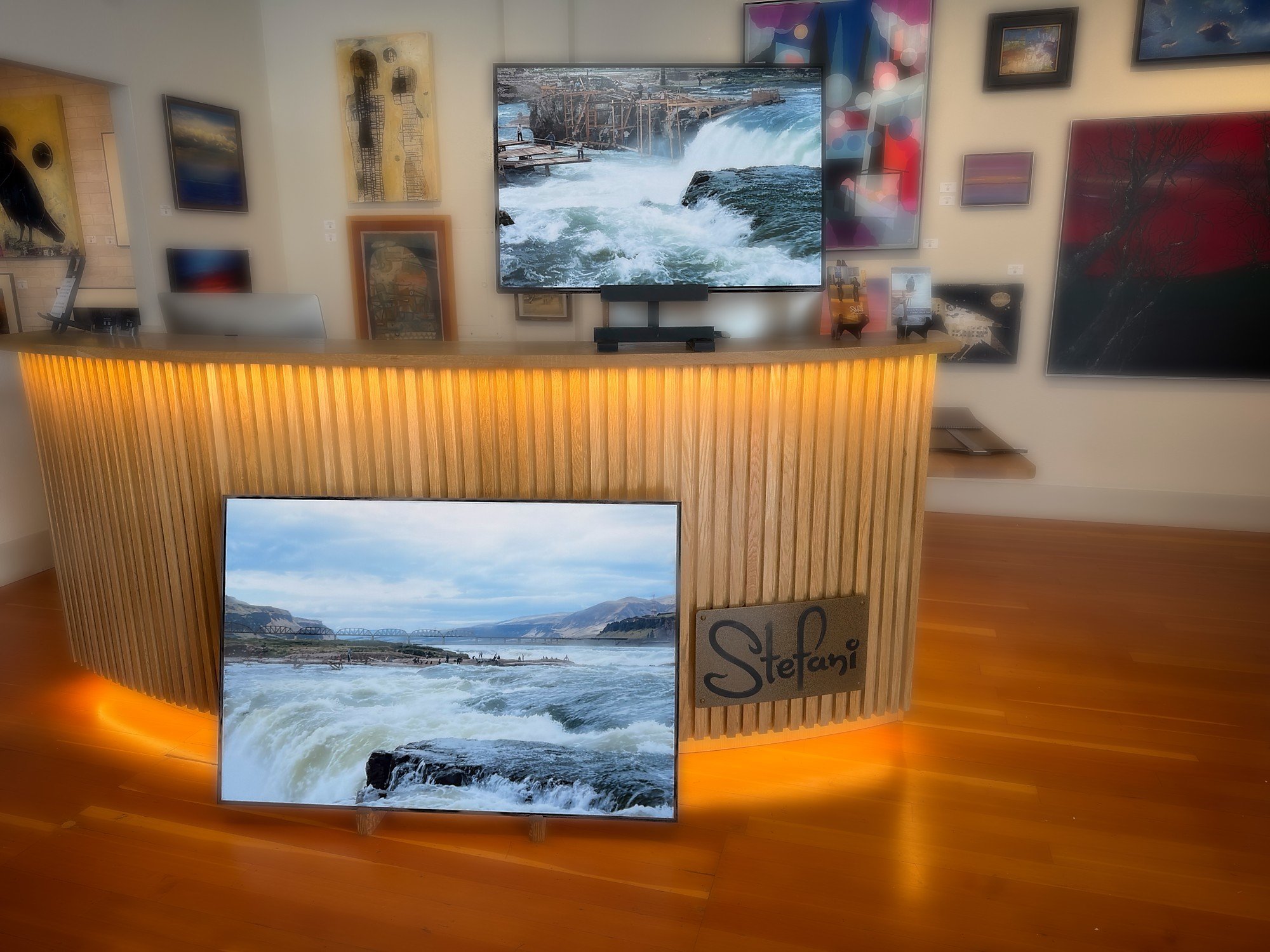
When the Photographs Came Home
I have looked at Richard's photographs so many times that certain details have become familiar to me: a man's expression, the position of a fishing net, the color of the hills beyond the Columbia, the extraordinary white water of Celilo.
But today they became something else. Photographs again. Large, luminous, beautifully printed and framed.
Nearly seventy years after Richard stood beside the Columbia and released the shutter, his photographs were leaning against the walls of the gallery that bears our name.
And I felt almost everything at once.
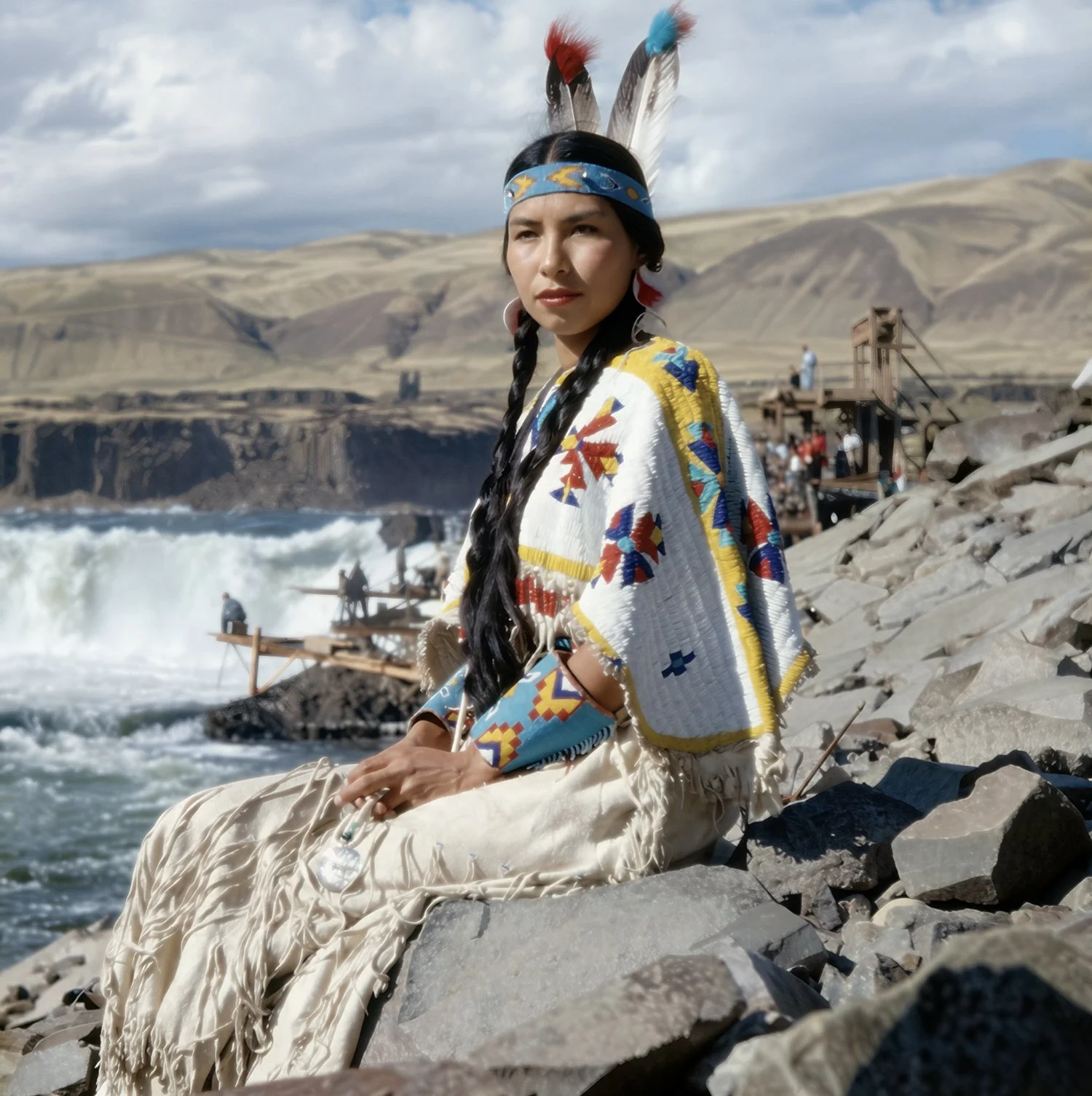
The People Richard Photographed
Twenty-three photographs. A community beside the river. And the responsibility of remembering that every face belonged to a life.
There is a moment in working with an old photograph when the person in it stops being part of history and becomes simply a person.
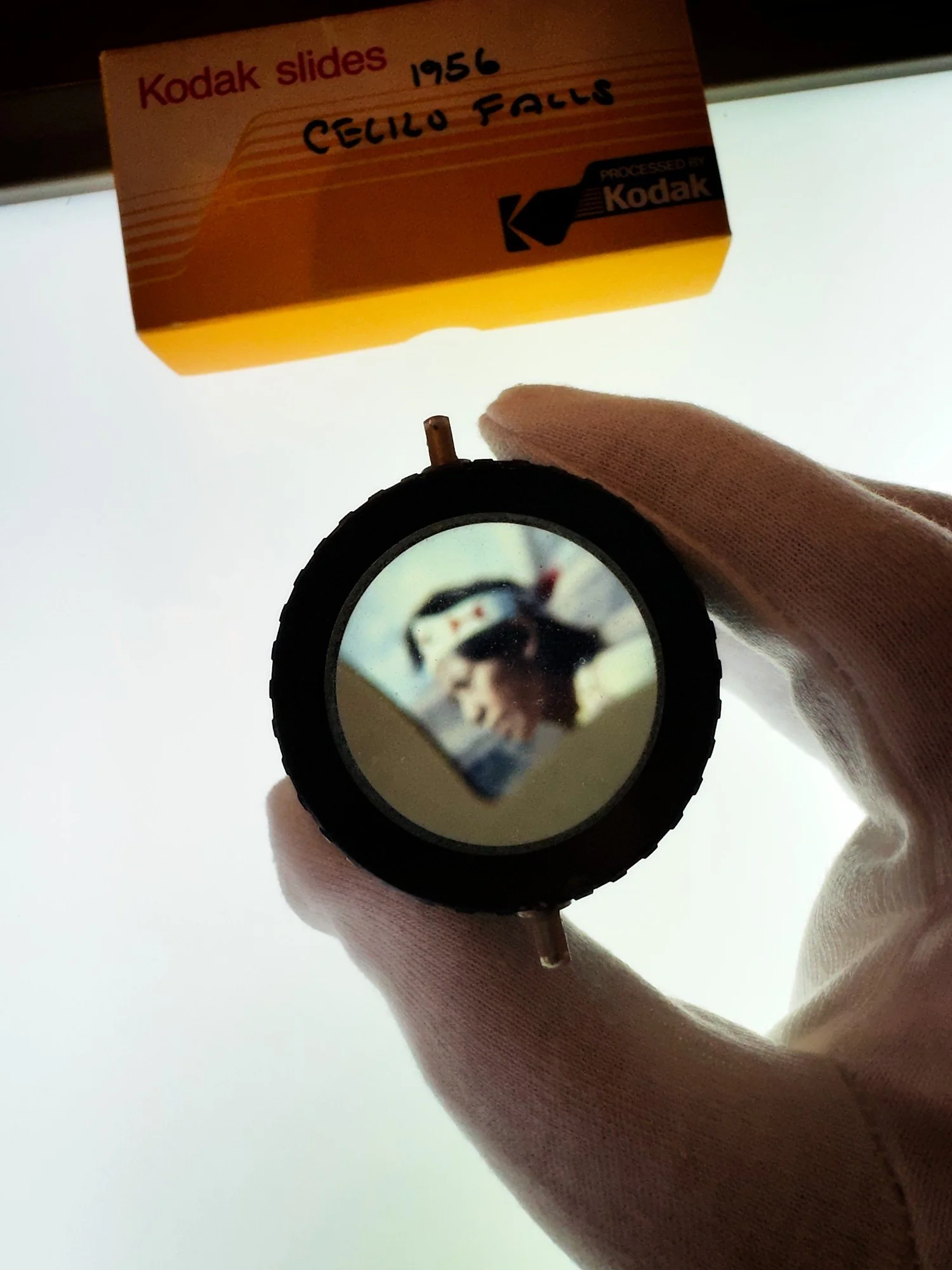
The Art of Looking Carefully
When Richard arrived at Celilo in the fall of 1956, he was twenty-three years old. He carried two cameras and two rolls of color film.
That limitation matters. Every time Richard released the shutter, he used one of a finite number of exposures.
There was no screen on which to review what he had made. No nearly limitless supply of digital frames. No opportunity to photograph everything and decide what mattered later.
He had to choose.
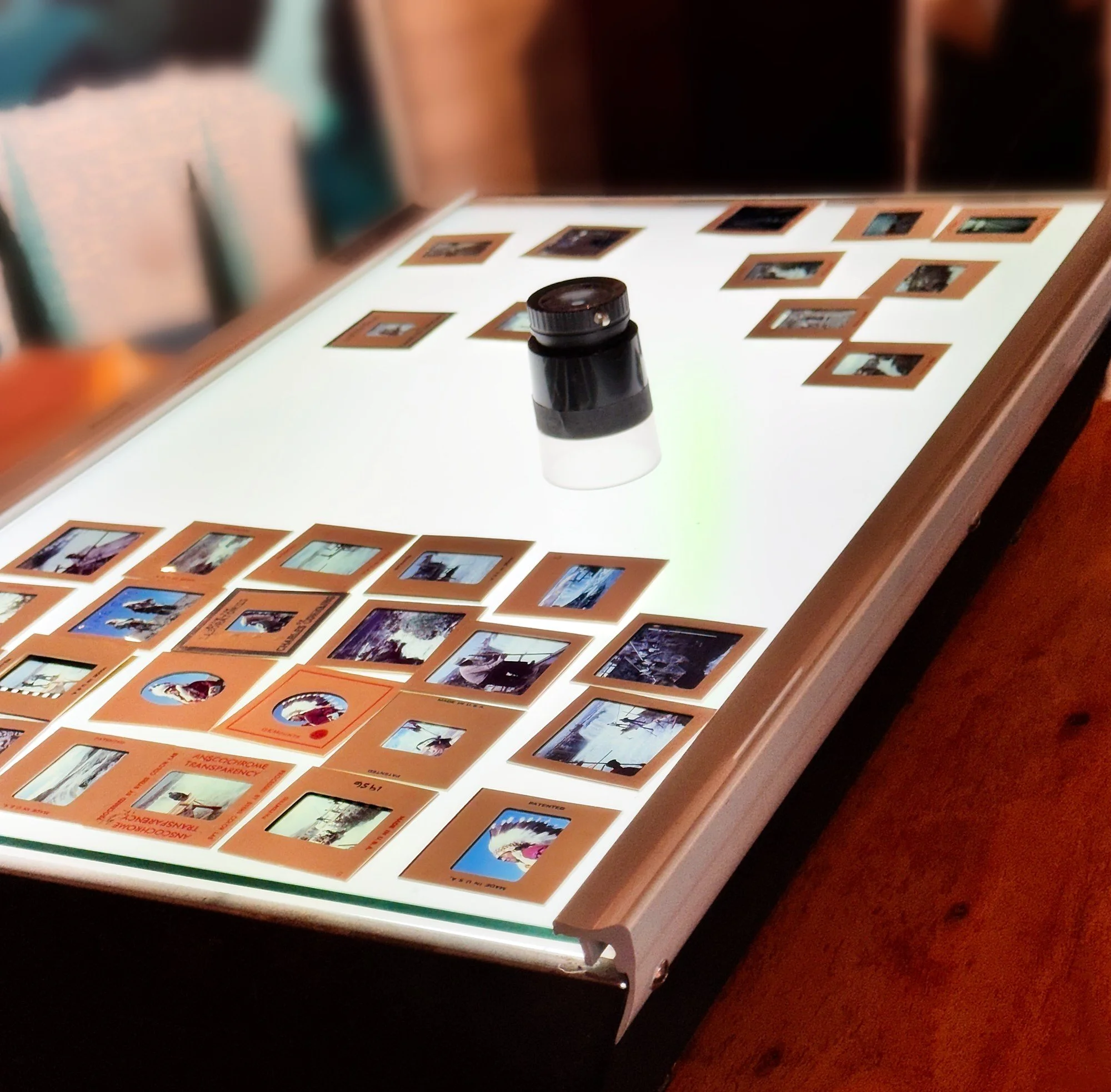
Two Cameras, Two Rolls of Color Film
We live in a photographic culture of abundance.
A single afternoon can produce hundreds of images. We photograph a scene, check it, adjust, photograph it again, make variations, change positions, and keep working until we are satisfied.
Richard had no such luxury. Film imposed a discipline that digital photography has largely removed. Every exposure spent something.
What Was Celilo Falls?
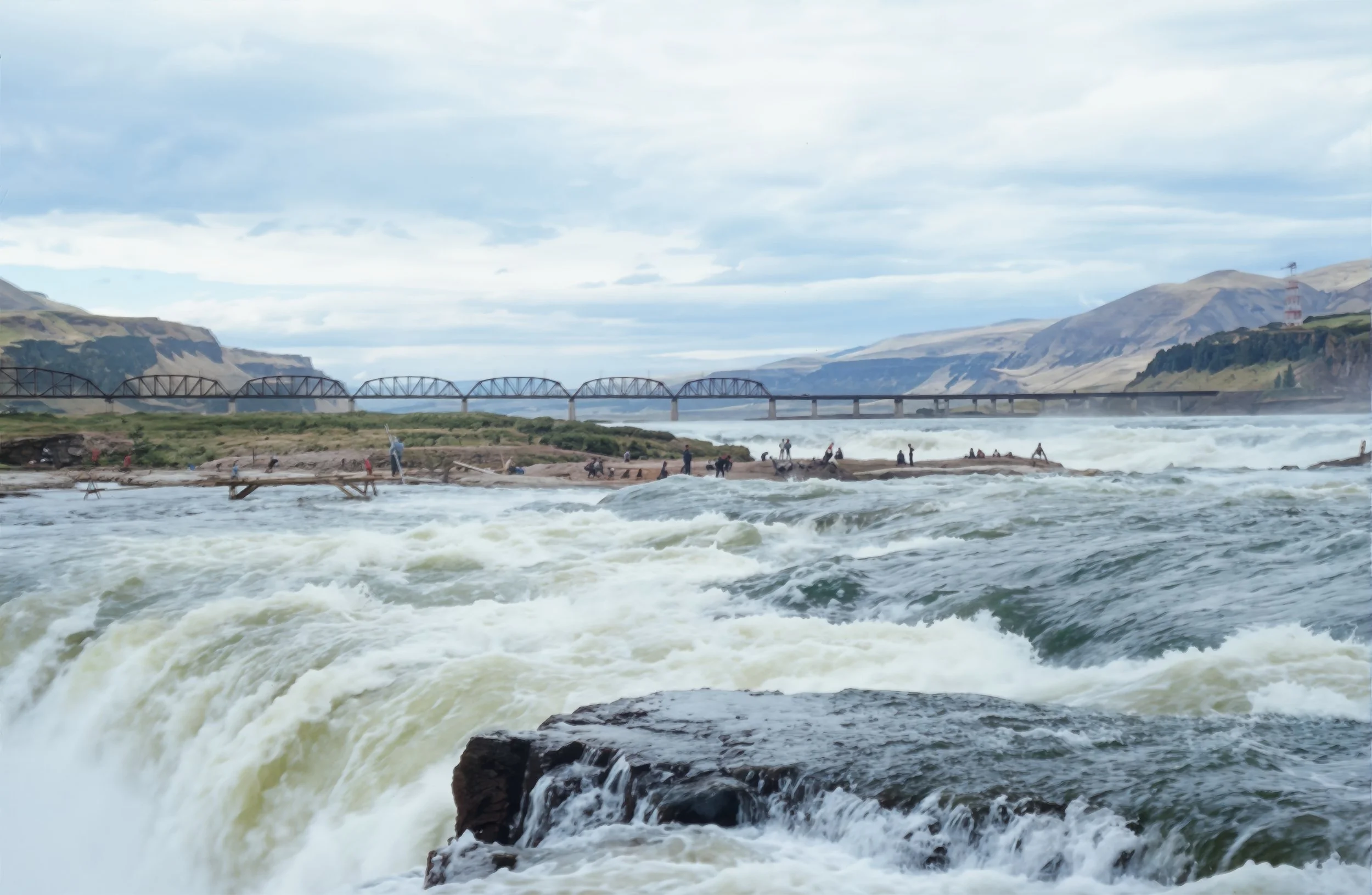
Celilo Falls was located on the mid-Columbia River, about twelve miles east of The Dalles, Oregon.
It was not a single picturesque waterfall in the way we might imagine one today. Celilo was part of an approximately nine-mile stretch of rapids, falls, channels, rocks, and fishing places along the Columbia.
At the falls, the river narrowed dramatically. In places, the Columbia was forced through a passage as narrow as forty feet. Over roughly half a mile, the river dropped more than eighty feet.
The result was extraordinary.
Who Was Kawase Hasui?
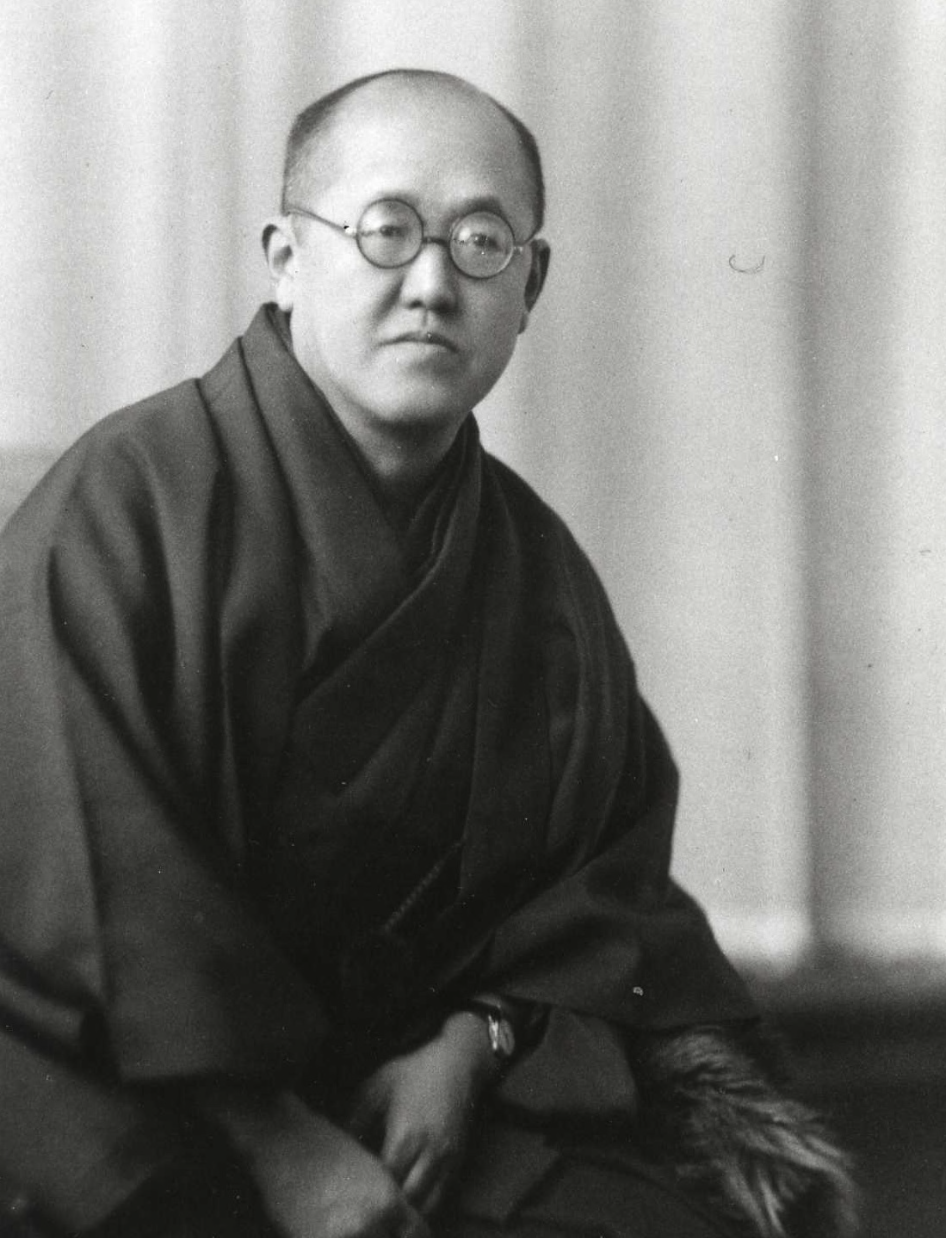
Some artists paint places. Others paint moments. Kawase Hasui painted the feeling of being there. There are artists whose work announces itself immediately. Their paintings are dramatic. Their personalities are larger than life. Their names become inseparable from the movements they helped define. Kawase Hasui was different.
Why Do Some Works of Art Stay With Us for a Lifetime?
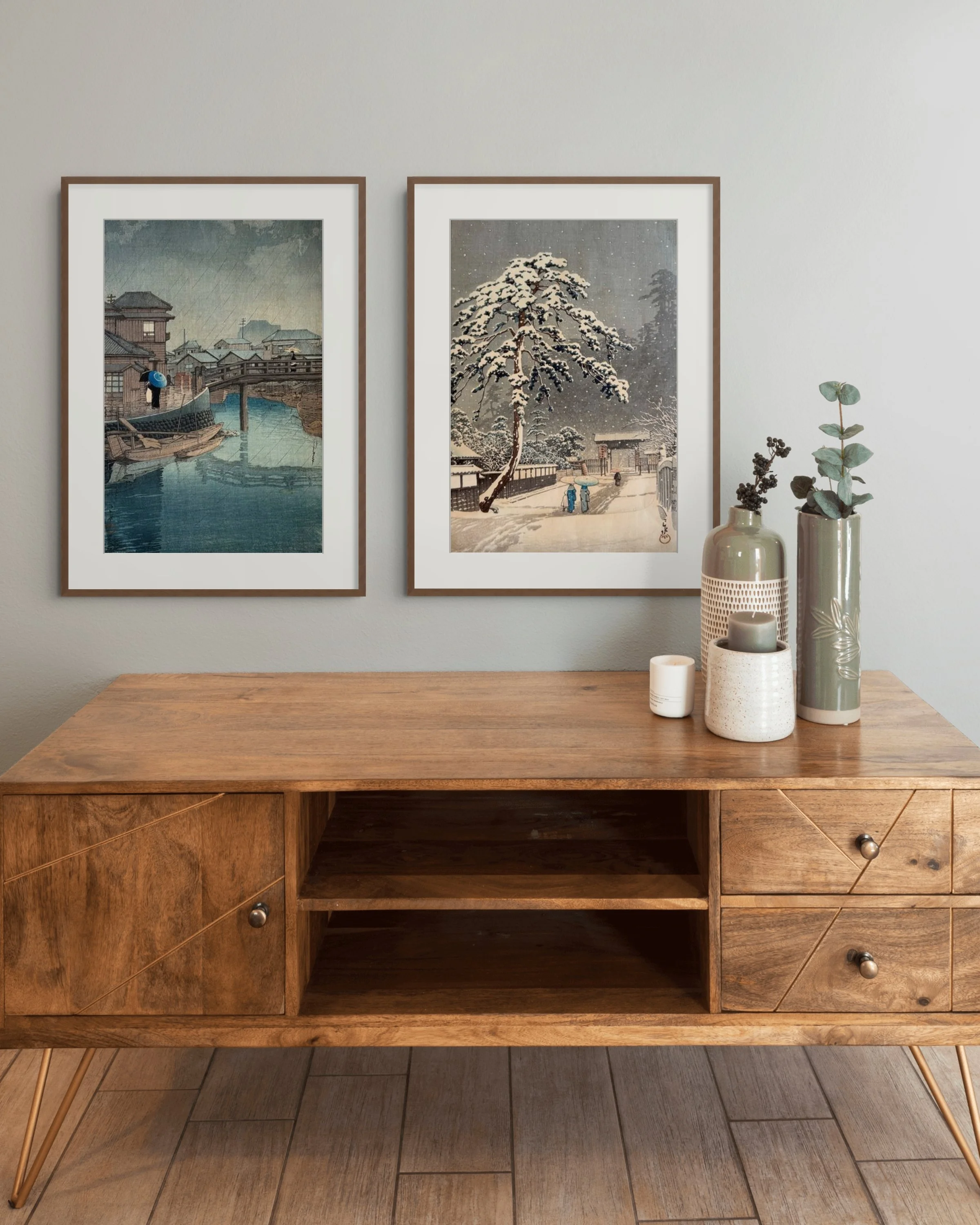
Learning to appreciate art is much like learning to appreciate music or literature. The more carefully we observe, the more we begin to notice relationships that were always present but easily overlooked. Light reflected in still water. The rhythm of repeating forms. The quiet balance between color and space. The subtle emotional effect of a single figure walking beneath an umbrella.…
This Week in Art, Design, and Culture: July 18, 2026
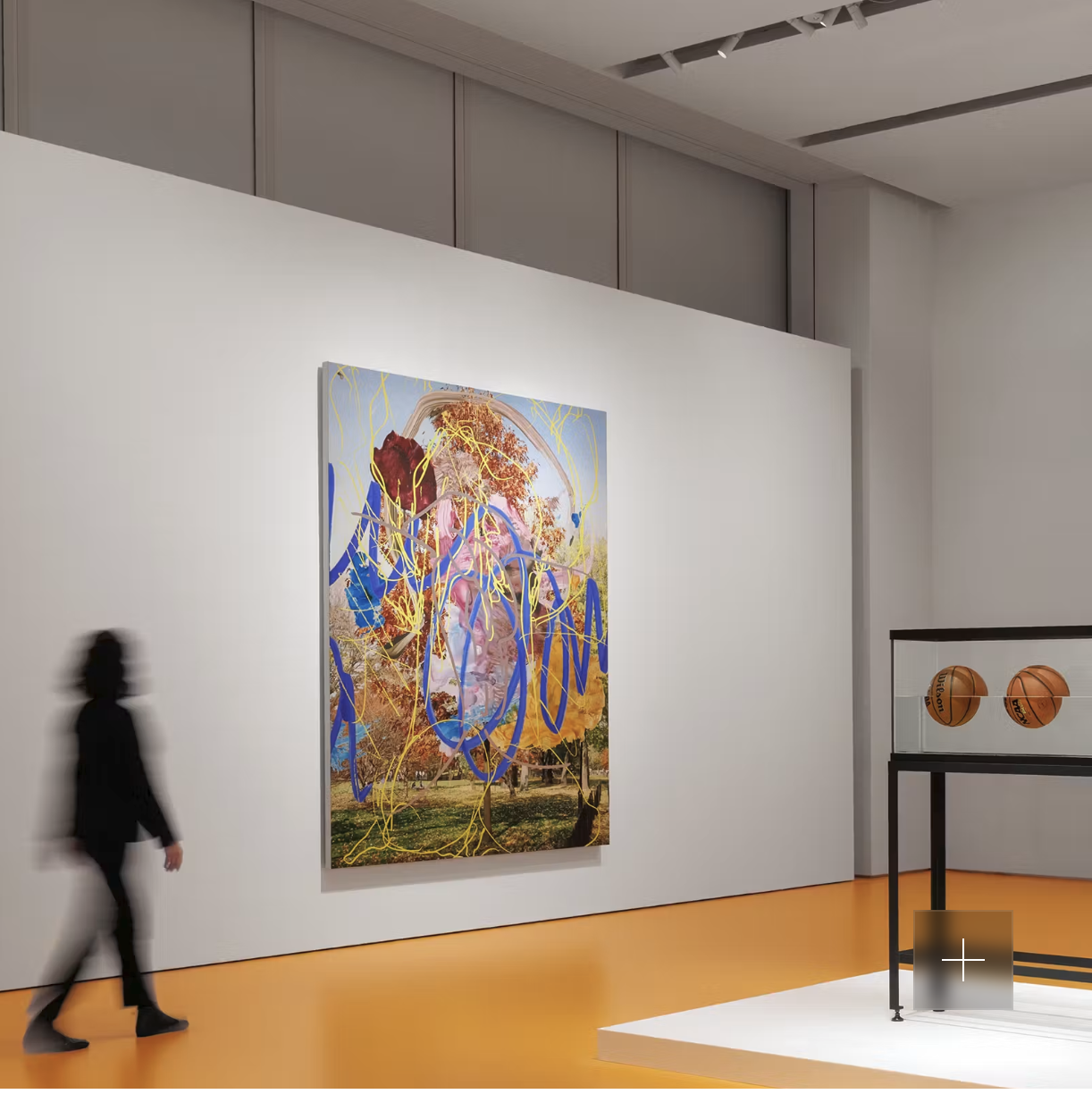
This week, the art and design world felt both glamorous and serious: major fairs reported strength, museums opened ambitious exhibitions, luxury houses leaned further into cultural patronage, and provenance remained impossible to ignore.

This Week in Art, Design, and Culture: July 4, 2026
The week belongs to connoisseurship with context. The most compelling cultural objects right now are not just expensive or beautiful; they arrive with place, provenance, touch, memory, and a reason to gather around them.
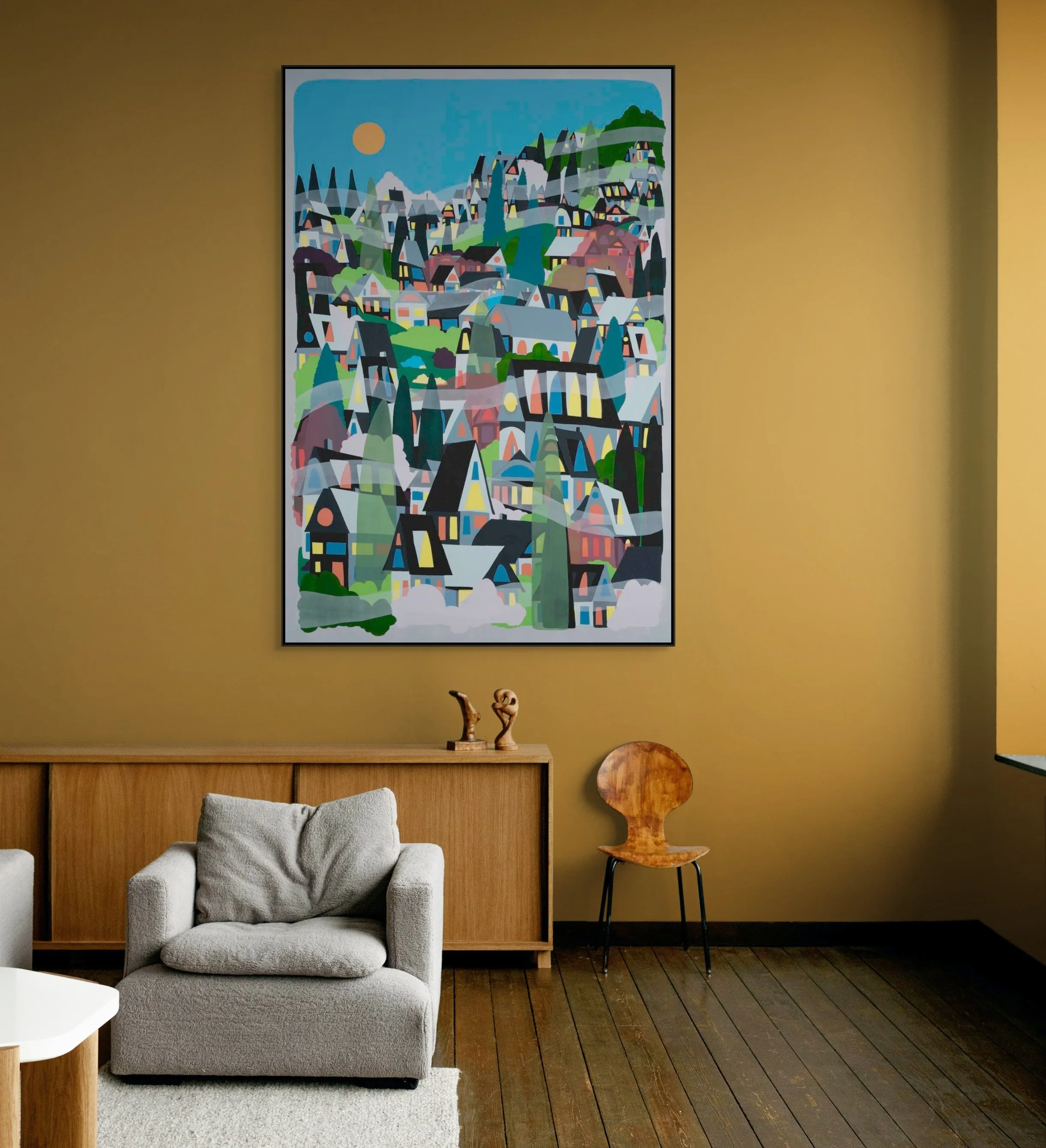
Why Living With Original Art Is Different Than Looking At It
People rarely regret buying a piece of art they truly connect with. What they remember is how the artwork made them feel. They remember where it hung. They remember the conversations it sparked. They remember how their relationship with the piece evolved over time.
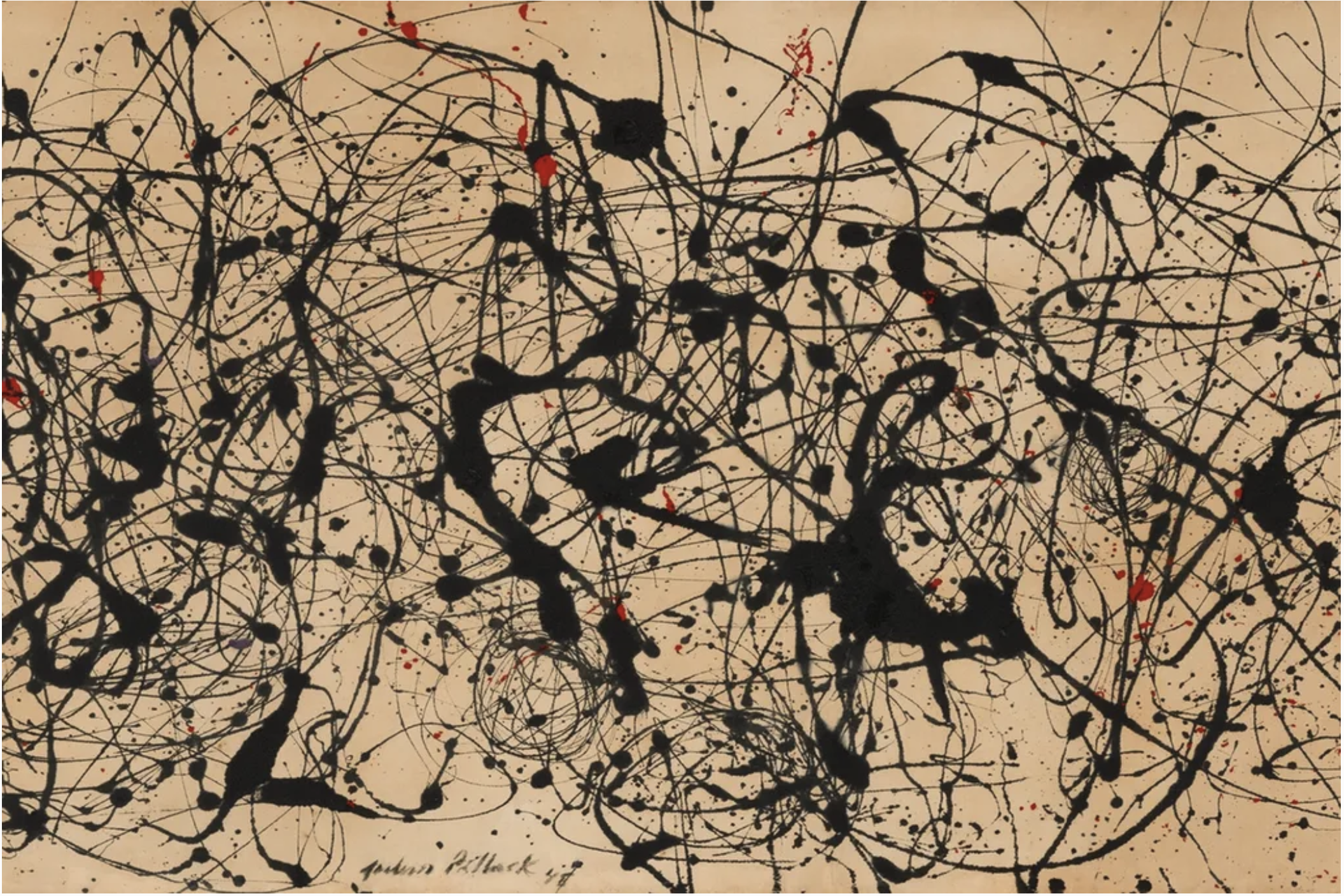
The Art World This Week: June 20, 2026
This week’s art world is not about volume; it is about discernment. The strongest signal is a return to seriousness: museum-grade works, emotionally resonant exhibitions, provenance-aware collecting, and cultural experiences that reward presence.
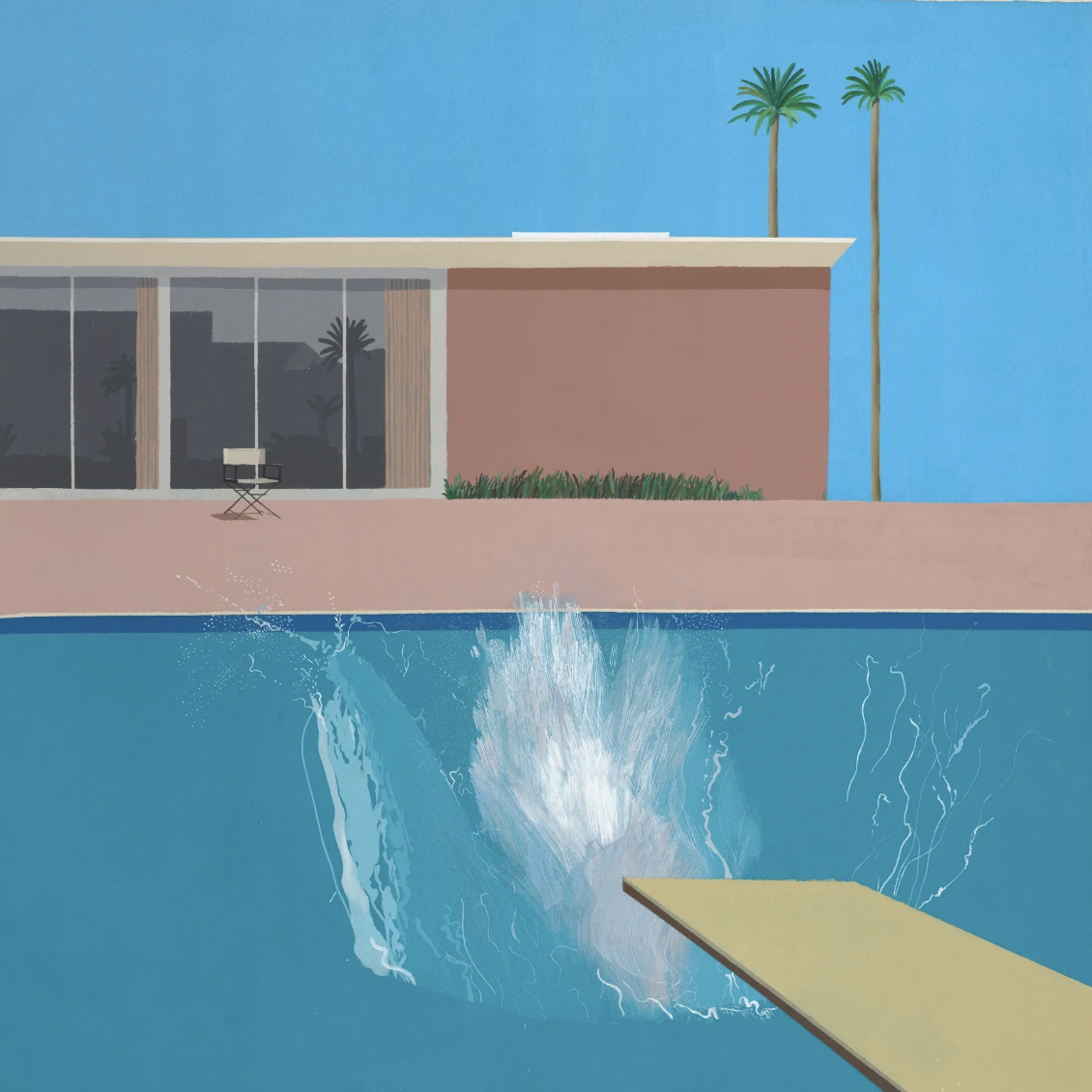
The Art World This Week: June 13, 2026
This was a week where the art world felt both elegiac and recalibrating: the loss of two major image-makers, David Hockney and Duane Michals; a serious test of the mega-gallery model; and a renewed push to make in-person discovery feel rare again.
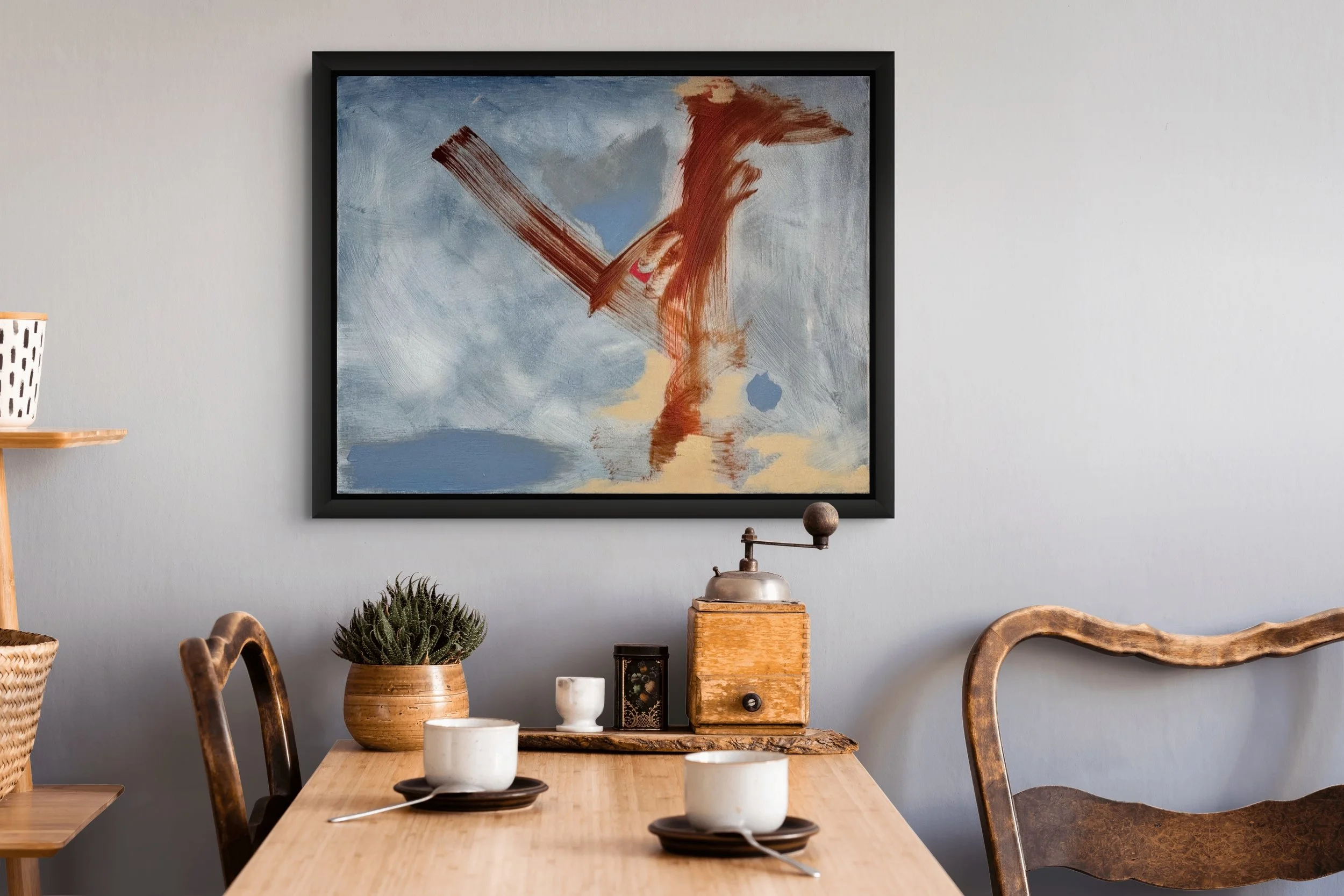
The Enduring Power of Abstract Expressionism and the Art of Transformation
Every few years, the art world seems to rediscover Abstract Expressionism. Collectors start talking about it again. Major auction results make headlines. A Franz Kline painting appears at auction, drawing renewed attention. Yet for many, the movement remains a bit mysterious. What exactly makes a canvas full of gestures, color, texture, and movement so compelling?
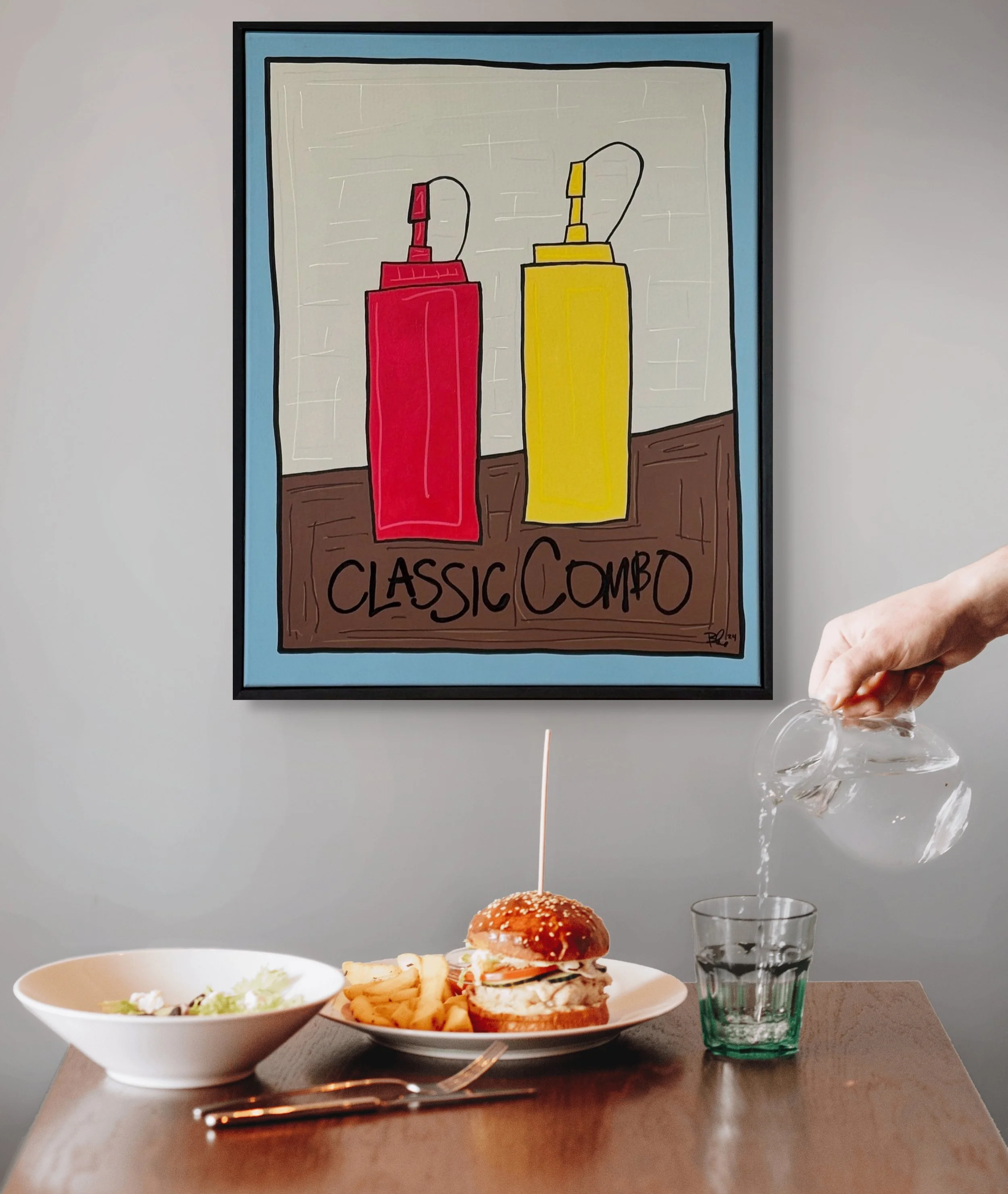
Familiar Forms, Unsettled Truths: Joshua Blue and the Language of Everyday Life
In a contemporary landscape saturated with images, clarity has become increasingly rare. Much of today’s visual culture leans toward either hyper-conceptual opacity or surface-level immediacy, leaving little room for work that feels both accessible and intellectually grounded. It is within this space that Joshua Blue’s practice emerges with quiet conviction.