Who Was Kawase Hasui?
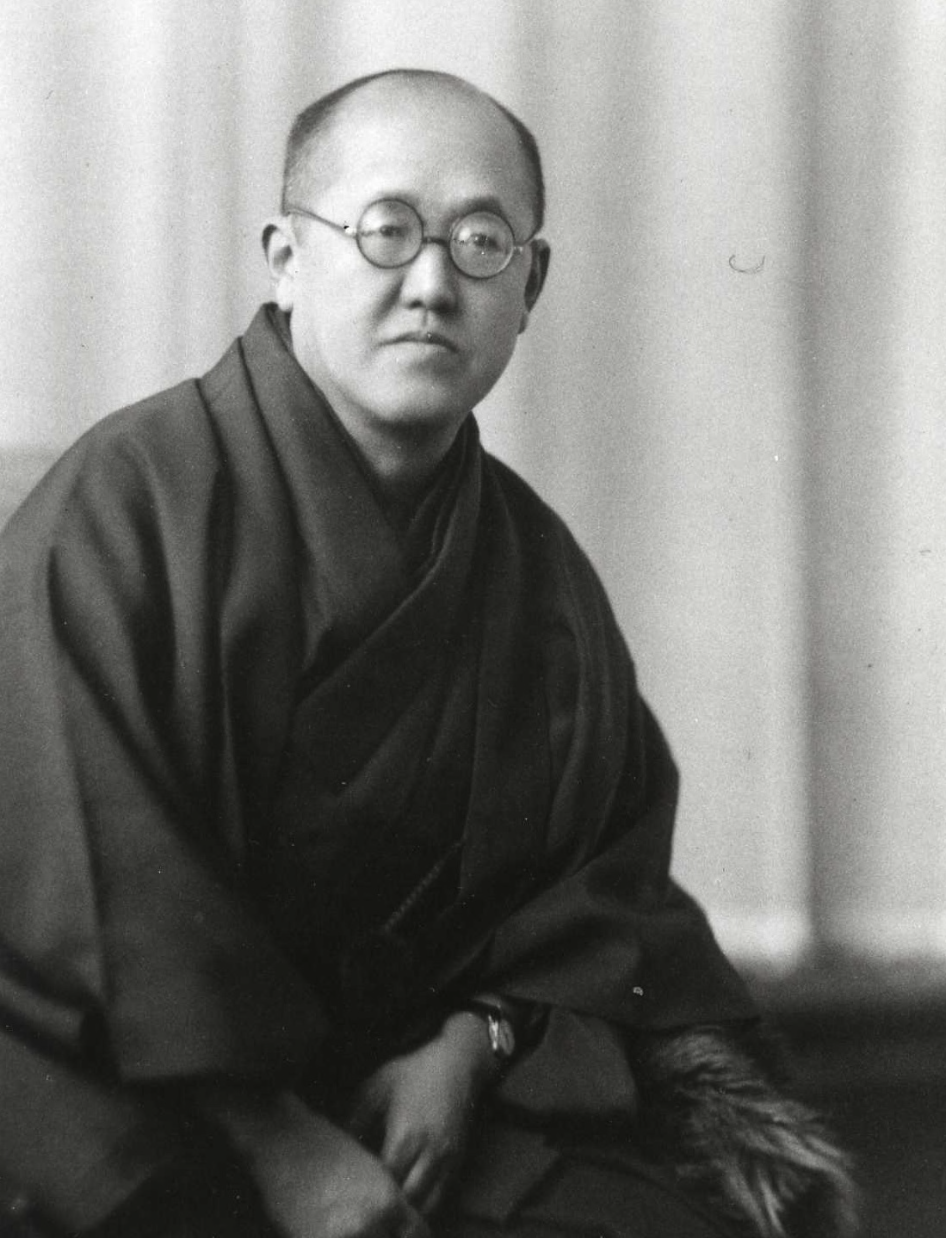
Kawase Hasui (born Bunjirō Kawase, 1883-1957) was one of Japan's most celebrated twentieth-century printmakers and the leading landscape artist of the shin-hanga ("new prints") movement.
Learning to See
Essays on Beauty, Craftsmanship, and the Experience of Art
II. Who Was Kawase Hasui?
Some artists paint places. Others paint moments. Kawase Hasui painted the feeling of being there.
There are artists whose work announces itself immediately.
Their paintings are dramatic. Their personalities are larger than life. Their names become inseparable from the movements they helped define.
Kawase Hasui was different.
His greatest achievement was not creating spectacle. It was teaching us to notice what already existed.
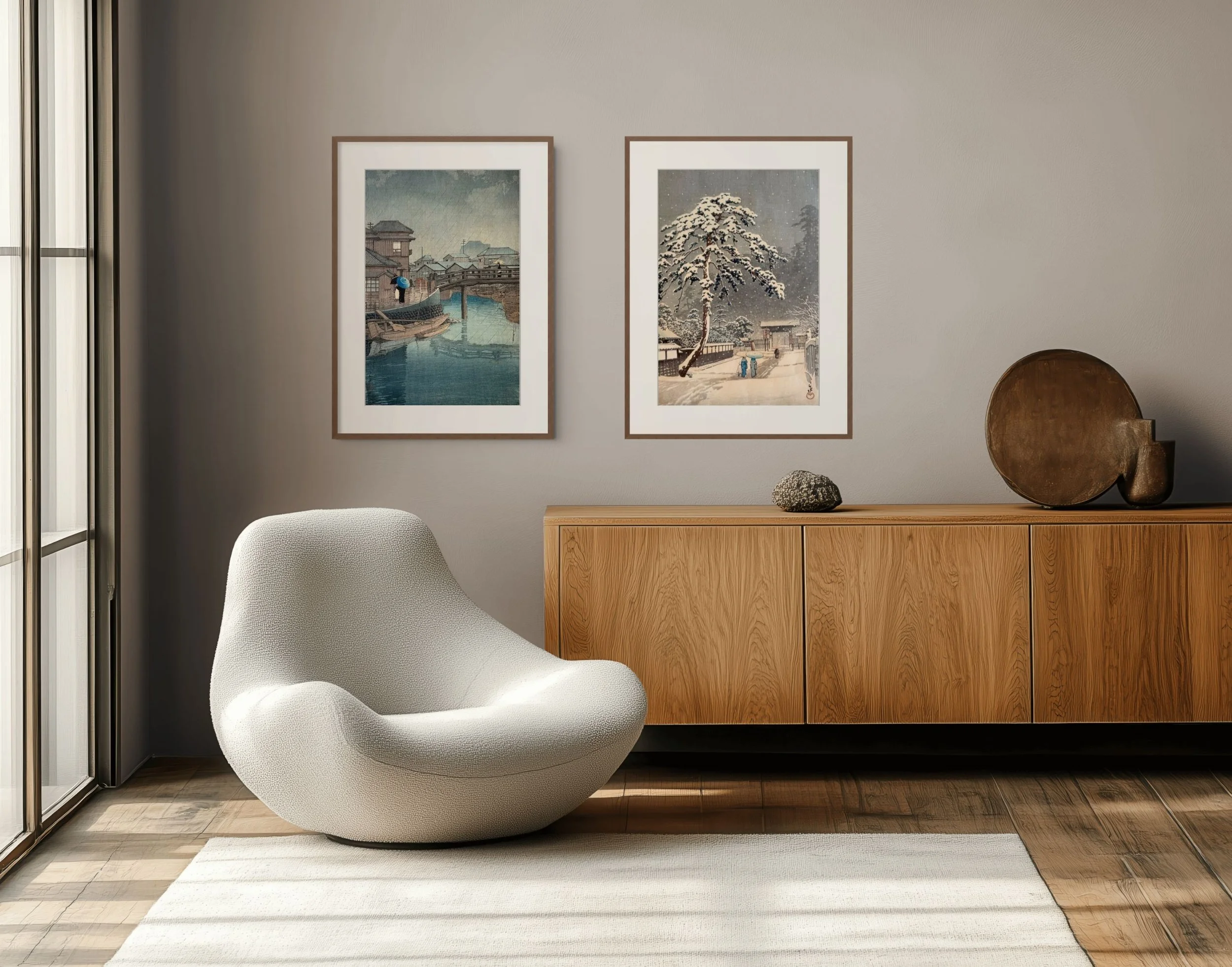
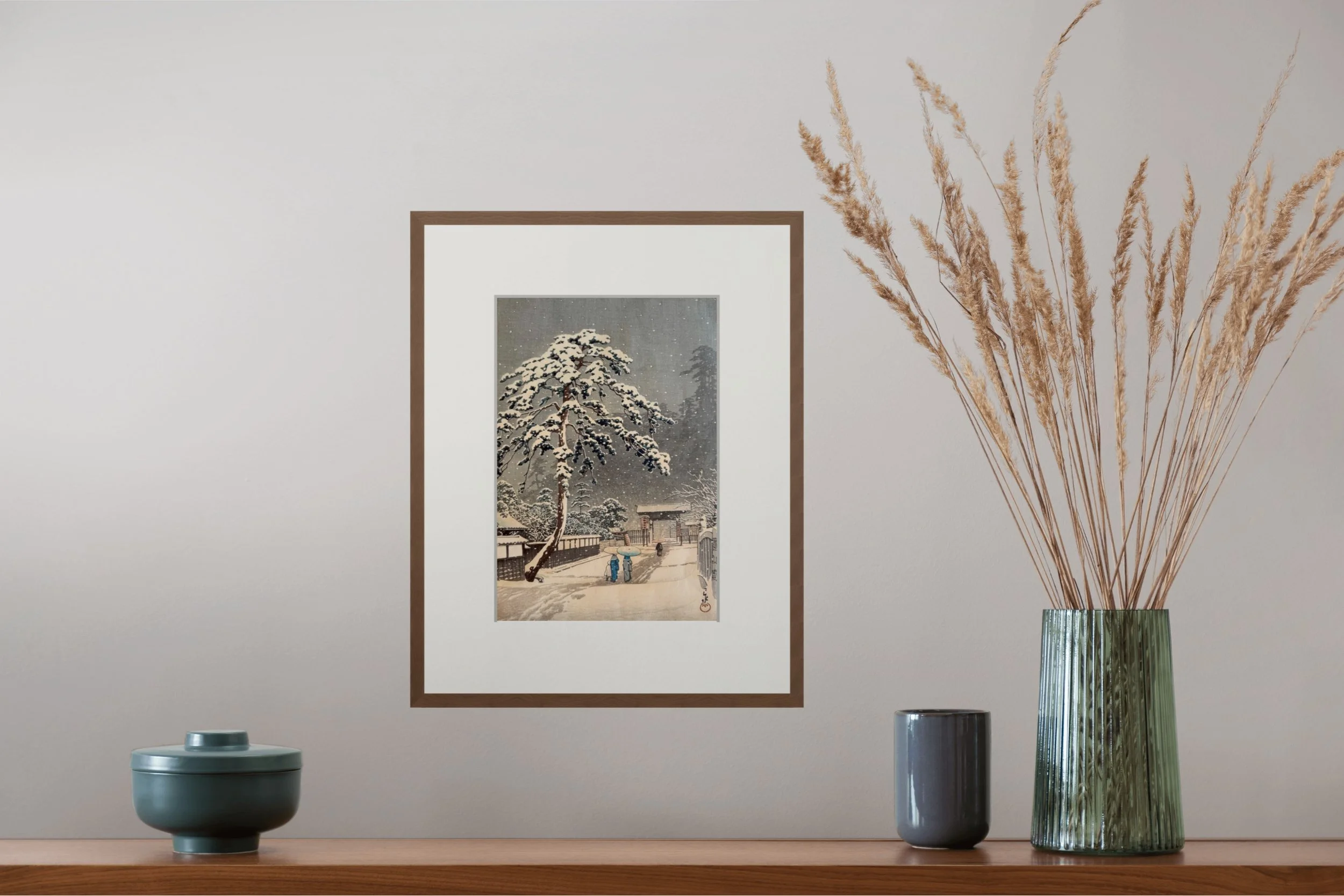
A quiet snowfall.
Morning mist rising over water.
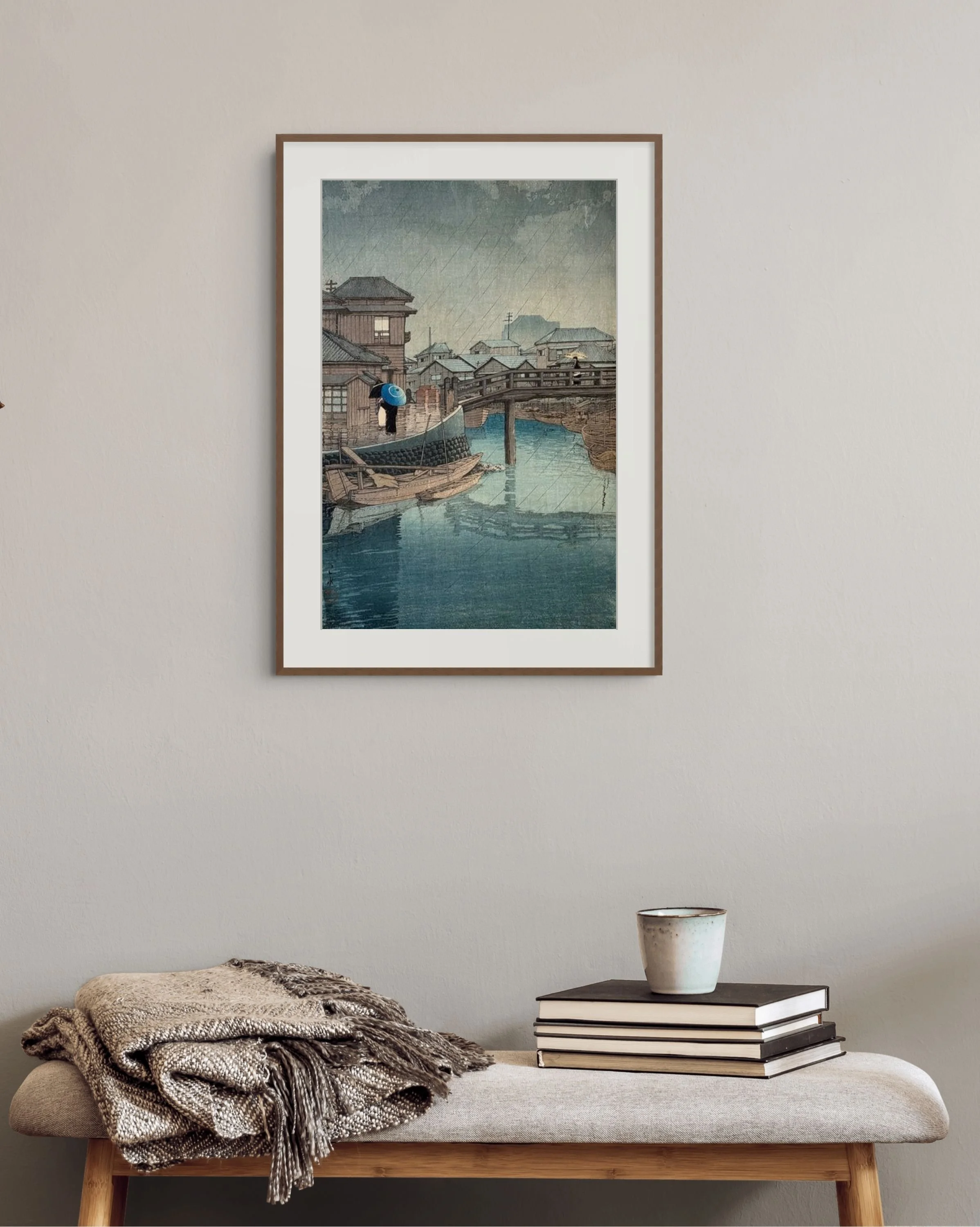
The soundless rhythm of rain crossing a harbor.
The final light of evening settling over an empty street.
Through scenes that many people might have walked past without a second glance, Hasui revealed a remarkable truth: beauty is often waiting patiently for our attention.
Born in Tokyo in 1883, Hasui came of age during one of the most transformative periods in Japanese history. The country was modernizing rapidly. Railroads expanded. Cities grew. Western artistic ideas entered Japan while traditional crafts faced an uncertain future.
Woodblock printing, once among Japan's most celebrated artistic traditions, had begun to decline. Photography was changing how people recorded the world. Lithography and modern printing methods were replacing centuries-old techniques. Many believed the great age of Japanese prints had passed.
Instead, something remarkable happened.
Rather than abandoning tradition, a new generation of artists and publishers reimagined it.
The movement became known as shin-hanga, or "new prints."
It honored the extraordinary craftsmanship of earlier Japanese woodblock printing while embracing a distinctly modern sensitivity to light, atmosphere, weather, and everyday life.
Hasui would become its greatest landscape artist.
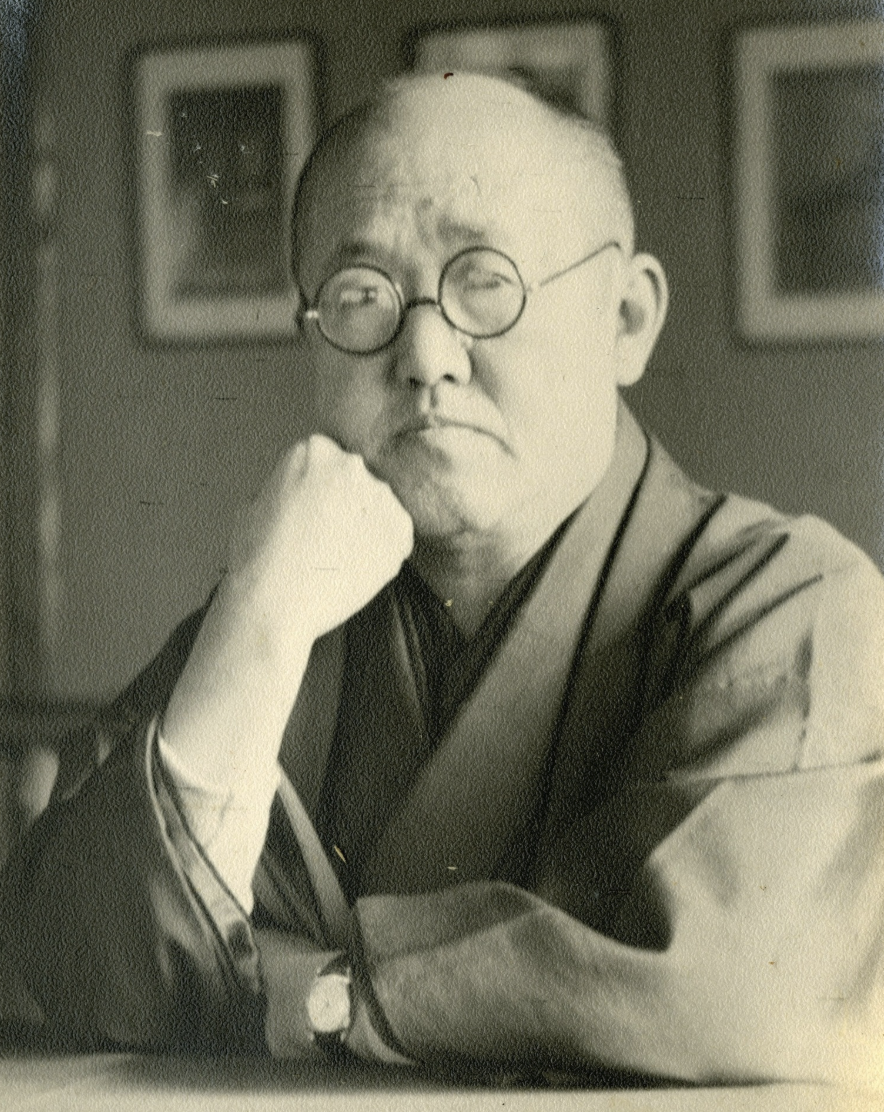
Shortly before his death in 1957, Hasui was honored as a Living National Treasure, recognizing his extraordinary contribution to the preservation of traditional Japanese woodblock printing.
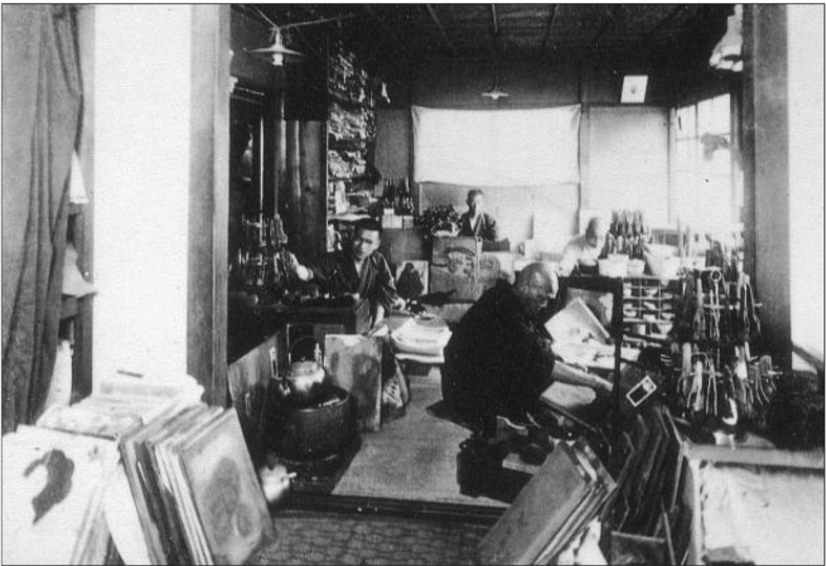
Unlike painters working alone in a studio, Hasui's prints were the result of an extraordinary collaboration. He created the original design, but bringing the image to life required the combined expertise of master carvers, printers, and publishers. Each impression represented the work of multiple highly skilled craftspeople, all devoted to achieving a single harmonious result.
At the center of this collaboration stood the visionary publisher Watanabe Shōzaburō, whose belief in Japanese printmaking helped revive the medium for a new generation of collectors around the world.
Together, Hasui and Watanabe created hundreds of prints that continue to captivate viewers more than a century later.
What makes them endure?
It is tempting to point first to the technical mastery.
The delicate gradations of color known as bokashi.
The precision of the carved lines.
The remarkable understanding of atmosphere.
All of these are extraordinary.
Yet technical excellence alone rarely explains why a work remains beloved across generations.
Hasui's deeper gift was his ability to paint not merely what a place looked like, but what it felt like to stand there.
His prints are filled with weather.
Not dramatic storms or theatrical sunsets.
Gentle rain.
Fresh snow.
Morning fog.
Evening light.
These are not simply visual effects. They shape how we experience the world.
Rain quiets a city.
Snow softens architecture.
Mist dissolves distance.
Evening light slows our pace.
Hasui understood these subtle transformations better than almost any landscape artist of the twentieth century.
Perhaps that is why his work feels surprisingly contemporary today.
In a culture that often rewards speed, noise, and constant novelty, his prints invite us toward something increasingly rare.
Attention.
To spend time with a Hasui print is to remember that beauty often asks very little from us except that we notice it.
It asks us to pause.
To look longer.
To recognize that ordinary moments, carefully observed, may become the ones we carry with us for a lifetime.
That may be Hasui's greatest legacy.
Not simply beautiful prints.
But a gentler way of seeing.
Looking Ahead
In our next essay, we'll explore the remarkable artistic movement that made Hasui's work possible. What exactly is shin-hanga, and why did this revival of Japanese woodblock printing become one of the twentieth century's greatest artistic achievements?