
The Magazine
Reflections on art, design, lifestyles, and cultural stewardship.
Explore
Learning to See:
Essays on art, beauty, observation, and the practice of paying attention.

Collecting & Living With Art:
Guidance for discovering, choosing, caring for, and building a meaningful collection.
Inside the Art World:
Practical conversations about galleries, collecting, artists, and the people who bring art into our lives.
This Week in Art, Design & Culture:
Christina Stefani's weekly perspective on the ideas, exhibitions, objects, places, and cultural developments worth noticing.


Latest from the Magazine
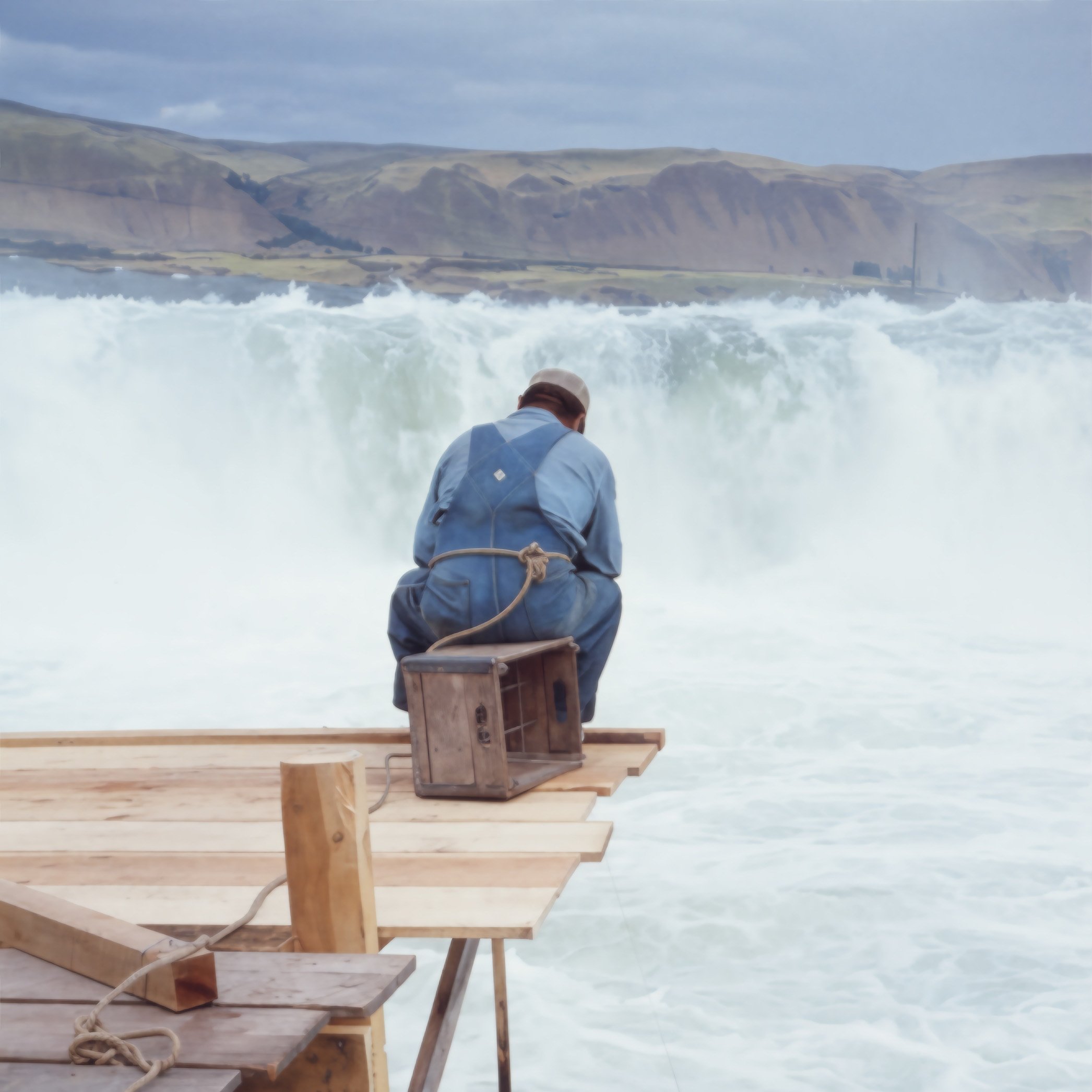
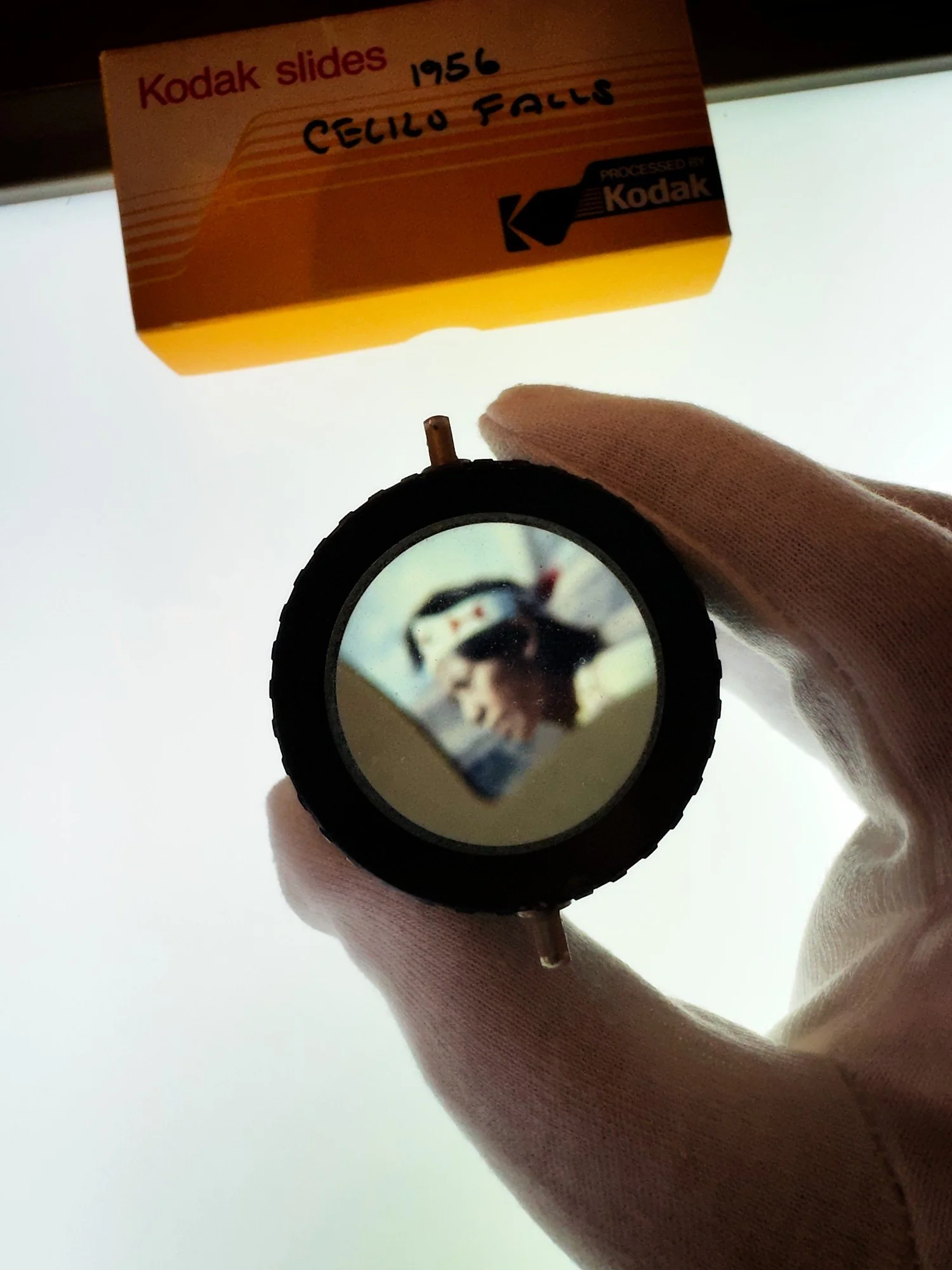
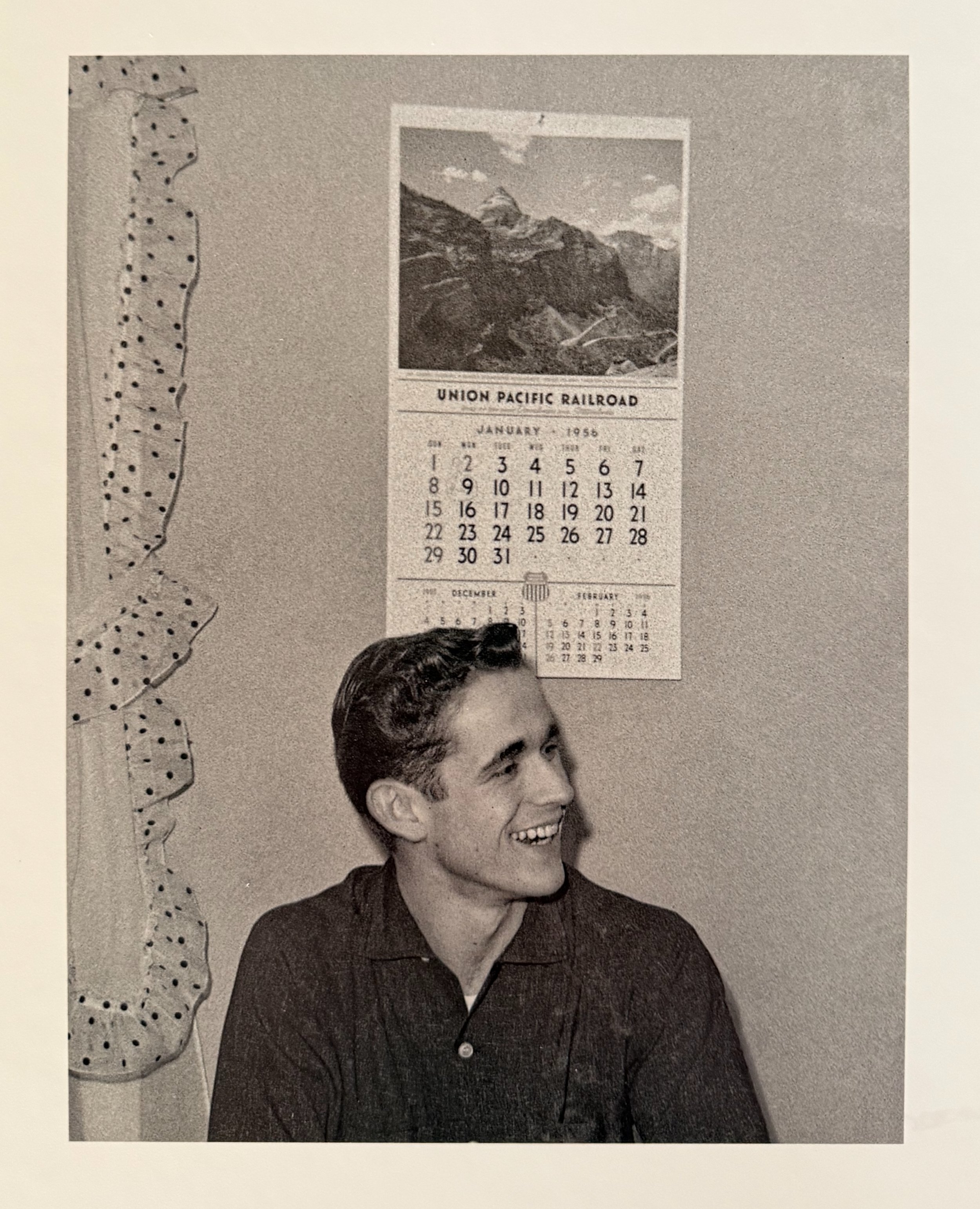
Before the Water Rose: Celilo Falls
For millennia, the falls and the surrounding stretch of the Columbia were an important Indigenous fishery and gathering place. People traveled there to fish, trade, gather, and maintain relationships that extended across a vast region. The geography of the river created extraordinarily productive fishing sites, and generations of knowledge were embedded in how people worked within its powerful current.
In Richard's photographs, that history isn't abstract.
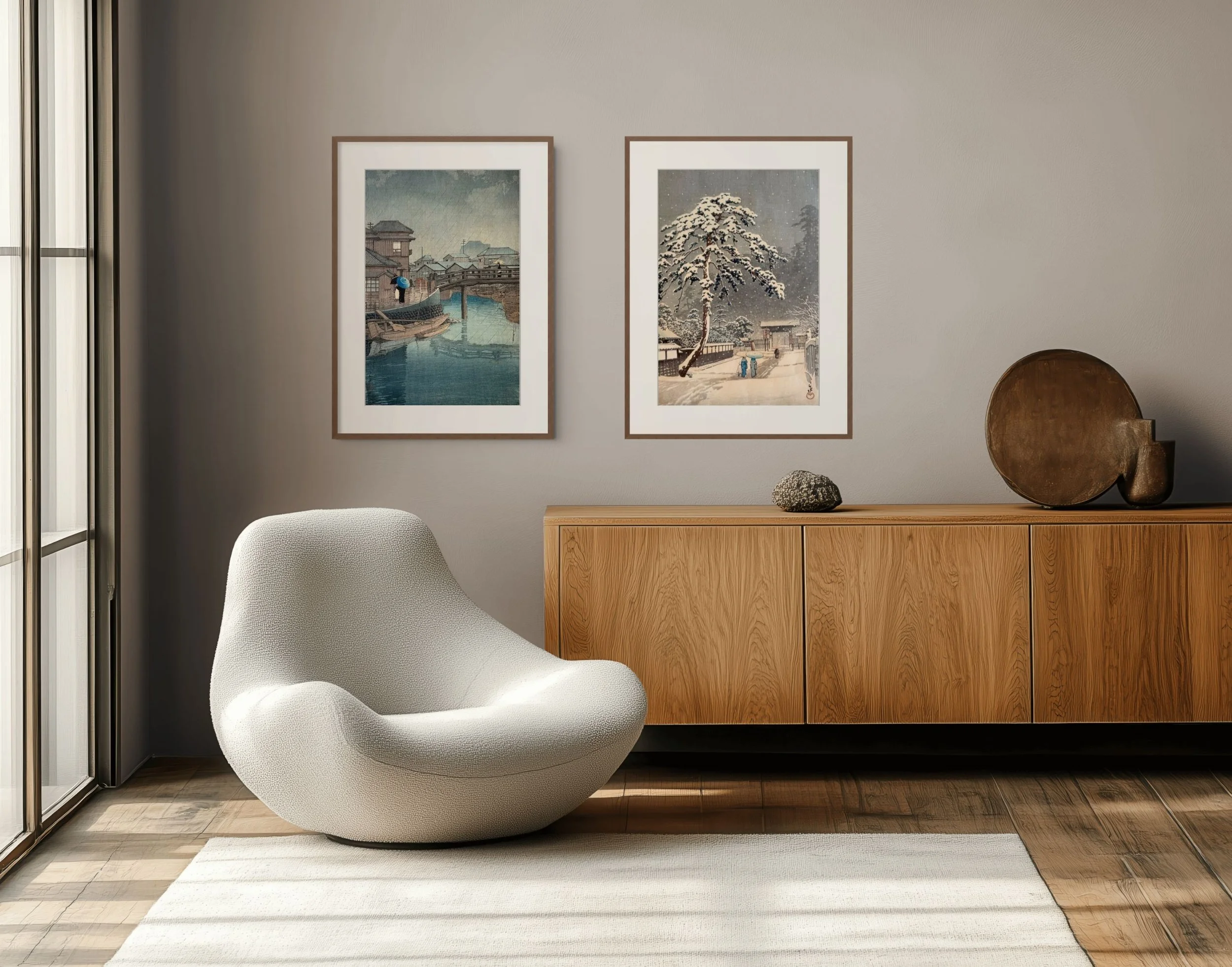
How Learning to See Becomes Learning to Collect
People often ask how to begin collecting art. They expect practical advice. What should I buy? Which artists are a good investment? How do I know if something is authentic? Those are worthwhile questions. But they are not the first questions.
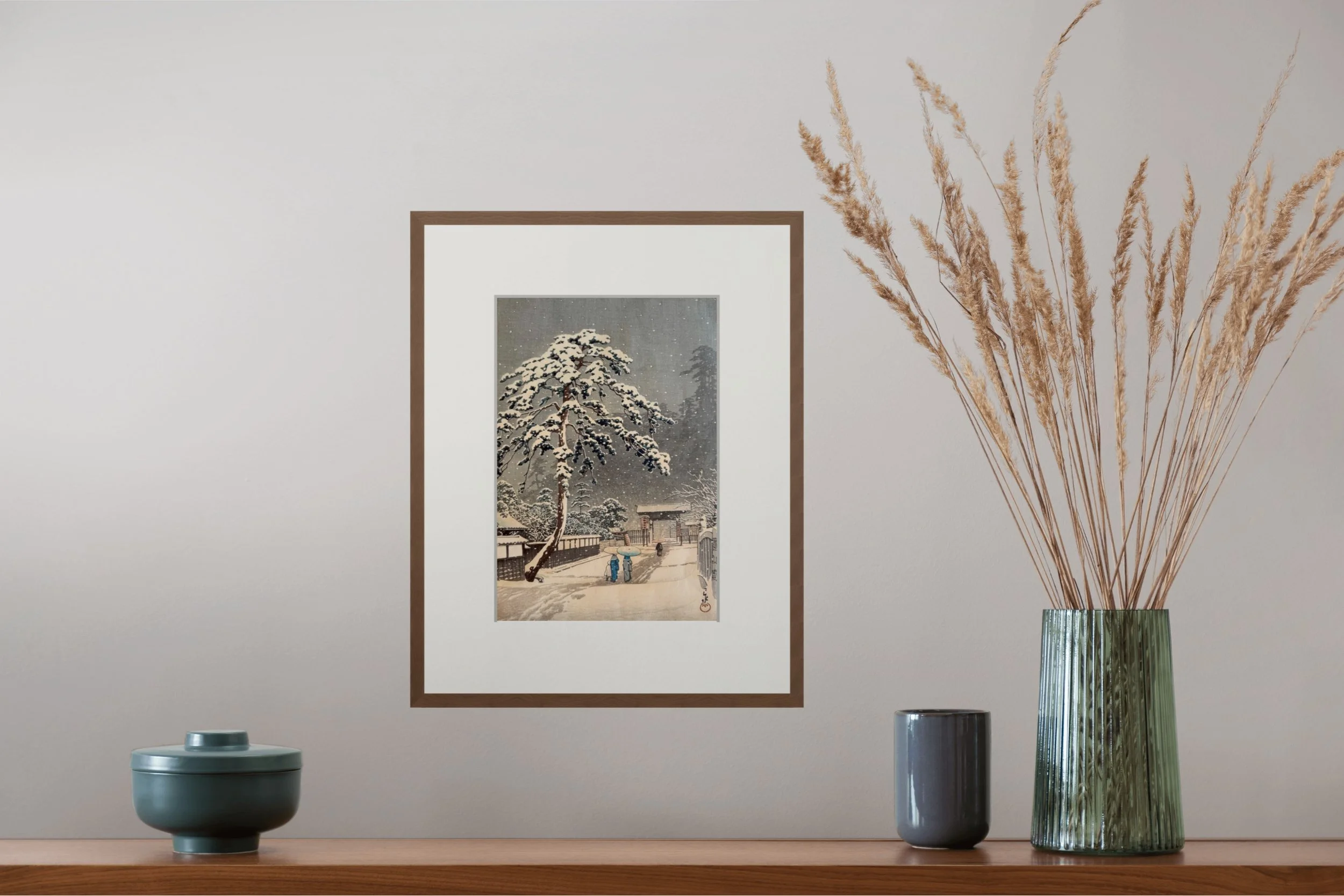
Snow at Honmonji Temple
"Snow does not erase the world. It reveals what was always essential." There is a curious thing that happens after a snowfall.The world becomes quieter. Not only because snow absorbs sound, though it does. It is quieter because our attention changes. We walk more slowly. We notice footprints. We hear our own breathing.
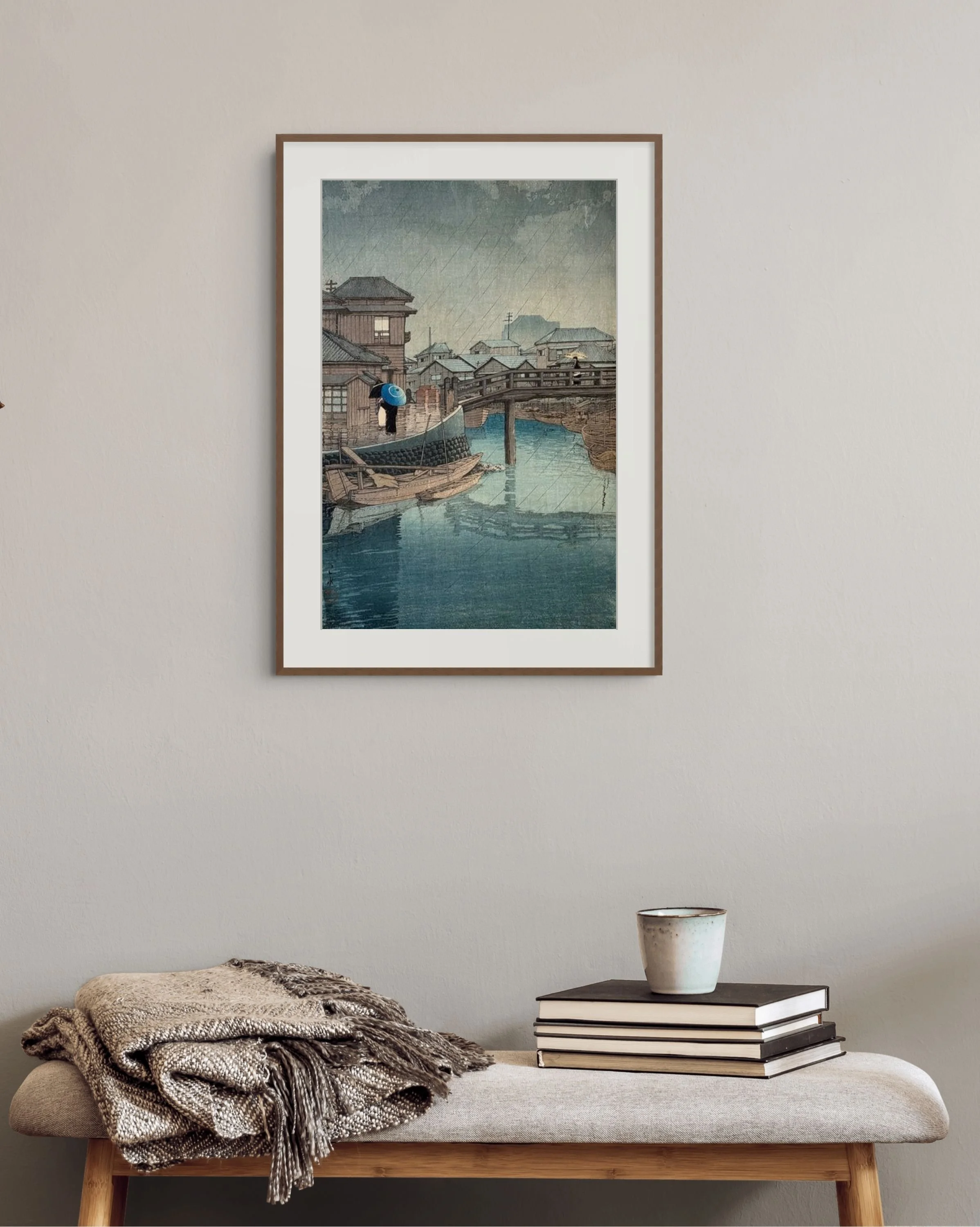
Rain at Shinagawa
There is a temptation in museums and galleries to ask: "What does this picture mean?"
Sometimes a better question is: "What does this picture help me notice?"
AI, Art and Transparency: Why Knowing How an Image Was Made Matters More Than Ever
Something important changed in Europe this month. On August 2, new transparency provisions of the European Union's AI Act began applying, including requirements surrounding certain AI-generated and manipulated content. For those of us working in art, design, publishing, galleries, and other creative fields, this deserves attention.
What Is Shin-hanga?
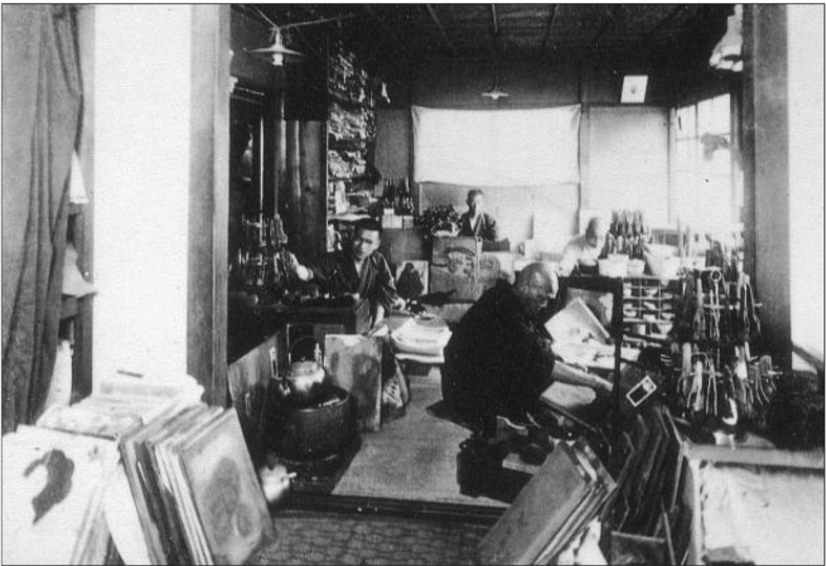
In an age that prizes speed and individual recognition, shin-hanga reminds us that enduring work often emerges through patience, discipline, and trust between people devoted to a common purpose. By the early 1900s, many believed the great age of Japanese printmaking had passed. One publisher disagreed. His name was Watanabe Shōzaburō.
Who Was Kawase Hasui?
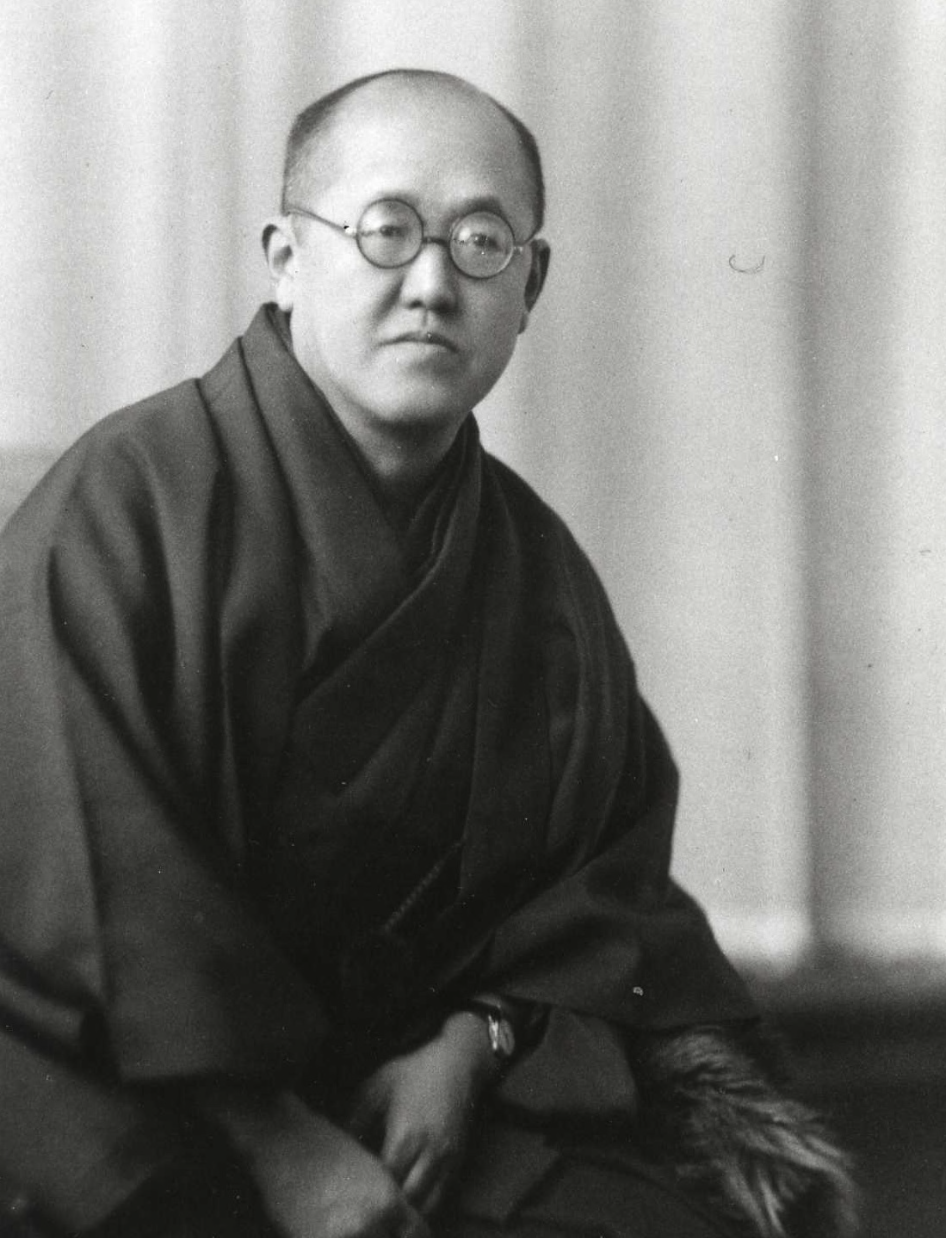
Some artists paint places. Others paint moments. Kawase Hasui painted the feeling of being there. There are artists whose work announces itself immediately. Their paintings are dramatic. Their personalities are larger than life. Their names become inseparable from the movements they helped define. Kawase Hasui was different.
Why Do Some Works of Art Stay With Us for a Lifetime?
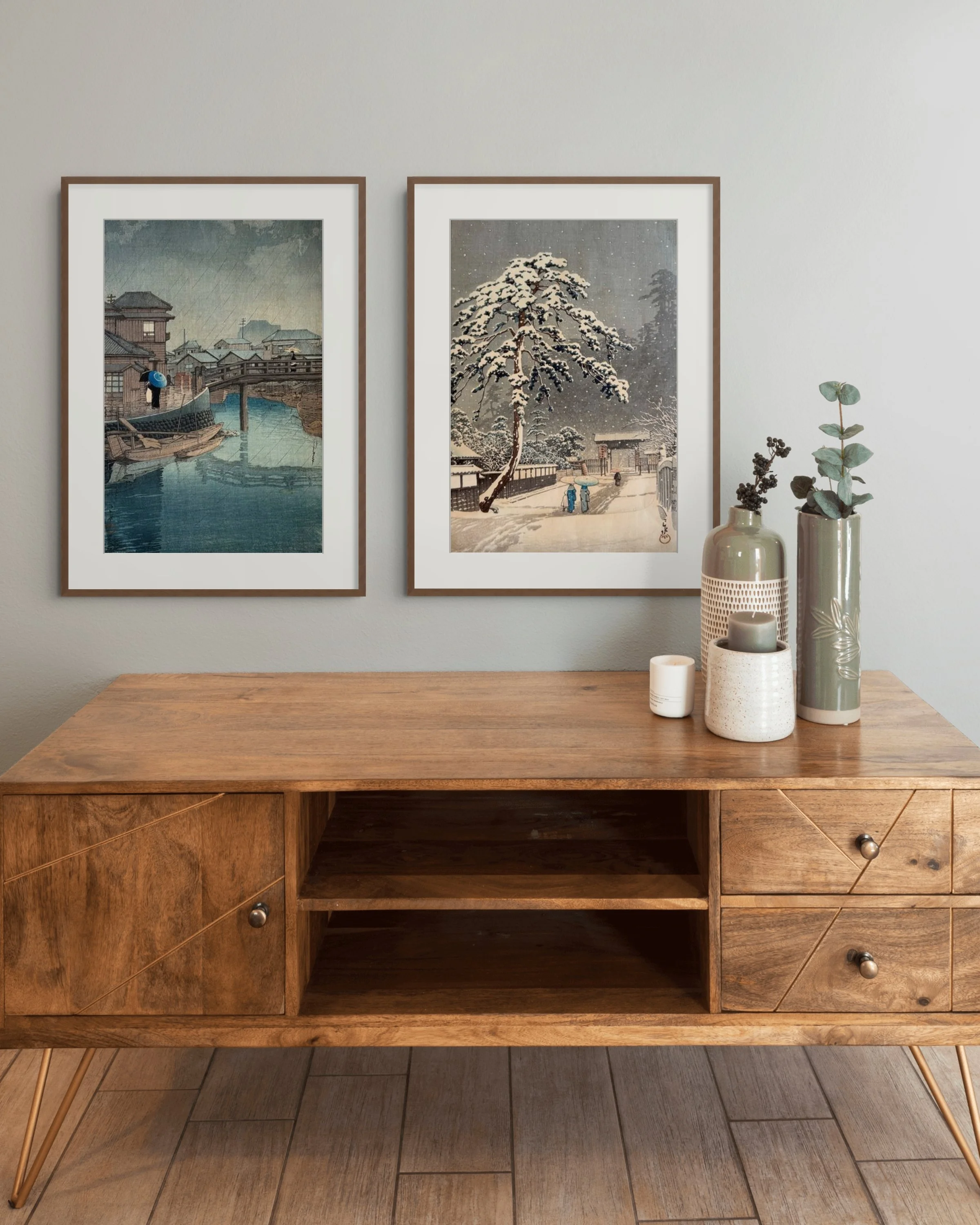
Learning to appreciate art is much like learning to appreciate music or literature. The more carefully we observe, the more we begin to notice relationships that were always present but easily overlooked. Light reflected in still water. The rhythm of repeating forms. The quiet balance between color and space. The subtle emotional effect of a single figure walking beneath an umbrella.…
This Week in Art, Design, and Culture: July 25, 2026
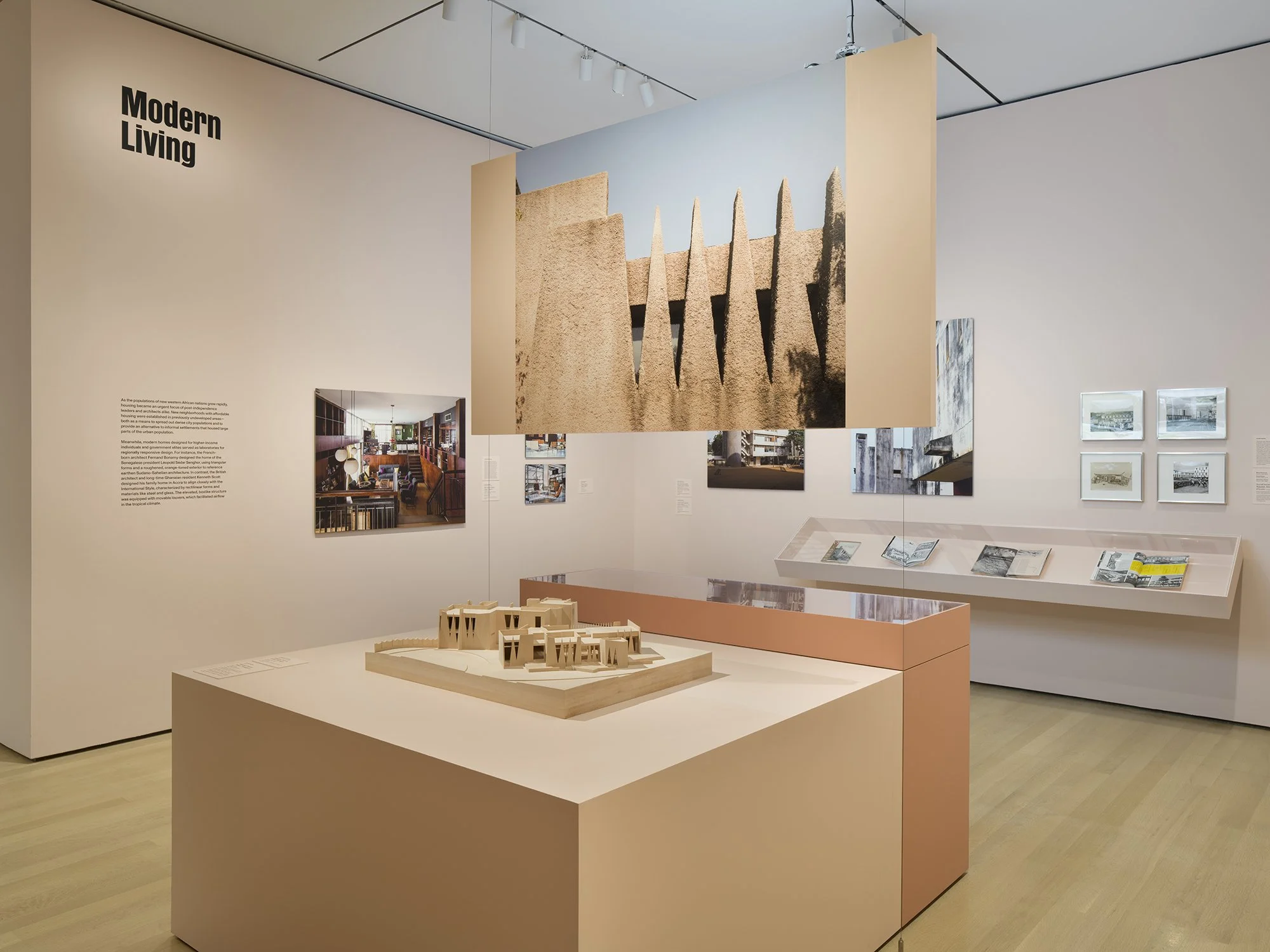
This week in art, design, and culture, the world felt more selective than speculative. Auction houses reported stronger results, but the real story is quality: collectors are looking for works and objects with provenance, beauty, and staying power.
Why Some Galleries Request Geographic Exclusivity (And How It Can Benefit Artists)
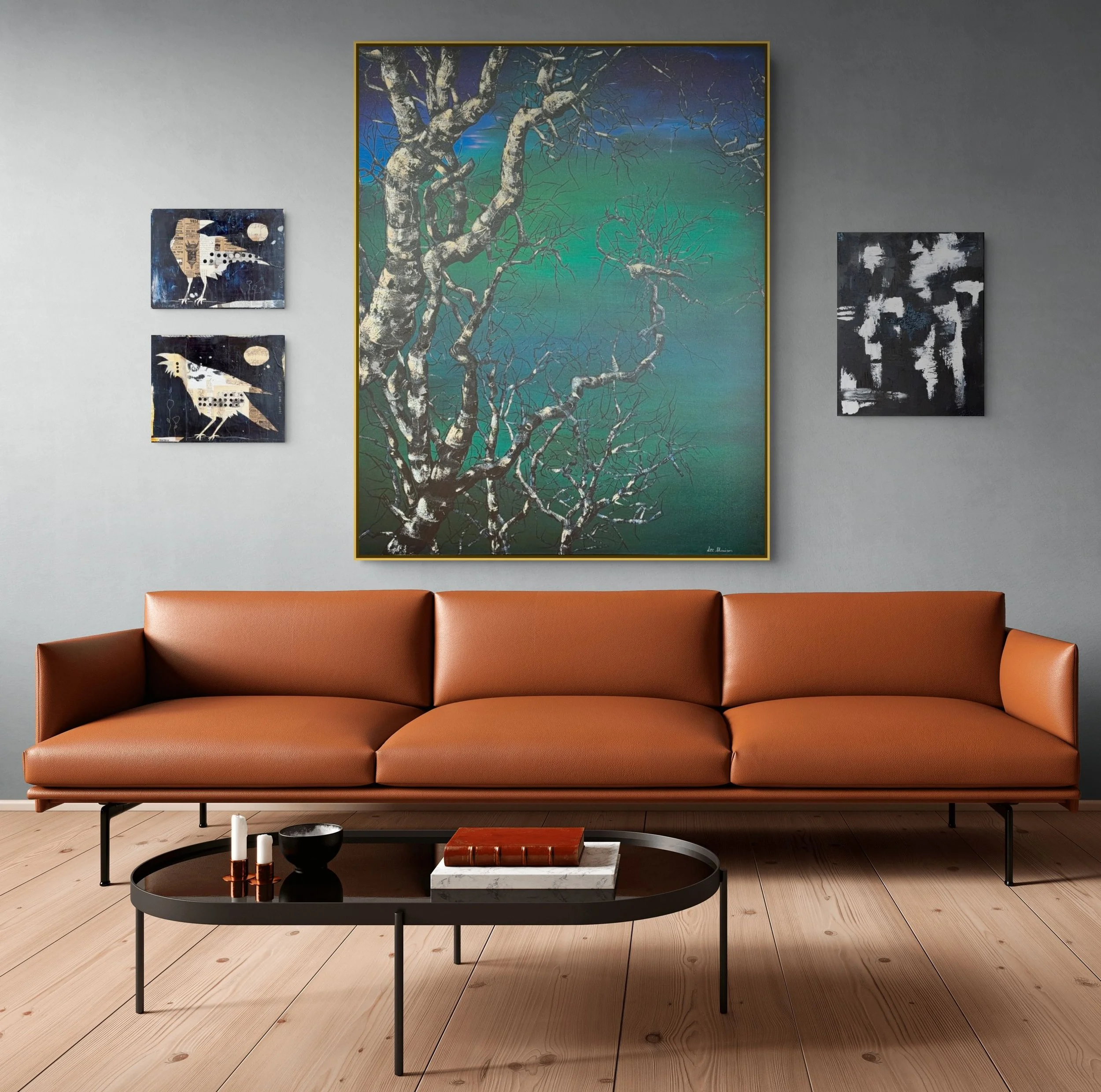
One of the first questions many artists ask when reviewing a gallery agreement is: "Why do you require exclusivity?" It's a fair question. After all, artists want opportunities. They want to exhibit their work, build relationships, and reach as many collectors as possible. At first glance, limiting where artwork can be shown may seem counterintuitive or even restrictive. Like many aspects of the art world, the answer is more nuanced than it first appears.
Behind the Scenes of Every Exhibition: An Inside Look at Art Gallery Preparations
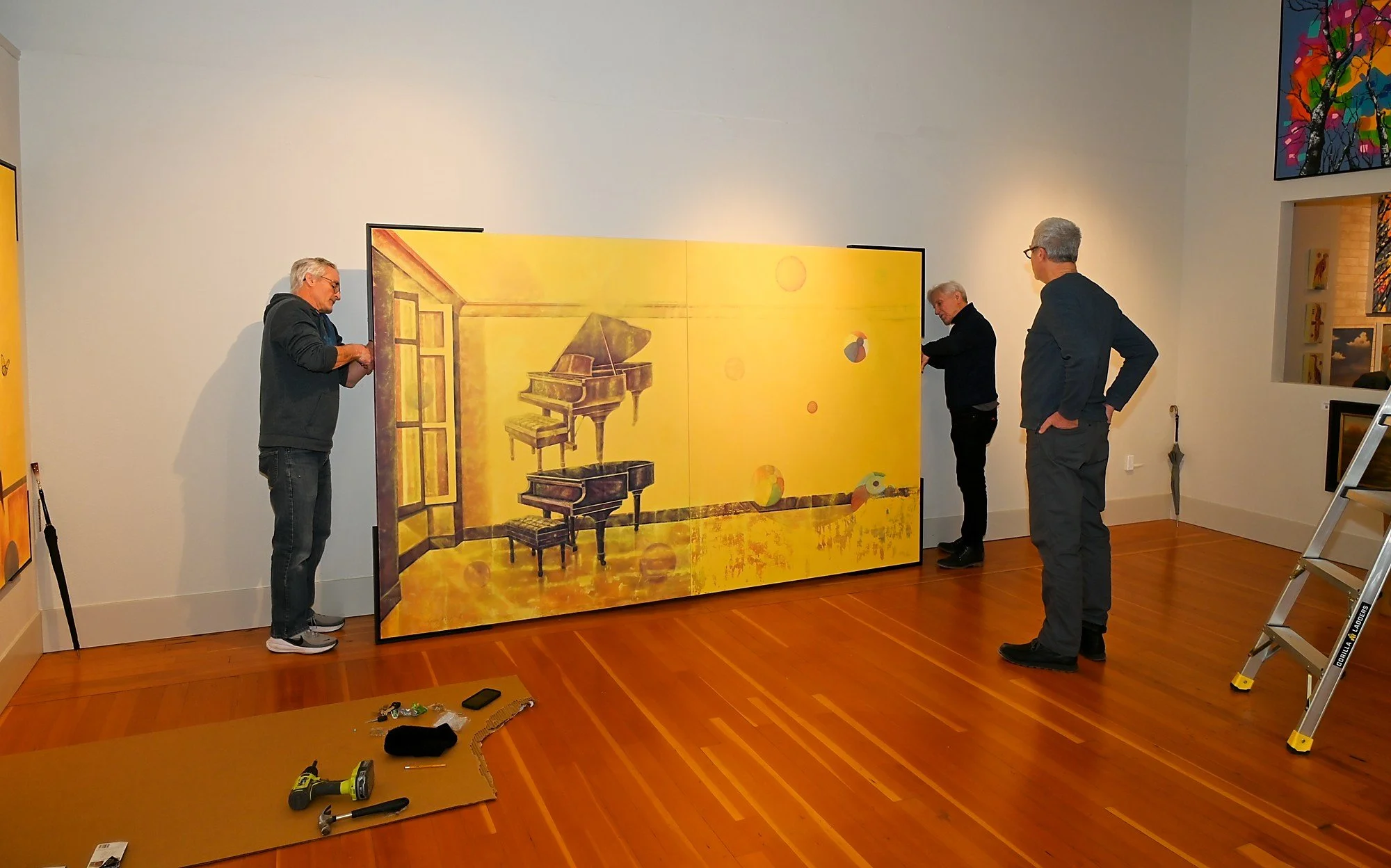
One of the greatest compliments we receive is when a visitor says, "Everything looks so effortless." The truth is that thoughtful exhibitions are anything but effortless. Long before an opening reception, and long after the last guest leaves, countless hours of work go into presenting artwork professionally and creating opportunities for artists and collectors to connect.
What Does an Art Gallery Actually Do?
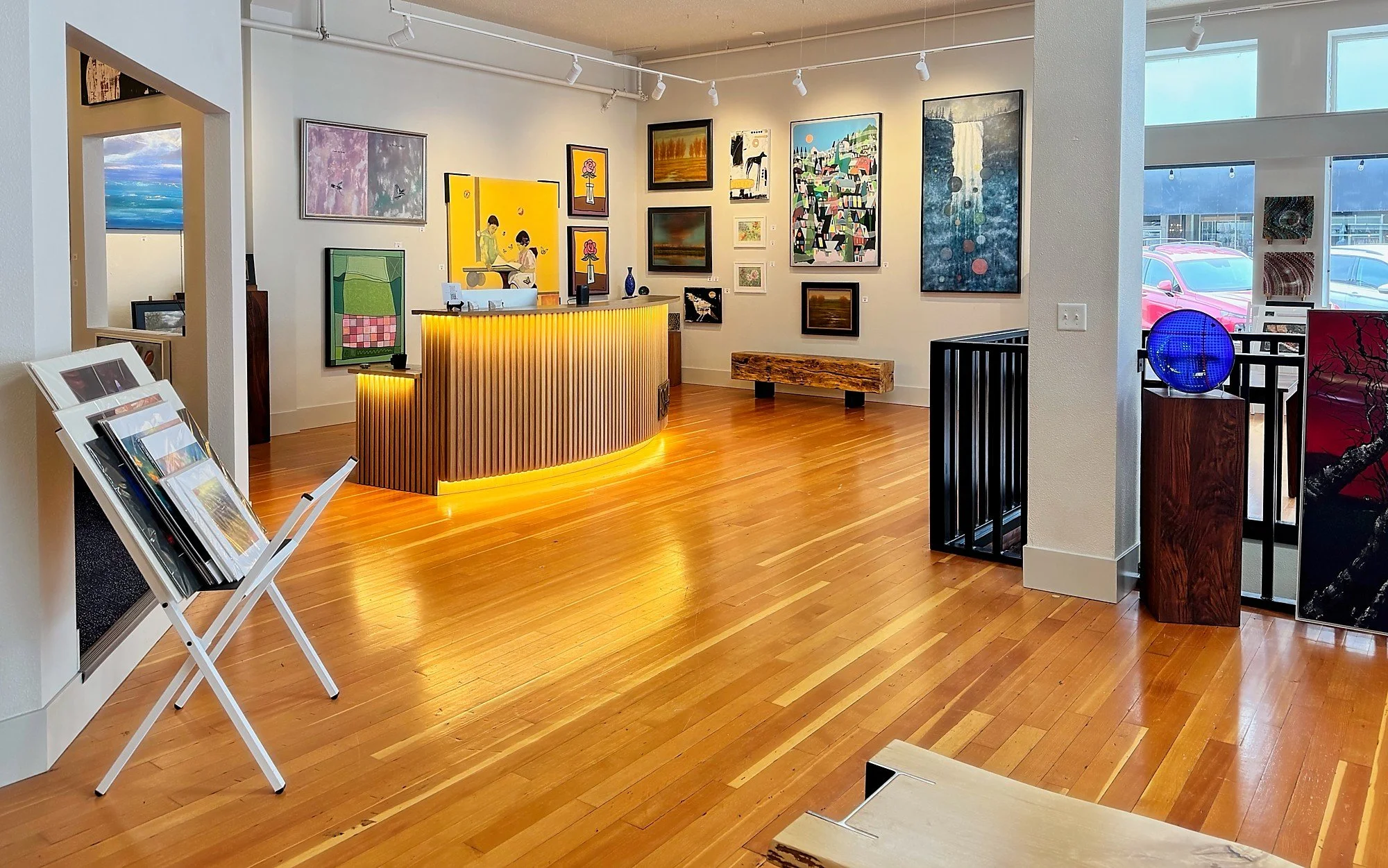
Artists sometimes wonder why galleries take a percentage of a sale. Collectors occasionally assume galleries simply provide wall space. People outside the art world may imagine that a gallery's role begins and ends with hanging artwork and waiting for buyers to walk through the door. The reality is far more complex.
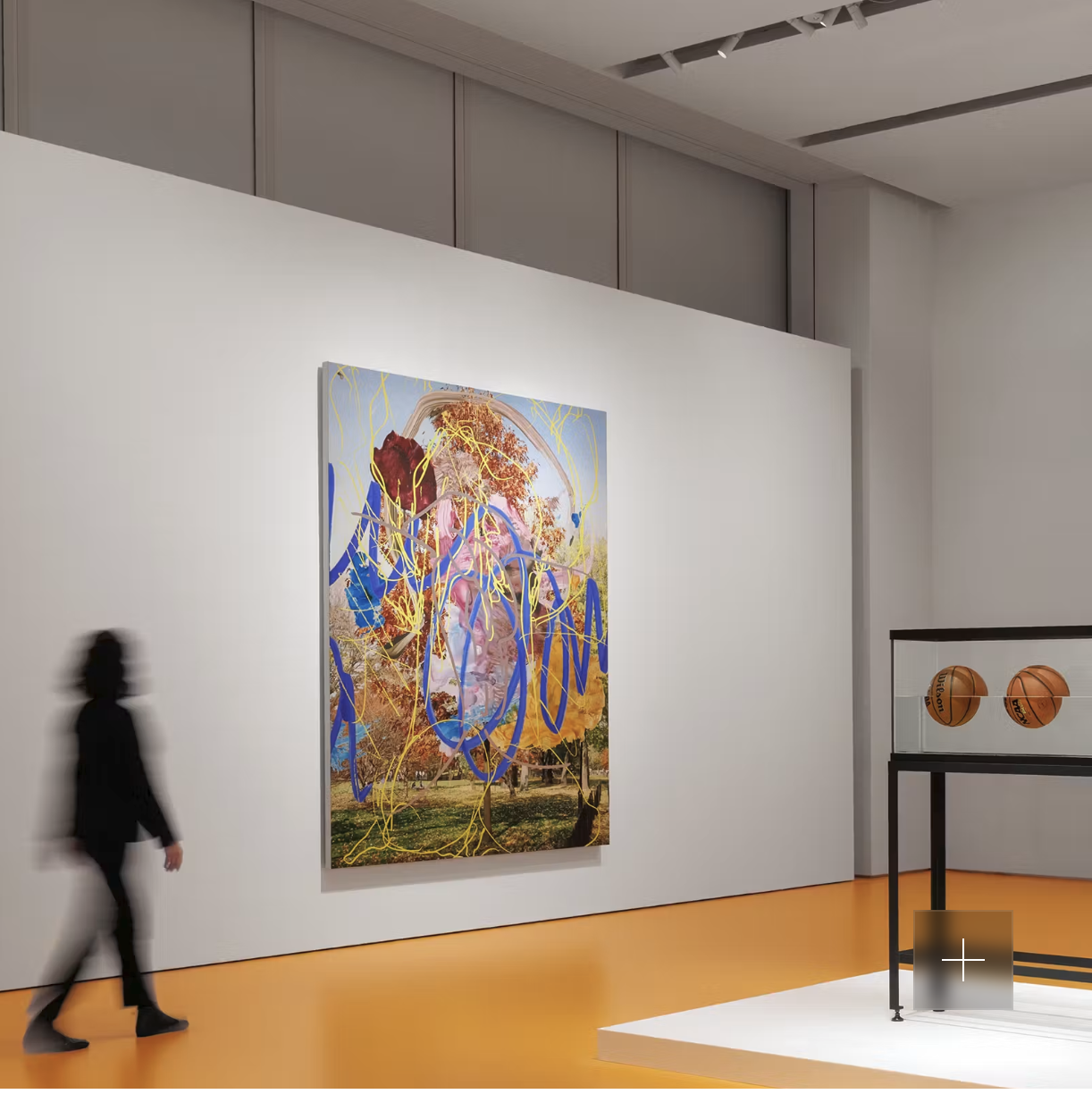
This Week in Art, Design, and Culture: July 18, 2026
This week, the art and design world felt both glamorous and serious: major fairs reported strength, museums opened ambitious exhibitions, luxury houses leaned further into cultural patronage, and provenance remained impossible to ignore.
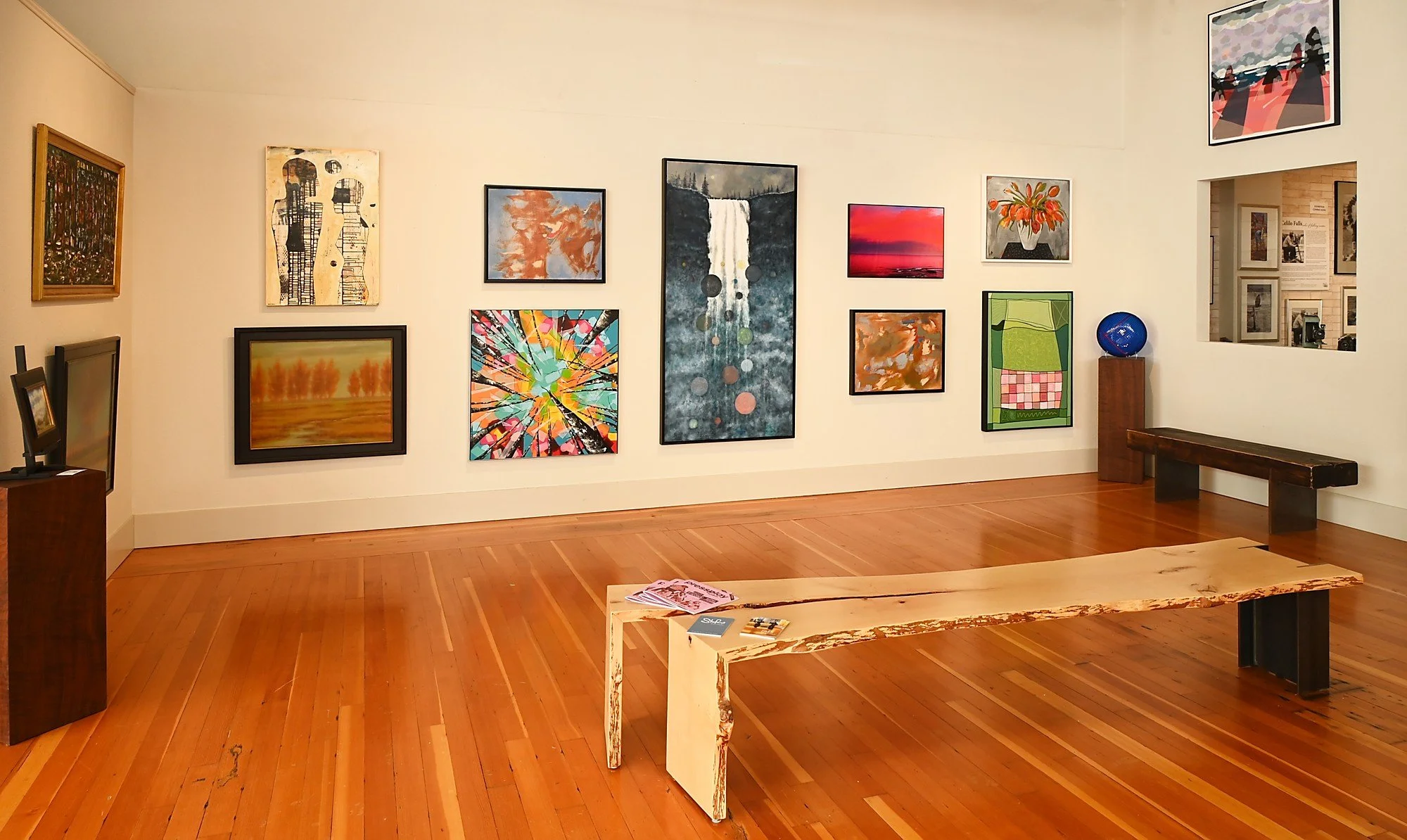
Why Art Galleries Still Matter in the Digital Age
Technology has transformed the art market in remarkable ways. Artists can share their work with global audiences instantly. Collectors can discover new artists from anywhere in the world. Entire collections can be viewed from a phone or laptop. These changes have created exciting opportunities for artists and collectors alike. Despite all this innovation, galleries continue to play an important role in the art ecosystem. In some ways, their role has become more important than ever.

This Week in Art, Design, and Culture: July 4, 2026
The week belongs to connoisseurship with context. The most compelling cultural objects right now are not just expensive or beautiful; they arrive with place, provenance, touch, memory, and a reason to gather around them.
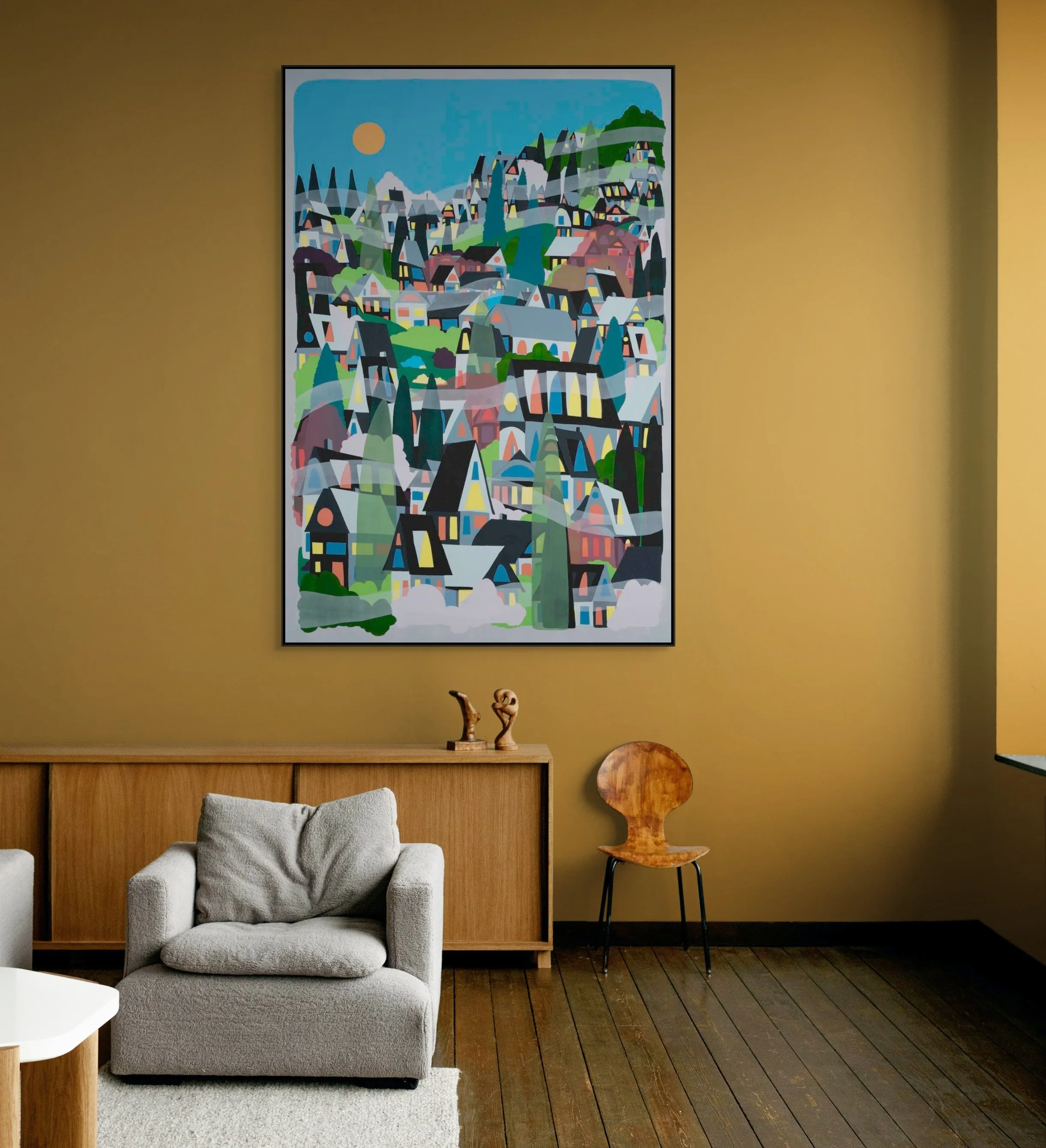
Why Living With Original Art Is Different Than Looking At It
People rarely regret buying a piece of art they truly connect with. What they remember is how the artwork made them feel. They remember where it hung. They remember the conversations it sparked. They remember how their relationship with the piece evolved over time.
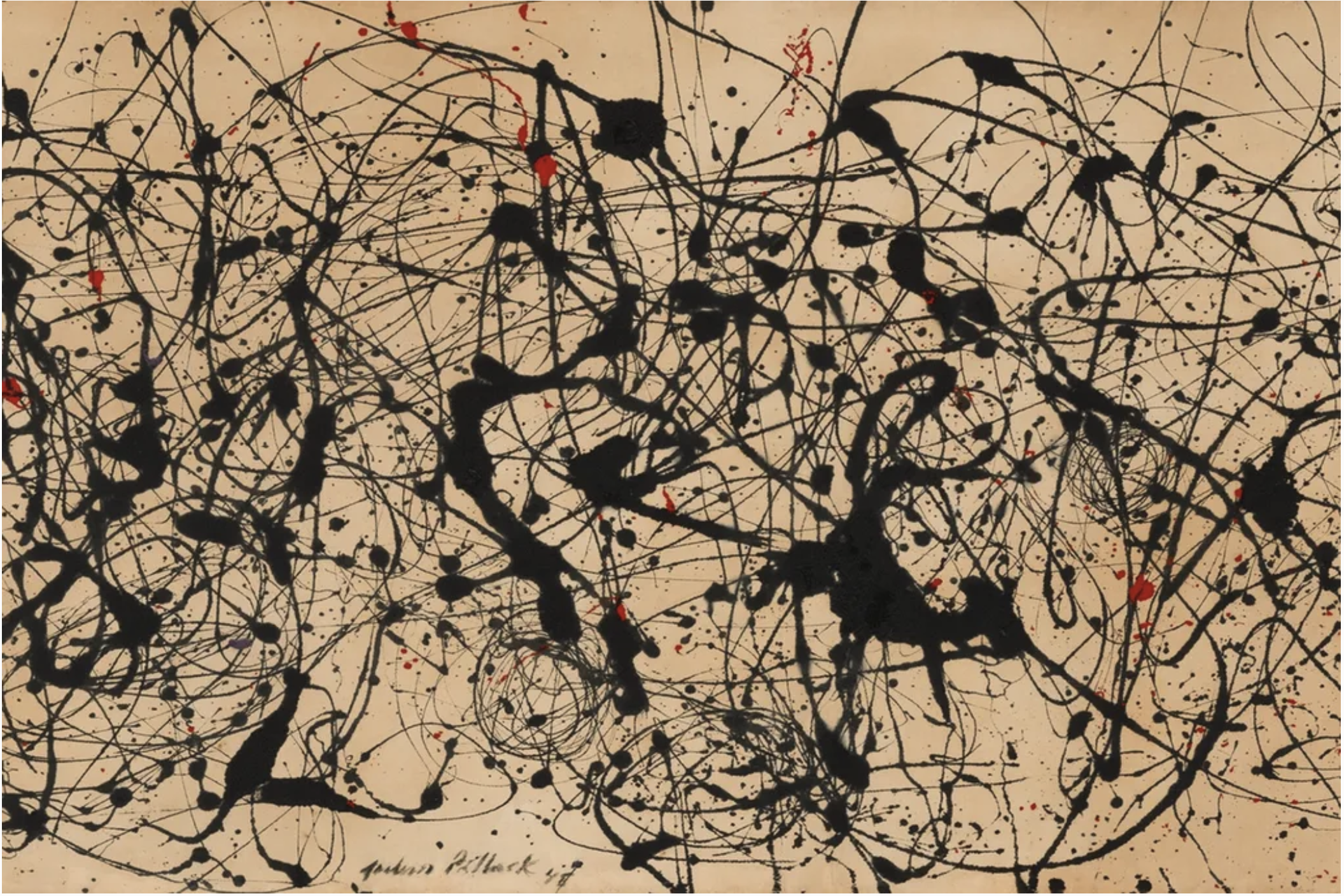
The Art World This Week: June 20, 2026
This week’s art world is not about volume; it is about discernment. The strongest signal is a return to seriousness: museum-grade works, emotionally resonant exhibitions, provenance-aware collecting, and cultural experiences that reward presence.
The Art World This Week: June 13, 2026
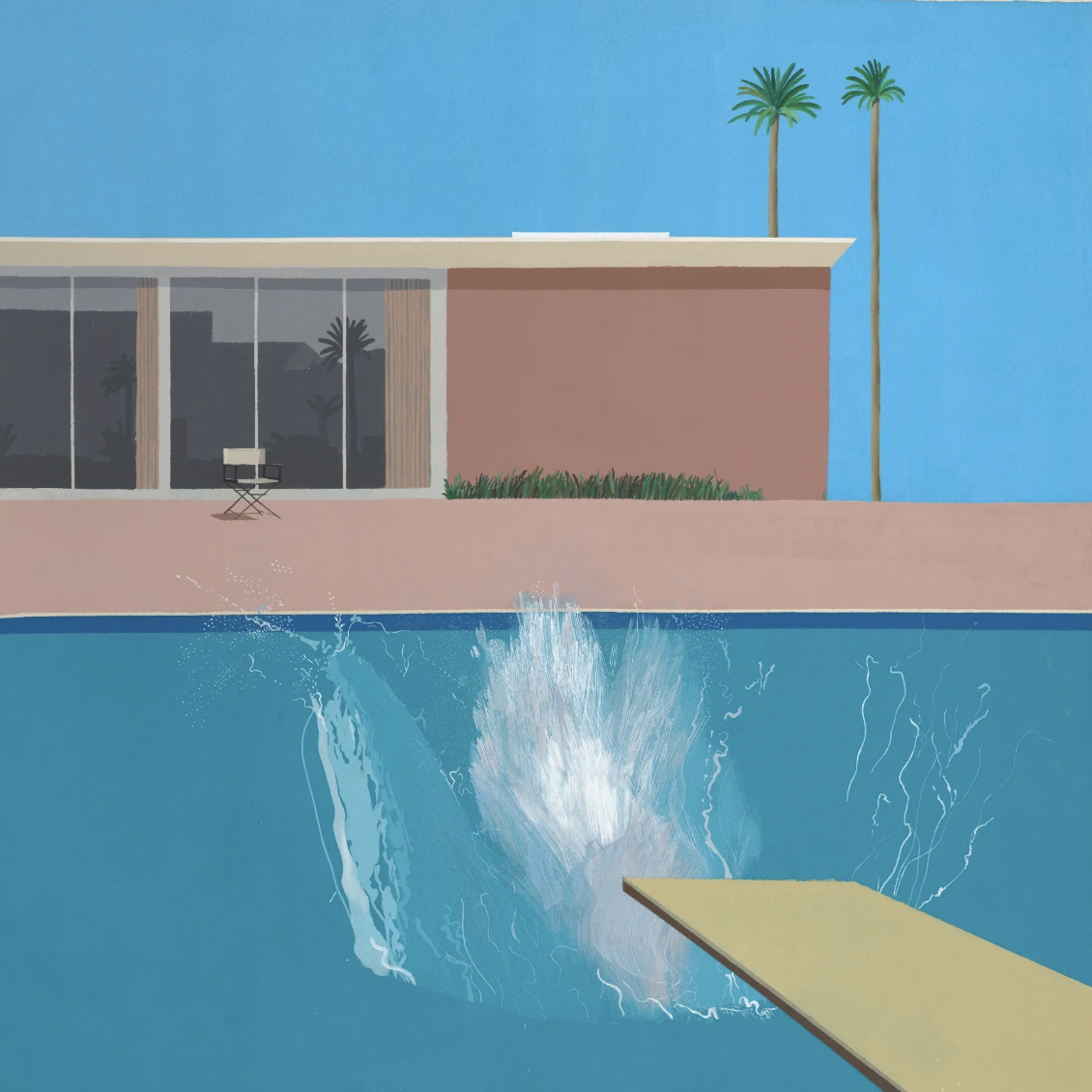
This was a week where the art world felt both elegiac and recalibrating: the loss of two major image-makers, David Hockney and Duane Michals; a serious test of the mega-gallery model; and a renewed push to make in-person discovery feel rare again.
The Enduring Power of Abstract Expressionism and the Art of Transformation
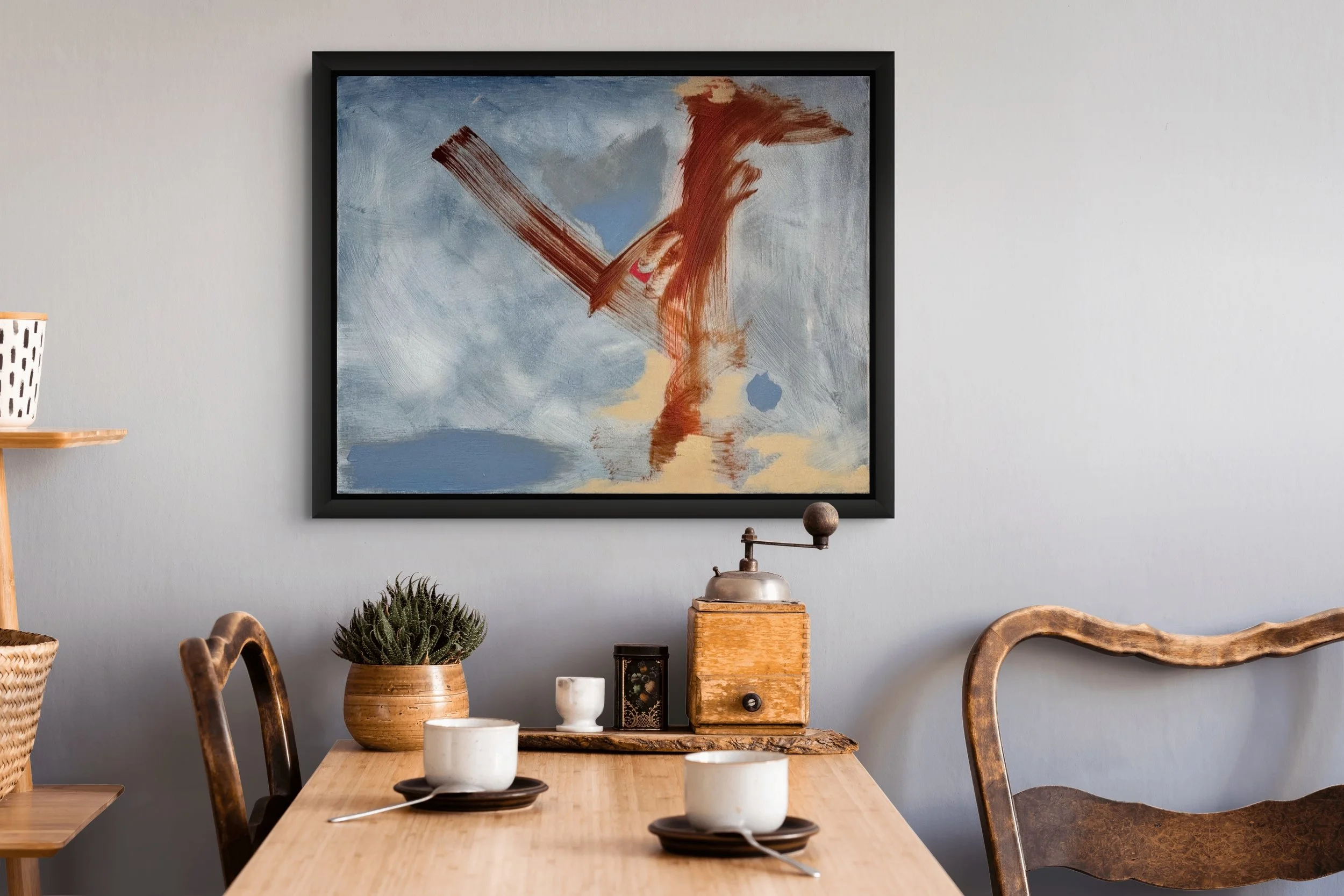
Every few years, the art world seems to rediscover Abstract Expressionism. Collectors start talking about it again. Major auction results make headlines. A Franz Kline painting appears at auction, drawing renewed attention. Yet for many, the movement remains a bit mysterious. What exactly makes a canvas full of gestures, color, texture, and movement so compelling?
Familiar Forms, Unsettled Truths: Joshua Blue and the Language of Everyday Life
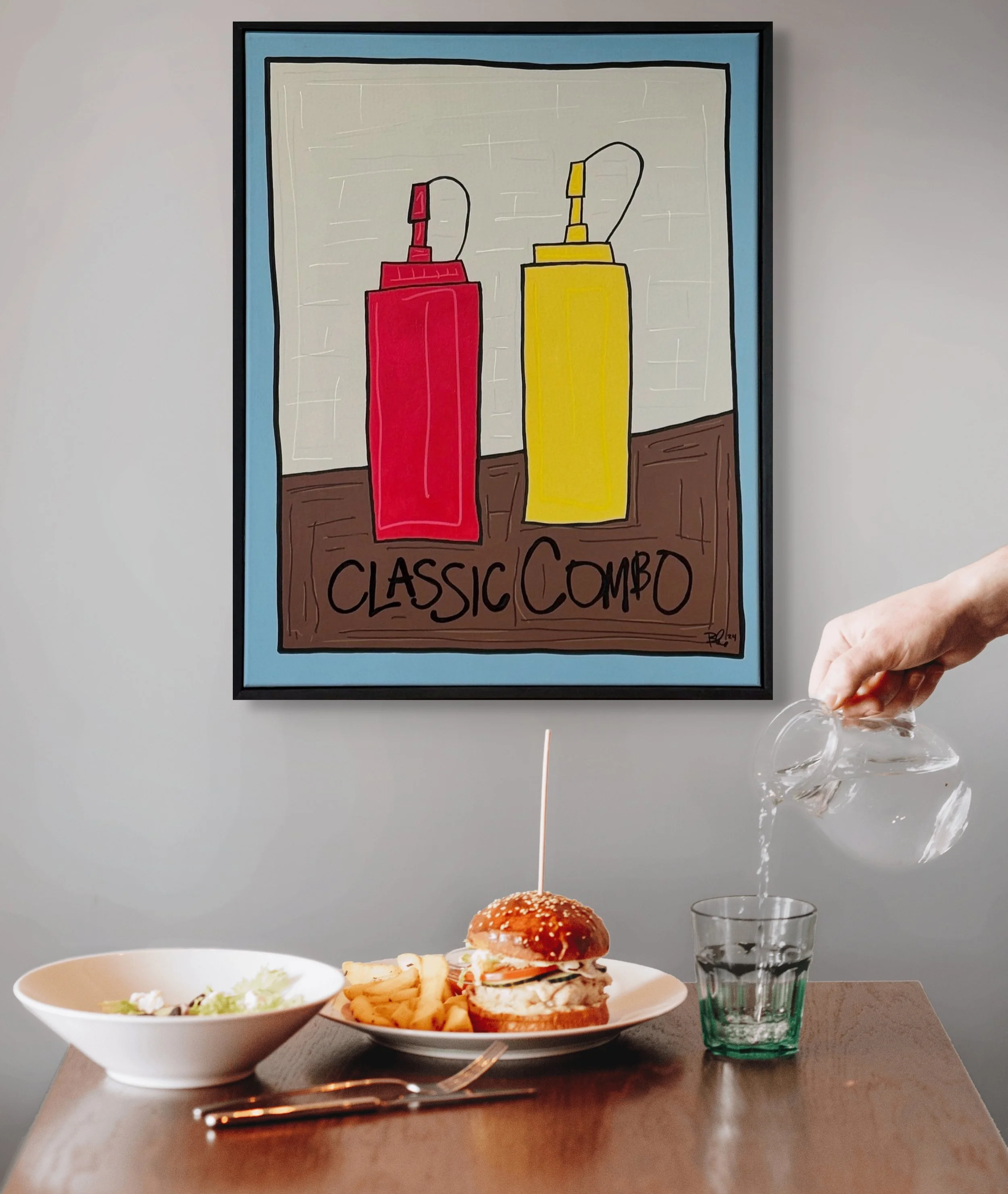
In a contemporary landscape saturated with images, clarity has become increasingly rare. Much of today’s visual culture leans toward either hyper-conceptual opacity or surface-level immediacy, leaving little room for work that feels both accessible and intellectually grounded. It is within this space that Joshua Blue’s practice emerges with quiet conviction.