Why Art Galleries Still Matter in the Digital Age
Inside the Art World
Practical conversations about galleries, collecting, artists, and the people who bring art into our lives.
By Christina Stefani
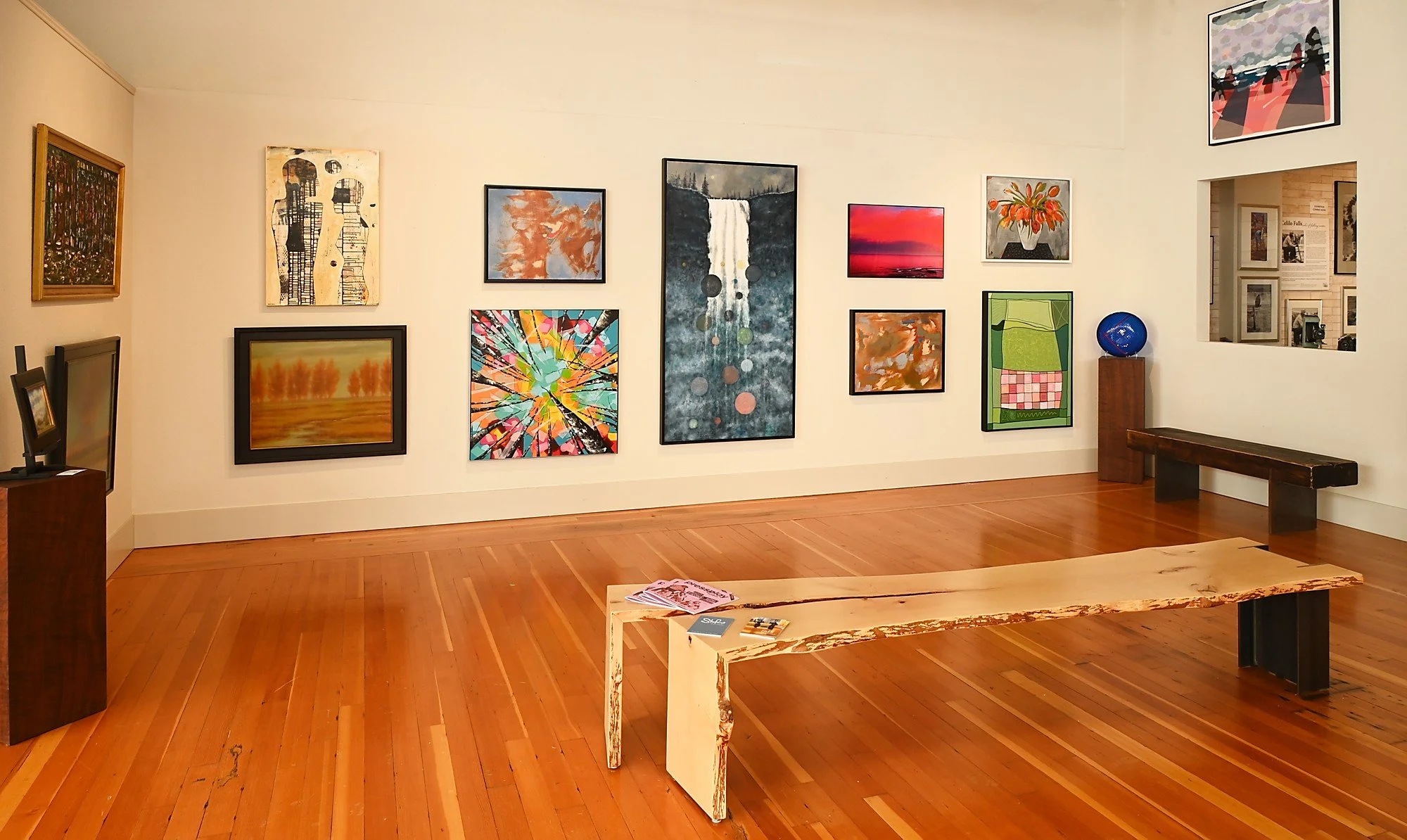
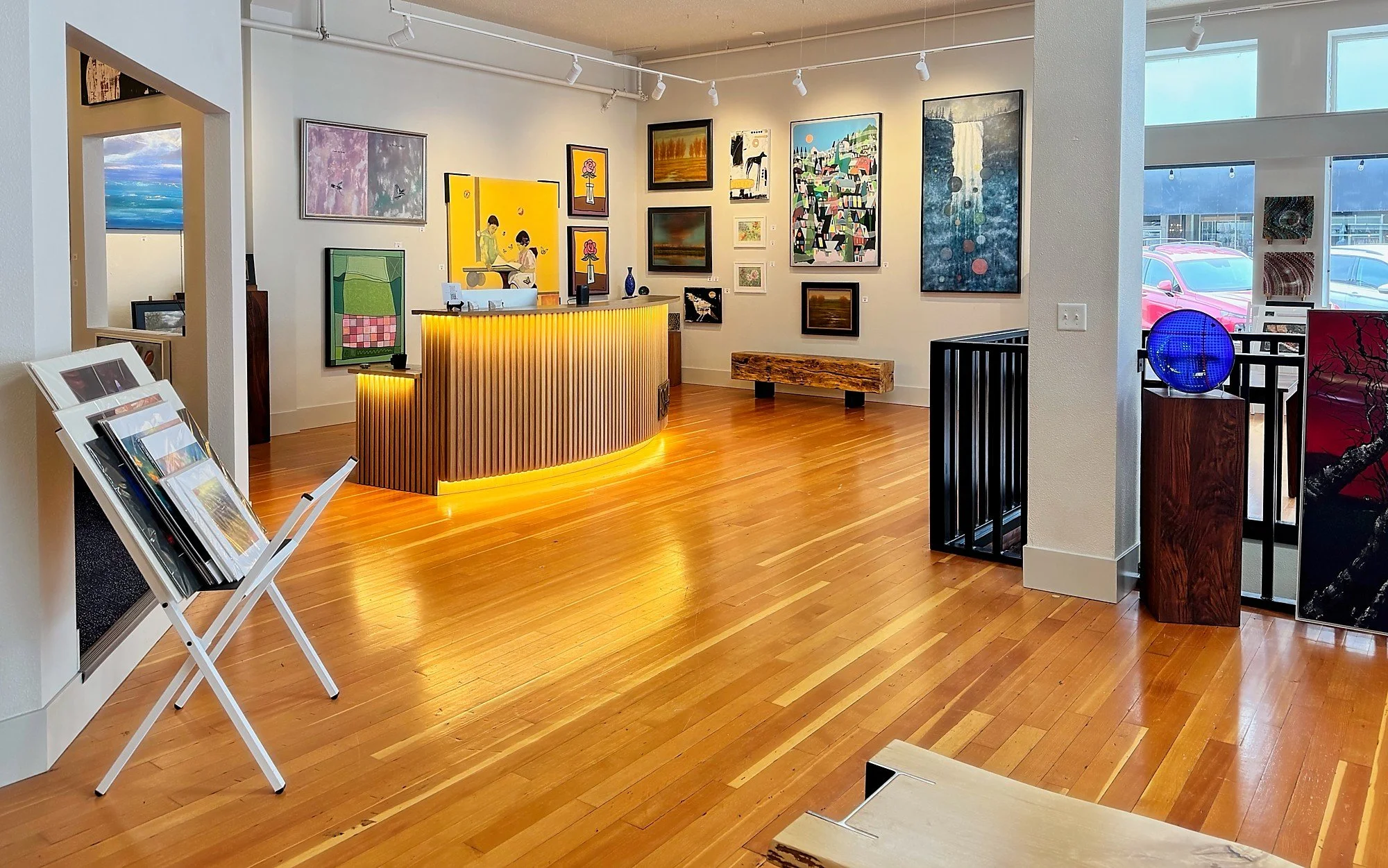
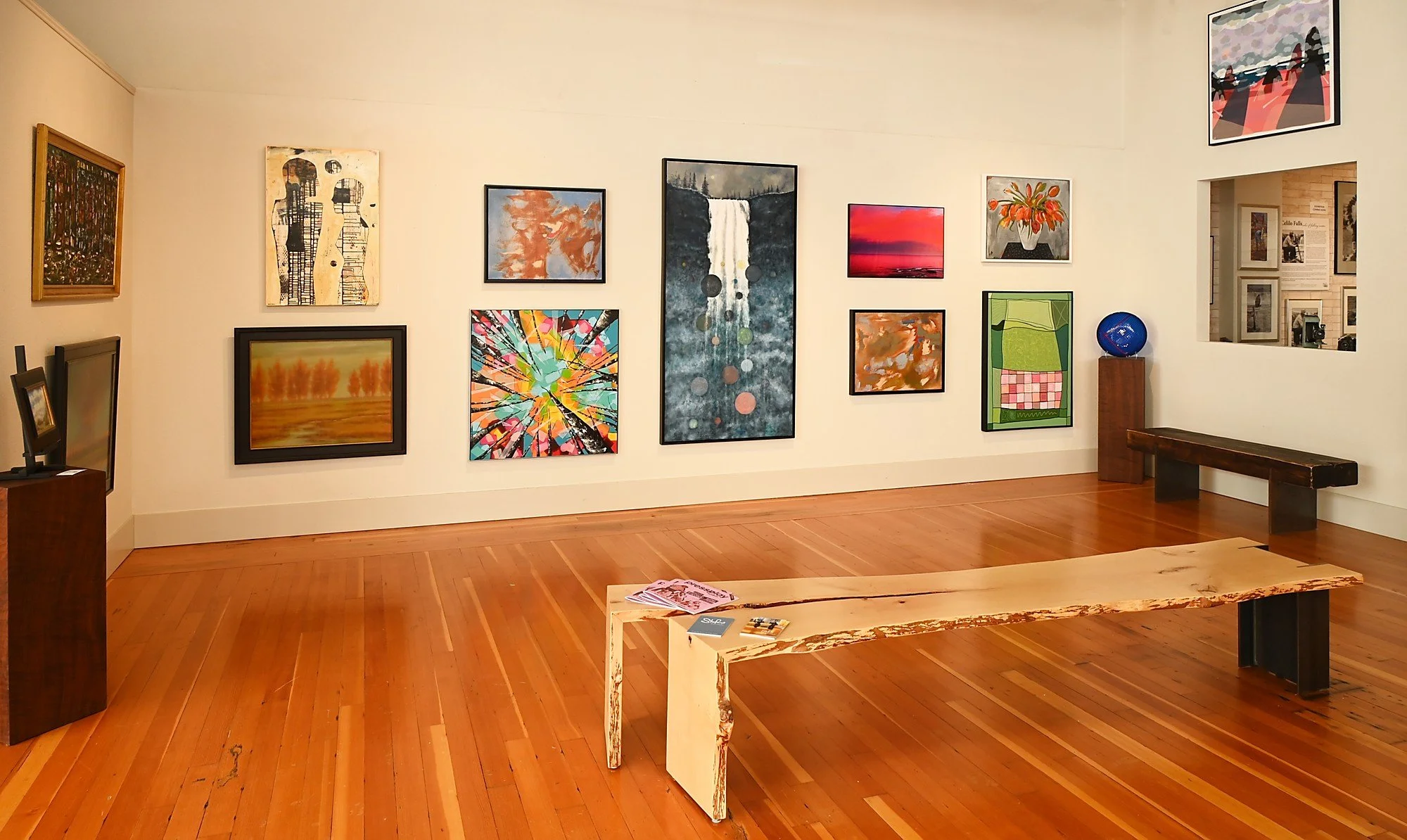
A recent afternoon at Stefani Art Gallery, Salem, Oregon. Our international network allows us to source art and design pieces from far beyond our current inventory.
Every few years, someone predicts the end of the art gallery.
The argument usually goes something like this: artists can now reach audiences directly through social media, collectors can purchase artwork online, and digital platforms have made the art world more accessible than ever. If artists and collectors can connect directly, what role is left for the gallery?
It's a fair question.
Technology has transformed the art market in remarkable ways. Artists can share their work with global audiences instantly. Collectors can discover new artists from anywhere in the world. Entire collections can be viewed from a phone or laptop.
These changes have created exciting opportunities for artists and collectors alike.
Despite all this innovation, galleries continue to play an important role in the art ecosystem.
In some ways, their role has become more important than ever.
The internet made art more accessible
There is no question that the digital age has democratized access to art.
A collector in New York can discover an artist in New Mexico. A designer in London can source work from a gallery in California. Artists no longer need to wait for traditional gatekeepers to gain visibility.
This is a positive development.
The art world benefits when more people can participate.
“As both an artist and a gallery owner, I appreciate the opportunities that technology has created. Many meaningful relationships begin online today. Some of our collectors first discovered artwork through social media, digital exhibitions, or online articles.”
Digital tools have expanded the conversation around art.
They have not replaced the need for it.

If there is something special you are seeking, or simply a feeling you want to bring into your home, House of Stefani would be delighted to help you find pieces that enhance your lifestyle and surround you with beauty. Christina Stefani, photo by Lola Porter.
Discovery is not the same as understanding
One of the greatest strengths of the internet is discovery.
One of its greatest weaknesses is context.
Every day, thousands of artworks compete for attention on social media feeds and online marketplaces. Images appear for a few seconds before being replaced by something else.
Art becomes content.
The challenge is that meaningful collecting often requires something deeper.
Collectors benefit from understanding an artist's body of work, creative process, influences, and long-term development. They benefit from conversations, relationships, and expertise that help transform a simple transaction into a more informed decision.
A gallery helps provide that context.
We don't simply show artwork.
We help tell its story.
Art is built on relationships
At its best, the art world is not driven by transactions.
It is driven by relationships.
Relationships between artists and collectors.
Relationships between galleries and artists.
Relationships between collectors and advisors.
Relationships built over years, rather than moments.
Many of the most successful placements I have witnessed did not happen because someone saw an image online and clicked a button.
They happened because trust had been established. Questions had been answered. Goals had been discussed. A deeper understanding of the artwork and the collector's interests had developed over time.
Technology can facilitate introductions.
Relationships require people.
Galleries advocate for artists
One aspect of gallery work that is often overlooked is advocacy.
A good gallery does more than display artwork. It actively works to support the artist's career.
That may involve marketing, exhibitions, photography, collector outreach, social media, press opportunities, event planning, shipping logistics, installation coordination, and countless other responsibilities that occur behind the scenes.
The artwork may take months to create.
The sale often takes months or years to create as well.
When a gallery believes in an artist, it invests time, resources, and reputation into helping that artist reach new audiences and build a sustainable career.
Galleries help collectors collect
For collectors, galleries provide something that search engines and marketplaces cannot easily replicate: guidance.
A gallery can help a collector discover artists they may never have encountered otherwise. It can provide provenance, historical context, and market insight. It can help build collections that feel thoughtful and cohesive rather than random.
Some of the best artworks I've placed with collectors were never publicly listed online.
They emerged through conversations.
A collector shared an interest. A gallery made a recommendation. A relationship developed.
That is difficult to automate.

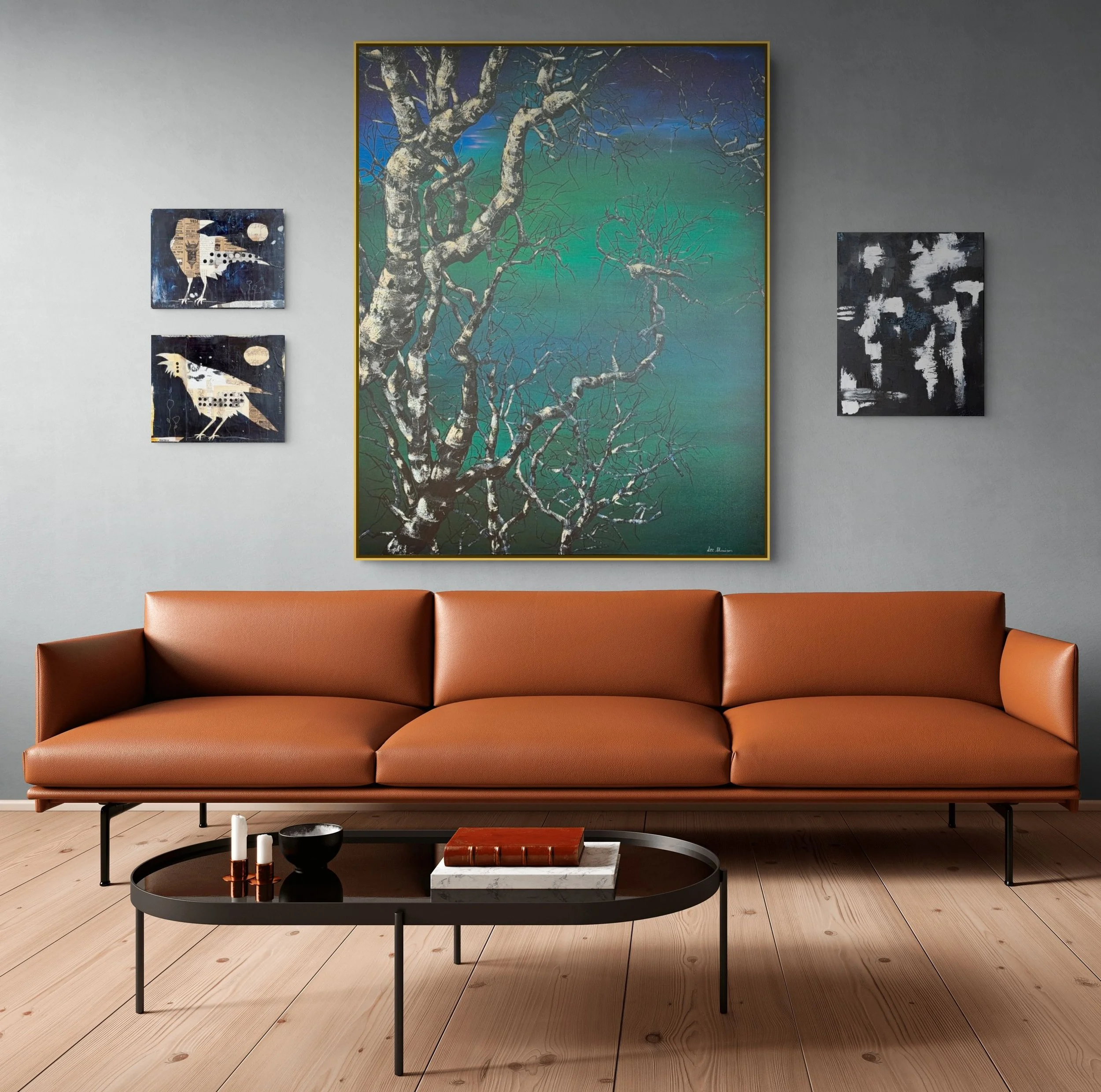
Salted with Fire, Christina Stefani, oil on canvas, 2025. Private collection.
The human element still matters
The digital age has changed how we discover art.
It has not changed why we collect it.
People collect art because they connect with it.
They live with it.
They build memories around it.
They return to it again and again over the course of years.
Those experiences remain deeply human.
While technology continues to reshape the art world, the need for expertise, trust, advocacy, and meaningful relationships has not disappeared.
If anything, those qualities have become more valuable.
Looking forward
The future of the art world is not a choice between galleries and technology.
It is a partnership between them.
The most successful galleries today embrace digital tools while continuing to provide the human expertise and relationships that technology alone cannot replace.
At Stefani Art Gallery, we view our role not simply as selling artwork, but as helping artists, collectors, designers, and institutions navigate an increasingly complex art landscape.
Because while technology may change how art is discovered, people remain at the heart of why art matters.
And that is unlikely to change anytime soon.
–Christina Stefani | House of Stefani Journal
About the Author: Christina Stefani is an artist, collector, and founder of Stefani Art Gallery and House of Stefani. Her work explores transformation, beauty, love, and the emotional language of abstraction.
The art world works best when artists, galleries, collectors, and designers understand one another. If there's a topic you've always wondered about, we'd love to hear from you. Future articles in the Inside the Art World series will be inspired by real conversations from our community.