This Week in Art, Design, and Culture: July 4, 2026
Curated by Christina Stefani for House of Stefani
There are weeks when the cultural news feels less like a series of announcements and more like a mood settling over the room. This week, that mood is clear: we are returning to objects with weight.
Not weight only in the market sense, although the market certainly spoke. Art Basel reported strong sales, and Sotheby’s London set a remarkable record with the Lewis Collection. But what feels more interesting than the numbers is the kind of attention these works commanded. Collectors did not seem to be chasing novelty for novelty’s sake. They were responding to provenance, rarity, artistic gravity, and the quiet authority of works that have lived in serious collections.
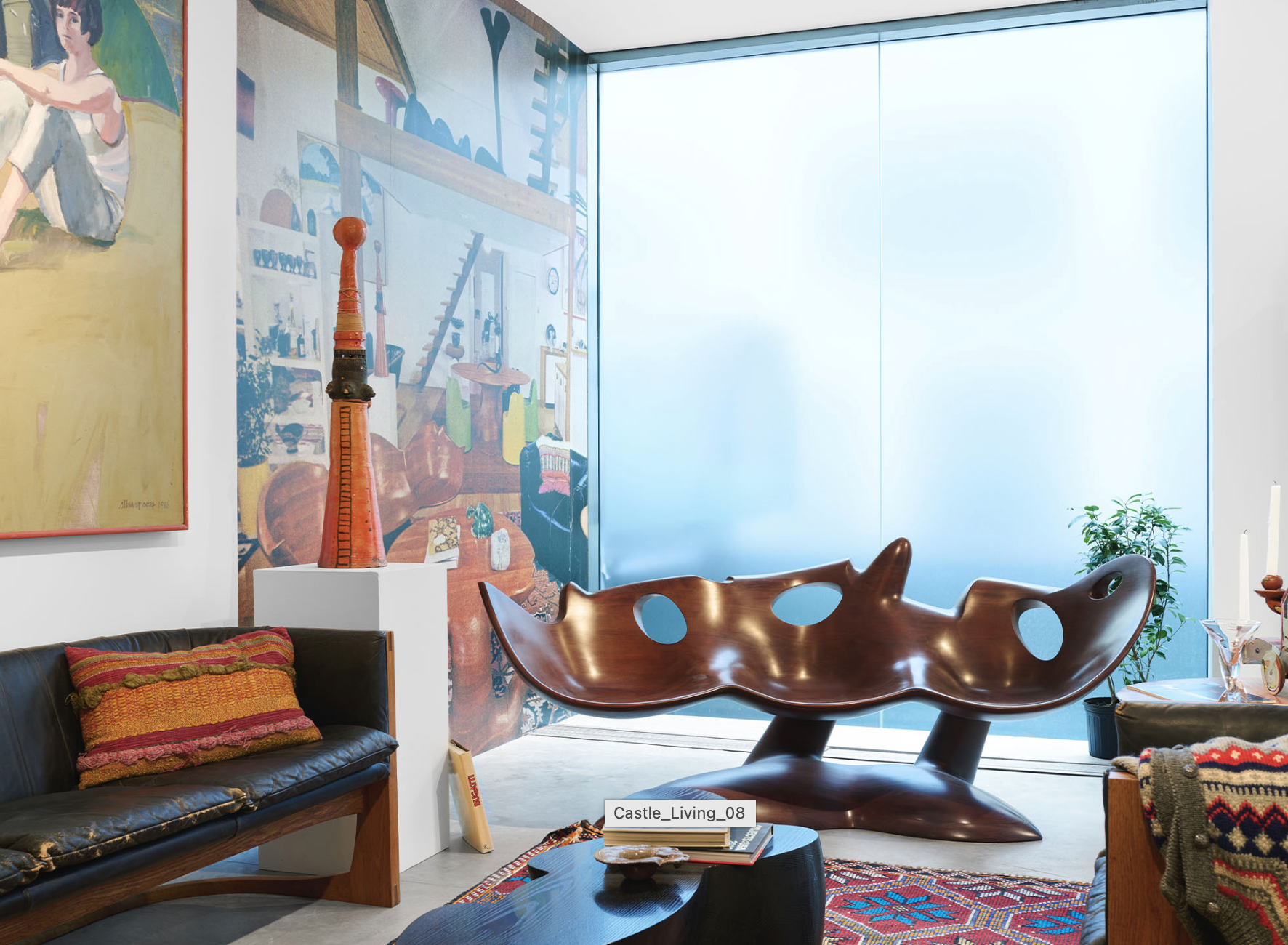
That same instinct appeared far beyond the auction room. In the Hamptons, Nomad’s debut at The Watermill Center suggested a more elegant future for design fairs: less spectacle, more atmosphere. Objects were not isolated from life; they were placed in conversation with architecture, memory, fragrance, landscape, jewelry, craft, and the legacy of Robert Wilson. This is where design becomes more than decoration. It becomes a way of sensing the world.
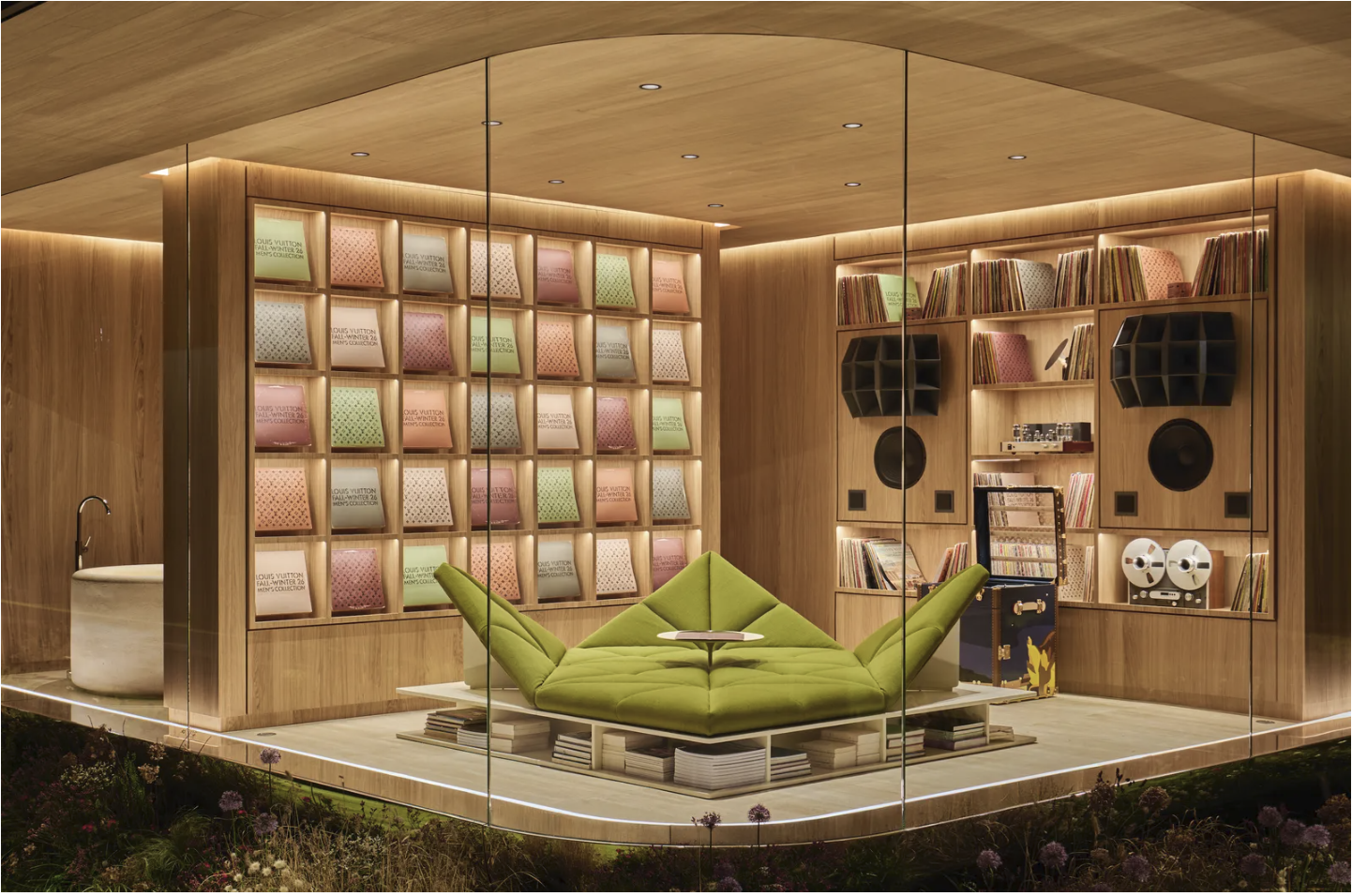
Fashion, too, is borrowing the language of permanence. Historic chairs, vintage trains, old interiors, and museum galleries are becoming part of the way fashion tells its stories. At The Met, “Costume Art” gives fashion a more central place in the museum, reminding us that clothing is not merely image. It is body, material, gesture, identity, and time.
Perhaps this is why craft feels so relevant right now. In an increasingly digital culture, handwork carries a particular tenderness. Clay, textile, wood, metal, and woven forms ask us to slow down. They show the trace of the maker. They hold imperfection, patience, and care.
“For House of Stefani, this is the world I am most interested in: not culture as status, but culture as intimacy. The room, the artwork, the chair, the garment, the journey, the table, the memory. The most beautiful things are not simply acquired. They are understood, lived with, and loved over time.”
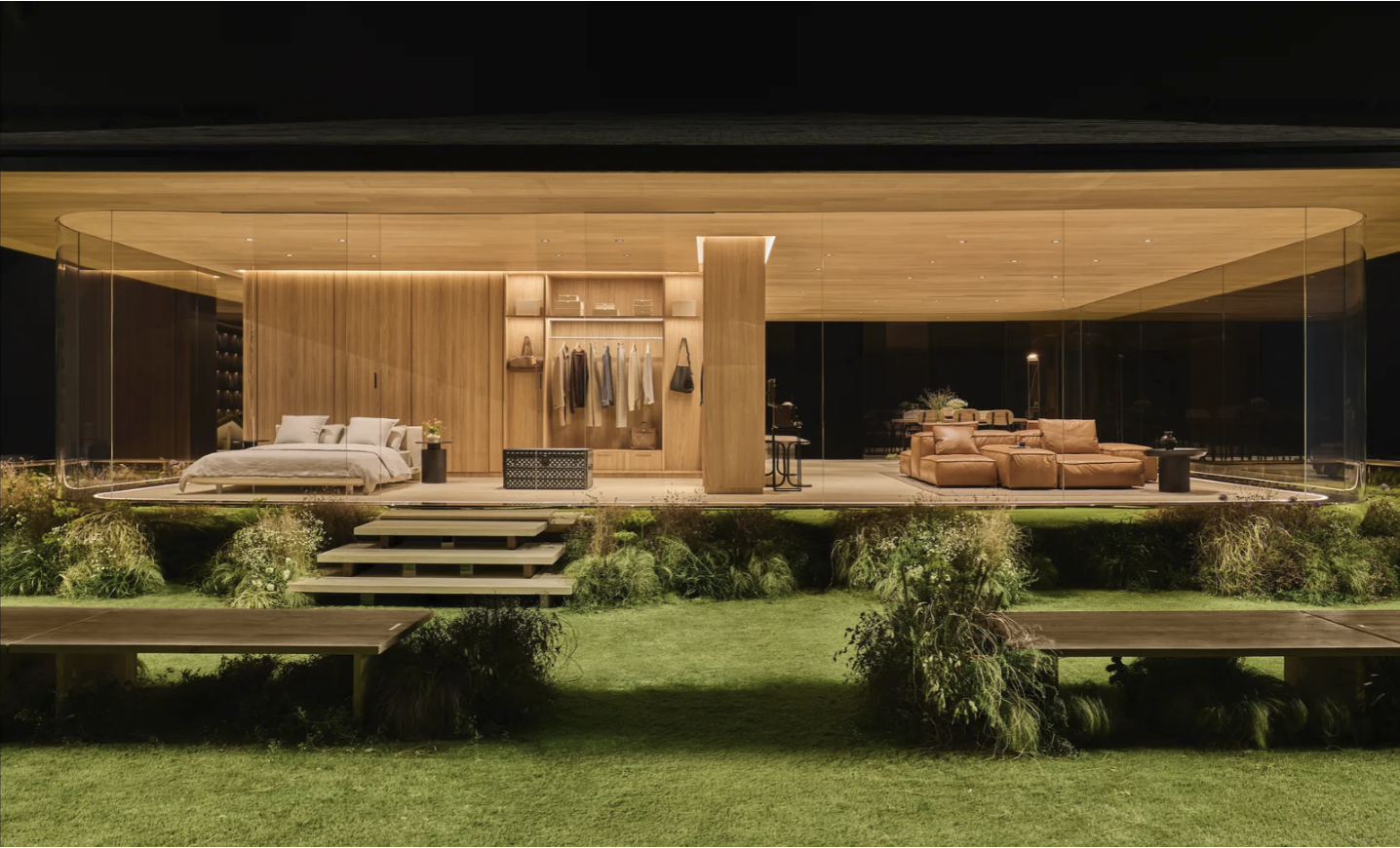
In Drophaus, fashion, furniture, and architecture converge into a single creative language. Raw surfaces and sculptural forms emphasize craft over polish, reinforcing the notion of interiors as living environments that evolve over time rather than static, finished objects.
Top Developments
Art Basel confirmed a “flight to quality.” The 2026 Basel fair drew 90,000 visitors, 290 galleries from 43 countries, and representatives from more than 270 museums and foundations. Reported sales leaned heavily toward major 20th-century and institutionally legible names, including Picasso, Richter, Bourgeois, Frankenthaler, Soulages, and Genzken. Art Basel’s new Basel Exclusive format also succeeded in restoring some urgency to in-person discovery. Source: Art Basel and The Art Newspaper.
London’s auction market had a rare prestige win. Sotheby’s sale of the Lewis Collection reached £296.3 million with fees, making it the most valuable single-owner collection ever sold in the UK. The deeper point is not simply the total; it is that rare, well-provenanced, historically central works still travel globally when the story is strong. Source: The Art Newspaper.
Collectible design is becoming more experiential and site-specific. Nomad’s U.S. debut at Robert Wilson’s Watermill Center in the Hamptons positioned design not as booth inventory, but as atmosphere, memory, architecture, and cultural encounter. Armani, Sisley Paris, Middle Eastern design voices, jewelry, craft, and contemporary collectible objects were woven into the site. Source: Wallpaper.
Fashion and art are moving closer inside institutions. The Met’s “Costume Art” inaugurated the nearly 12,000-square-foot Condé M. Nast Galleries and explicitly frames fashion as embodied art, pairing garments with works from across the museum’s collection. Source: The Met.
Luxury collectibles are no longer peripheral. Christie’s Paris online handbag sale set a new online handbag-sale record at €5.84 million, with 98% of lots sold and 43% of buyers from Millennial and Gen Z cohorts. This is a luxury signal, not an art-market proxy: rare objects with identity, scarcity, and cultural mythology are attracting younger collectors. Source: Christie’s.
Architecture and cultural travel remain essential editorial territory. Venice Biennale Arte 2026, “In Minor Keys,” continues through November 22, while Serpentine’s 2026 Pavilion by LANZA atelier is open in London through October 25. Both reinforce a quieter appetite for reflective, place-based cultural travel. Sources: La Biennale di Venezia and Serpentine.
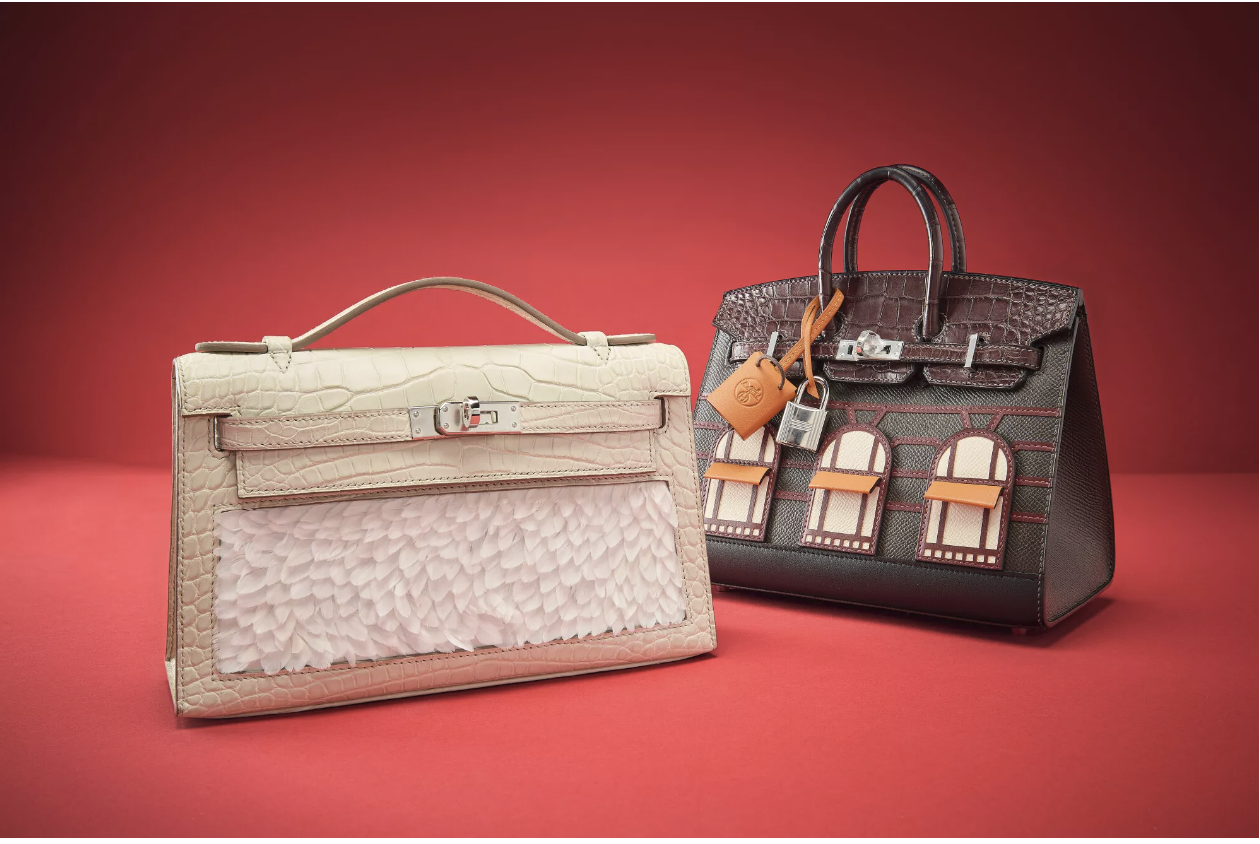
The 2026 edition of the sale Handbags Online: The Paris Edit at Christie’s has set a new world record for an online handbag sale, totaling €5,836,666. On the left, a special-order matte-béton alligator-and-feather Kelly pochette 2023, sold for €190,500; on the right, an exceptional Hermès Birkin Faubourg Rouge Sellier, a limited 2024 edition, sold for €635,000, setting two world records for the category. Courtesy Christie’s.
Emerging Themes
Place is becoming a luxury medium. Basel, Watermill, Venice, London, Paris, and Arles matter not only as destinations, but as editorial contexts. Collectors want the world around the object.
Craft is gaining cultural seriousness. AD’s feature on American craft highlights renewed support for handwork, including Etsy’s planned $10 million investment with the Center for Craft and the inaugural Spector Craft Prize. Source: Architectural Digest.
Vintage design is becoming fashion’s cultural shorthand. Dior, Louis Vuitton, Ralph Lauren, and Chanel are using historic interiors, furnishings, and objects to give collections depth and continuity. Source: Architectural Digest.
Compliance is becoming part of market sophistication. Proposed U.S. art-market AML legislation and existing EU rules point toward more formal diligence, recordkeeping, and transparency expectations. This is informational, not legal advice. Source: Sheppard Mullin.
Overhyped vs. Important
Overhyped: Treating every record sale as proof of a broad market rebound. The evidence points to selectivity, not universal strength.
Overhyped: Digital and AI culture as a replacement for physical encounters. The stronger signal this week is the opposite: in-person fairs, site-specific design, craft, and travel are gaining value.
Actually important: Provenance, rarity, institutional relevance, and emotional context are driving attention across art, design, fashion, and luxury.
Actually important: Younger collectors are entering through multiple doors: handbags, design, craft, travel, interiors, and fashion/art crossovers.
Founder Takeaway
The week belongs to connoisseurship with context. The most compelling cultural objects right now are not just expensive or beautiful; they arrive with place, provenance, touch, memory, and a reason to gather around them.
See you next week. Warmly,
–Christina Stefani | House of Stefani Journal
About the Author: Christina Stefani is an artist, collector, and founder of Stefani Art Gallery and House of Stefani. Her work explores transformation, beauty, love, and the emotional language of abstraction.