The Art World This Week: June 13, 2026
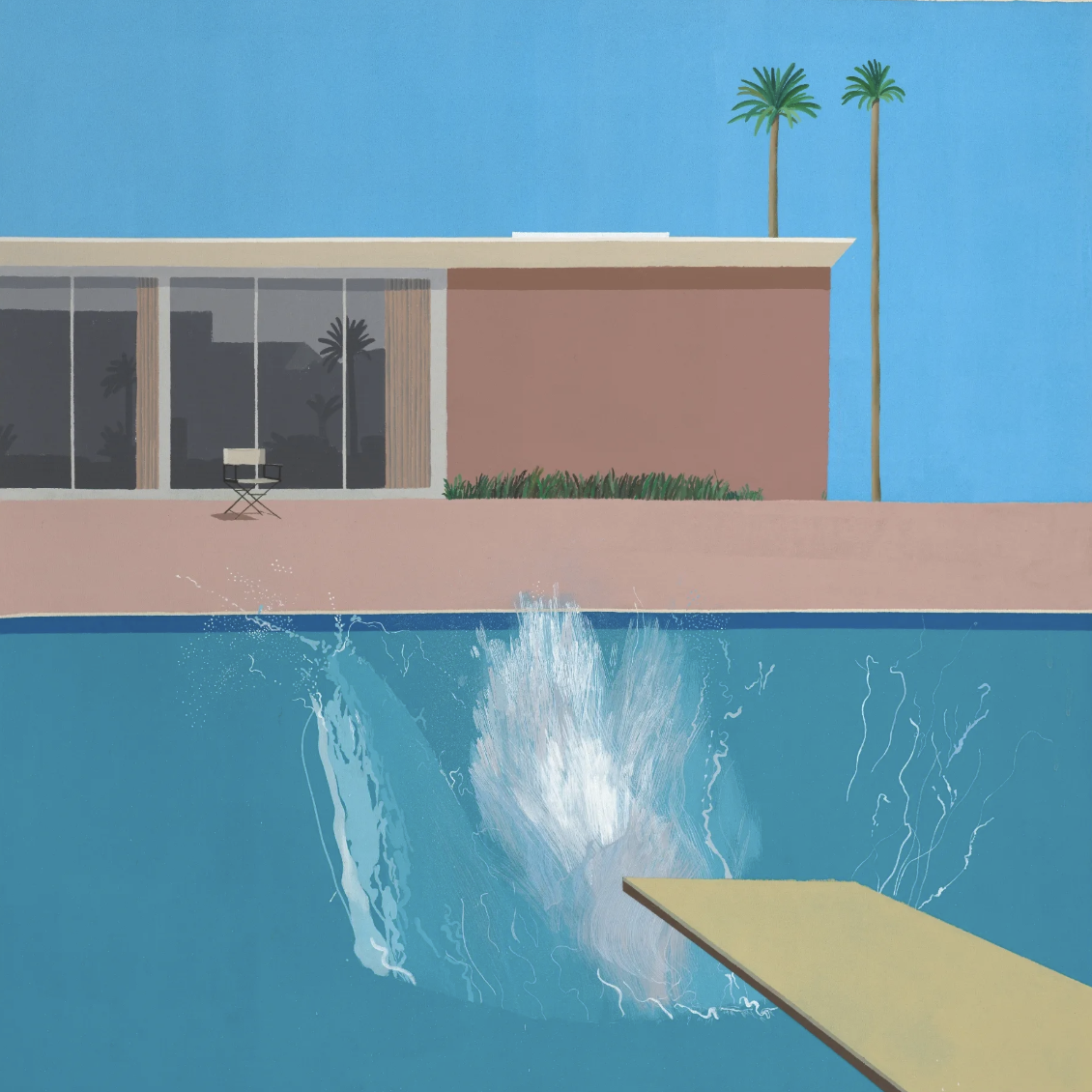
David Hockney, A Bigger Splash (1967). Courtesy of David Hockney Studio.
This Week’s Curated Brief
Top Developments
David Hockney’s death marks the end of one of the most beloved artist-public relationships in contemporary art. Hockney died Thursday in London at 88, after a seven-decade career across painting, photography, printmaking, stage design, digital tools, and immersive installation. For collectors, his importance is not simply market value; it is that rare combination of visual pleasure, technical experimentation, and public affection. His work helped define how Los Angeles looks in the cultural imagination. (news.artnet.com)
Duane Michals also died this week, at 94, closing another chapter in photographic storytelling. Michals was known for sequenced photographs, multiple exposures, and the use of handwritten text, expanding photography beyond the single decisive image into something more cinematic, philosophical, and intimate. (artreview.com)
Art Basel is trying to restore the thrill of first access. Its new “Basel Exclusive” initiative asks participating galleries to hold back major works from pre-fair previews, online viewing rooms, and pre-sales, unveiling them at the VIP opening on June 16. This is a direct response to a collector experience that has become too previewed, too circulated, and sometimes too transactional before the fair even opens. (artbasel.com)
The high end of the auction market showed renewed strength, but narrowly. ArtTactic reports that New York’s May marquee evening sales reached $1.79 billion in hammer sales, more than double May 2025, led by single-owner collections and works priced above $10 million. The signal is real, but it is concentrated at the top. (arttactic.com)
Pace Gallery’s cuts are a major business-model warning. Pace reduced its artist roster and staff, with CEO Marc Glimcher framing the old mega-gallery model as no longer workable. The practical message: scale alone is no longer a strategy. Relationship quality, artist support, and operational discipline are becoming more important than roster size. (news.artnet.com)
U.S. museums are still raising and building ambitiously outside the obvious coastal centers. The Cleveland Museum of Art launched the public phase of a $600 million campaign, having already secured more than $480 million in gifts and pledges. (clevelandart.org) Crystal Bridges opened its 114,000-square-foot expansion in Bentonville, reinforcing the rise of art destinations that blend collection, architecture, travel, wellness, and place. (crystalbridges.org)
Emerging Themes
The art world is moving back toward presence. Basel Exclusive, major museum expansions, and summer exhibition travel all point to a desire for art encounters that cannot be fully replicated online.
The market is recovering unevenly. Trophy works and exceptional estates can still command attention, but the middle of the market remains more cautious.
Cultural travel is becoming a collector behavior, not just leisure. Venice, Basel, Arles, Bilbao, Florence, Cologne, and Amsterdam are all anchoring serious summer art itineraries. Wallpaper’s summer exhibition guide reads less like a museum list and more like a map of high-cultural travel demand. (wallpaper.com)
Overhyped vs. Important
Overhyped: “The art market is back.” The better read is that the very top is liquid when the material is exceptional. That does not automatically mean broad-based confidence has returned.
Actually important: Galleries and fairs are trying to redesign the collector experience around scarcity, trust, and live access. That matters for any brand speaking to collectors who want discernment, not noise.
Key Takeaways
Lead with personal taste, not volume. The Pace news is a reminder that bigger is not always better. A sharper, more intimate point of view can feel more valuable than endless stimulation.
Collecting as a lived cultural practice. Art Basel, Venice, Crystal Bridges, and the European summer circuit all support a narrative in which art belongs within travel, interiors, memory, and identity.
Hockney's legacy is accessible sophistication. His career reminds us that serious art does not have to feel cold. Joy, color, experimentation, and beauty can still be intellectually rich.
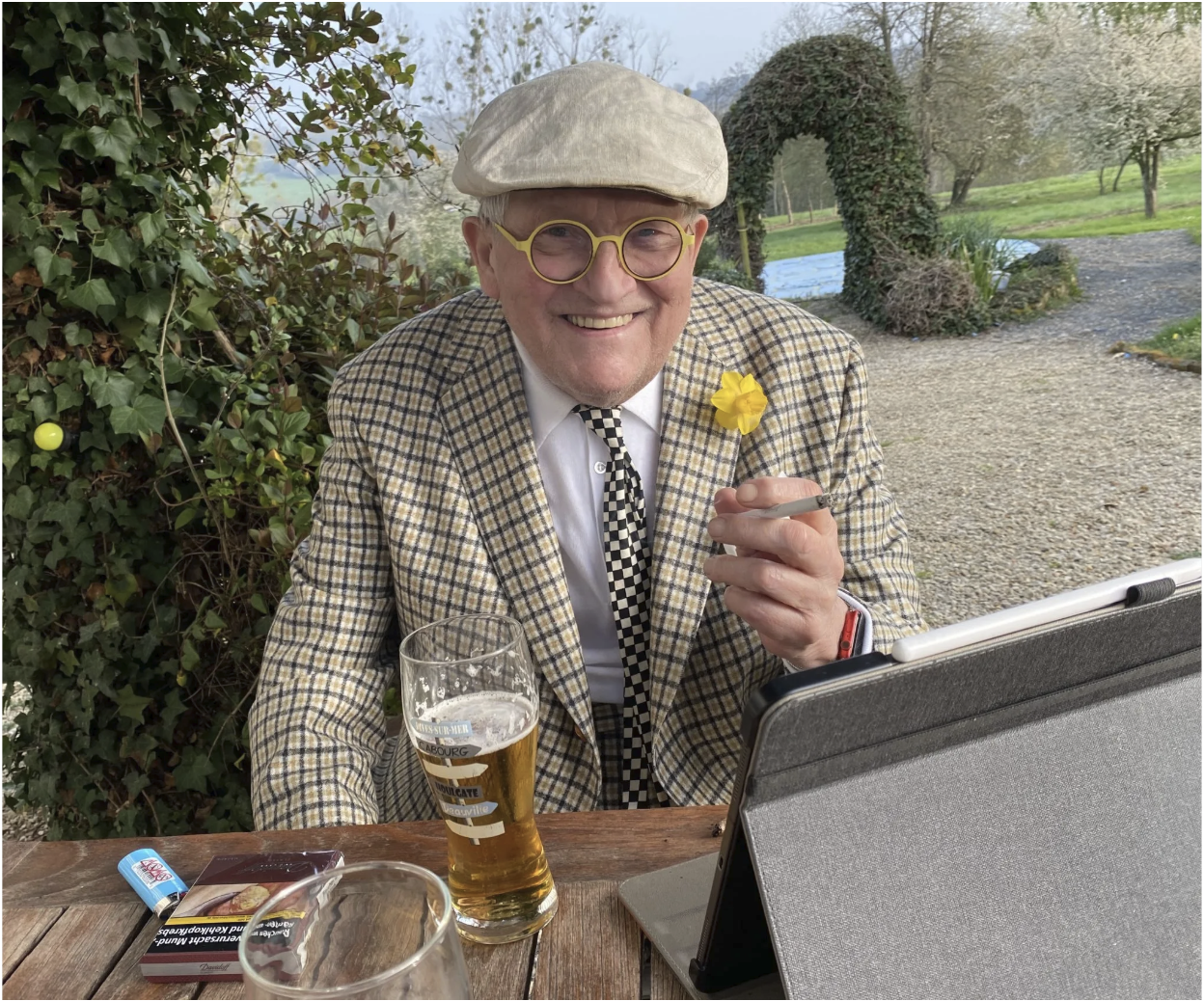
David Hockney in Normandie, April 1st 2021 © David Hockney. Photo: Jean-Pierre Gonçalves de Lima.
This week’s signal is clear: the most interesting collectors are not just buying objects. They are seeking access, context, emotion, and cultural fluency. At House of Stefani, we will continue to speak to the collector who wants beauty with intelligence, and discovery with a sense of occasion.
–Christina Stefani | House of Stefani Journal
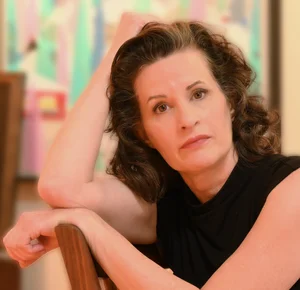
About the Author: Christina Stefani is an artist, collector, and founder of Stefani Art Gallery and House of Stefani. Her work explores transformation, beauty, love, and the emotional language of abstraction.