The Enduring Power of Abstract Expressionism and the Art of Transformation
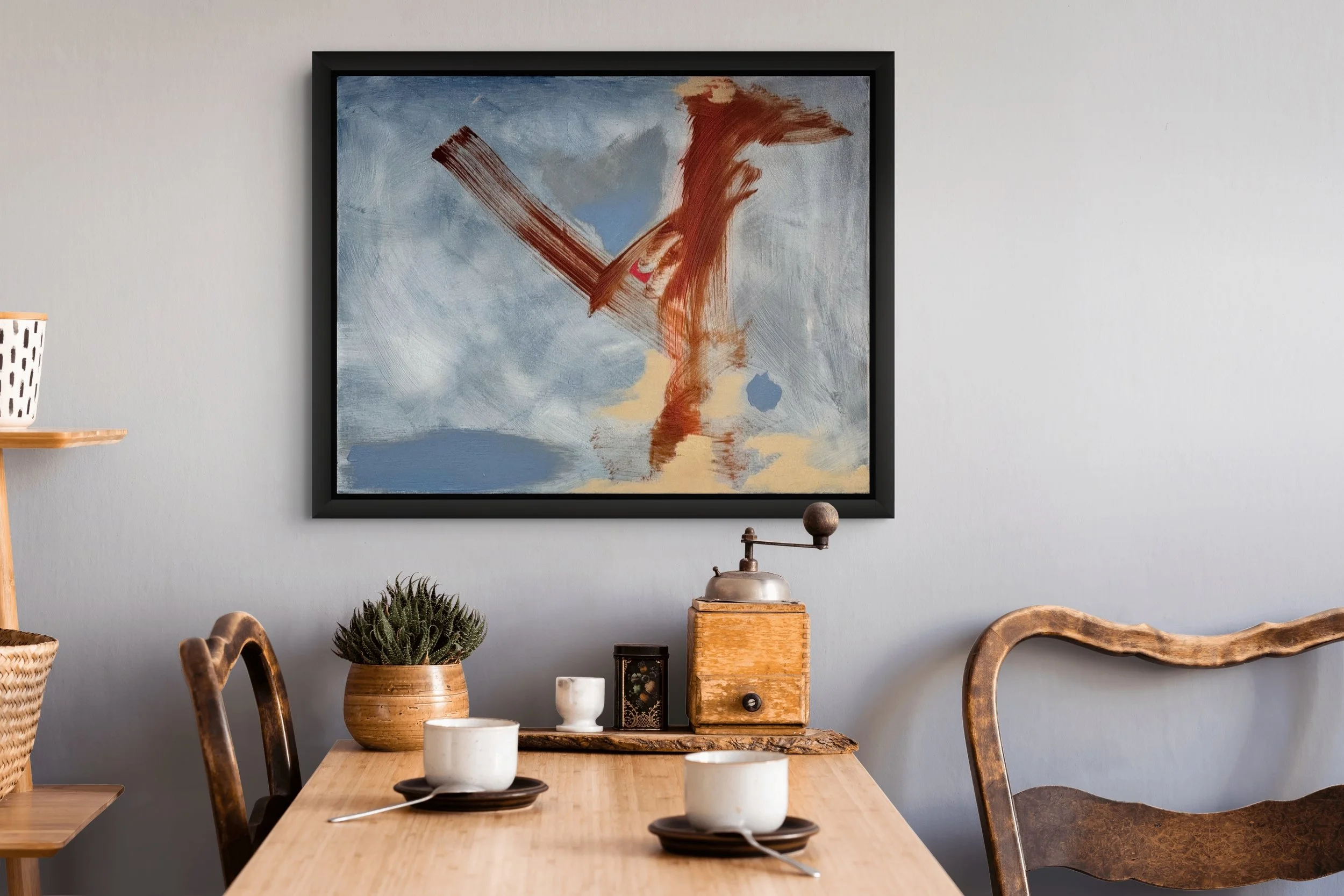
People don't just admire great abstract paintings. They live with them. The Becoming by Christina Stefani. Courtesy Stefani Art Gallery.
Every few years, the art world seems to rediscover Abstract Expressionism.
Collectors start talking about it again. Major auction results make headlines. A Franz Kline painting appears at auction, drawing renewed attention. Yet for many, the movement remains a bit mysterious. What exactly makes a canvas full of gestures, color, texture, and movement so compelling?
More than seventy years after its emergence in postwar America, Abstract Expressionism continues to captivate collectors, artists, and viewers alike. Its influence is everywhere, from museum collections to contemporary galleries, and its appeal shows no signs of fading.
I think one reason for its endurance is simple: Abstract Expressionism invites us into an experience rather than a story. It doesn't tell us what to think. It doesn't offer a clear narrative. Instead, it asks us to engage with a painting on a more intuitive level, bringing our own emotions, memories, and perspectives to the encounter.
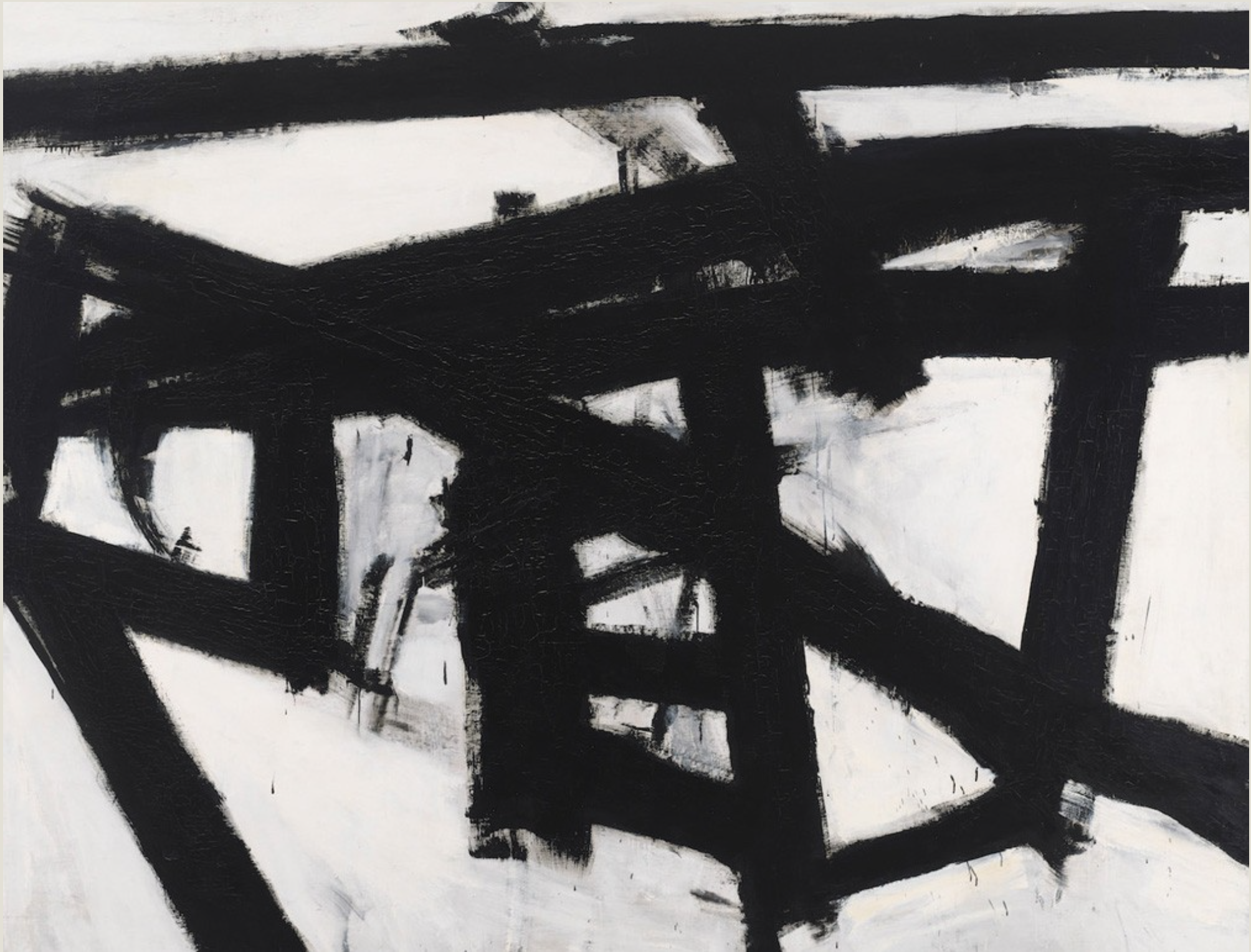
A few decisive marks can create tension, rhythm, movement, and emotion without depicting any recognizable subject. Mahoning by Franz Kline, 1956, Whitney Museum of American Art .
Franz Kline and the Language of Gesture
Among the movement's most recognizable figures, Franz Kline remains a favorite among many collectors and historians. His bold, sweeping compositions often appear spontaneous, yet they reveal extraordinary control and sophistication.
What makes Kline's work so compelling is its ability to convey energy through remarkably simple means. A few decisive marks can create tension, rhythm, movement, and emotion without depicting any recognizable subject.
His paintings remind us that abstraction is not the absence of meaning. It is another way of communicating meaning.
The continued strength of the market for major Abstract Expressionists reflects this enduring appeal. Important works by artists such as Pollock, Rothko, and Kline continue to command significant attention at auction, demonstrating that collectors still value the movement's historical importance and emotional power.
Why Collectors Continue to Embrace Abstract Expressionism
Spend enough time around collectors, and you'll hear a common theme. People don't just admire great abstract paintings. They live with them.
A strong abstract work reveals something new over time. It changes as the light changes. It changes as the room changes. Sometimes it even changes as the collector changes.
Unlike representational art, abstraction rarely offers a fixed interpretation. The viewer becomes an active participant in the experience. That openness creates a relationship that can deepen over years of living with a work.
I believe that is one reason why Abstract Expressionism remains so relevant today. In a world that constantly demands immediate answers and clear explanations, these paintings allow space for uncertainty, contemplation, and personal discovery.
As both an artist and gallery owner, I often find myself returning to the same questions that fascinated the early Abstract Expressionists.
How do we paint uncertainty?
What does transformation look like?
Can a painting capture a moment when something is becoming rather than simply being?
Those questions stayed with me while creating a recent three-painting series that explores transition, emergence, and change. While the works are contemporary in their execution, they are deeply connected to ideas that have inspired abstract artists for generations.
While working on this series, there were moments when I thought I knew exactly where a painting was headed. Then a single gesture would change everything. In many ways, that's what attracts me to Abstract Expressionism. The painting often reveals itself gradually, and sometimes the most important decisions are the ones you never planned.
The series is now available through Stefani Art Gallery.
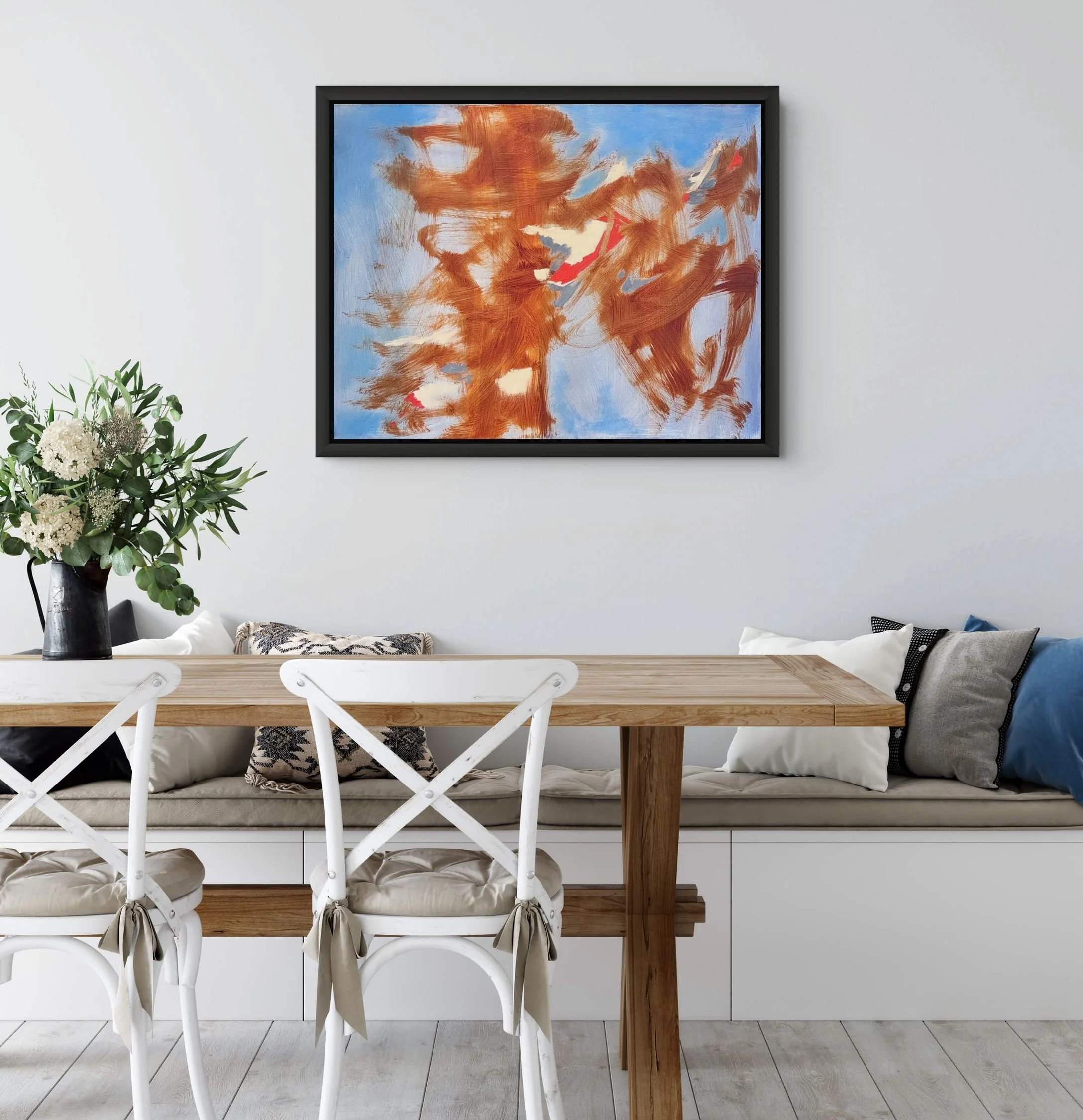
Can a painting capture a moment when something is becoming rather than simply being? The Absence of Form by Christina Stefani. Courtesy Stefani Art Gallery
The Becoming
Oil on Canvas, 2026
Art Size: 22 x 28 x 1.5 in
Framed Size: 24 x 30 x 2 in
$1,250
Created through layered gestures and shifting forms, The Becoming explores the space between what is and what might be. It is a painting about emergence, possibility, and movement toward something not yet fully defined.
The Absence of Form
Oil on Canvas, 2026
Art Size: 22 x 28 x 1.5 in
Framed Size: 24 x 30 x 2 in
$1,250
This work embraces ambiguity. Shapes appear, dissolve, and re-emerge, inviting viewers to participate in the act of interpretation. The painting suggests that meaning is often found in uncertainty rather than certainty.
When Everything Changes
Oil on Canvas, 2026
Art Size: 22 x 28 x 1.5 in
Framed Size: 24 x 30 x 2 in
$1,250
Built on the energy of disruption and renewal, this painting captures the moments when familiar structures give way to unexpected beginnings. It is a meditation on change as both challenge and opportunity.
Complete Triptych Available: $3,500
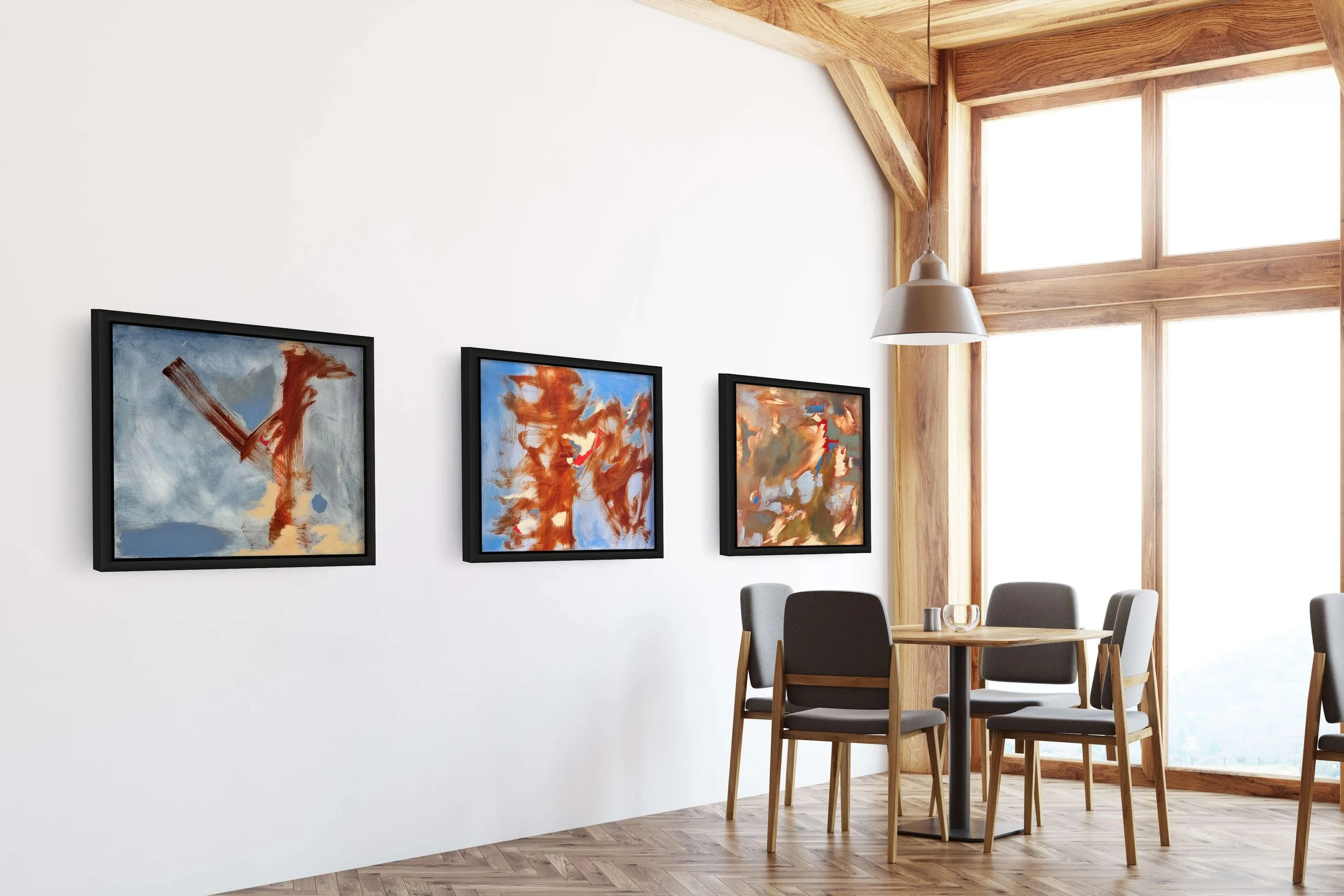
The Becoming, The Absence of Form, and When Everything Changes by Christina Stefani, courtesy Stefani Art Gallery.
Continuing the Conversation
Perhaps that is why Abstract Expressionism still matters.
It reminds us that not everything meaningful can be explained. Some experiences must be felt rather than described.
The artists of the New York School understood this. Their work continues to resonate because it speaks to something fundamentally human: our desire to make sense of change, emotion, uncertainty, and possibility.
As a contemporary artist, I keep returning to those ideas. The Becoming, The Absence of Form, and When Everything Changes grew out of that exploration and continue a conversation that began generations ago.
The conversation is still unfolding.
–Christina Stefani | House of Stefani Journal
About the Author: Christina Stefani is an artist, collector, and founder of Stefani Art Gallery and House of Stefani. Her work explores transformation, beauty, love, and the emotional language of abstraction.
The Becoming, The Absence of Form, and When Everything Changes are currently available through Stefani Art Gallery.