
The Magazine
Reflections on art, design, lifestyles, and cultural stewardship.
Explore
Learning to See:
Essays on art, beauty, observation, and the practice of paying attention.
Collecting & Living With Art:
Guidance for discovering, choosing, caring for, and building a meaningful collection.
Inside the Art World:
Practical conversations about galleries, collecting, artists, and the people who bring art into our lives.
This Week in Art, Design & Culture:
Christina Stefani's weekly perspective on the ideas, exhibitions, objects, places, and cultural developments worth noticing.
Latest from the Magazine

This Week in Art, Design, and Culture: What Holds True
What does integrity look like in art and design? From information design at MoMA and Japanese woodblock prints to Lee Krasner and Jackson Pollock, Milan’s evolving design collection, and a house that reveals how it works, this week’s stories consider the relationship between what we see and what is true.
When the Photographs Came Home
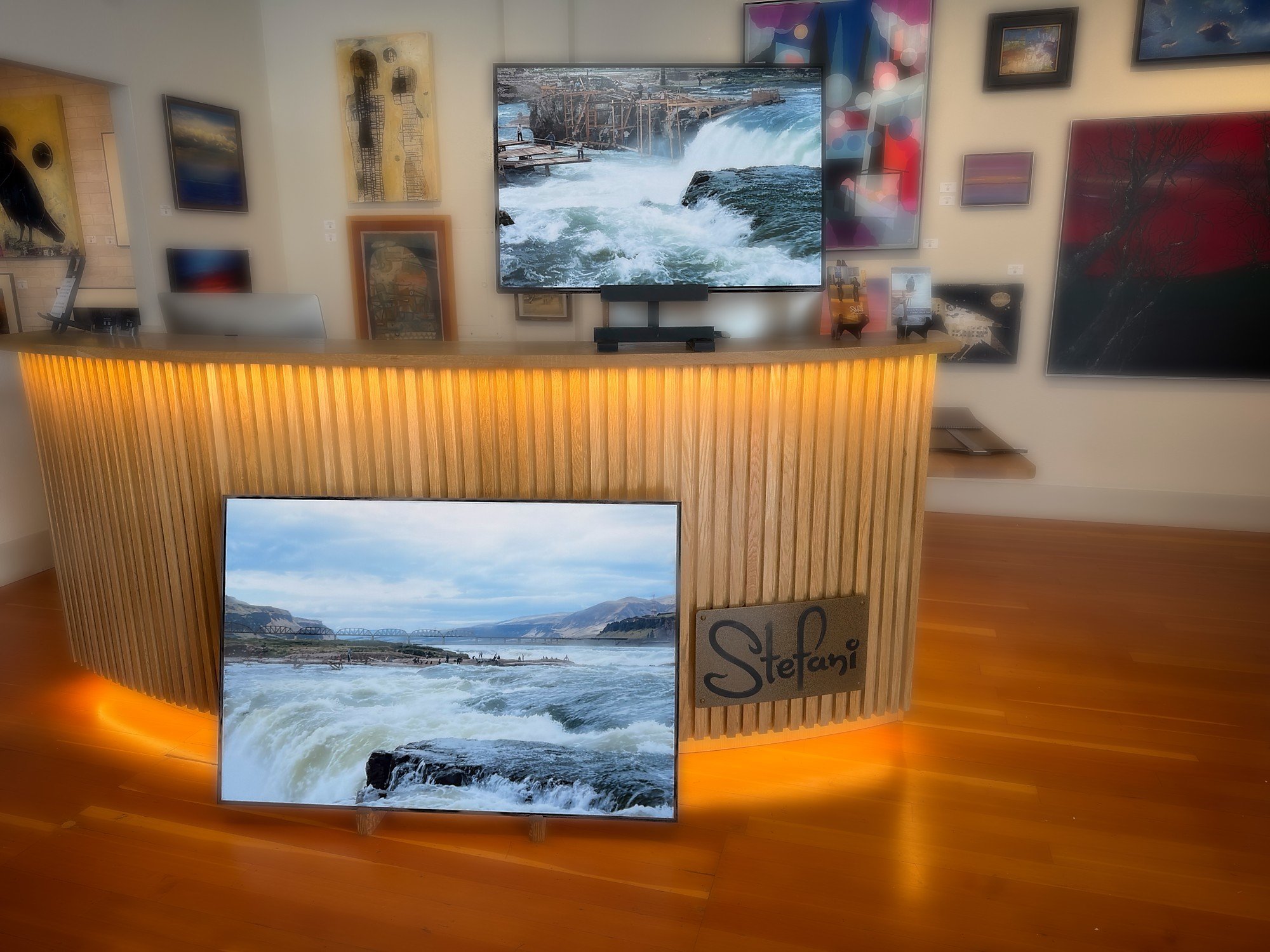
I have looked at Richard's photographs so many times that certain details have become familiar to me: a man's expression, the position of a fishing net, the color of the hills beyond the Columbia, the extraordinary white water of Celilo.
But today they became something else. Photographs again. Large, luminous, beautifully printed and framed.
Nearly seventy years after Richard stood beside the Columbia and released the shutter, his photographs were leaning against the walls of the gallery that bears our name.
And I felt almost everything at once.

The Beauty of the Fragment: John Van Dreal and the Human Form
We move through the world surrounded by familiar objects. Bodies. Trees. Buildings. Clouds. Chairs. Faces. We become so proficient at identifying them that identification can replace observation.
We know what a body looks like. Until an artist makes us look again.

This Week in Art, Design, and Culture: What We Carry Forward
Art. Knowledge. Memory. Craft. Relationships. The things others entrust to us. This week we move from the enduring intelligence of Shaker design to contemporary work inspired by Bourdelle, the extraordinary cultural history contained in something as ordinary as salt, and closer to home, photographs made by Richard Stefani nearly seventy years ago finally returning to public view.

The People Richard Photographed
Twenty-three photographs. A community beside the river. And the responsibility of remembering that every face belonged to a life.
There is a moment in working with an old photograph when the person in it stops being part of history and becomes simply a person.
This Week in Art, Design, and Culture: The Time Things Need
Some things cannot be hurried without becoming less than they might have been. I have been thinking about patience: with paintings, with friendship, with the passage of life, and perhaps most importantly, with myself.
The Art of Looking Carefully
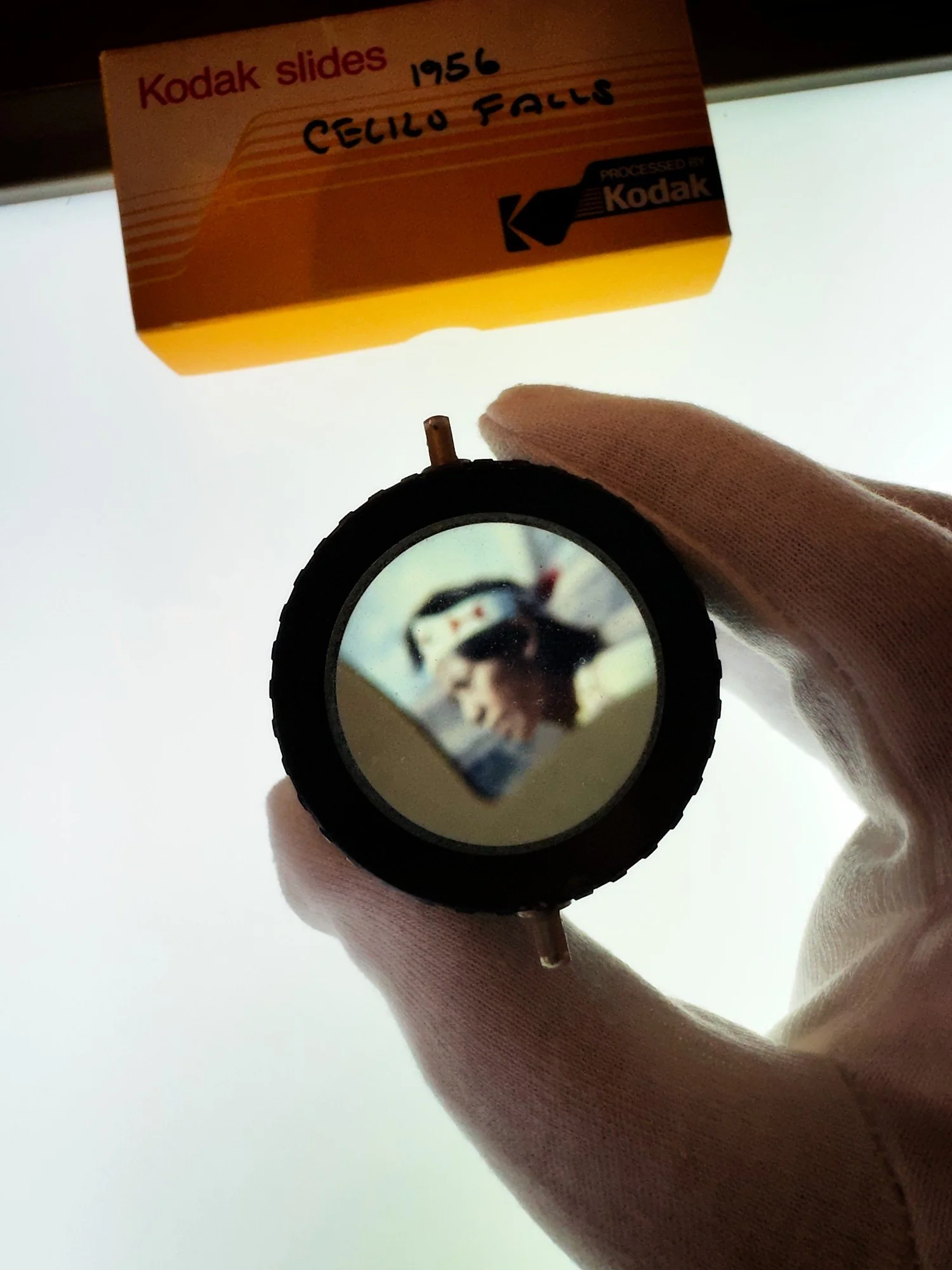
When Richard arrived at Celilo in the fall of 1956, he was twenty-three years old. He carried two cameras and two rolls of color film.
That limitation matters. Every time Richard released the shutter, he used one of a finite number of exposures.
There was no screen on which to review what he had made. No nearly limitless supply of digital frames. No opportunity to photograph everything and decide what mattered later.
He had to choose.
The Color of Pearls
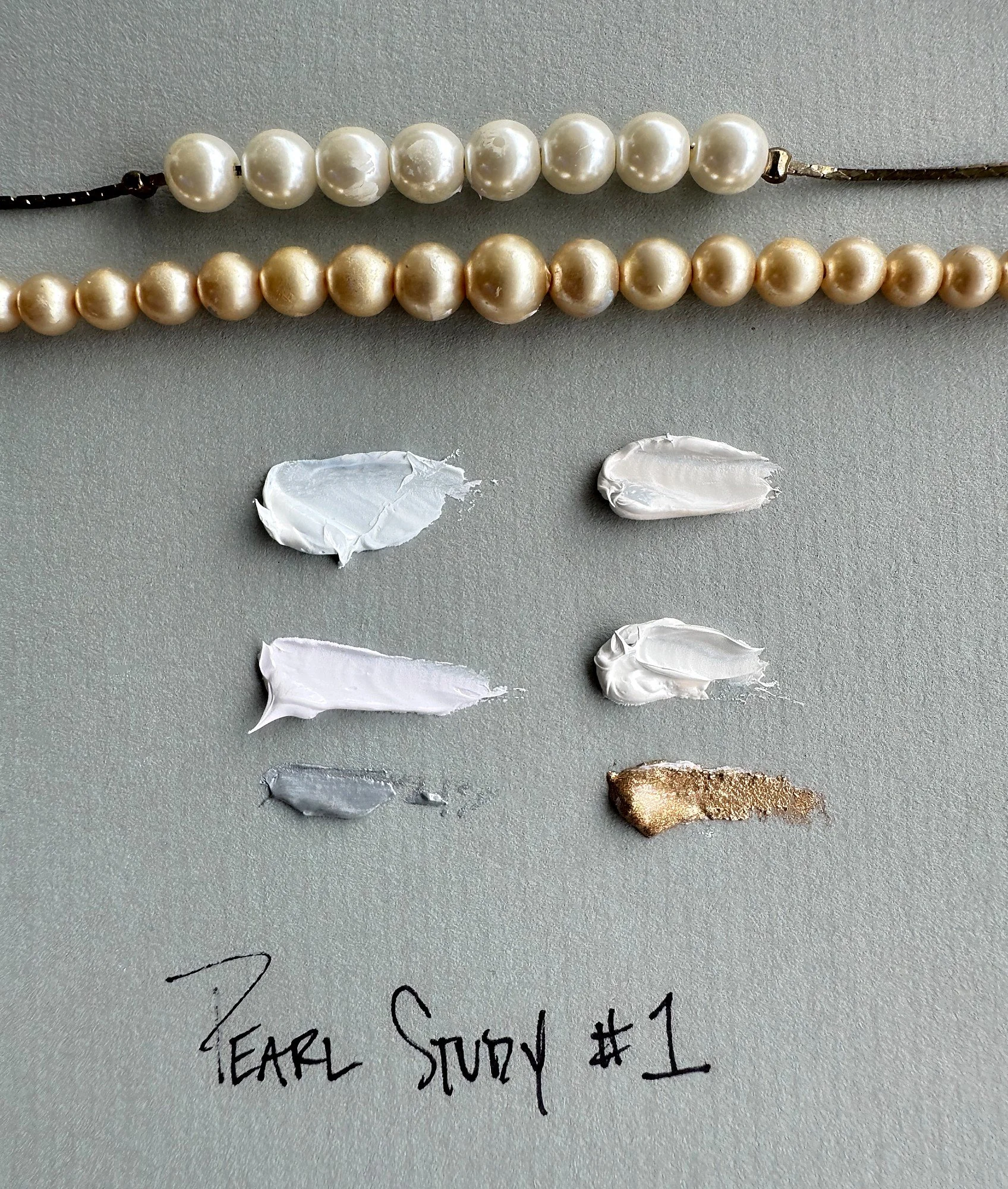
I have worn pearls for years. They are almost the only jewelry I wear. Perhaps that is why I notice their colors so carefully when I paint.
We tend to call pearls white. But the longer I paint, the less I believe in white.
We live in a visual culture that often rewards immediate impact. Strong contrast. Saturated color. Something recognizable in an instant. Pearls ask for something different. Their beauty can be quiet. You have to come closer. You have to notice.
This Week in Art, Design, and Culture: The Shape of Peace
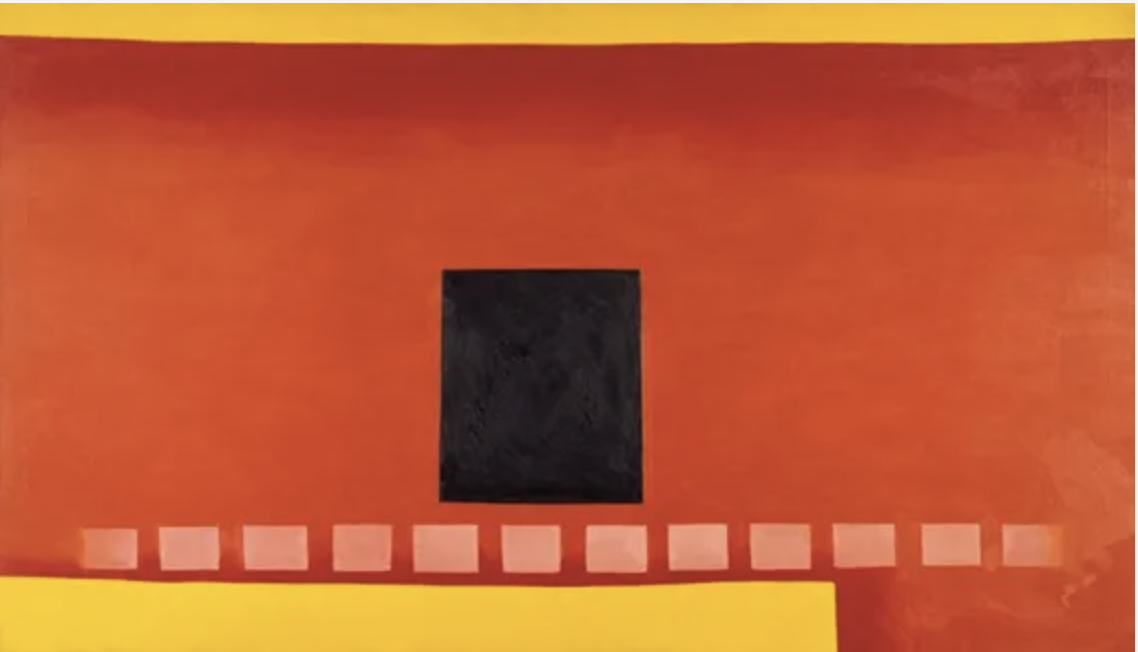
Perhaps peace is what happens when we understand where we are, what matters, and what is ours to care for.
I have felt that while preparing Before the Water Rose: Celilo Falls, 1956, the exhibition of Richard Stefani’s photographs opening later this month.
The work has required research, restoration, writing, editing, and many decisions about how the photographs should be seen and understood.
But beneath all of that is something quieter.
Stewardship.
Two Cameras, Two Rolls of Color Film
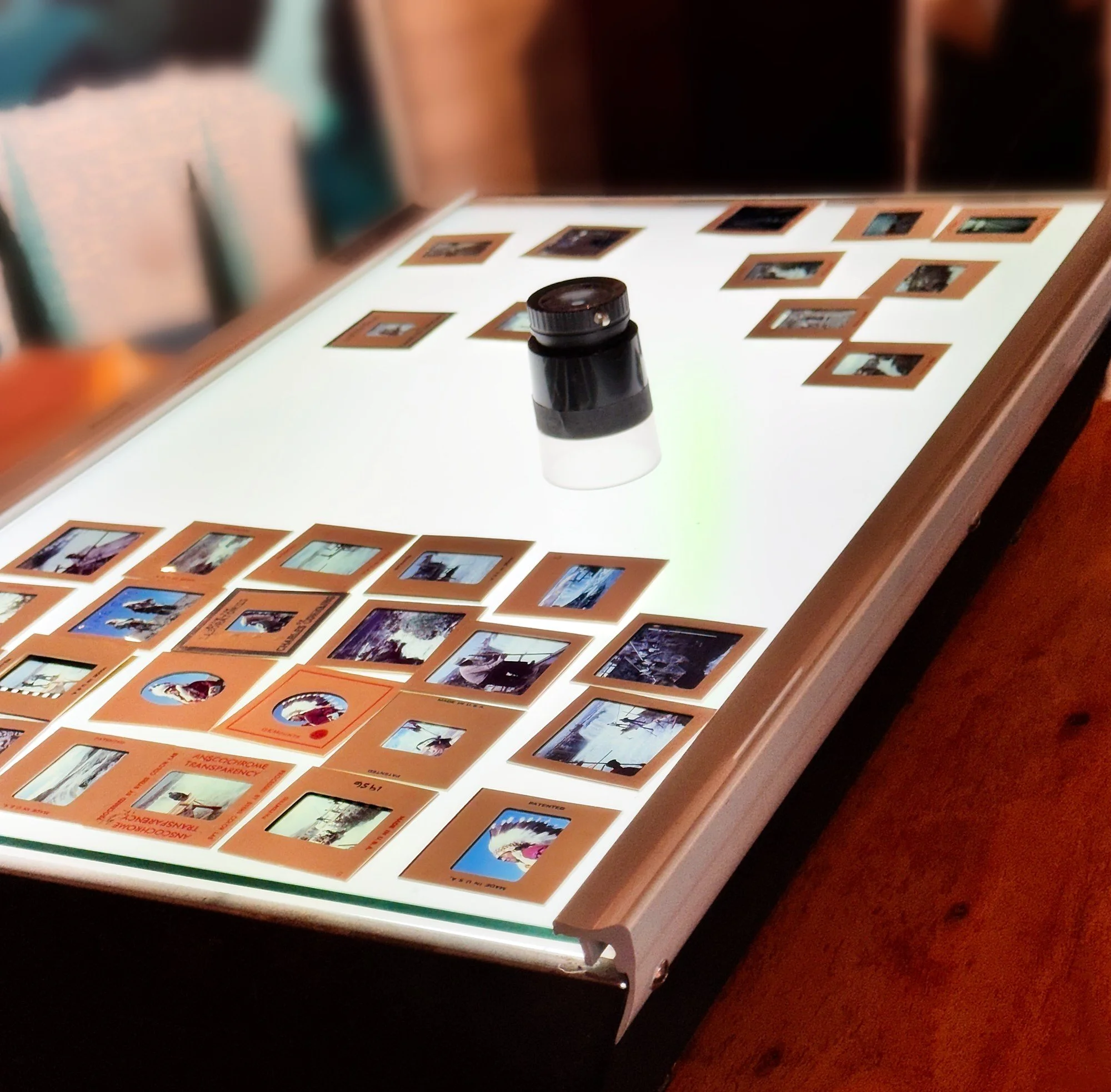
We live in a photographic culture of abundance.
A single afternoon can produce hundreds of images. We photograph a scene, check it, adjust, photograph it again, make variations, change positions, and keep working until we are satisfied.
Richard had no such luxury. Film imposed a discipline that digital photography has largely removed. Every exposure spent something.
The Beauty of Use: What Mingei Teaches Us About Living With Well-Made Things
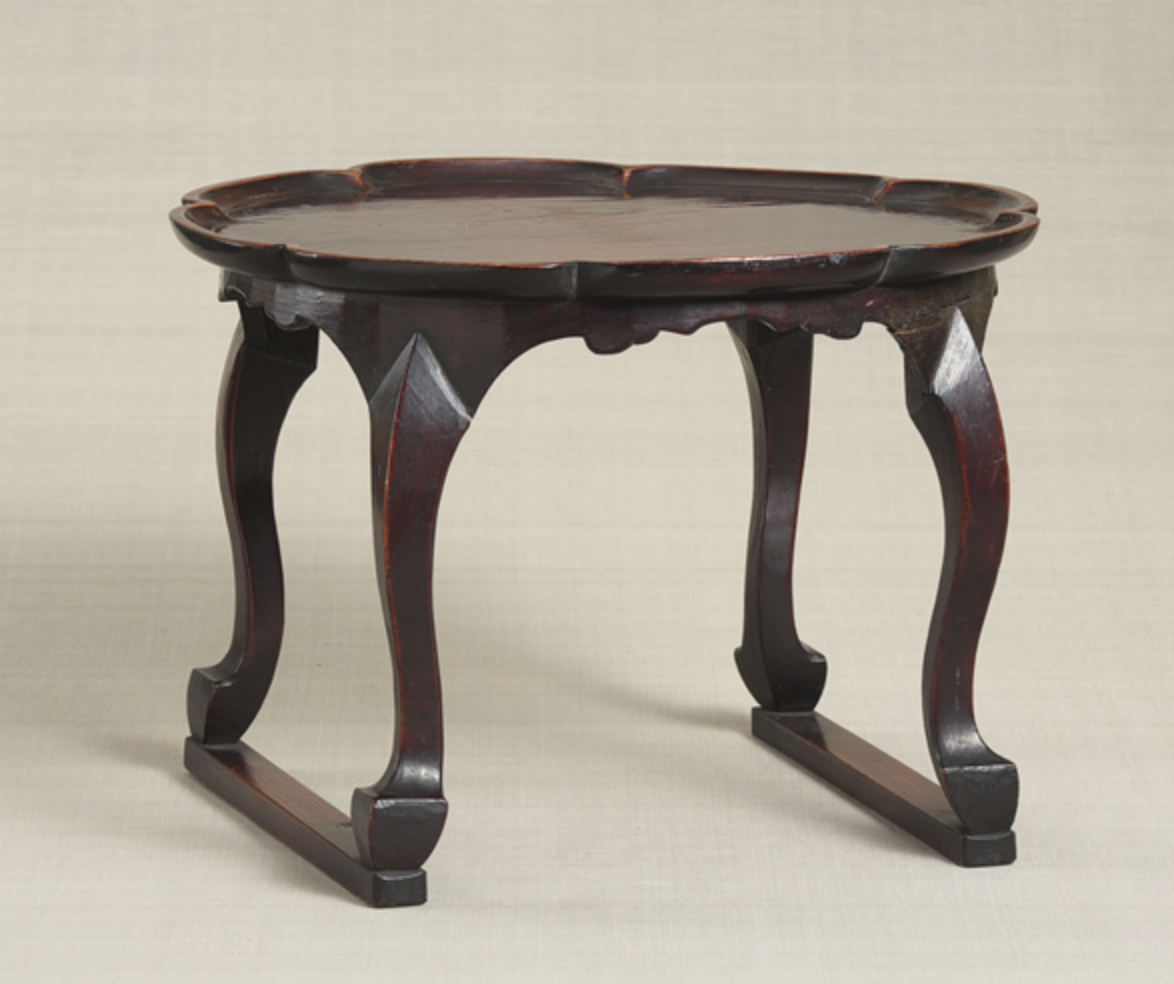
There are objects we admire, and there are objects we come to know.
A bowl used every morning. A knife that fits the hand. A linen cloth softened by years of washing. A wooden table marked by meals, conversations, work, and ordinary life.
Their beauty does not depend on remaining untouched.
It deepens through use.

This Week in Art, Design, and Culture: What Water Knows
Here in Oregon, the first rain after summer has a particular feeling. The light shifts. Greens seem deeper. Greys return to the sky. The landscape begins moving toward another season before the calendar has quite caught up.
Perhaps that is one reason I return to water so often. It is never really one color, never completely still, never exactly the same thing twice.
What Was Celilo Falls?
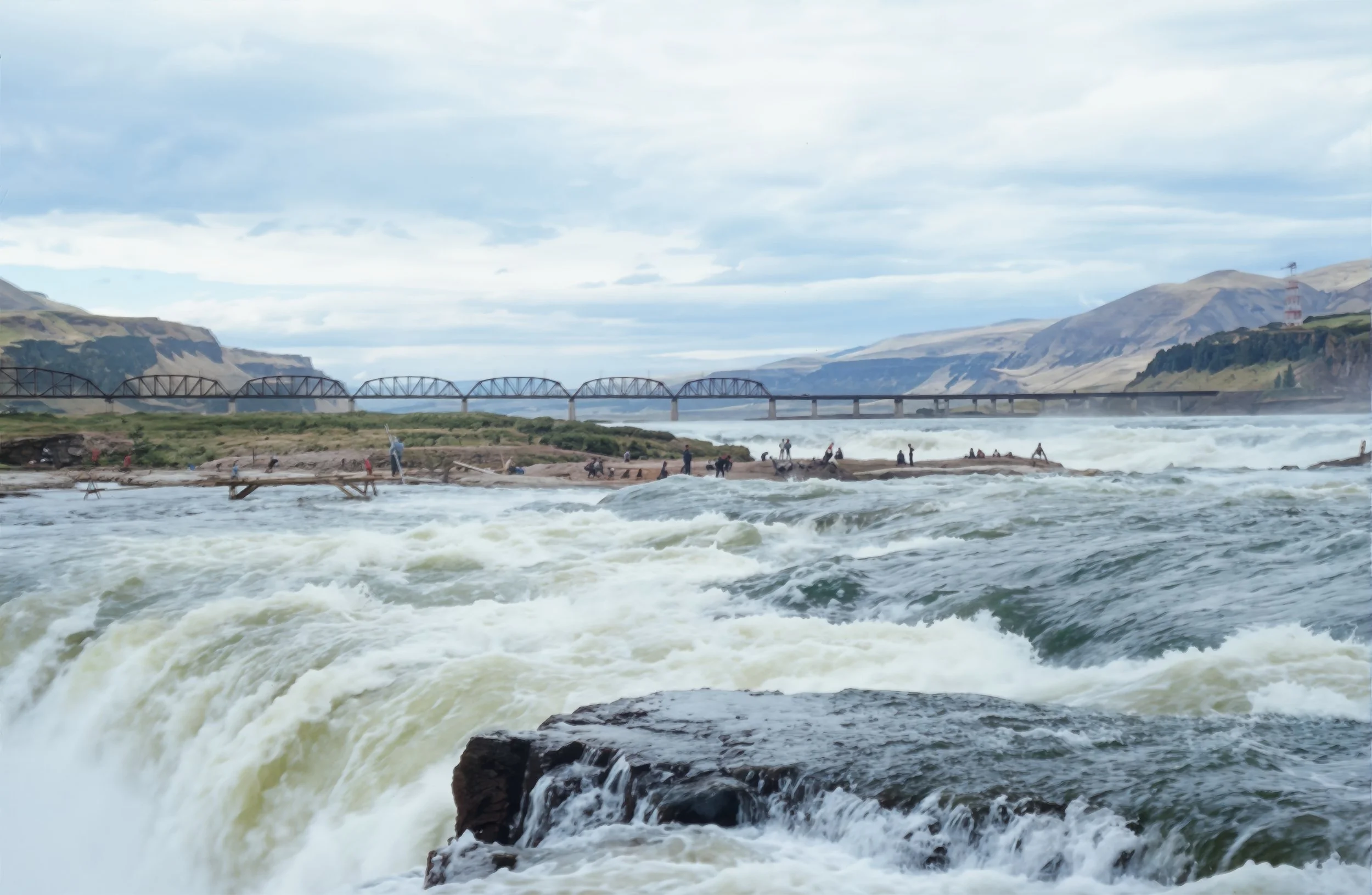
Celilo Falls was located on the mid-Columbia River, about twelve miles east of The Dalles, Oregon.
It was not a single picturesque waterfall in the way we might imagine one today. Celilo was part of an approximately nine-mile stretch of rapids, falls, channels, rocks, and fishing places along the Columbia.
At the falls, the river narrowed dramatically. In places, the Columbia was forced through a passage as narrow as forty feet. Over roughly half a mile, the river dropped more than eighty feet.
The result was extraordinary.
Richard Stefani at Twenty-Three
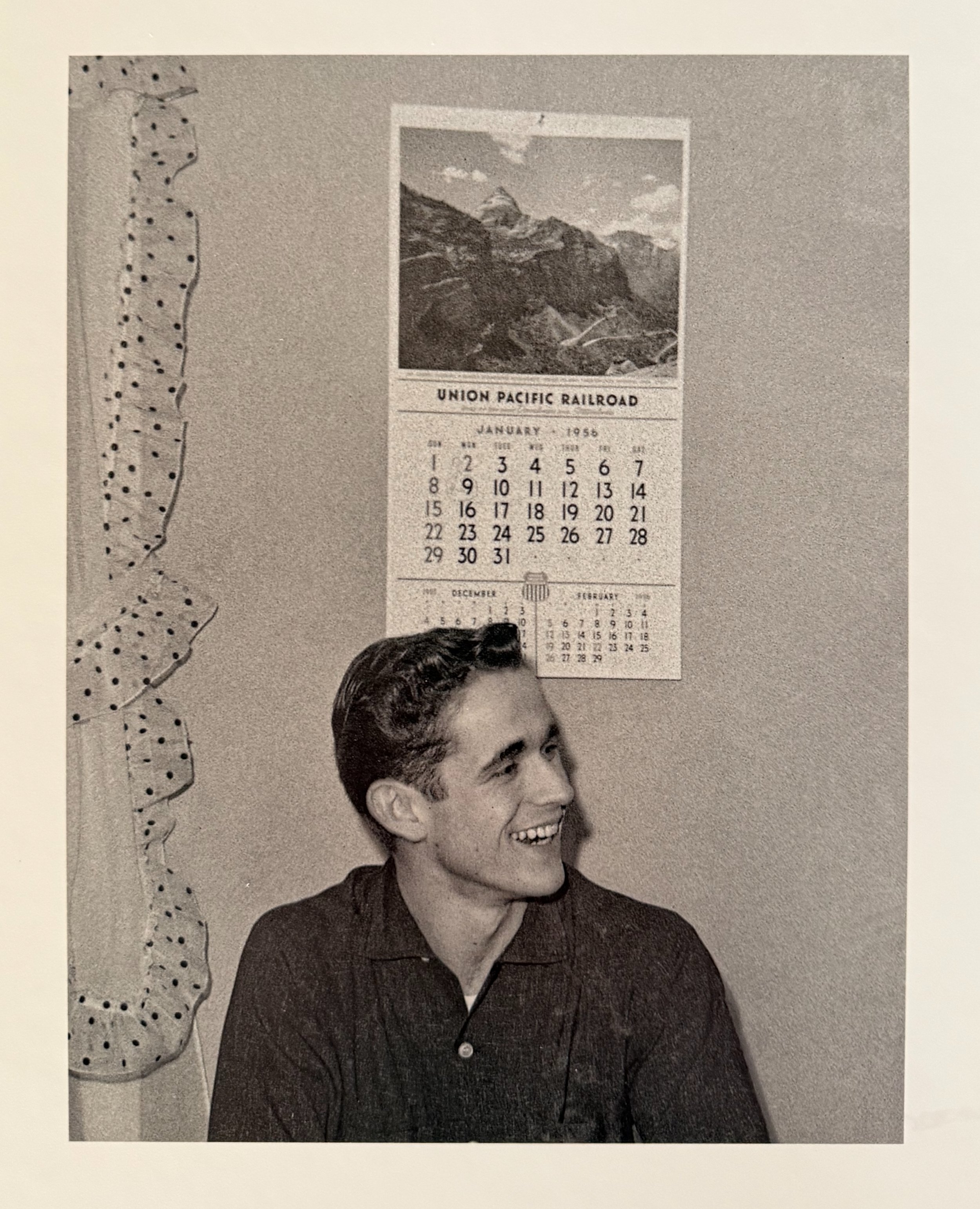
Before the studio, before the awards, before anyone knew his name, there was a young man learning to see. There is a photograph of Richard Stefani taken in January 1956. He is twenty-two years old, soon to turn twenty-three. He is sitting beneath a Union Pacific Railroad calendar, turned toward someone outside the frame. He is laughing.
There is nothing particularly historic about the moment. And that may be precisely why the photograph matters.
This Week in Art, Design, and Culture: Staying Long Enough to Know
Some things reveal themselves only through repetition.
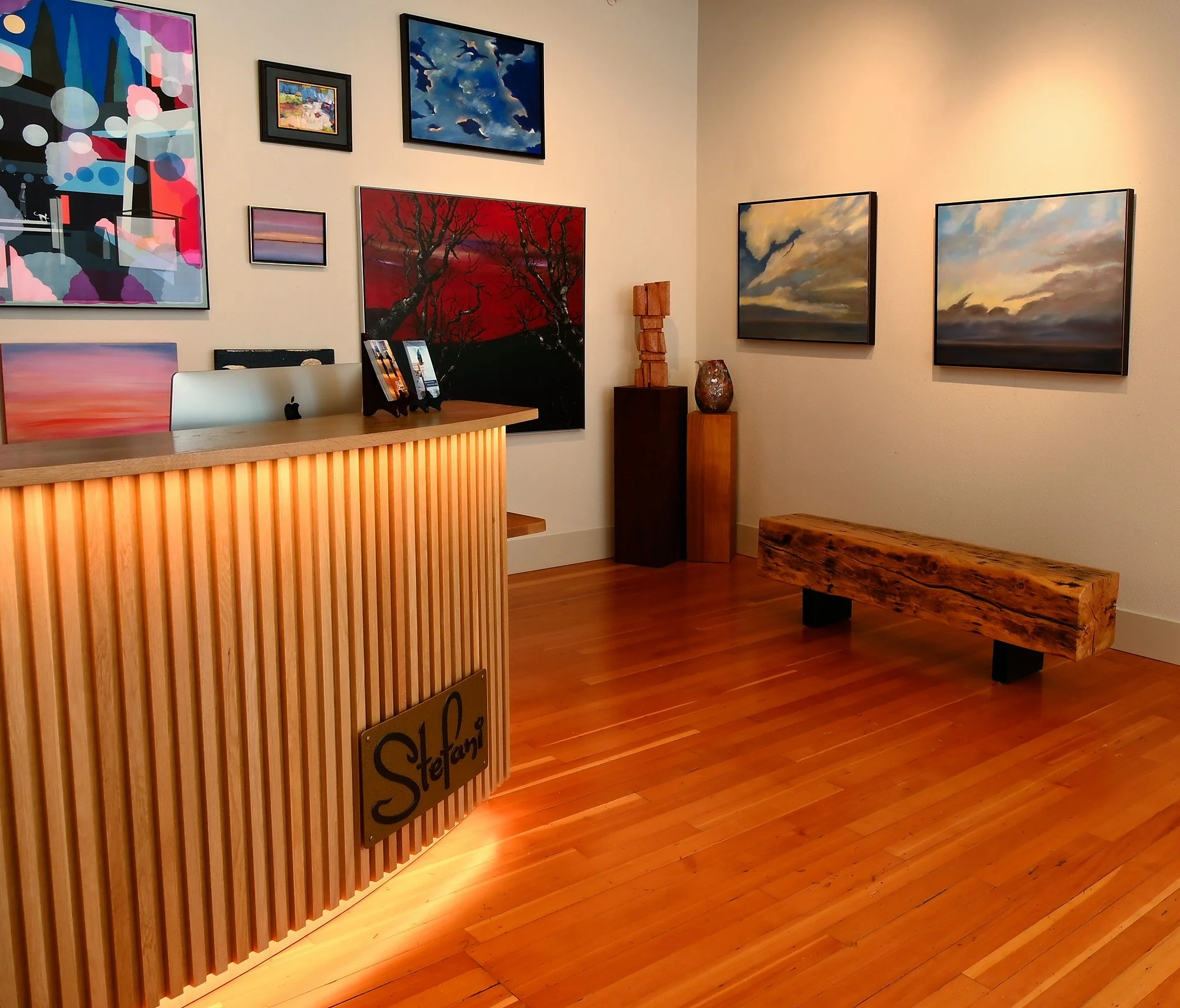
This week, a young girl sat quietly on one of the reclaimed-wood benches in the gallery and watched me paint.
Those benches have become part of the character of the space: warm, substantial, handmade, and meant to be used. She simply watched the brush move across the canvas, the colors change, a mark appear and then disappear beneath another one.
She did not seem impatient for anything to happen.
I have been thinking about that moment ever since.
Before the Water Rose: Celilo Falls
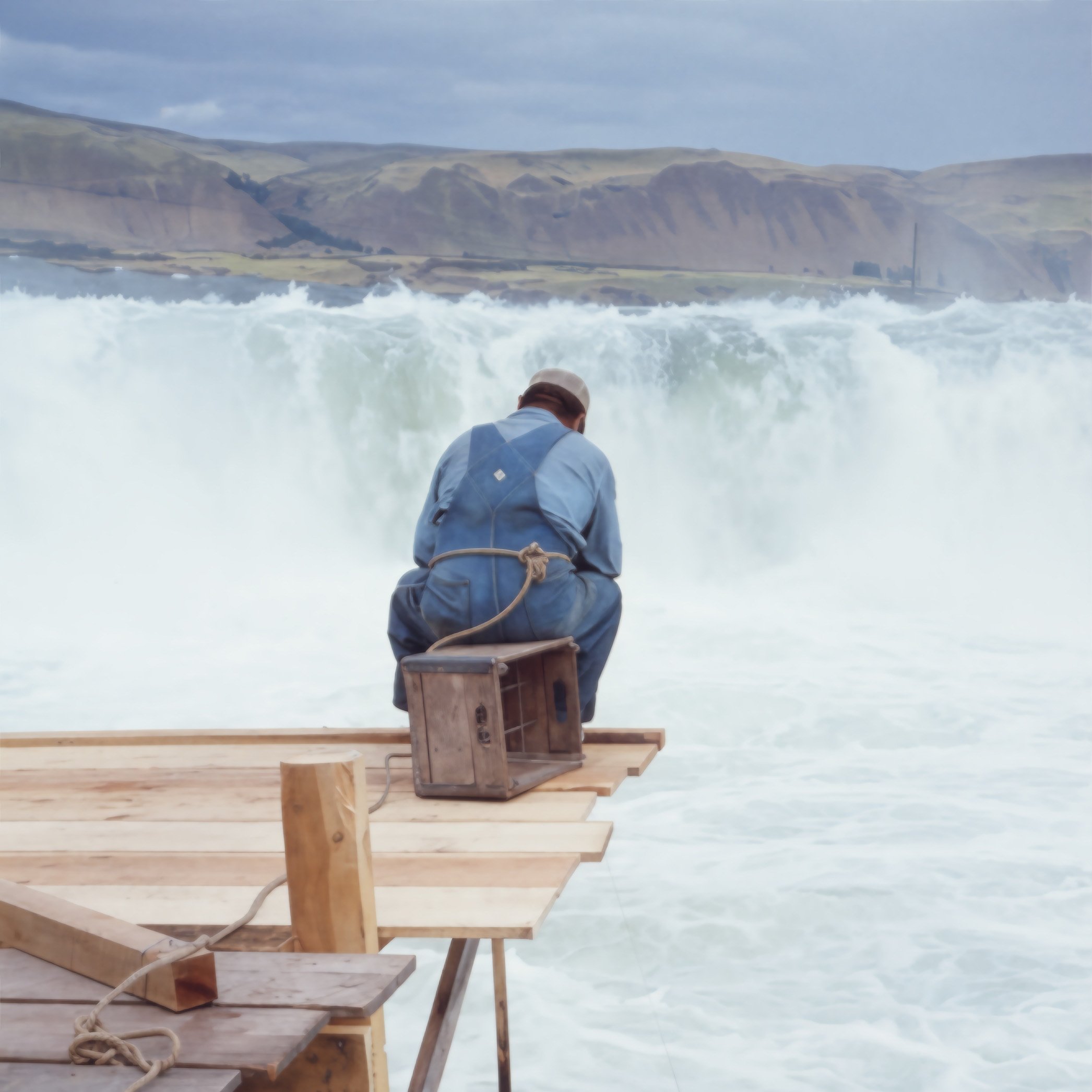
For millennia, the falls and the surrounding stretch of the Columbia were an important Indigenous fishery and gathering place. People traveled there to fish, trade, gather, and maintain relationships that extended across a vast region. The geography of the river created extraordinarily productive fishing sites, and generations of knowledge were embedded in how people worked within its powerful current.
In Richard's photographs, that history isn't abstract.
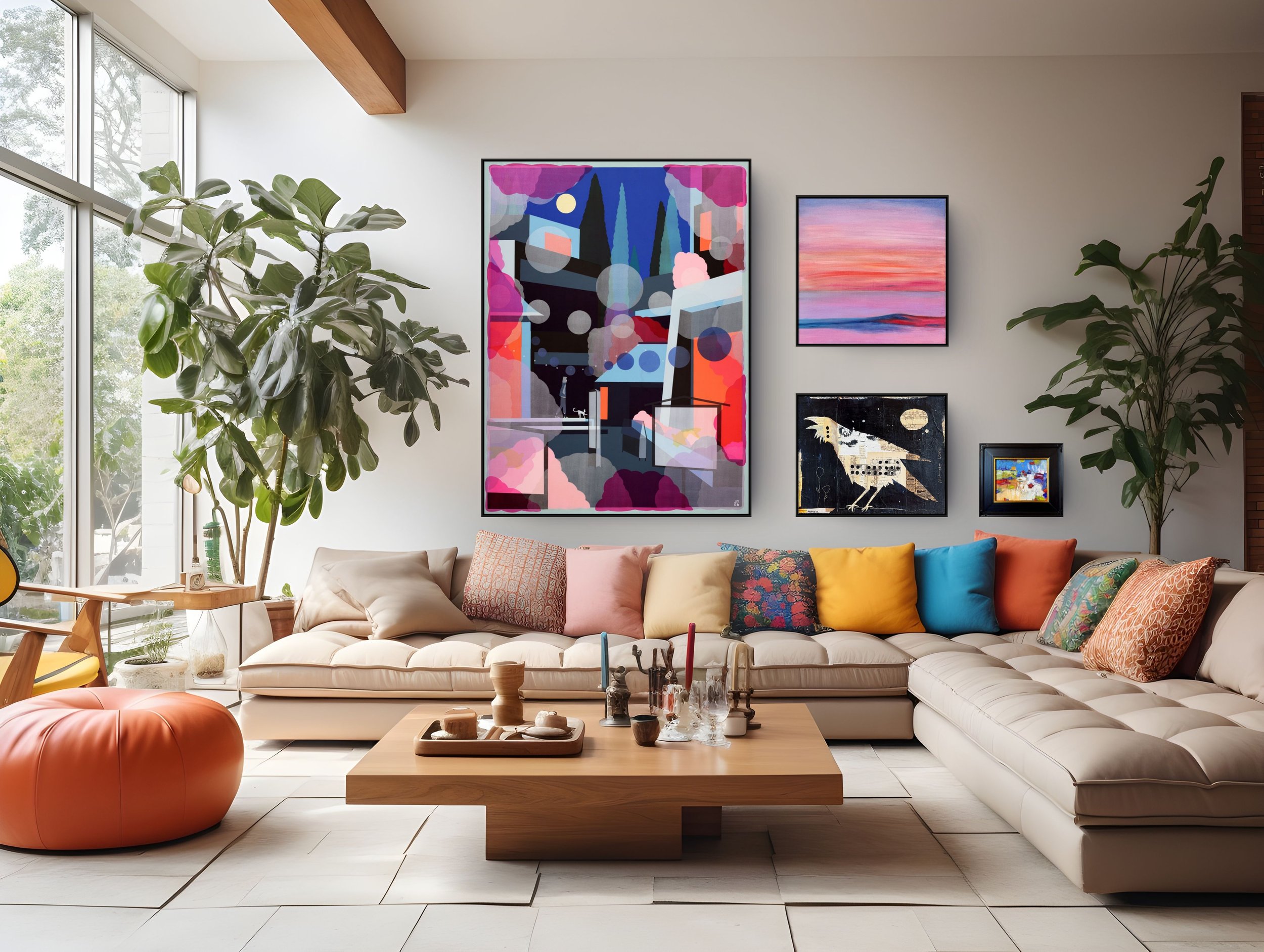
The Difference Between Decorative Art and Collectible Art
What makes something collectible art rather than decorative art?
It's a good question, partly because the distinction is not as obvious as it sounds.
After all, art is decorative.
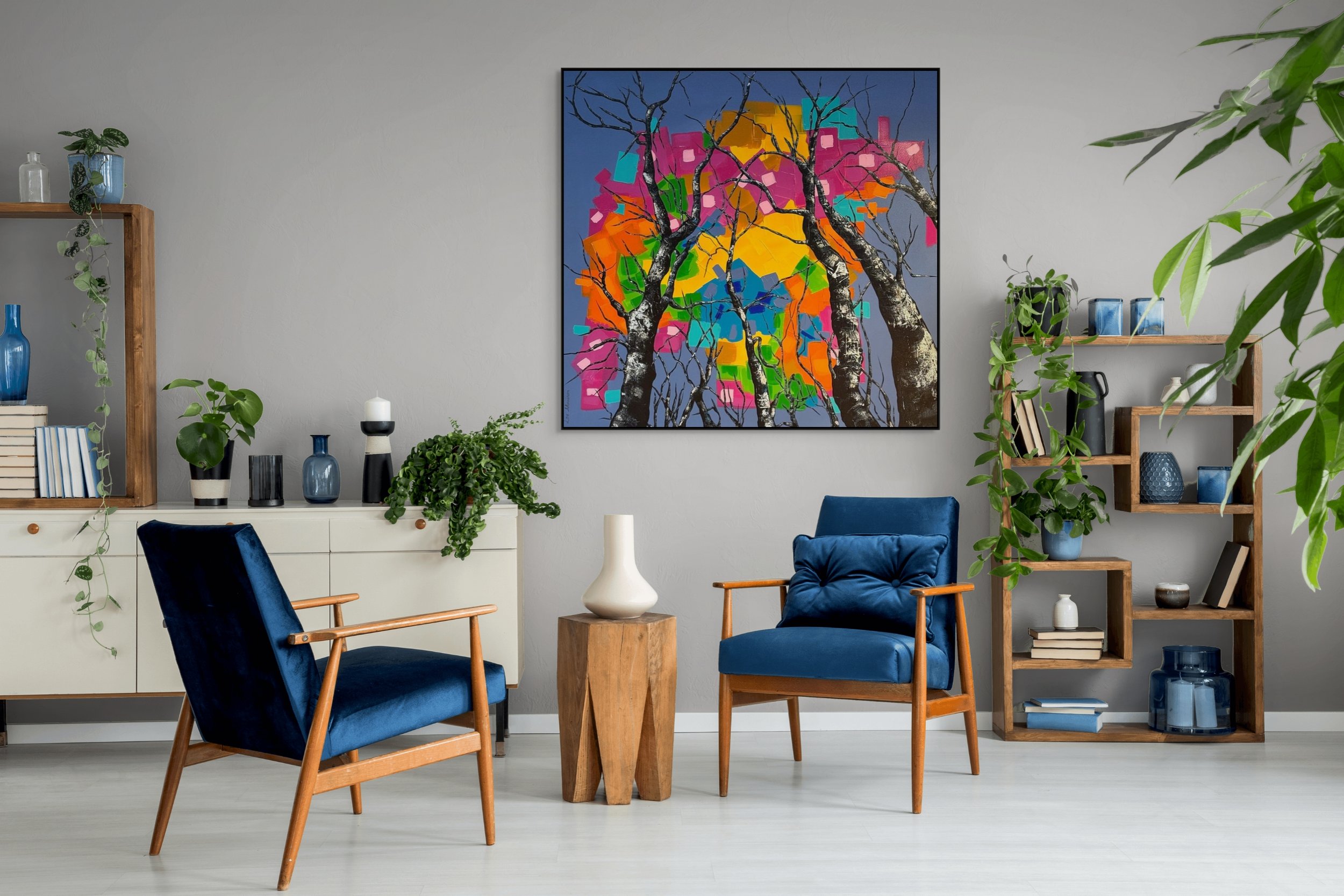
How to Start Collecting Original Art Without Spending a Fortune
There is a persistent idea that collecting original art is something you do after you become wealthy. Perhaps this comes from the way the art market is usually portrayed. We hear about paintings selling for $20 million or $100 million. We see photographs from major auction houses and international art fairs. It can make collecting seem like a world reserved for people with extraordinary resources and years of specialized knowledge.
But that isn't how most collections begin.

This Week in Art, Design, and Culture: The Beauty of Attention
Are we becoming hungry for quiet again?
I've been thinking about Lanai, a place that has stayed with me long after leaving it. About long meals. Real conversations. The ocean. The luxury of having nowhere else you need to be for a little while.
And I've been wondering whether what we're actually seeking is attention. Time to notice things.
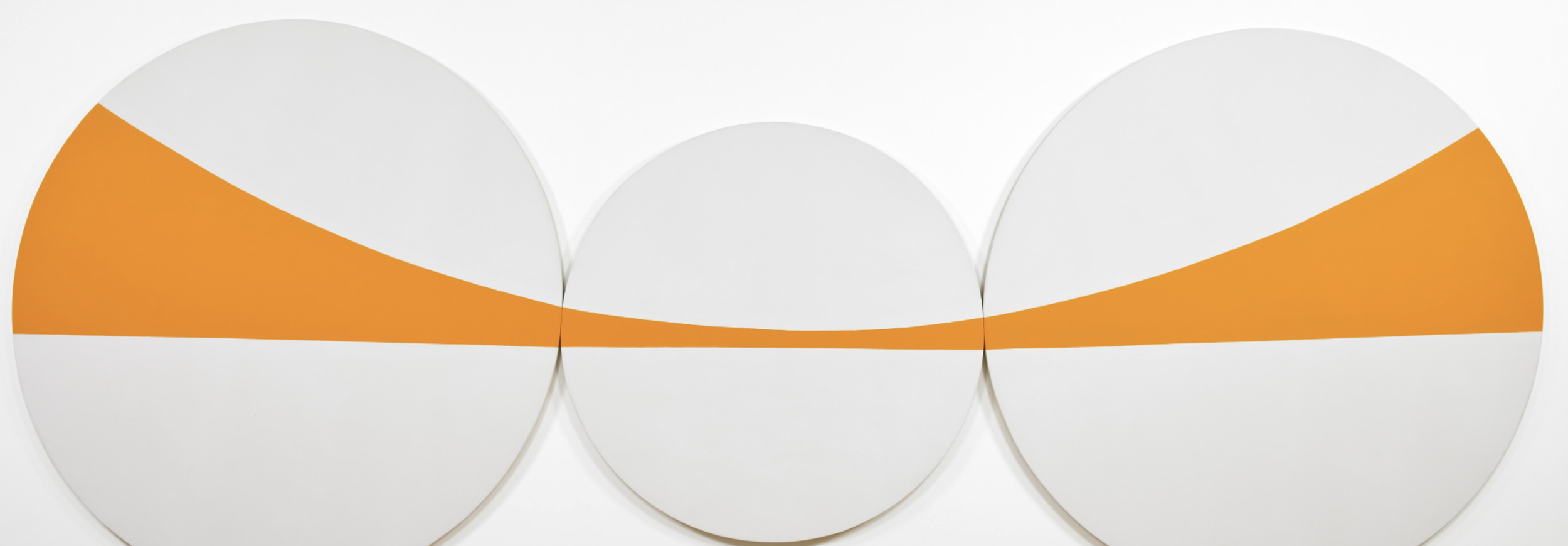
This Week in Art, Design, and Culture: Seeing, Color, Place, and Ritual
There are certain ideas that stay with us after we encounter them.
This week, I found myself thinking about how we see: how technology may be changing the very nature of images, how color can affect us before we consciously understand why, and how architecture can bring art, food, craft, and landscape together into a single experience.
And then there was Siena, Italy, one of my favorite cities in the world, and a centuries-old tradition I somehow had never fully understood.