When the Photographs Came Home
by Christina Stefani for House of Stefani
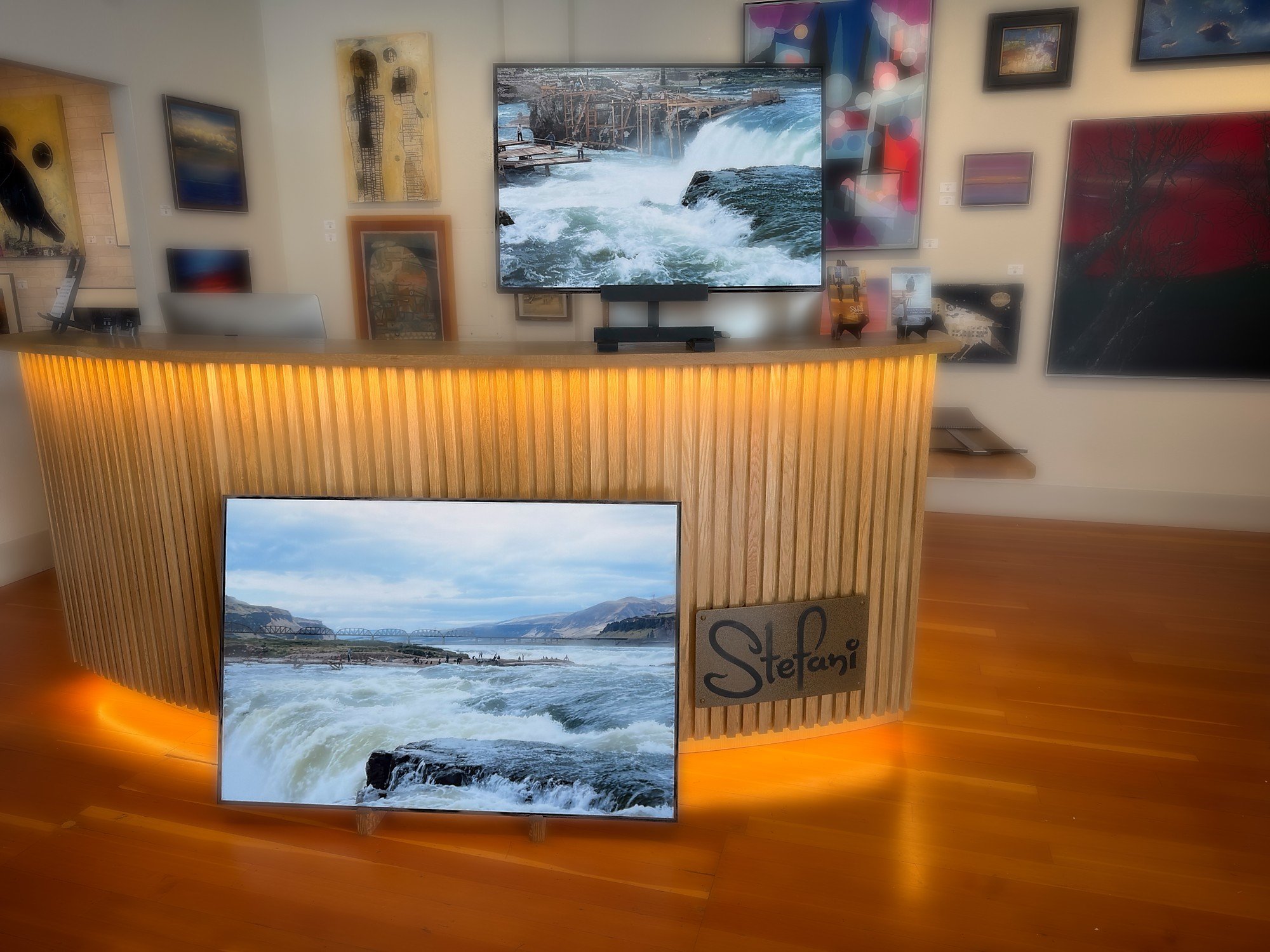
Framed photographs from Richard Stefani's 1956 Celilo Falls archive arriving at Stefani Art Gallery, September 2026. Photograph by Christina Stefani. ©Richard Stefani Estate
On Richard Stefani's Celilo Falls prints, grief, patience, and the practical work of stewardship
The first finished photographs arrived from Germany today.
I thought I was prepared to see them.
I wasn't prepared for what it would feel like.
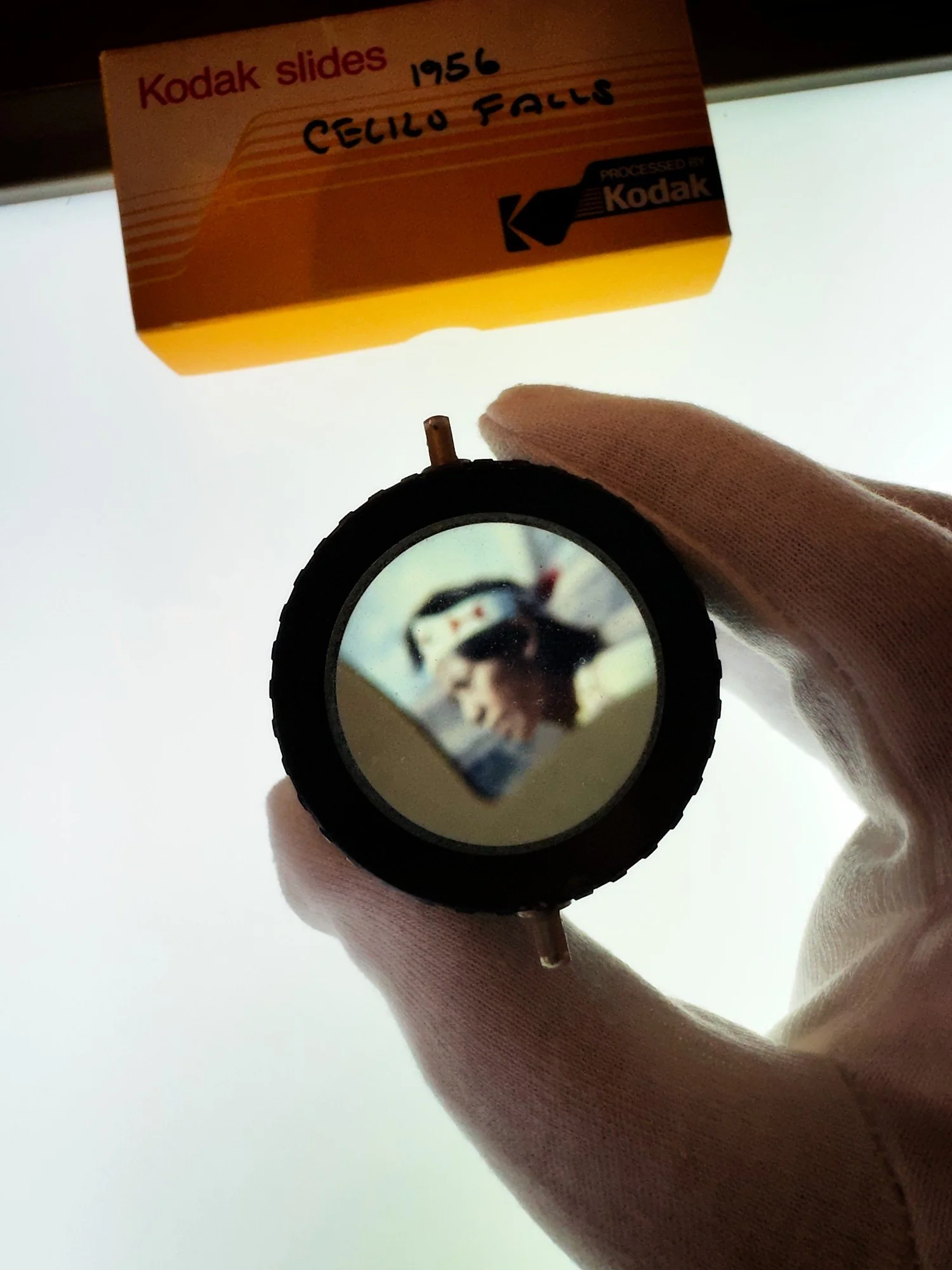
For months, I have known these photographs as small pieces of film.
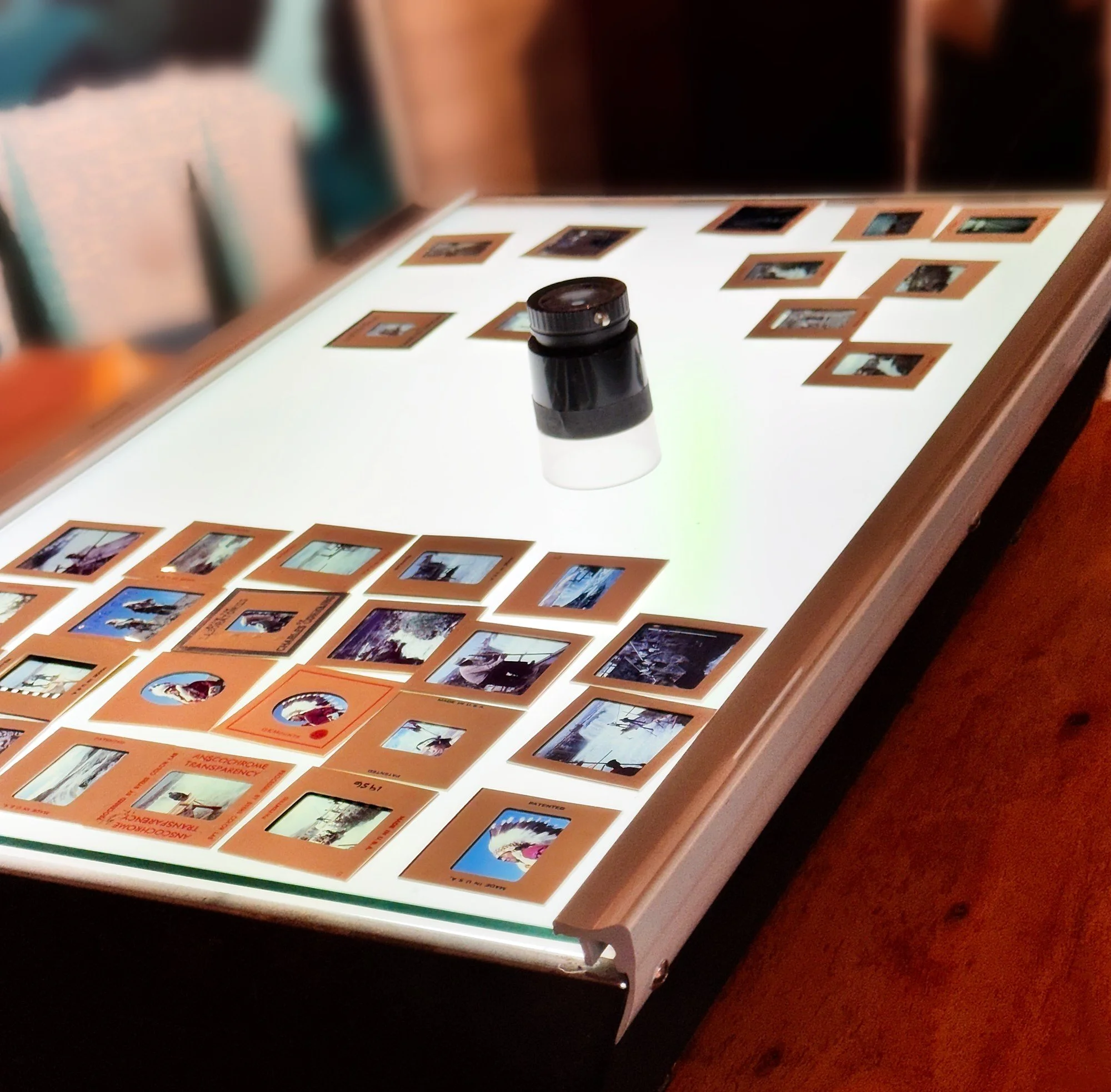
Slides on a light table.
High-resolution scans on a screen.
Files enlarged until a face becomes visible.
Dust removed carefully, one mark at a time.
Questions.
Research.
Titles.
Measurements.
Print specifications.
Shipping confirmations.
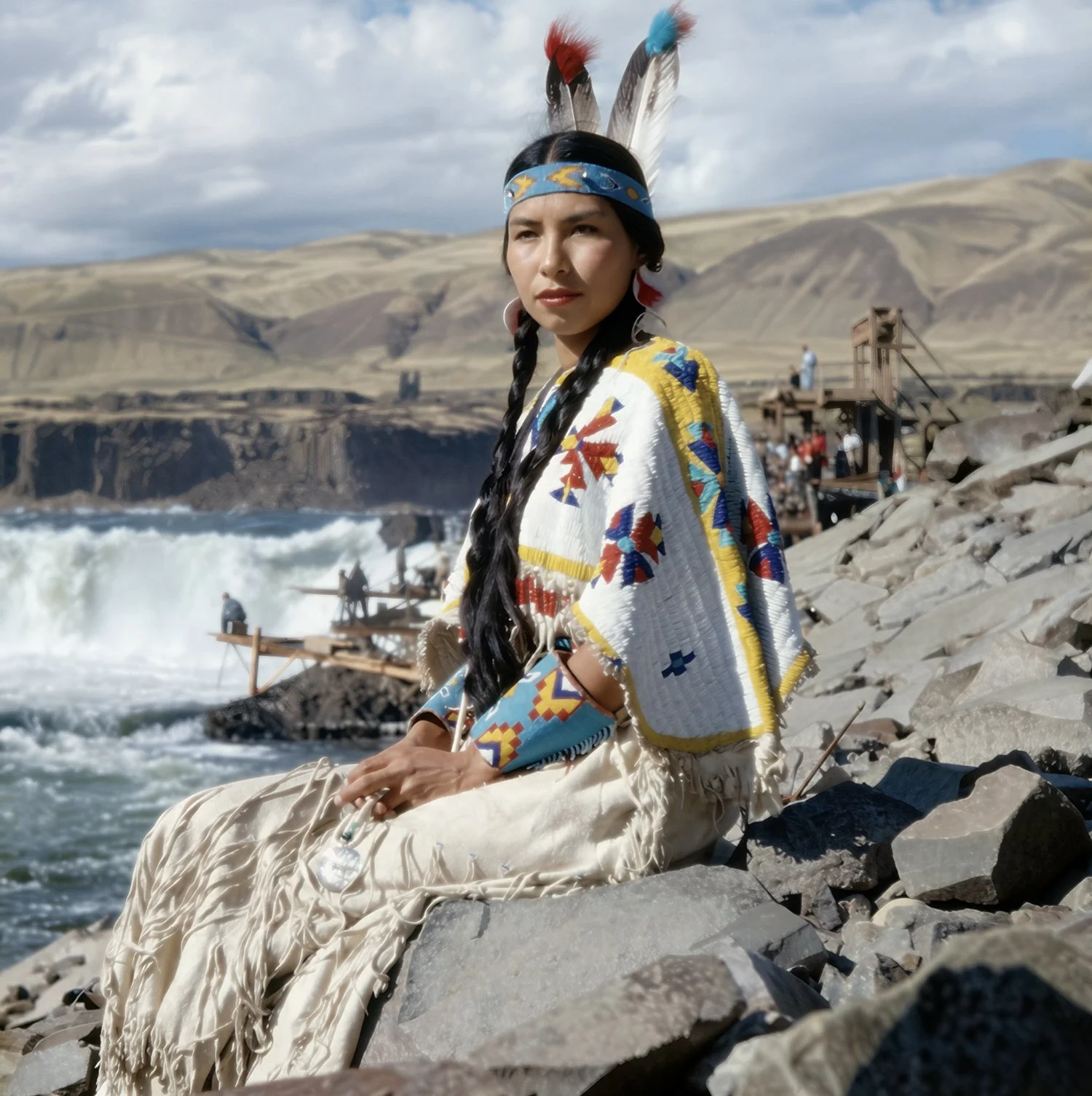
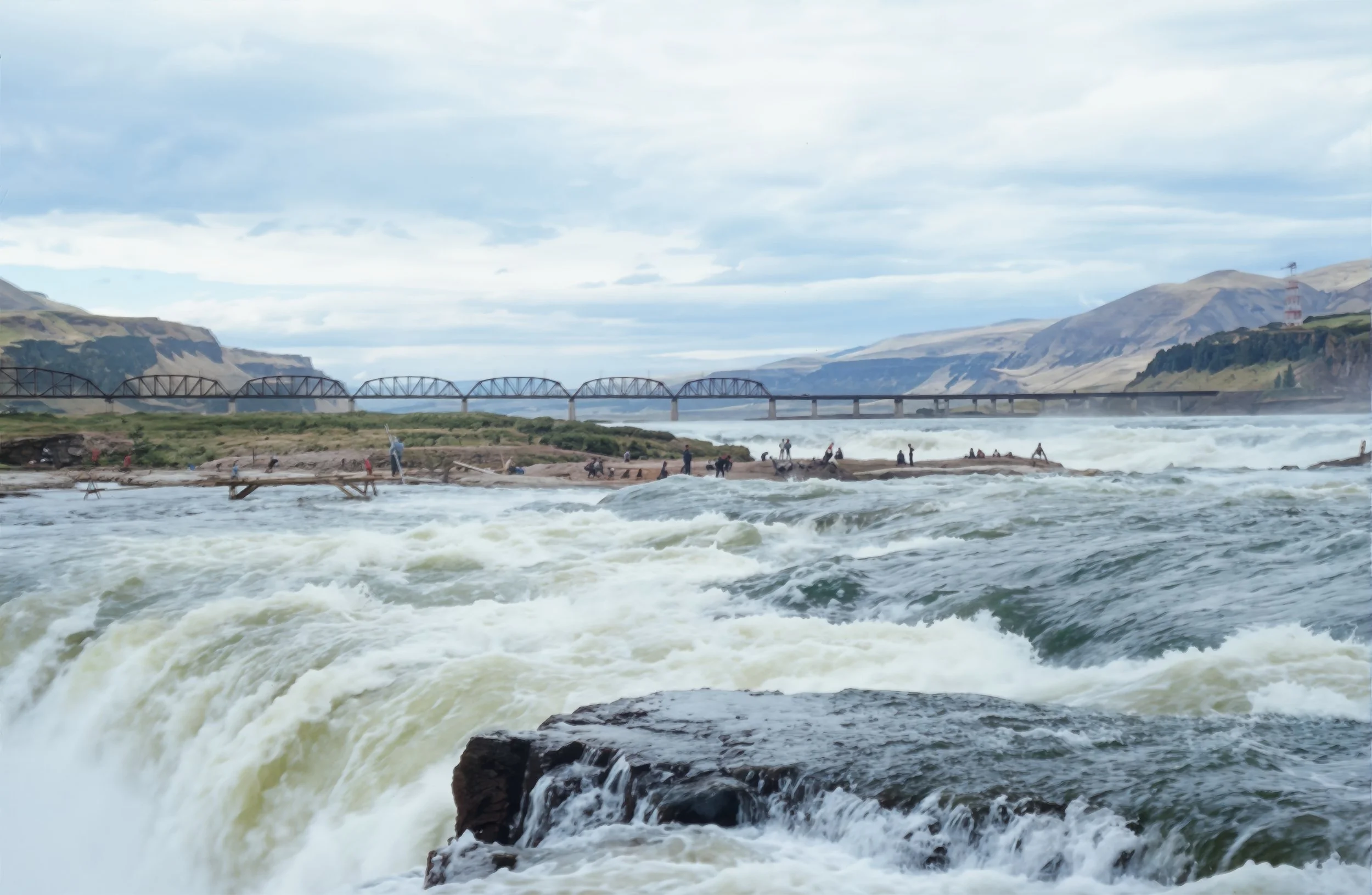
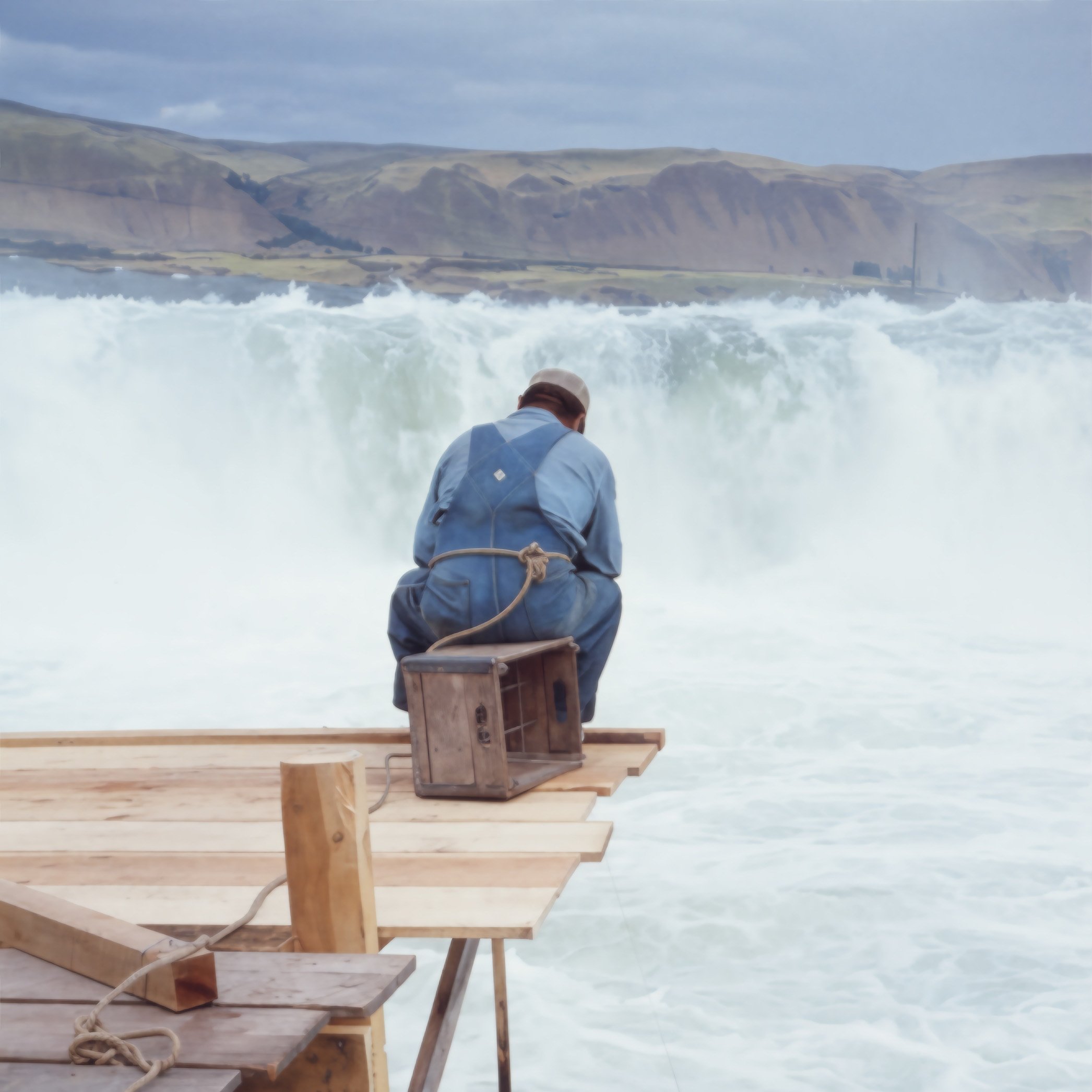
I have looked at Richard's photographs so many times that certain details have become familiar to me: a man's expression, the position of a fishing net, the color of the hills beyond the Columbia, the extraordinary white water of Celilo.
But today they became something else.
Photographs again.
Large, luminous, beautifully printed and framed.
Objects I could stand in front of.
Nearly seventy years after Richard stood beside the Columbia and released the shutter, his photographs were leaning against the walls of the gallery that bears our name.
And I felt almost everything at once.
Peace.
Memories.
Warmth.
Grief.
Stewardship.
Pride.
Love.
Awe.
It is strange how comfortably those feelings can occupy the same moment.
Peace does not cancel grief.
Pride does not erase absence.
Beauty does not make loss less true.
Sometimes, perhaps, love simply finds another form.
What Survives
There is something improbable about a photograph surviving for seventy years.
Film is small and vulnerable.
It can be scratched, faded, misplaced, discarded, damaged by heat or moisture, separated from whatever information once accompanied it.
Or it can simply remain in a box long enough that no one remembers why it matters.
Richard's Celilo negatives survived.
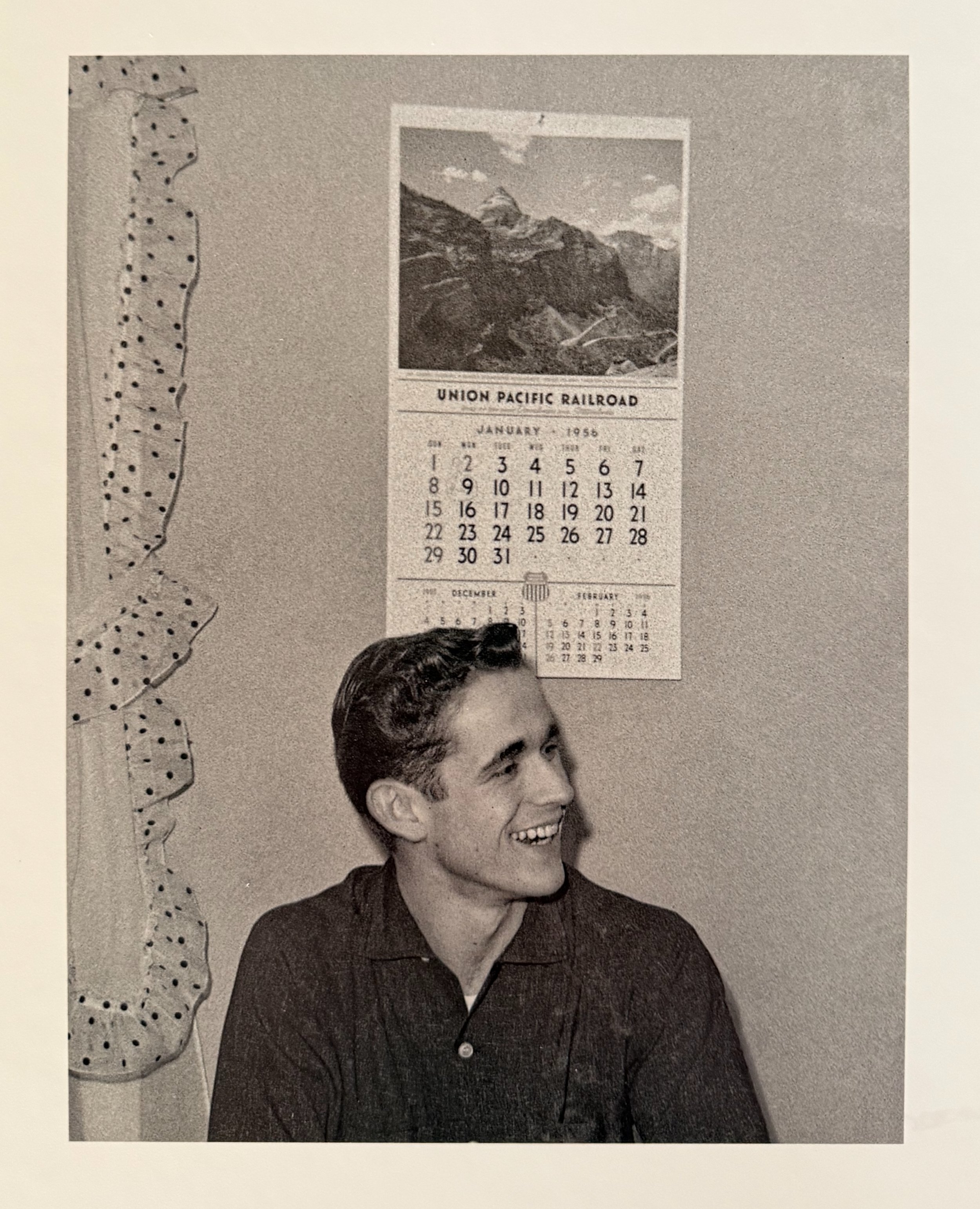
He made them in the fall of 1956, when he was twenty-three years old. He carried two cameras and two rolls of color film to Celilo Falls and returned with twenty-three photographs that remain in the archive today.
Then life continued.
Richard's professional career began. Stefani Photography was established. Decades of portraiture followed. Thousands upon thousands of other photographs were made.
The Celilo negatives remained.
Richard died in 2022.
The negatives remained.
And eventually I returned to them.
That is one of the peculiar things about an archive.
An object can wait.
From Film to Object
Preparing Before the Water Rose has required making decisions Richard never had to make.
How should these small pieces of film become photographs again?
How large should they be?
What should be corrected, and what belongs to the original negative?
How should the color feel?
How much should contemporary technology be allowed to do?
How should the photographs be framed?
What kind of glass?
How much space should exist between one image and another?
These may sound like production questions.
They are.
But they are also curatorial ones.
Every decision changes, however subtly, the way another person will encounter Richard's photograph.
The original negatives were newly scanned at high resolution. The exhibition prints were then produced in Germany to the highest available archival standards and placed in understated black wood frames beneath low-reflection glazing.
The presentation is intentionally quiet.
I don't want the frame to tell the viewer how important the photograph is.
I want the photograph to do that.
And today, for the first time, I could see whether all of those decisions worked.
For the most part, they did.
The photographs are beautiful.
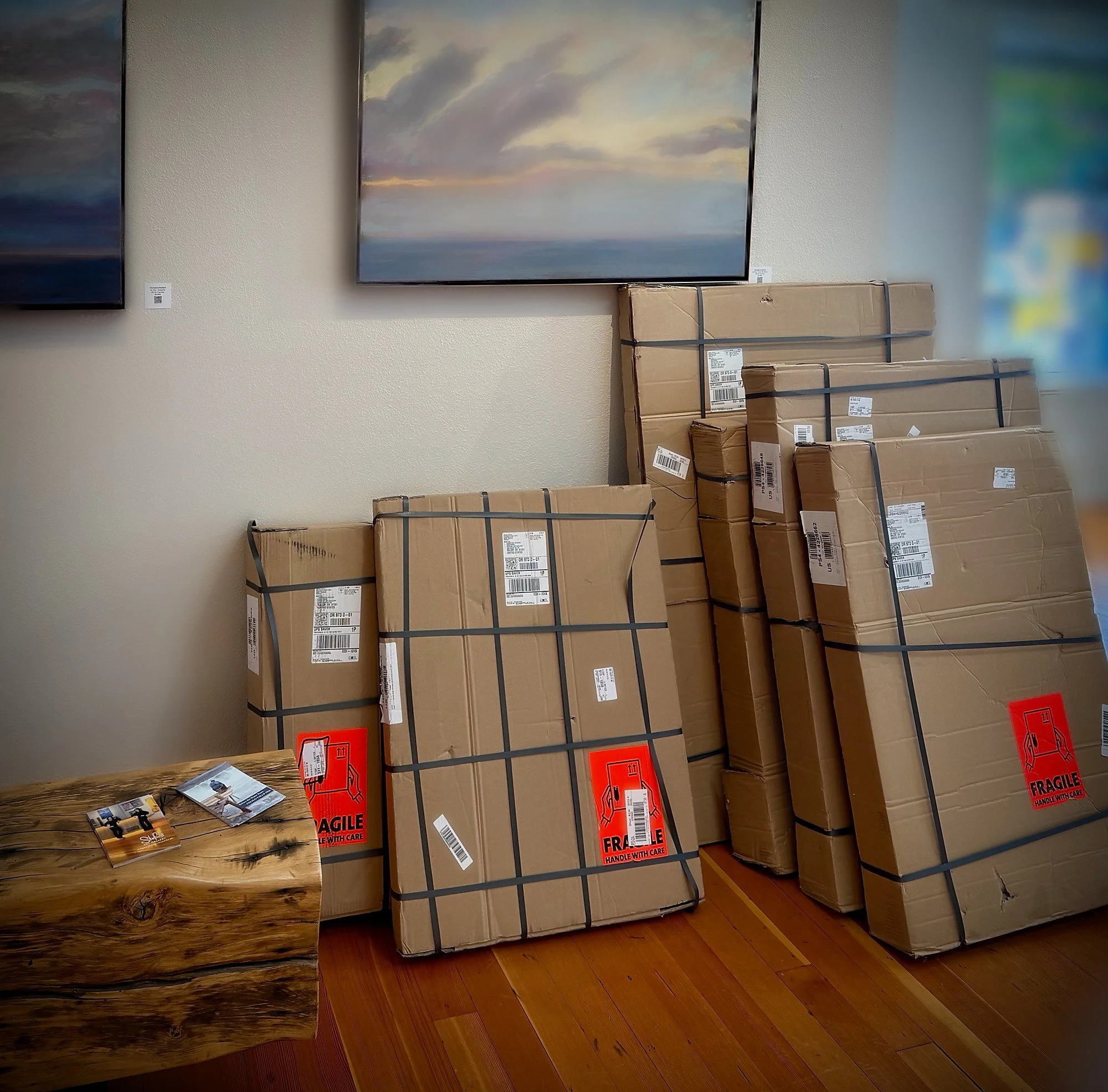
The first shipments of exhibition photographs, produced and framed in Germany, awaiting inspection at Stefani Art Gallery.
And Then One Was Wrong
Because this is an exhibition being made in the real world rather than an idea existing perfectly in my head, one of the important photographs was printed incorrectly.
A vertical image had been produced horizontally.
For a moment, all the emotion of seeing Richard's photographs at this scale collided with something considerably less poetic:
a production problem.
The exhibition opens in Oregon in less than two weeks.
The photographs are being produced in Germany.
The image matters to the exhibition.
And it was wrong.
There was no philosophical response required.
There was a problem to solve.
The error was confirmed. A replacement was arranged. The photograph will be printed again.
Whether it will make the journey from Germany to Oregon in time for the opening is something I don't yet know.
And once everything that could be done had been done, there was nothing left to do.
I had to wait.
The Useful Kind of Patience
Patience is easy to admire when everything is unfolding beautifully.
It becomes more useful when the important photograph arrives printed the wrong way.
There is a version of patience that sounds passive: waiting quietly for circumstances to resolve themselves.
That isn't what today required.
First came attention.
Something was wrong.
Then action.
Find the problem. Communicate clearly. Correct what can be corrected. Make the next decision.
And then, only after the work has been done, accept what is no longer yours to control.
Perhaps that is the more useful kind of patience.
Not indifference.
Not resignation.
Composure.
The ability to keep caring without allowing care to become panic.
I am learning that exhibitions require quite a lot of it.
So do archives.
So, perhaps, does love.
Love, Translated Into Work
I have used the word stewardship often while preparing this exhibition.
It is an important word to me.
But words can become abstract when we use them often enough.
Today I understood it differently.
Stewardship is love made practical.
Researching the history is stewardship.
Handling the negatives carefully is stewardship.
Looking closely enough to distinguish damage from information on the film is stewardship.
Refusing to identify someone until the evidence supports the name is stewardship.
Choosing the right scale for a photograph is stewardship.
Checking a frame when it arrives is stewardship.
Catching an error is stewardship.
Making the telephone call is stewardship.
Ordering the replacement is stewardship.
Waiting for it is stewardship too.
None of those things is particularly grand.
Together, they are how something is carried forward.
Perhaps that is what love often becomes when it is asked to endure beyond a moment.
Not simply feeling.
Work.
Attention.
Responsibility.
Care repeated in small, practical acts.
Love, translated into work.
The Person Who Isn't Here
I wish Richard could see these photographs.
There is no more complicated truth in this project than that.
I wish he could walk into the gallery and see what the twenty-three-year-old version of himself made beside the Columbia.
I wish I could watch his face as he encountered the photographs again at this scale.
I wish I could ask which frames he remembered making.
I wish I could tell him what we have learned about Celilo.
I wish I could show him the faces we are still trying to identify.
I wish he could see what has grown from those two rolls of film.
There are so many things I would like to tell him.
But stewardship exists partly because time does not give us everything we wish for.
Sometimes the person who made the work is no longer here to carry it forward.
Someone else must pick it up.
That responsibility can be heavy.
Today it didn't feel heavy.
It felt like a privilege.
Coming Home
There are still photographs in transit.
There is still a replacement print somewhere between a corrected file and a box that I hope will arrive in Oregon before September 26.
There are labels to finish.
Walls to prepare.
Works to hang.
People to welcome.
Questions we have not answered.
Names we do not yet know.
The exhibition is not finished.
But today something changed.
Richard's photographs are no longer only negatives in the archive or images glowing on my computer screen.
They have physical presence again.
Soon they will hang on the walls.
People Richard never met will stand in front of them.
They will see the Columbia as his camera saw it in 1956.
They will look into the faces of people whose names we are still trying to learn.
They will notice things I have missed.
Perhaps someone will know something we don't.
The photographs will begin another life.
I wish Richard could be here for that.
But his attention is here.
His eye is here.
The fraction of a second in which he chose to release the shutter is here.
And the photographs are here.
For today, that is enough.
We carried them this far.
Editor's Note
This essay is part of The Before the Water Rose Journal, an ongoing series exploring Celilo Falls, Richard Stefani's 1956 photographs, the people and places they preserve, and the process of bringing this remarkable archive forward with care. The series will continue through the presentation of Before the Water Rose: Celilo Falls, 1956, and beyond, as research and new understanding of the photographs continue to emerge.