The Magazine
Reflections on art, design, lifestyles, and cultural stewardship.
Explore
Learning to See:
Essays on art, beauty, observation, and the practice of paying attention.
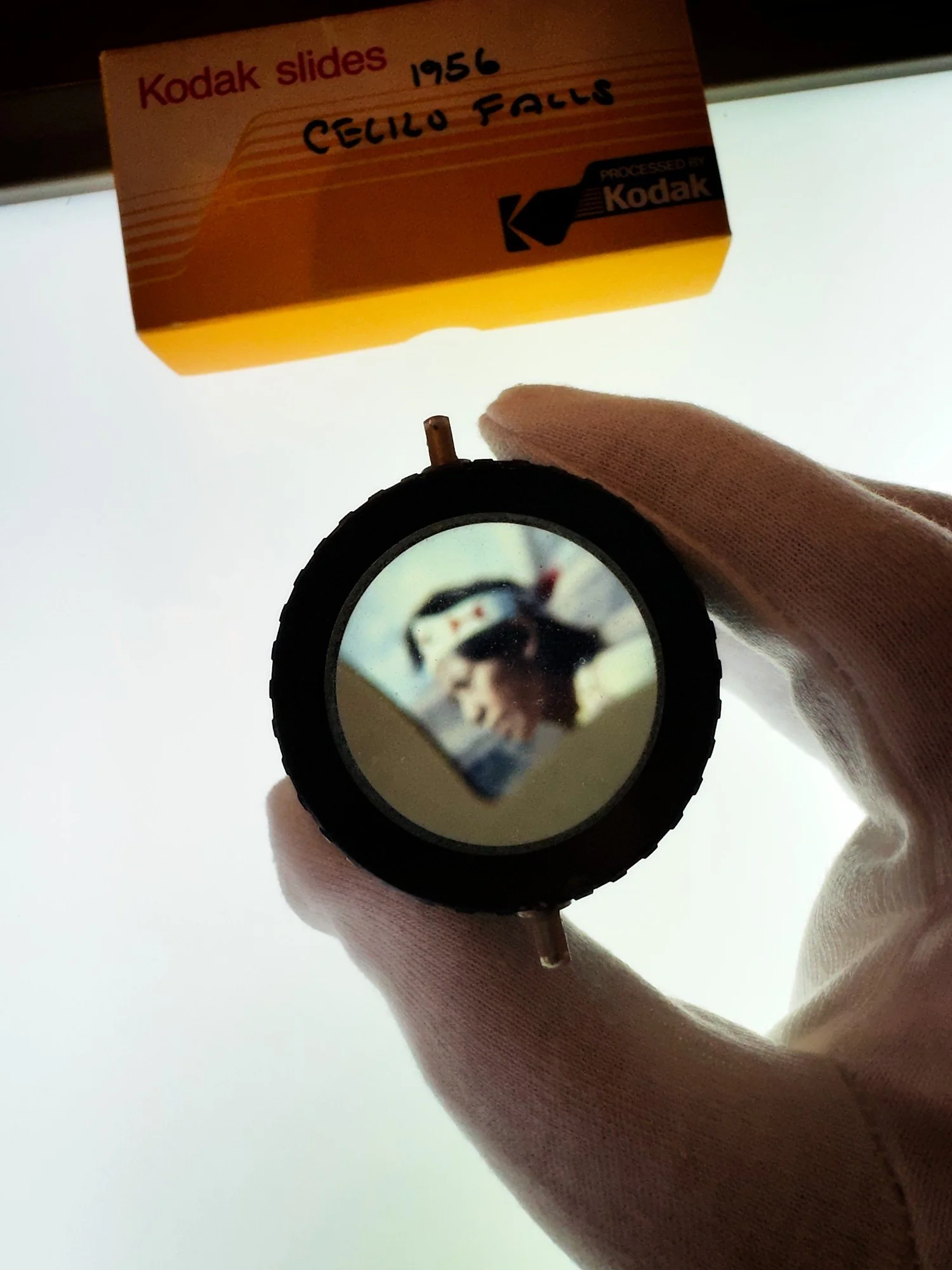
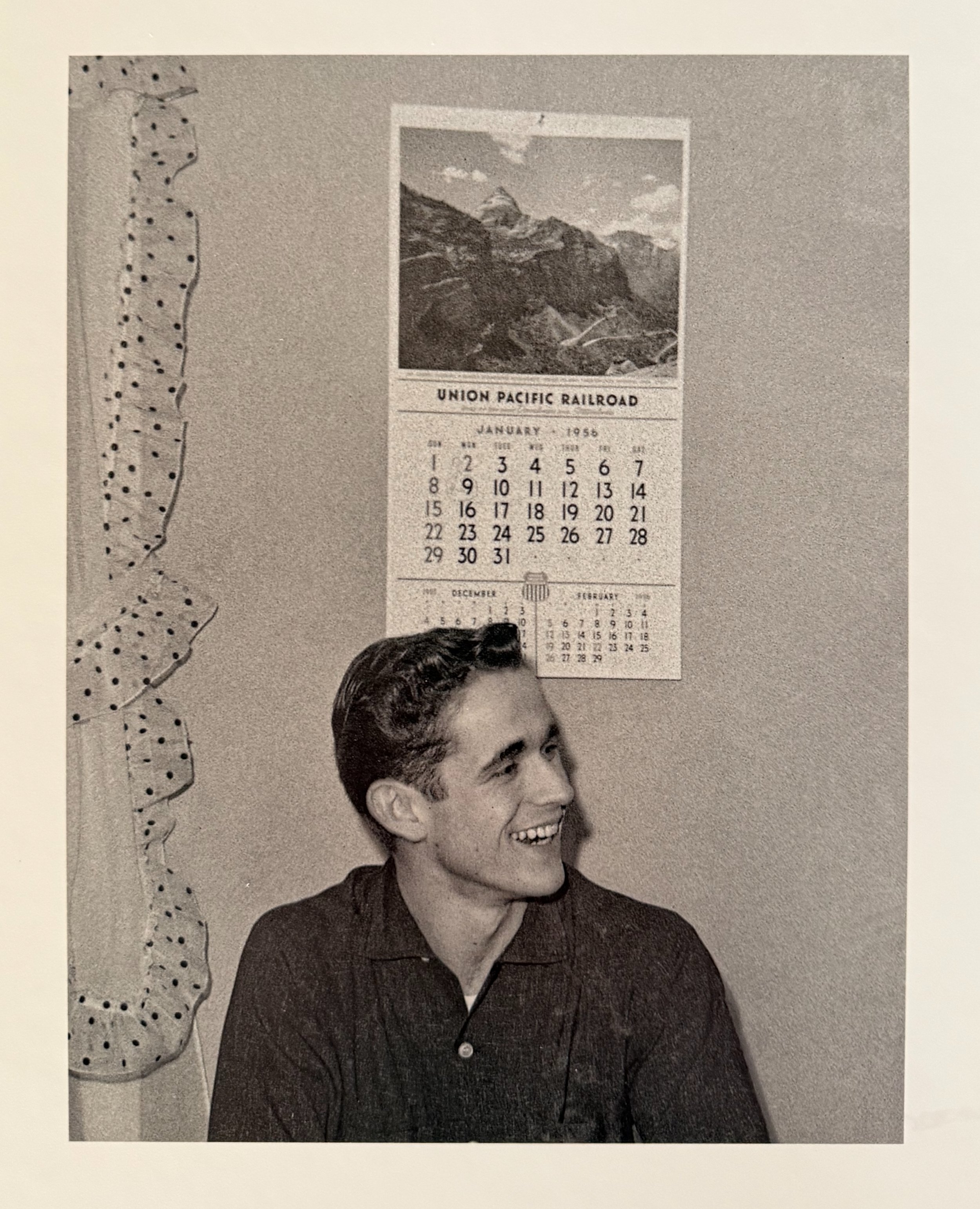
For millennia, the falls and the surrounding stretch of the Columbia were an important Indigenous fishery and gathering place. People traveled there to fish, trade, gather, and maintain relationships that extended across a vast region. The geography of the river created extraordinarily productive fishing sites, and generations of knowledge were embedded in how people worked within its powerful current.
In Richard's photographs, that history isn't abstract.
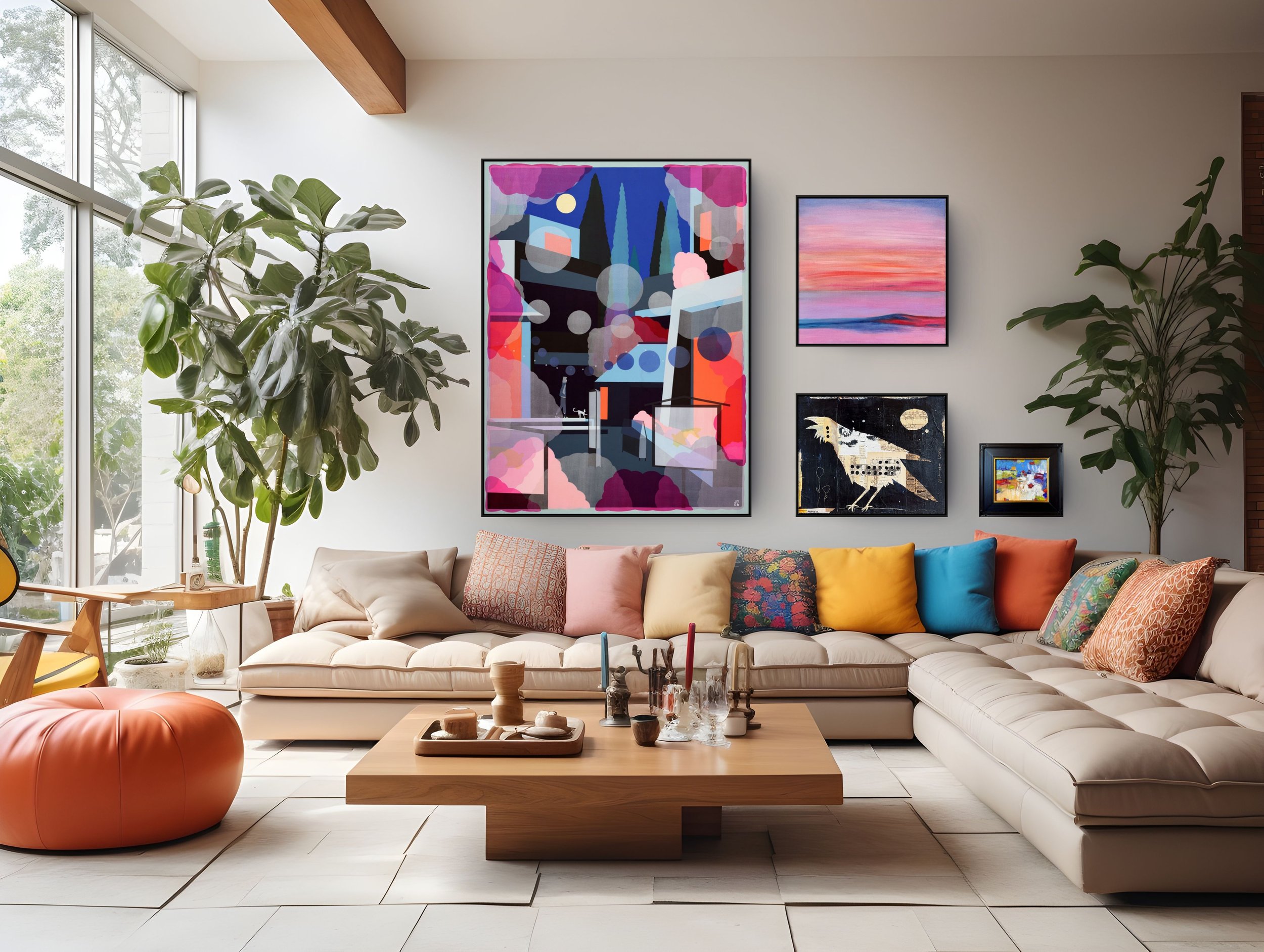
People often ask how to begin collecting art. They expect practical advice. What should I buy? Which artists are a good investment? How do I know if something is authentic? Those are worthwhile questions. But they are not the first questions.
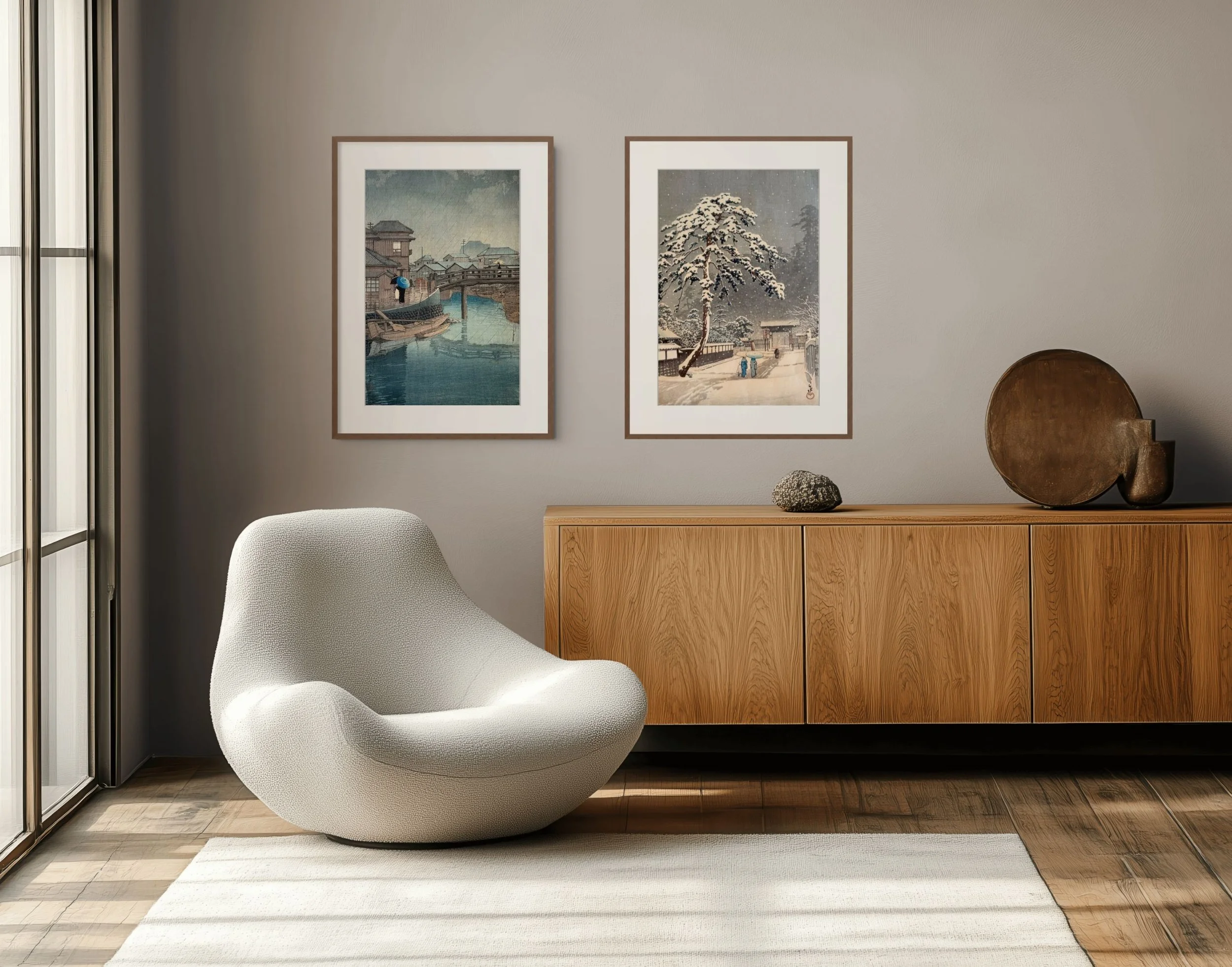
"Snow does not erase the world. It reveals what was always essential." There is a curious thing that happens after a snowfall.The world becomes quieter. Not only because snow absorbs sound, though it does. It is quieter because our attention changes. We walk more slowly. We notice footprints. We hear our own breathing.
There is a temptation in museums and galleries to ask: "What does this picture mean?"
Sometimes a better question is: "What does this picture help me notice?"
Collecting & Living With Art:
Guidance for discovering, choosing, caring for, and building a meaningful collection.
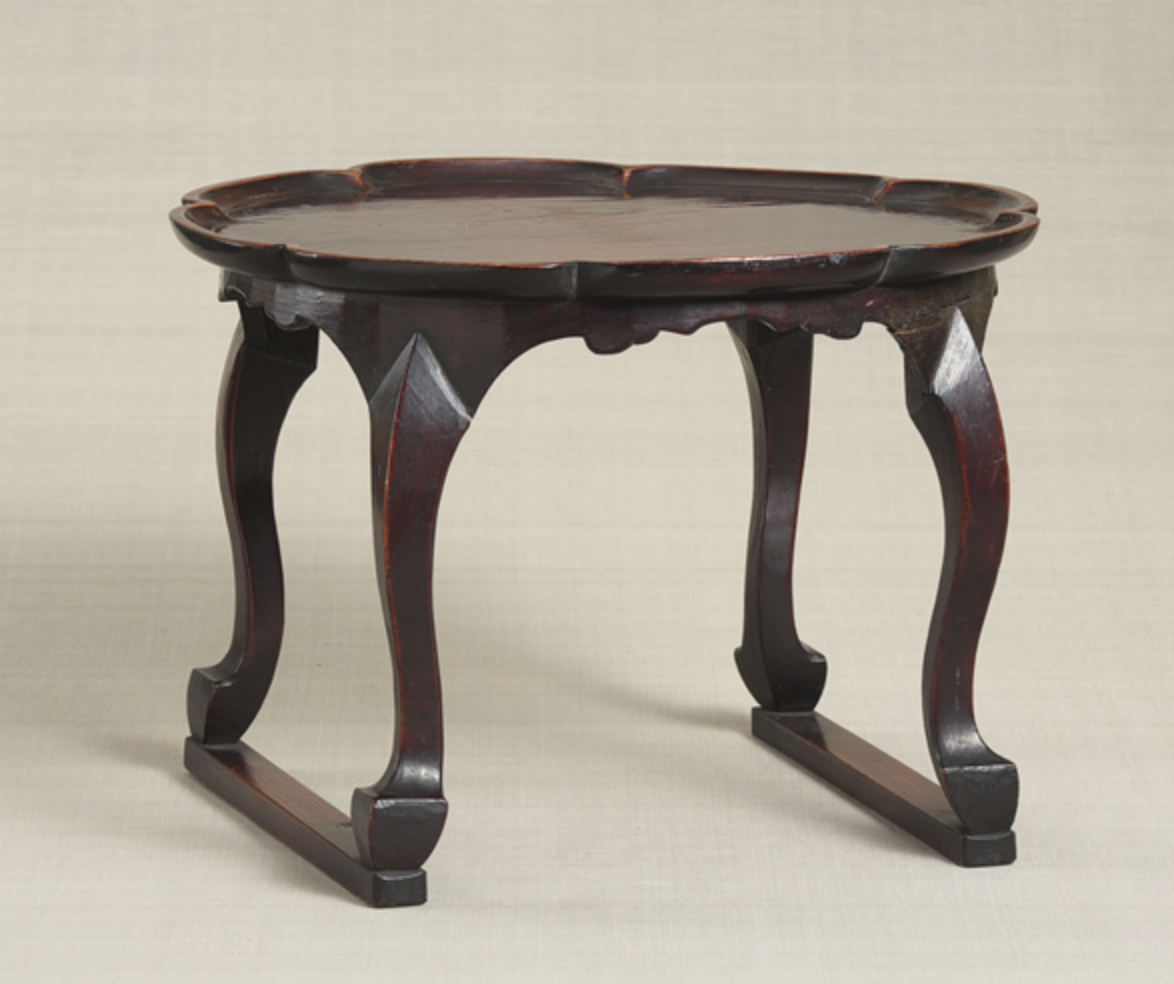
What makes something collectible art rather than decorative art?
It's a good question, partly because the distinction is not as obvious as it sounds.
After all, art is decorative.
There is a persistent idea that collecting original art is something you do after you become wealthy. Perhaps this comes from the way the art market is usually portrayed. We hear about paintings selling for $20 million or $100 million. We see photographs from major auction houses and international art fairs. It can make collecting seem like a world reserved for people with extraordinary resources and years of specialized knowledge.
But that isn't how most collections begin.
People often ask how to begin collecting art. They expect practical advice. What should I buy? Which artists are a good investment? How do I know if something is authentic? Those are worthwhile questions. But they are not the first questions.
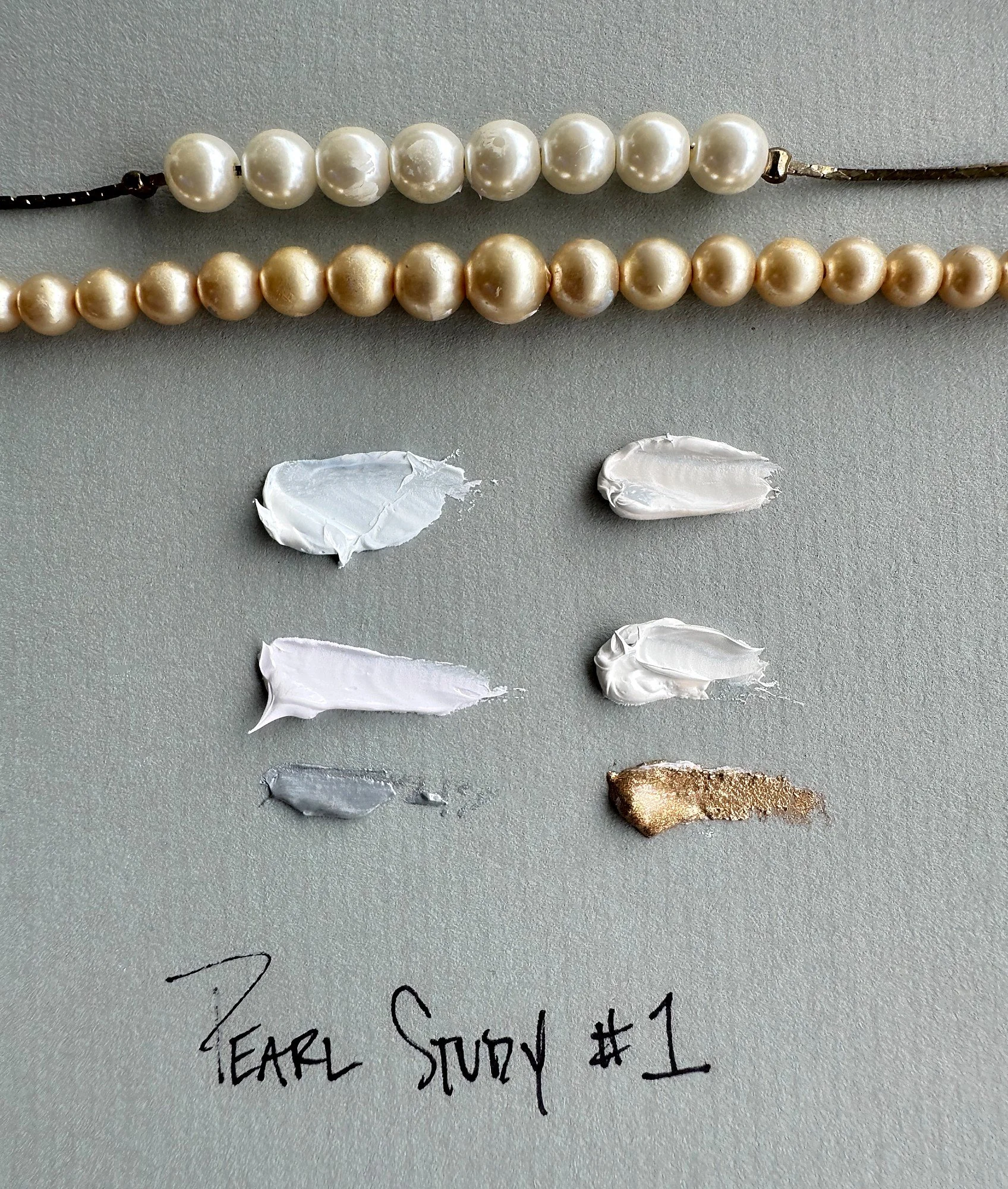
Learning to appreciate art is much like learning to appreciate music or literature. The more carefully we observe, the more we begin to notice relationships that were always present but easily overlooked. Light reflected in still water. The rhythm of repeating forms. The quiet balance between color and space. The subtle emotional effect of a single figure walking beneath an umbrella.…
Inside the Art World:
Practical conversations about galleries, collecting, artists, and the people who bring art into our lives.
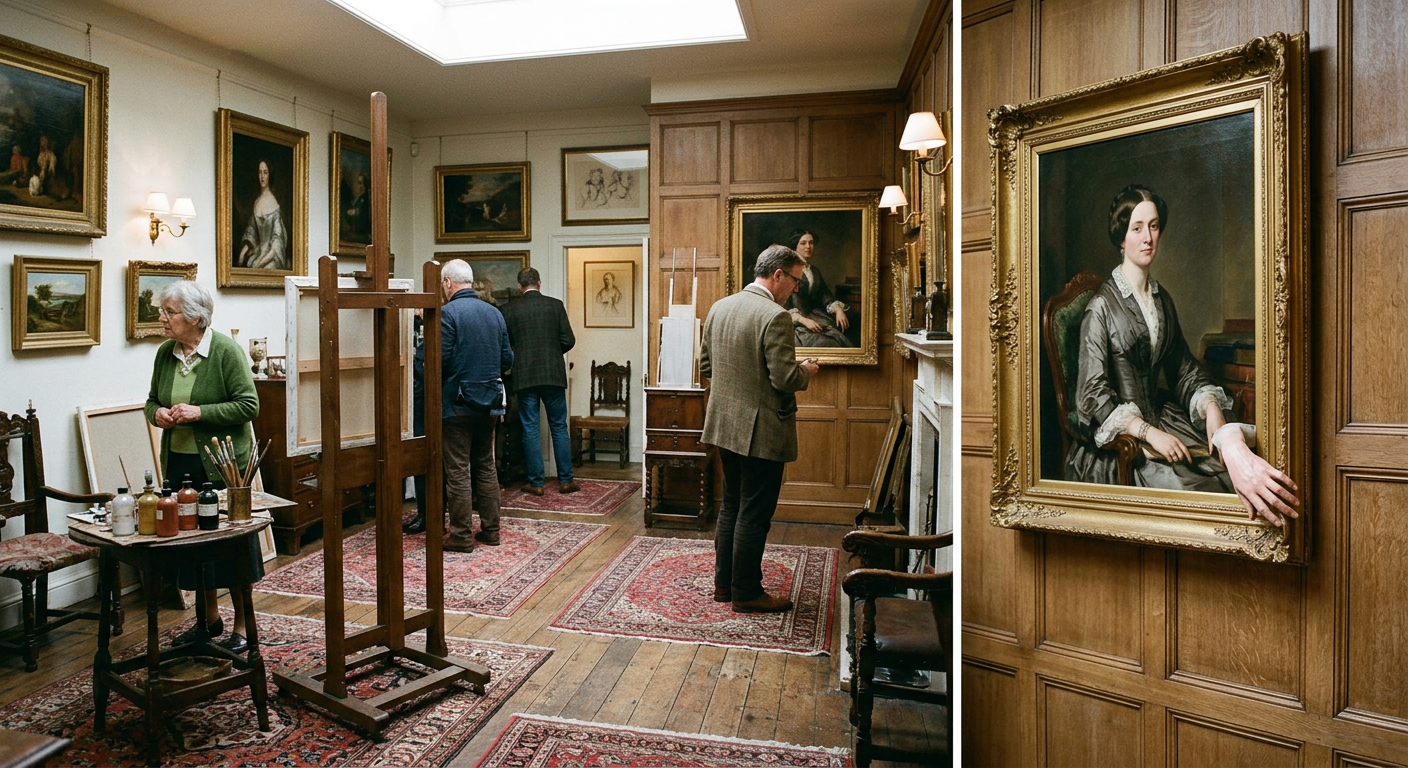
Something important changed in Europe this month. On August 2, new transparency provisions of the European Union's AI Act began applying, including requirements surrounding certain AI-generated and manipulated content. For those of us working in art, design, publishing, galleries, and other creative fields, this deserves attention.
One of the first questions many artists ask when reviewing a gallery agreement is: "Why do you require exclusivity?" It's a fair question. After all, artists want opportunities. They want to exhibit their work, build relationships, and reach as many collectors as possible. At first glance, limiting where artwork can be shown may seem counterintuitive or even restrictive. Like many aspects of the art world, the answer is more nuanced than it first appears.
Artists sometimes wonder why galleries take a percentage of a sale. Collectors occasionally assume galleries simply provide wall space. People outside the art world may imagine that a gallery's role begins and ends with hanging artwork and waiting for buyers to walk through the door. The reality is far more complex.
Technology has transformed the art market in remarkable ways. Artists can share their work with global audiences instantly. Collectors can discover new artists from anywhere in the world. Entire collections can be viewed from a phone or laptop. These changes have created exciting opportunities for artists and collectors alike. Despite all this innovation, galleries continue to play an important role in the art ecosystem. In some ways, their role has become more important than ever.
This Week in Art, Design & Culture:
Christina Stefani's weekly perspective on the ideas, exhibitions, objects, places, and cultural developments worth noticing.
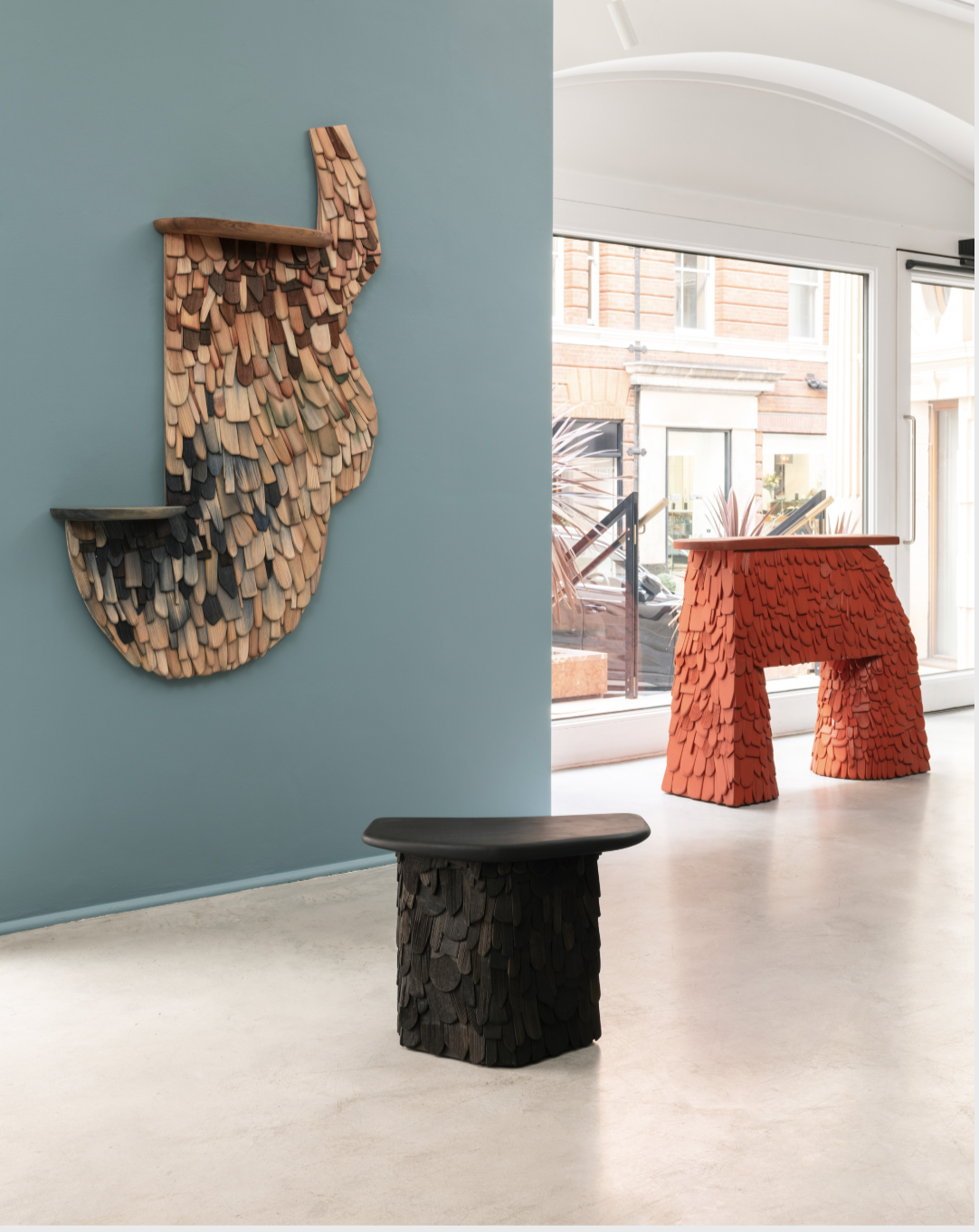
Some things reveal themselves only through repetition.
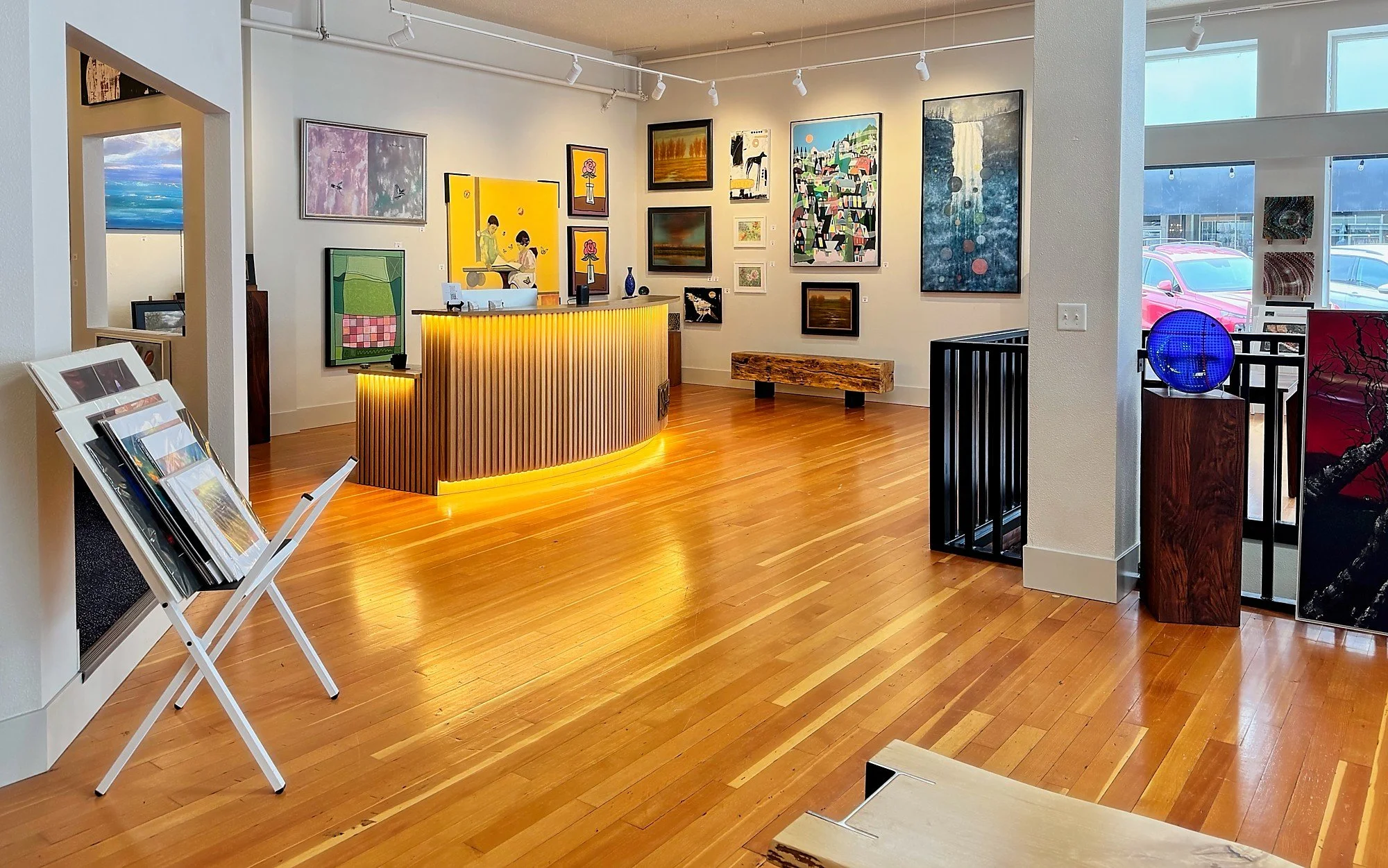
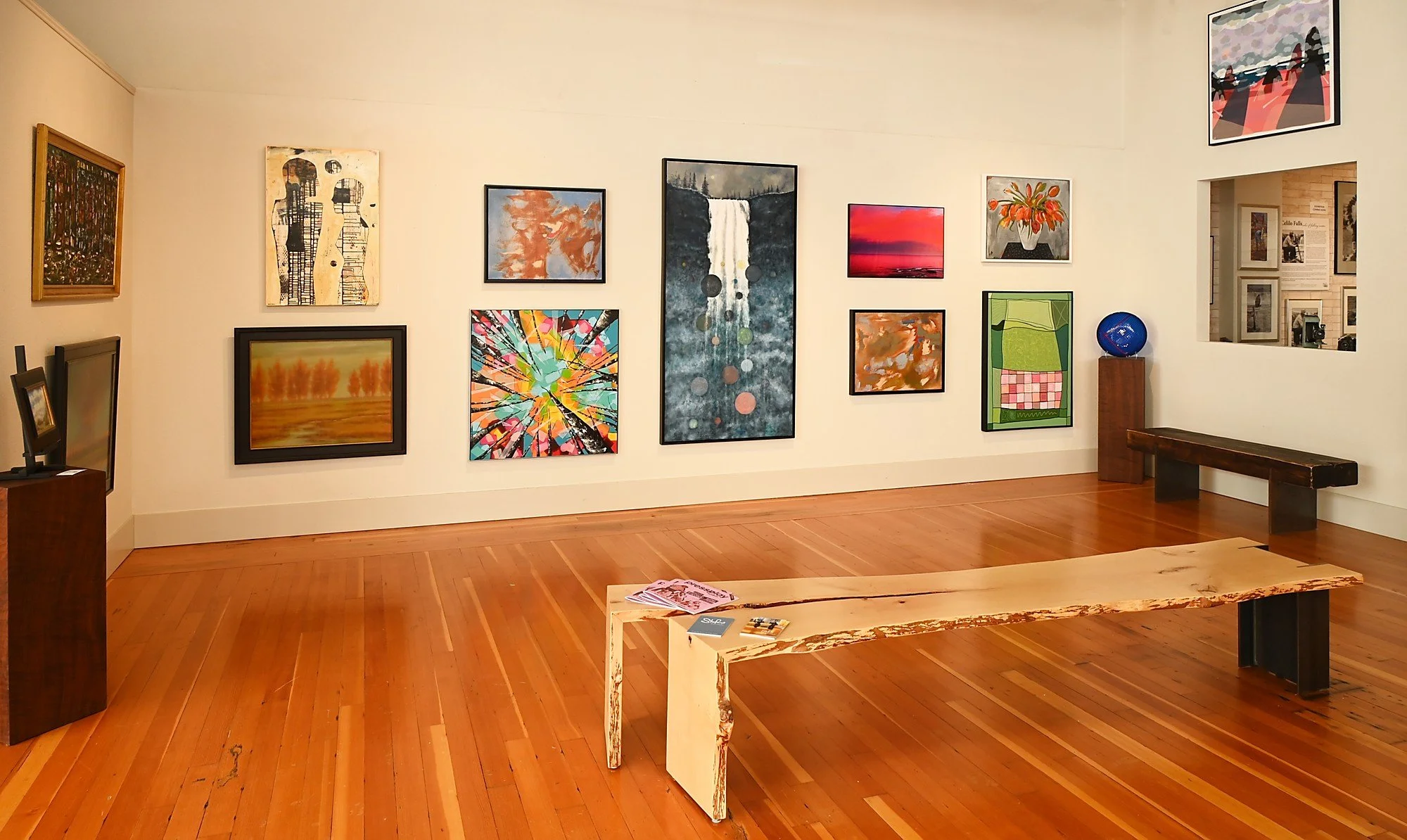
This week, a young girl sat quietly on one of the reclaimed-wood benches in the gallery and watched me paint.
Those benches have become part of the character of the space: warm, substantial, handmade, and meant to be used. She simply watched the brush move across the canvas, the colors change, a mark appear and then disappear beneath another one.
She did not seem impatient for anything to happen.
I have been thinking about that moment ever since.
Are we becoming hungry for quiet again?
I've been thinking about Lanai, a place that has stayed with me long after leaving it. About long meals. Real conversations. The ocean. The luxury of having nowhere else you need to be for a little while.
And I've been wondering whether what we're actually seeking is attention. Time to notice things.
There are certain ideas that stay with us after we encounter them.
This week, I found myself thinking about how we see: how technology may be changing the very nature of images, how color can affect us before we consciously understand why, and how architecture can bring art, food, craft, and landscape together into a single experience.
And then there was Siena, Italy, one of my favorite cities in the world, and a centuries-old tradition I somehow had never fully understood.
There are weeks when the cultural world seems determined to compete for our attention. Then there are quieter weeks like this one, when the most interesting developments invite us to look more closely. We talk about collaborations that reveal process, connect objects to history, and invite participation.
Latest from the Magazine
What Was Celilo Falls?
Celilo Falls was located on the mid-Columbia River, about twelve miles east of The Dalles, Oregon.
It was not a single picturesque waterfall in the way we might imagine one today. Celilo was part of an approximately nine-mile stretch of rapids, falls, channels, rocks, and fishing places along the Columbia.
At the falls, the river narrowed dramatically. In places, the Columbia was forced through a passage as narrow as forty feet. Over roughly half a mile, the river dropped more than eighty feet.
The result was extraordinary.
Before the Water Rose: Celilo Falls
For millennia, the falls and the surrounding stretch of the Columbia were an important Indigenous fishery and gathering place. People traveled there to fish, trade, gather, and maintain relationships that extended across a vast region. The geography of the river created extraordinarily productive fishing sites, and generations of knowledge were embedded in how people worked within its powerful current.
In Richard's photographs, that history isn't abstract.