This Week in Art, Design, and Culture: The Time Things Need
Curated by Christina Stefani for House of Stefani
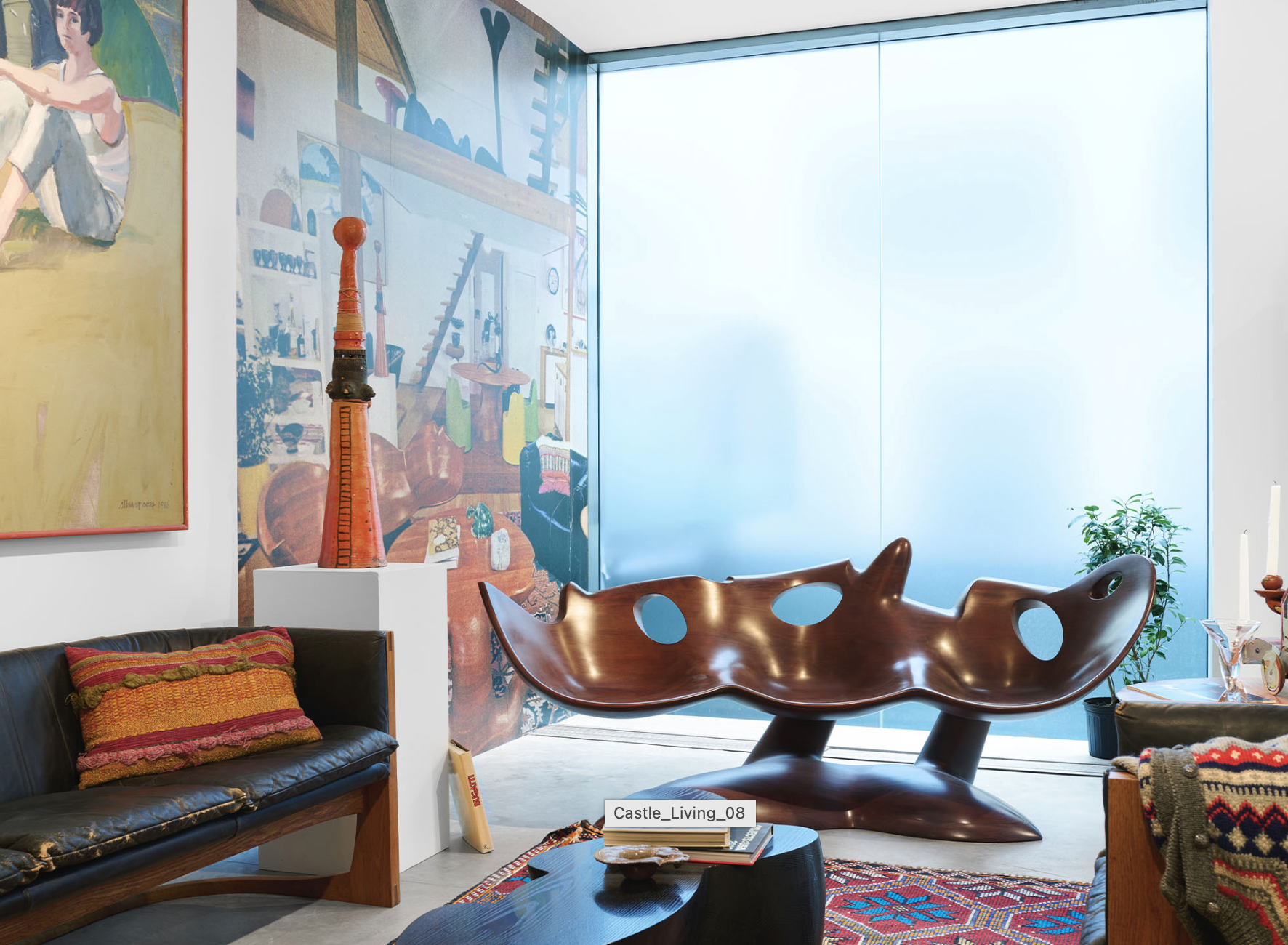
Wendell Castle: Living, at Friedman Benda. Courtesy Friedman Benda
I have been thinking about patience.
Not patience as waiting around for something to happen.
Something more active than that.
The patience to let a painting develop slowly.
To wait between layers.
To allow a friendship to deepen without demanding that it become something before it is ready.
To leave bread alone while it rises.
To recognize that some things cannot be hurried without becoming less than they might have been.
And, perhaps most importantly, I have been thinking about learning to have that same patience with myself.
That may be the hardest kind.
I am remarkably comfortable giving a painting time.
I map out my colors and glazing passes by hand before I begin. Then the painting develops in stages. A layer goes down. It dries. Another changes it. Sometimes something I thought was finished needs to disappear almost entirely beneath what comes next.
I understand that.
I rarely expect a painting to resolve itself immediately.
It is interesting how much more difficult it can be to extend ourselves the same grace.
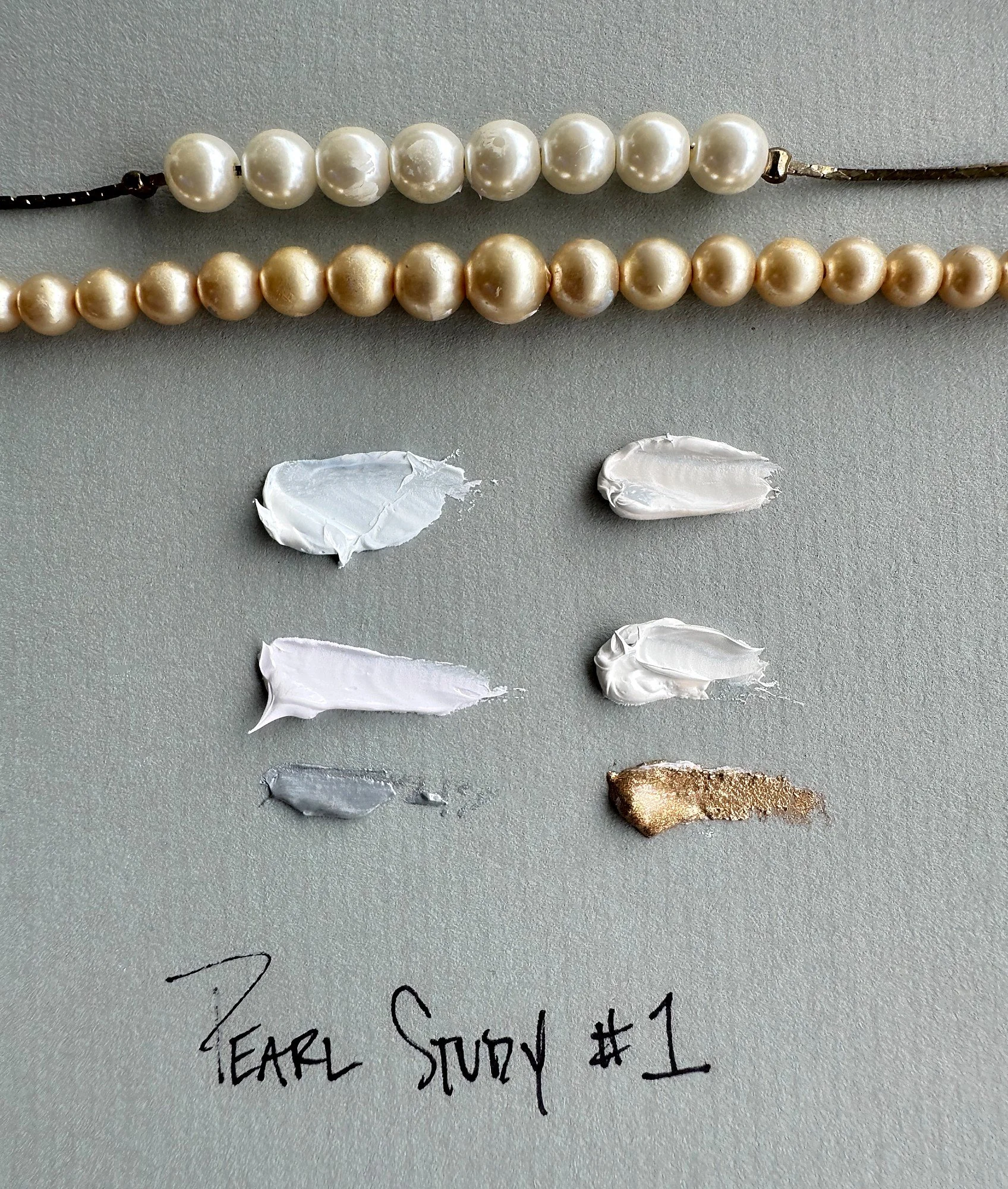
I wrote more about this recently in The Color of Pearls.
Warm Pearl, Cool Pearl
Lately, while mixing colors for the new paintings, I became fascinated again by pearls.
I wear them almost exclusively, and I have been looking at them for years.
But painting has made me see them differently.
We call pearls white.
They are anything but.
Warm pearl.
Cool pearl.
Cream.
Silver.
Lavender.
A suggestion of blue.
The faintest rose.
Soft gold.
Pearl color can contain a dominant bodycolor, a translucent overtone, and sometimes the shifting iridescence gemologists call orient. What looks simple at first glance becomes remarkably complex when we look closely.
I laid two strands of my pearls beside the mixtures I had been making.
One strand read cooler, silvery and almost blue in places.
The other carried warmth, cream, and gold.
Beneath them, the paint mixtures began echoing the same distinctions.
Seen separately, several might simply have been called white.
Seen together, they were anything but.
Subtle color requires patience.
The eye needs time to understand what it is seeing.
Perhaps people do too.
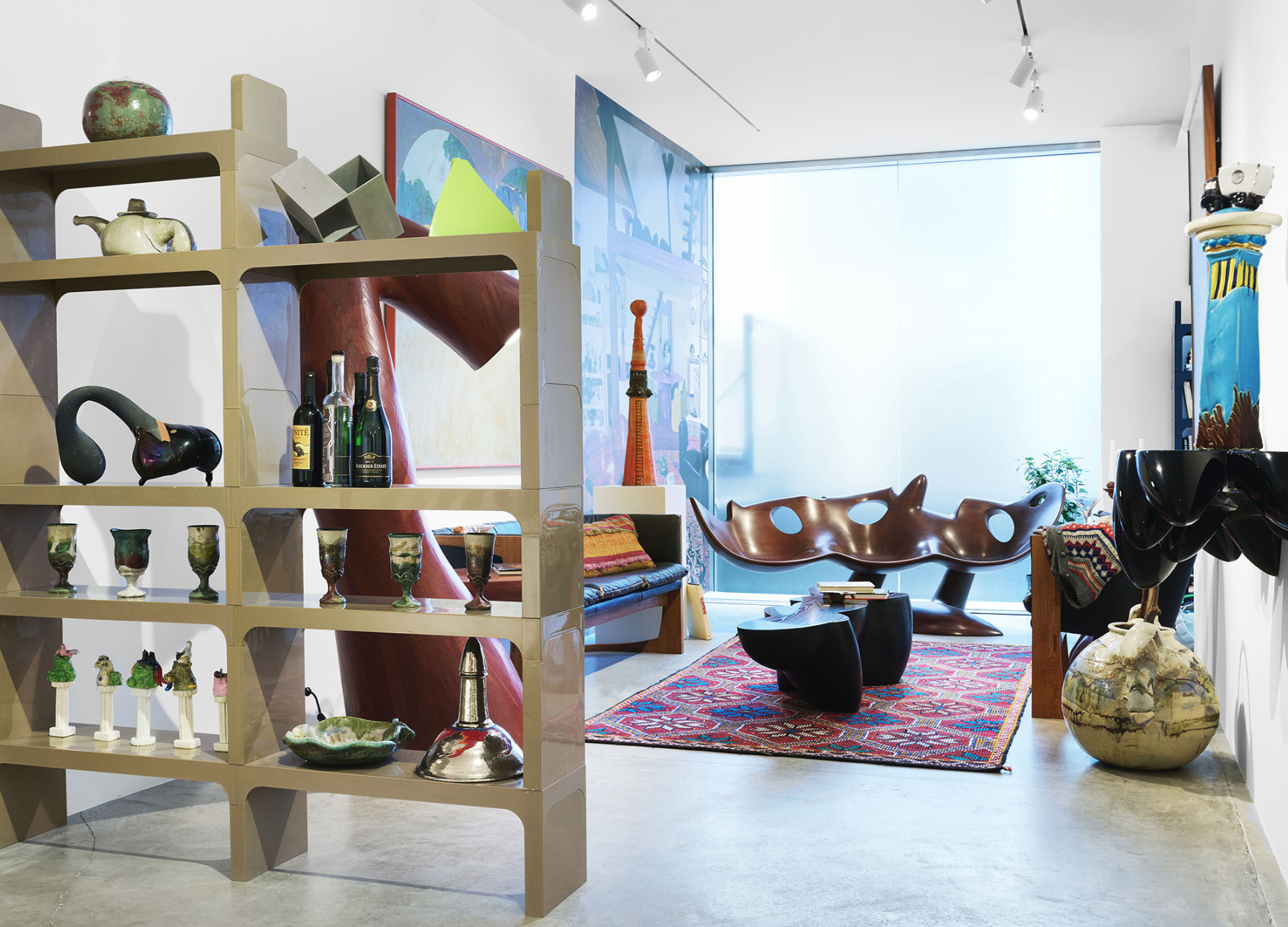
Wendell Castle: Living, at Friedman Benda. Courtesy Friedman Benda
Living With What We Make
A new exhibition in New York has been making me think about the life that happens after an object is finished.
Wendell Castle: Living, at Friedman Benda, reconstructs aspects of the Scottsville, New York home created by the late furniture maker and sculptor Wendell Castle and his wife, artist Nancy Jurs.
The exhibition was inspired by a 1973 House Beautiful feature documenting the family home, where Castle’s furniture and Jurs’s ceramics were not museum objects.
They were simply part of daily life.
That distinction interests me.
So many objects we now encounter behind ropes or on pedestals were once touched.
Sat upon.
Used at breakfast.
Passed every morning on the way through a room.
Art and design become different things when we live with them.
We learn them slowly.
A chair takes on the shape of habit.
A table collects marks.
A painting changes with morning light and evening light and eventually becomes associated with years of a life.
Perhaps use does not diminish a beautiful thing.
Sometimes it completes it.
Building Slowly Enough to Last
At The Metropolitan Museum of Art in New York, another kind of long view is beginning.
This week The Met broke ground on the new Oscar L. Tang and H.M. Agnes Hsu-Tang Wing for modern and contemporary art, designed by Mexican architect Frida Escobedo.
The project will create nearly 70,000 square feet of exhibition space within the museum’s existing footprint and is expected to open in 2030. Escobedo is also the first woman to design a wing in The Met’s 156-year history.
There is something almost refreshing about a project that openly admits it will take years.
Important institutions are not built on the time scale of an afternoon.
We live in a culture increasingly organized around immediacy.
But some things are worth building slowly enough to last.
Textile Alchemy
At LACMA, Textile Alchemy: The Art of Reiko Sudō & NUNO opens this weekend.
Sudō has spent more than forty years developing textiles that move between traditional Japanese making and technological experimentation.
More than 100 limited-edition textiles appear alongside drawings, raw materials, tools, mock-ups, and prototypes, revealing not just finished surfaces but the experimentation behind them. Her work with NUNO has also involved long relationships with independent artisans and workshops across Japan, helping traditional skills continue through contemporary practice rather than preserving them as something frozen in the past.
I love the word alchemy here.
Not because materials magically become something else.
Because they are understood well enough to be transformed.
That requires curiosity.
Failure.
Experiment.
Repetition.
And time.
Craftsmanship is often described as skill.
I increasingly think patience is part of it too.
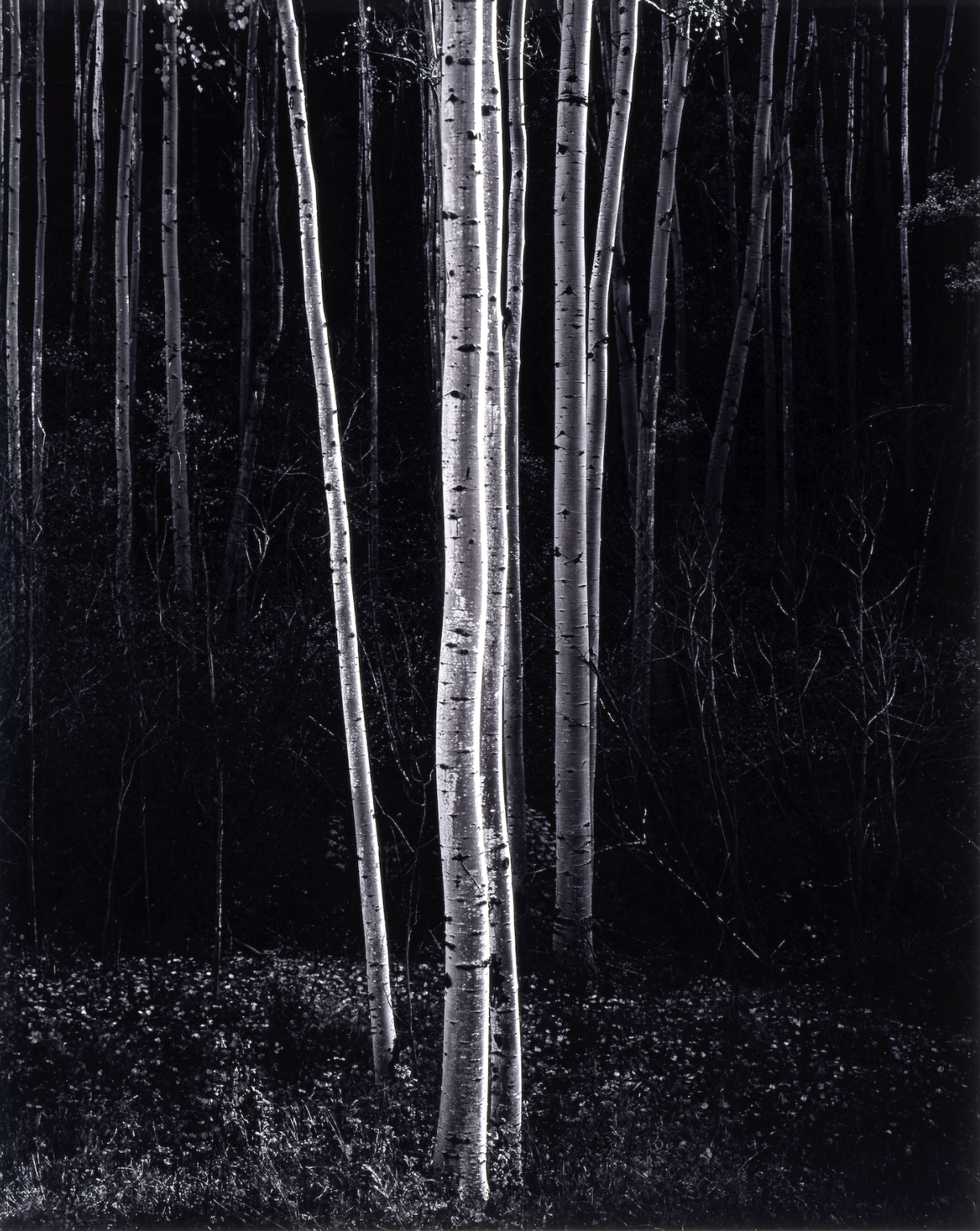
Ansel Adams, Aspens, Northern New Mexico, 1958. Center for Creative Photography, University of Arizona: Ansel Adams Archive. © The Ansel Adams Publishing Rights Trust
Choosing What Endures
There is another exhibition I have been thinking about this week.
Ansel Adams: Majestic Lands, now at The Westmoreland Museum of American Art, brings together more than forty photographs, including selections from Adams’s Museum Set.
Late in his life, Adams personally chose those photographs as works he believed best represented his career.
I find that idea moving.
Imagine looking back across five decades of work and choosing what you believe should remain.
Not necessarily the work that sold first.
Not what received the most attention at the time.
The work that, after years of making and looking and changing, still felt essential.
Time does something that immediacy cannot.
It gives us perspective.
Perhaps patience is partly trusting that we do not have to know immediately what will matter most.
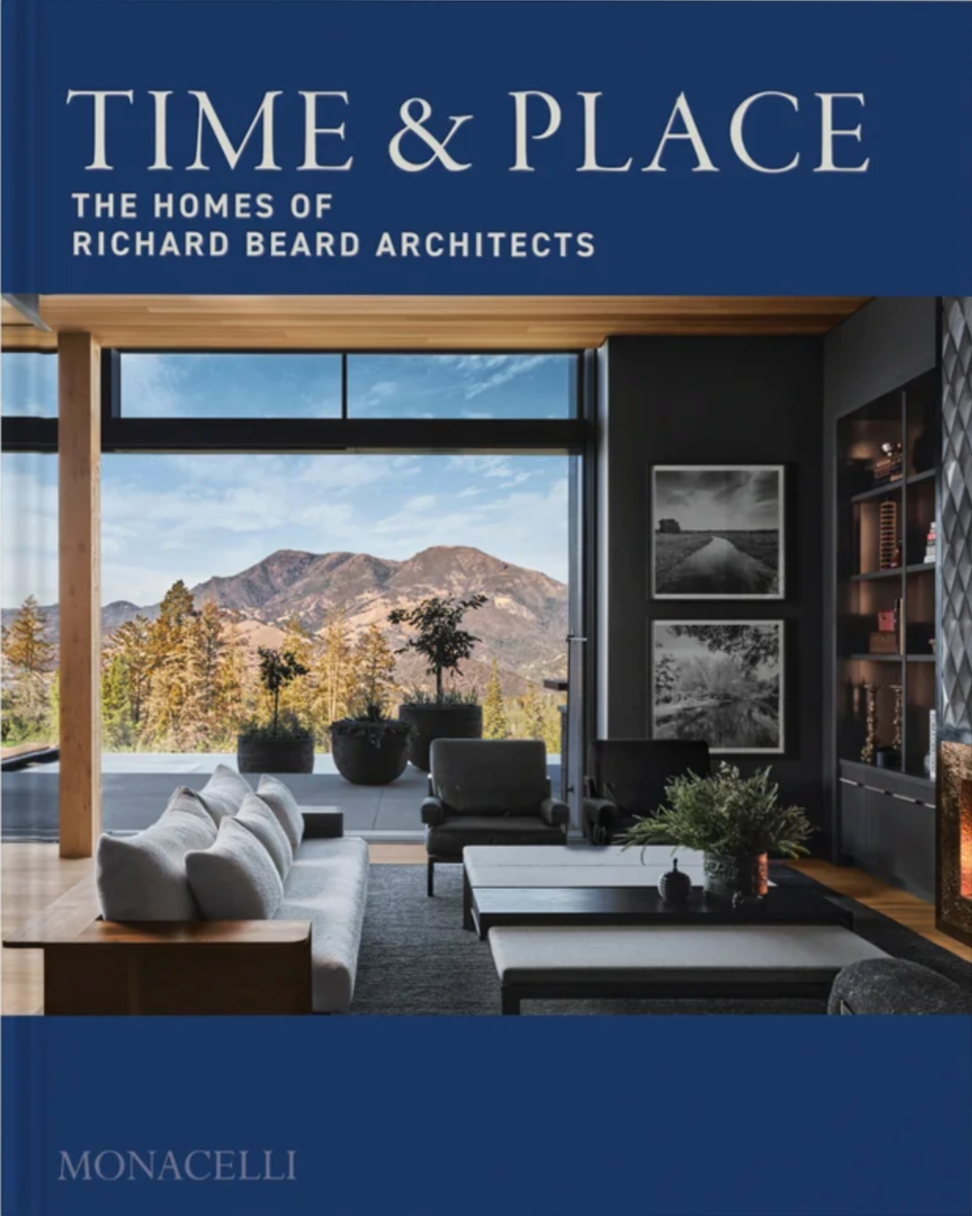
Time & Place: The Homes of Richard Beard Architects. Published by Phaidon
On the Reading Table
A new architecture monograph arriving later this month carries a title that seems particularly appropriate:
Time & Place: The Homes of Richard Beard Architects.
The book brings together eleven California residences designed in response to their particular landscapes, from vineyards and urban neighborhoods to mountainsides and coastal cliffs. The emphasis is less on architecture as isolated object than on the relationship between building, material, landscape, movement, comfort, and belonging.
The best buildings, like the best paintings, seem to understand that they exist somewhere.
They belong to light.
From the Studio
The new paintings are developing slowly.
There are pearl clouds now.
Some warmer.
Some cooler.
Silver passages touched with lavender.
Cream beside gold.
Areas I thought I understood a few days ago have changed.
That is the work.
While preparing the Celilo Falls exhibition, one of the photographs arrived from Germany printed in the wrong orientation.
A key vertical image had been printed horizontally.
For a moment, there was stress.
The exhibition date is approaching. The printer is in Germany. We are in Oregon.
Then there was simply the next thing to do.
We arranged for another print, and now we wait.
It may arrive in time.
It may not.
I hope it does.
But I was reminded that patience is most useful when things do not go according to plan.
Not everything can be controlled.
The response can.
What I’m Carrying With Me This Week
A piece of furniture returns to the setting where objects were once simply lived with.
A museum begins a wing that will not open for four years.
A textile designer spends decades learning how traditional materials can become something new.
Ansel Adams looks back across a lifetime and decides which photographs should represent the whole.
A loaf rises because someone leaves it alone long enough.
A painting waits for another layer.
A friendship becomes deeper without announcing exactly when it happened.
A photograph is reprinted on the other side of the world.
And I am learning, slowly, to offer myself the same patience I give the work.
Perhaps patience is not passive at all.
Perhaps it is a form of trust.
Trust that the next layer does not have to be applied today.
That what matters does not always arrive quickly.
That some things become themselves only because we allow them the time they need.
And perhaps we do too.
See you next Saturday.
Warmly,
–Christina Stefani | House of Stefani Journal
About the Author: Christina Stefani is an artist, gallerist, writer, and founder of House of Stefani, exploring art, design, and culture.