Why Some Galleries Request Geographic Exclusivity (And How It Can Benefit Artists)
Inside the Art World
Practical conversations about galleries, collecting, artists, and the people who bring art into our lives.
By Christina Stefani
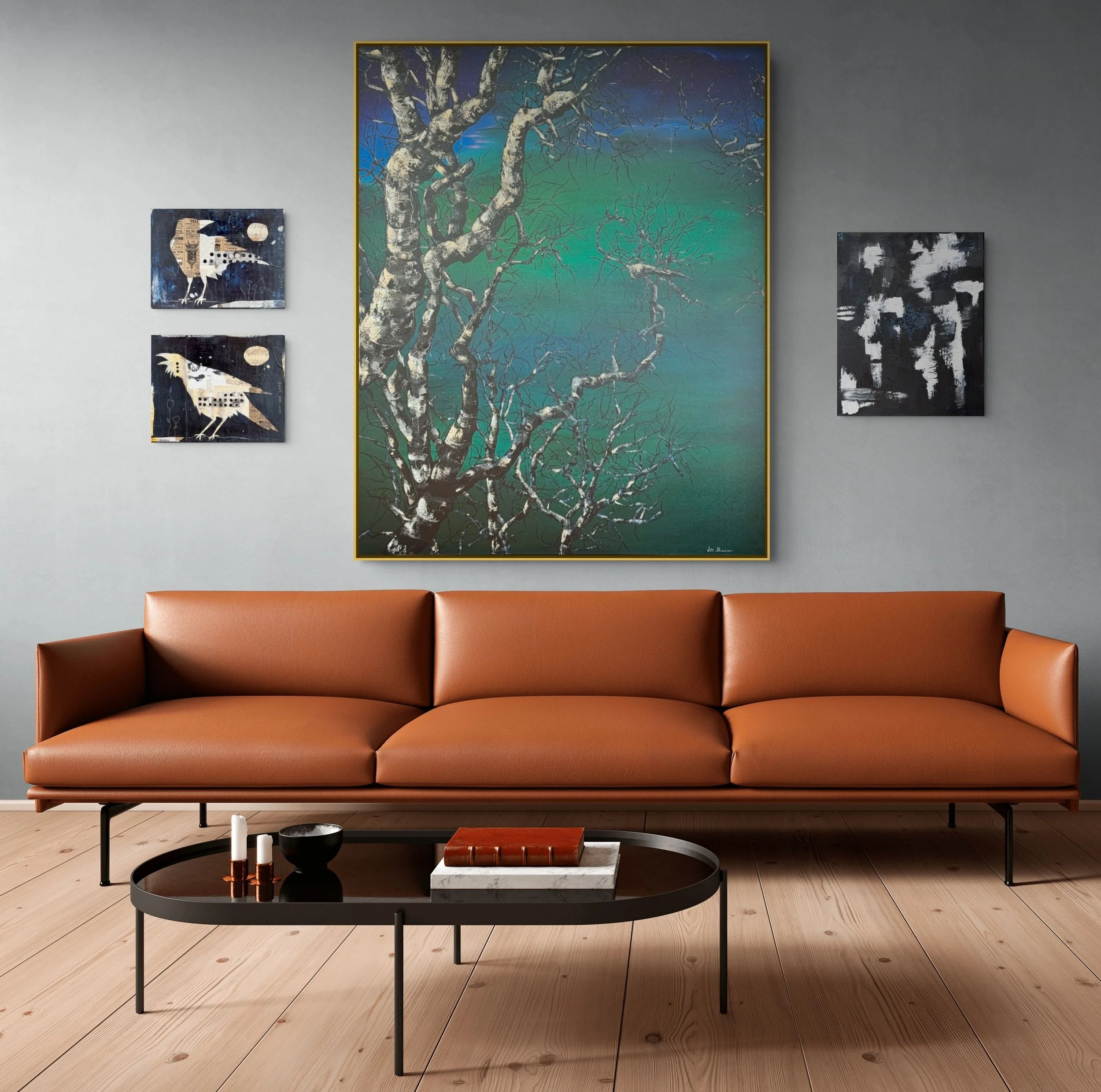
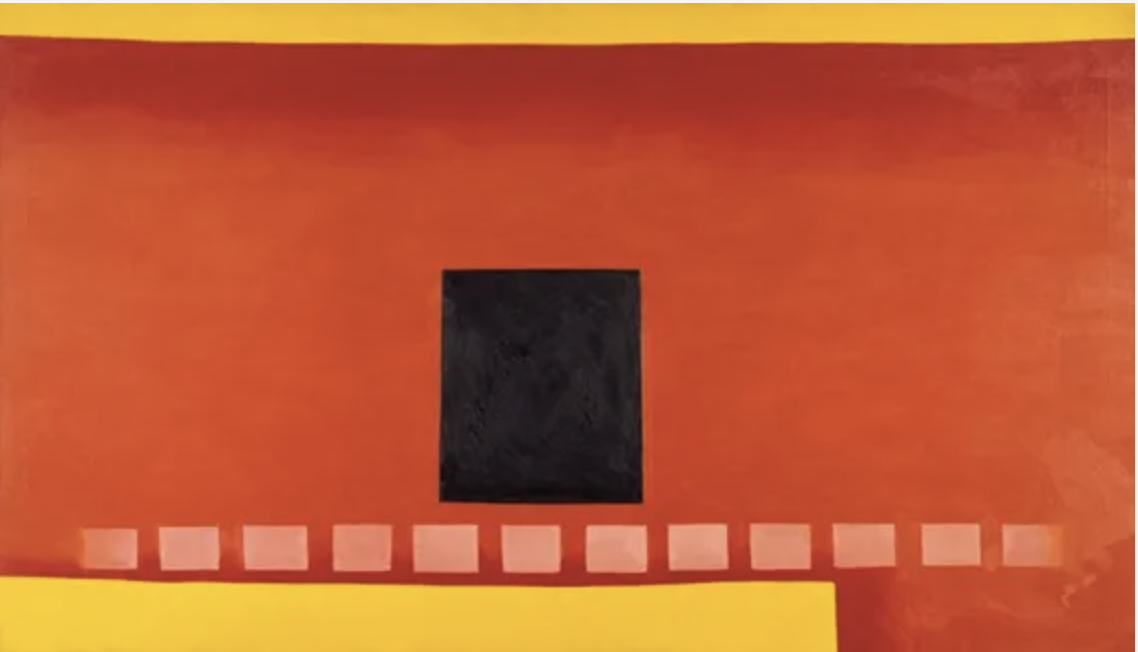
When geographic exclusivity is handled professionally, transparently, and fairly, it isn't about limiting opportunity. All artwork courtesy Stefani Art Gallery.
One of the first questions many artists ask when reviewing a gallery agreement is:
"Why do you require exclusivity?"
It's a fair question.
After all, artists want opportunities. They want to exhibit their work, build relationships, and reach as many collectors as possible. At first glance, limiting where artwork can be shown may seem counterintuitive—or even restrictive.
The subject can also be emotional. Artists understandably want the freedom to shape their own careers, while galleries want confidence that the time and resources they invest will help build a lasting market for the artists they represent.
Like many aspects of the art world, the answer is more nuanced than it first appears.
When geographic exclusivity is handled professionally, transparently, and fairly, it isn't about limiting opportunity.
It's about creating the conditions for deeper investment, stronger relationships, and long-term success for everyone involved.
What Is Geographic Exclusivity?
Geographic exclusivity simply means that a gallery has the exclusive right to represent an artist within a defined region.
That region might be a city, a county, a metropolitan area, or a specified radius from the gallery.
Importantly, geographic exclusivity is rarely global. Many professional artists work with multiple galleries across different regions or states. One gallery may represent them in Oregon, another in Arizona, and another on the East Coast.
The goal is not to prevent artists from growing their careers.
The goal is to avoid competing markets within the same market.
Building a Market Requires Investment
Imagine a gallery discovers a talented emerging artist.
Over the next year, the gallery photographs the work, writes artist biographies and exhibition materials, builds webpages, creates social media campaigns, hosts exhibitions, invites collectors, pays for advertising, and spends countless hours introducing the artist to new audiences.
Those efforts require significant time, expertise, and financial investment.
Now imagine a collector discovers the artist through those efforts, but ultimately purchases the artwork from another gallery a few miles away.
The second gallery benefits.
The first gallery absorbs the cost.
Over time, that becomes difficult to sustain.
Most galleries simply cannot continue making meaningful investments if the results of those efforts regularly benefit competing businesses in the same market.
Geographic exclusivity provides the confidence to invest more deeply.
One Voice Is Stronger Than Several Competing Voices
Artists sometimes assume that having multiple galleries in the same city will naturally create more sales.
In reality, it often creates confusion.
Collectors may wonder why the same artist is available in several places.
They may question whether pricing is consistent.
They may hesitate, believing the work will always be available elsewhere.
Instead of creating urgency or confidence, multiple points of representation can unintentionally dilute both.
A single gallery representing an artist within a defined market creates clarity.
Collectors know where to go.
The gallery knows where to direct its marketing efforts.
The artist develops a stronger identity within that region.
Consistency Builds Confidence
One of the most valuable things a gallery provides is consistency.
Consistent pricing.
Consistent presentation.
Consistent communication.
Consistent relationships with collectors.
When artwork appears across multiple galleries in the same market without coordination, maintaining that consistency becomes increasingly difficult.
Even small differences in pricing, framing, presentation, or communication can create unnecessary uncertainty.
Collectors value confidence.
Consistency helps create it.
A Gallery Invests in More Than Sales
The work of a gallery extends far beyond hanging artwork on a wall.
Behind every exhibition are countless hours spent photographing artwork, maintaining websites, writing articles, communicating with collectors, managing inventory, coordinating installations, hosting events, and building relationships throughout the community.
Much of that work happens quietly.
Its purpose is not simply to sell a painting today.
Its purpose is to build an artist's reputation over many years.
When a gallery knows it has the opportunity to build that reputation within its market, it can approach the relationship with greater confidence and long-term commitment.
Exclusivity Should Be a Partnership
This is perhaps the most important point.
Geographic exclusivity should never be one-sided.
A gallery that requests exclusivity also accepts responsibility.
It should actively promote the artist.
Present the work professionally.
Communicate regularly.
Maintain strong relationships with collectors.
Invest in marketing.
Represent the artist with integrity.
Exclusivity without meaningful effort serves no one.
Like any successful partnership, it works only when both sides remain committed to one another's success.
The Artist Benefits, Too
When geographic exclusivity functions as intended, artists often experience benefits that are not immediately obvious.
Their work develops a stronger presence within the region.
Collectors become familiar with a single trusted destination for their artwork.
Pricing remains more consistent.
Marketing efforts become more focused.
Relationships deepen.
Most importantly, the gallery has greater confidence to continue investing time, resources, and expertise into building the artist's career.
Those investments often compound over time.
A Shared Commitment
The relationship between an artist and a gallery is unlike most business relationships.
It is built on trust.
On shared vision.
On the belief that something meaningful can be built together over many years.
Geographic exclusivity is not about ownership.
It is not about limiting an artist's opportunities.
At its best, it is a mutual commitment.
The gallery commits to representing the artist with professionalism, integrity, and sustained effort.
The artist commits to allowing that investment to take root within a defined market.
When both honor those commitments, something remarkable can happen.
Collectors gain confidence.
The gallery builds lasting relationships.
The artist develops a stronger, more recognizable market.
And together, they create something far more valuable than a single sale.
They build a career.
A Conversation Worth Continuing.
The art world works best when artists, galleries, collectors, and designers understand one another. If there's a topic you've always wondered about, we'd love to hear from you. Future articles in the Inside the Art Worldseries will be inspired by real conversations from our community.