The Beauty of Use: What Mingei Teaches Us About Living With Well-Made Things
by Christina Stefani for House of Stefani
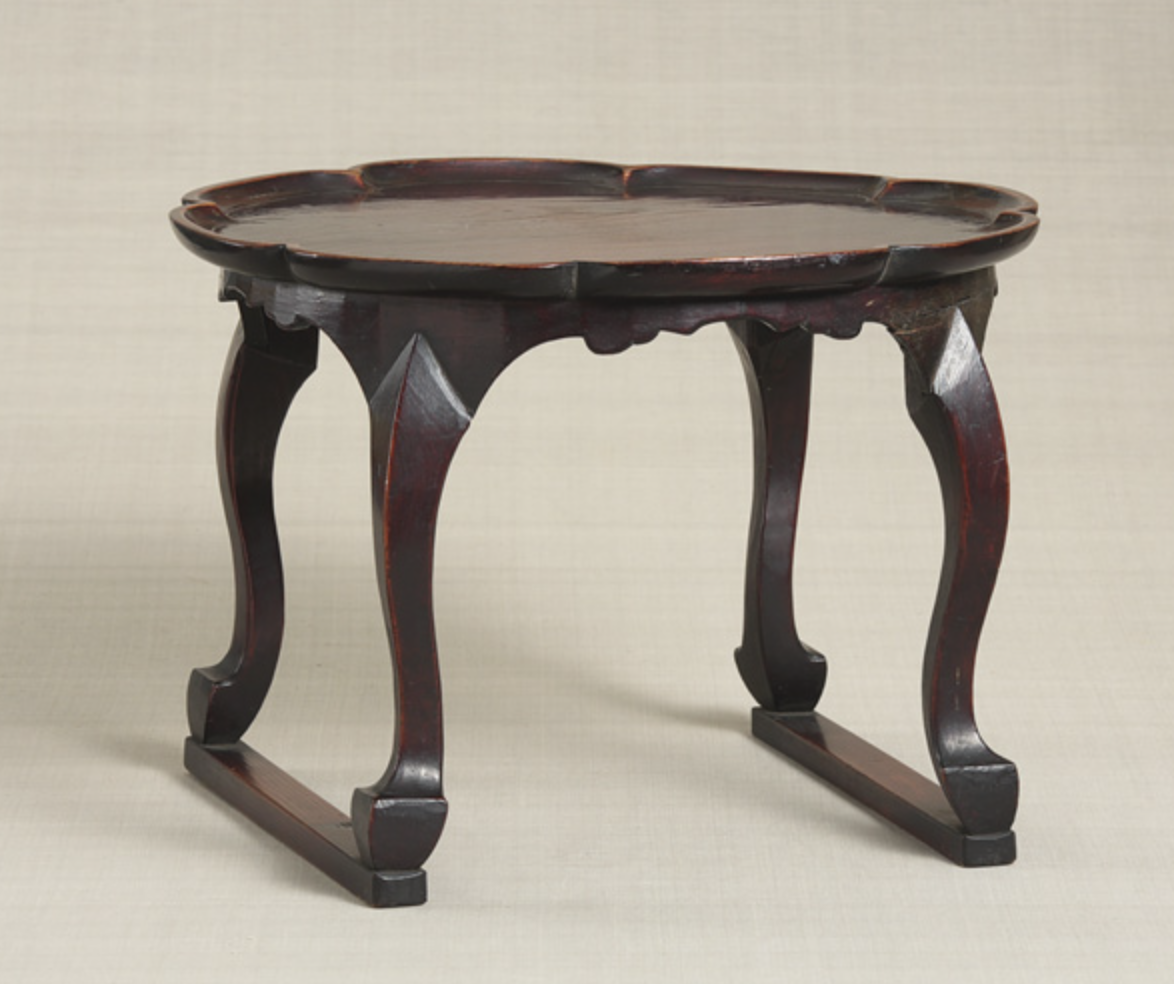
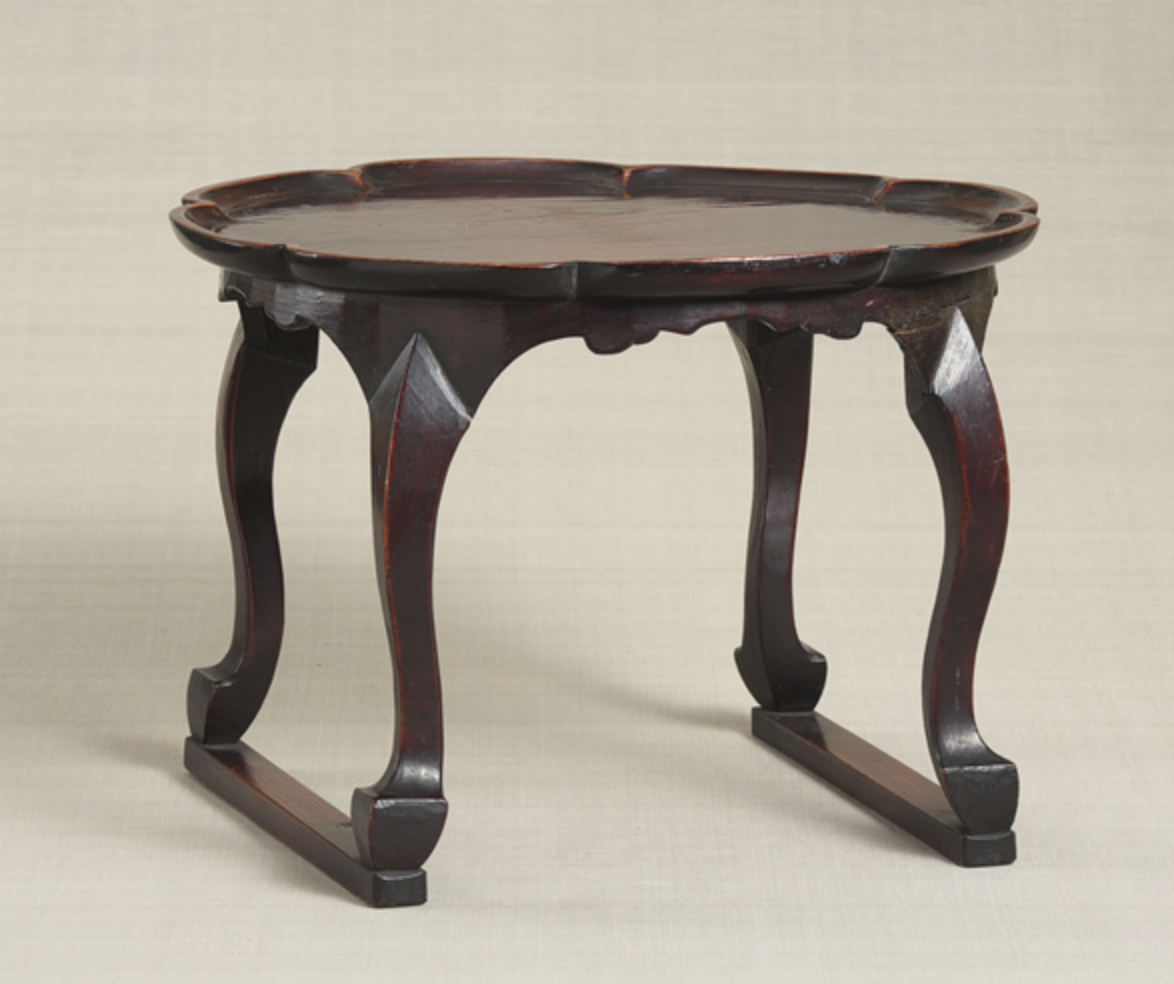
Dog-legged tray table . Joseon period, 19th century. 29.0×40.5cm. © The Japan Folk Crafts Museum
There are objects we admire, and there are objects we come to know.
A bowl used every morning. A knife that fits the hand. A linen cloth softened by years of washing. A wooden table marked by meals, conversations, work, and ordinary life.
Their beauty does not depend on remaining untouched.
It deepens through use.
That idea sits close to the heart of mingei, the Japanese folk craft movement that emerged in the early twentieth century around philosopher Sōetsu Yanagi and potters Shōji Hamada and Kanjirō Kawai. wallpaper.com
Mingei drew attention to objects that had often been overlooked by the established art world: ceramics, textiles, baskets, furniture, tools, and other useful things made by hand for everyday life.
The movement asked a simple but enduring question:
Can usefulness itself be beautiful?
Beauty Was Never Meant to Be Separate From Life
Modern culture often places beauty at a distance.
We display precious things. We protect them. We preserve them. Sometimes we become almost afraid to use them.
Mingei offered a different understanding.
An object could be humble and beautiful. Functional and meaningful. Ordinary and deeply considered.
Its value did not have to come from rarity, prestige, or authorship alone.
It could come from material, proportion, craft, repetition, usefulness, and the quiet accumulation of daily life.
A cup did not need to sit behind glass to matter.
It needed to be held.
“I believe people are drawn to the uncontrollable elements such as inconsistencies that arise from human hands and cannot be replicated by machines.”
– Naoto Fukasawa, Japan Folk Crafts Museum Director
Use Creates a Relationship
There is something that happens when we live with an object long enough.
The relationship changes.
Wood develops a patina. Linen softens. Metal wears differently where a hand repeatedly touches it. A favorite brush begins to behave almost instinctively in the painter's hand.
Time leaves evidence.
That evidence is often precisely what gives an object warmth and character.
We sometimes treat wear as deterioration.
But some forms of wear are also records of relationship.
They tell us that something has been chosen repeatedly.
Used repeatedly.
Known.
Fewer, Better Things?
Mingei is sometimes loosely associated with the contemporary idea of owning fewer, better things.
There is overlap, but they are not quite the same.
Mingei developed from a particular historical, cultural, and philosophical context in Japan, and its concern with folk craft, anonymous makers, regional traditions, and handmade utility is far richer than a modern minimalist purchasing philosophy.
Still, the movements share a question worth carrying into contemporary life:
What would change if we chose things with the intention of living with them for a long time?
Not because everything we own must be precious.
Quite the opposite.
Because the things we use most may deserve the greatest care in their making.
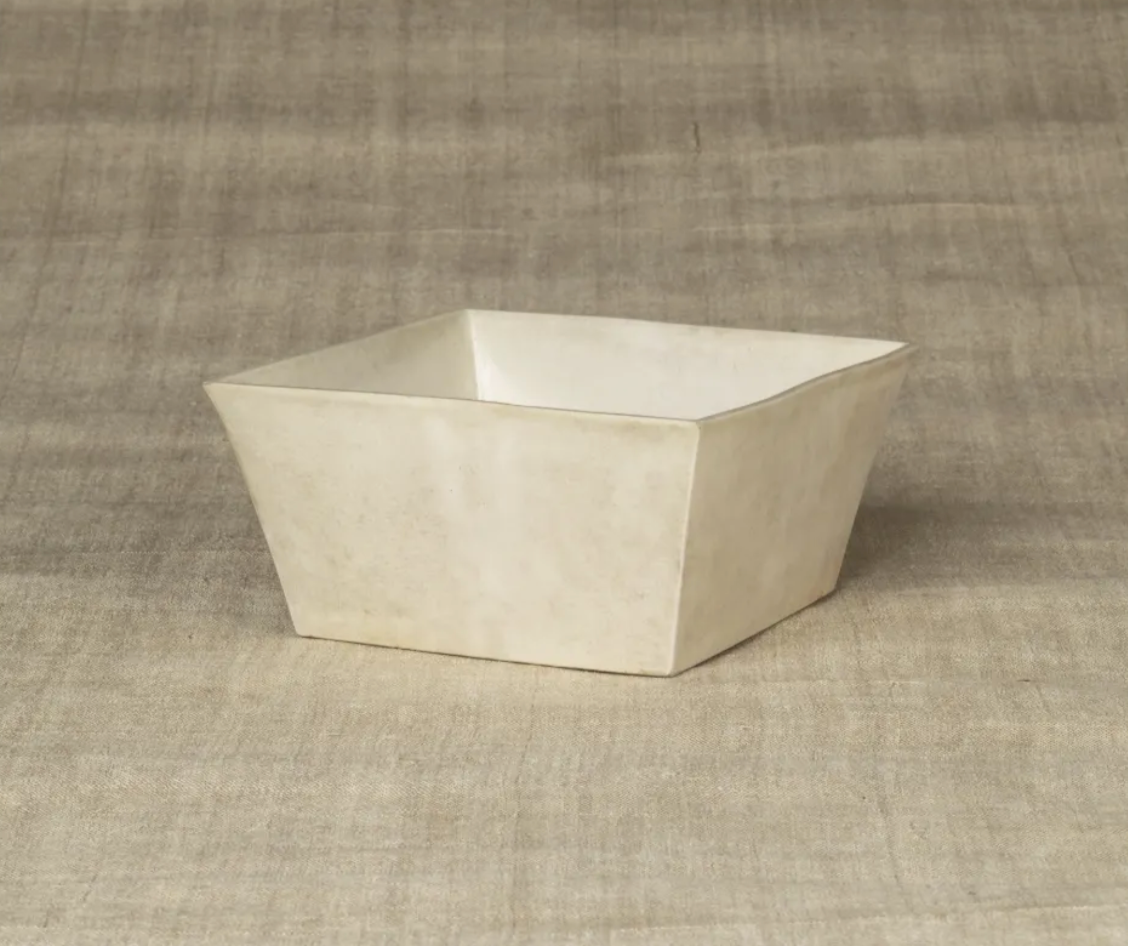
Jar, overglaze enamels. Imari prefecture, Kokutani-style. 17th century. © The Japan Folk Crafts Museum
Knowing Through Making
There is another lesson here that extends beyond objects.
Making something changes the way we see it.
Once you have painted, you look differently at paintings.
Once you have cooked seriously, you begin noticing balance, timing, texture, and restraint in food.
Once you have built furniture, sewn cloth, tended a garden, printed a photograph, or shaped clay, decisions that were once invisible become easier to recognize.
Making teaches us to see the work inside the finished thing.
That may be one reason craftsmanship continues to matter in a world increasingly dominated by speed, automation, and disposability.
Craft reminds us that knowledge can reside in the hand as well as the mind.
Staying Long Enough to Know
Perhaps the most compelling idea is not simply that handmade things are beautiful.
It is that familiarity itself can become a form of knowledge.
We know a tool because we have used it repeatedly.
We know a landscape because we have watched it change.
We know a material because we have worked with it long enough to understand what it will and will not do.
We return.
Again and again.
Until familiarity becomes knowledge.
And sometimes, knowledge becomes affection.
A Mingei Connection in Oregon
Beginning September 19, the Portland Art Museum will present the work of Japanese printmaker Watanabe Sadao, whose distinctive stencil-printing methods developed from traditional Japanese textile-dyeing techniques.
Watanabe was closely associated with the mingei movement and used those inherited methods to create a visual language that was unmistakably his own.
His work offers a particularly interesting example of what can happen when tradition, technique, belief, and individual practice are allowed to deepen over time.
It is an exhibition we will be watching closely.
Living With Beauty
There is a quiet difference between something that has merely been acquired and something that has become part of a life.
The chair everyone chooses.
The bowl reached for every morning.
The brush whose balance has become familiar.
The table carrying the marks of years.
These things are not diminished by use.
They are completed by it.
Perhaps beauty was never meant to remain separate from ordinary life.
Perhaps some of its deepest forms are found precisely there:
in the things we touch, make, use, repair, keep, and eventually come to know.