Inside the Art World
Practical conversations about galleries, collecting, artists, and the people who bring art into our lives.
By Christina Stefani
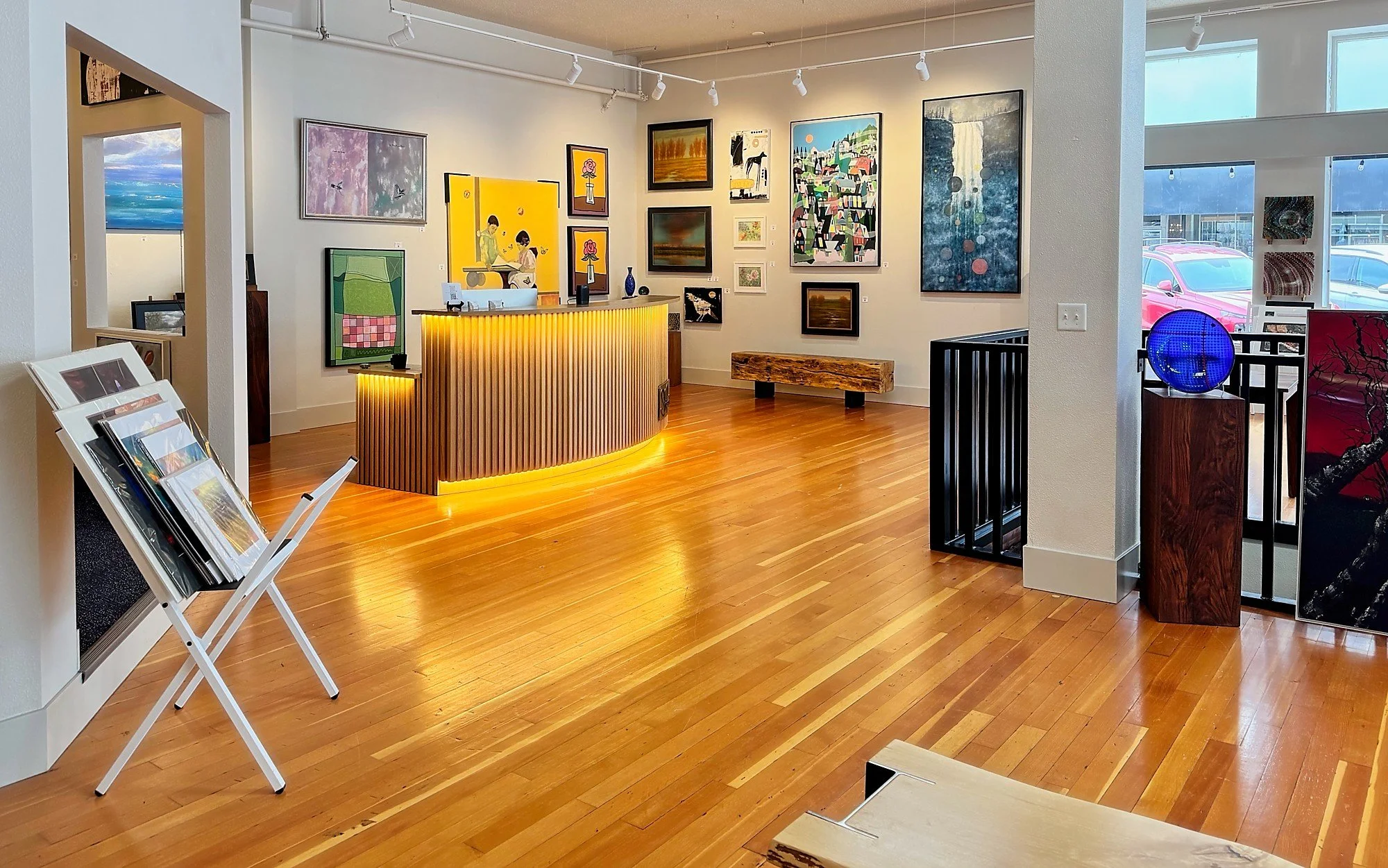
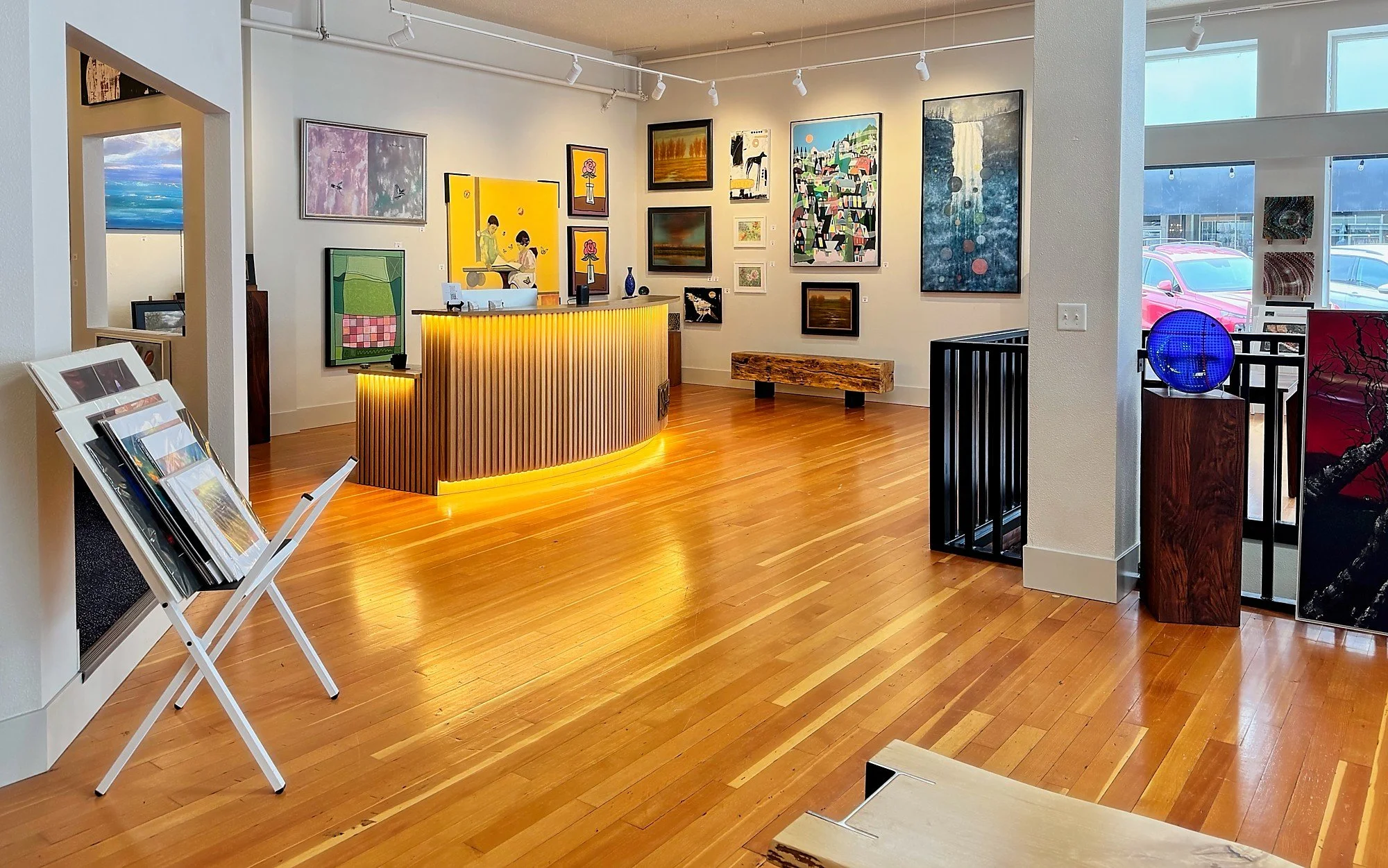
Stefani Art Gallery, Salem, Oregon.
Few topics in the art world generate more debate than gallery commissions.
Artists sometimes wonder why galleries take a percentage of a sale. Collectors occasionally assume galleries simply provide wall space. People outside the art world may imagine that a gallery's role begins and ends with hanging artwork and waiting for buyers to walk through the door.
The reality is far more complex.
As both an artist and gallery owner, I understand why these questions arise. Much of the work galleries perform happens behind the scenes. By design, the collector often sees only the finished experience. The artist sees the exhibition, the marketing, the sale, or the relationship that develops. What remains largely invisible is the infrastructure that makes those things possible.
A good gallery is not simply a place where art is displayed.
It is a business, a marketing platform, a logistics operation, a relationship network, and, ideally, an advocate for artists.
The Artwork is Only the Beginning
Creating the artwork is the artist's responsibility.
Everything that follows requires an entirely different set of skills.
Before a painting ever reaches a collector, someone may need to photograph it, write about it, catalog it, insure it, transport it, market it, display it, discuss it with potential buyers, and maintain records associated with the sale.
Those tasks rarely happen by themselves.
In many cases, they are handled by gallery professionals working behind the scenes.
The public sees the finished presentation.
The gallery sees the hundreds of details required to create it.
Marketing is a Full-time Job
One of the most valuable services a gallery provides is visibility.
Creating artwork and promoting artwork are two entirely different disciplines.
Today, promotion may involve websites, newsletters, social media campaigns, collector outreach, press opportunities, advertising, content creation, photography, video production, and event planning.
Each of those efforts requires time, expertise, and ongoing investment.
A successful sale often begins long before a collector expresses interest.
Sometimes it begins months earlier through an article, a social media post, a gallery visit, or a conversation that quietly builds awareness over time.
The sale may happen in a moment.
The relationship that made it possible often develops over much longer periods.
Galleries Build Relationships
Perhaps the most overlooked aspect of gallery work is relationship building.
Collectors rarely purchase meaningful artwork from strangers.
Trust matters.
Relationships matter.
Many gallery owners spend years developing connections with collectors, designers, advisors, institutions, and other professionals within the art world.
Those relationships create opportunities that may not exist otherwise.
A collector who trusts a gallery is often willing to explore artists they have never encountered before. A designer may return repeatedly because they know the gallery understands their clients. A collector may seek guidance as they build a collection over time.
The artwork remains central.
But relationships help create the environment in which those opportunities occur.
Logistics Matter More Than Most People Realize
Art is beautiful.
Art logistics are not.
Yet they are essential.
Shipping, receiving, framing coordination, installation, inventory management, condition reporting, insurance, documentation, packaging, storage, and delivery all require attention and expertise.
When these processes work well, nobody notices.
When they fail, everyone notices.
One of a gallery's responsibilities is ensuring that collectors receive artwork safely and professionally while protecting the interests of both the artist and the buyer.
Galleries Help Shape Careers
Not every gallery serves this role, but the best ones often do.
A thoughtful gallery helps position an artist's work within a broader context. It introduces the work to appropriate audiences. It helps build consistency in pricing and presentation. It creates opportunities for exhibitions and meaningful exposure.
In short, it helps create a sustainable path forward.
The goal is not simply to sell a painting.
The goal is to build a career.
That process requires patience, planning, and long-term thinking from both artist and gallery.
Not All Galleries are the Same
It is important to acknowledge an obvious truth.
Not all galleries provide the same value.
Artists should expect professionalism, transparency, communication, and meaningful support in exchange for representation.
A gallery relationship should be a partnership.
The best partnerships are built on mutual respect, shared goals, and clear expectations.
Artists deserve advocates who believe in their work.
Galleries deserve artists who understand that building a market requires effort from both sides.
Why Galleries Still Matter
The art world has changed dramatically over the past twenty years.
Artists can now connect directly with collectors in ways that were previously impossible. Social media and digital platforms have created opportunities that should be celebrated.
Yet the need for expertise, advocacy, marketing, logistics, and relationship building has not disappeared.
If anything, those responsibilities have become more complex.
At their best, galleries help artists focus on what they do best: creating meaningful work.
Everything else happens behind the scenes.
And while much of that work may be invisible, its impact is often visible everywhere.
The exhibition.
The collector.
The relationship.
The career.
The sale is simply the final chapter of a much longer story.
The art world works best when artists, galleries, collectors, and designers understand one another. If there's a topic you've always wondered about, we'd love to hear from you. Future articles in the Inside the Art World series will be inspired by real conversations from our community.