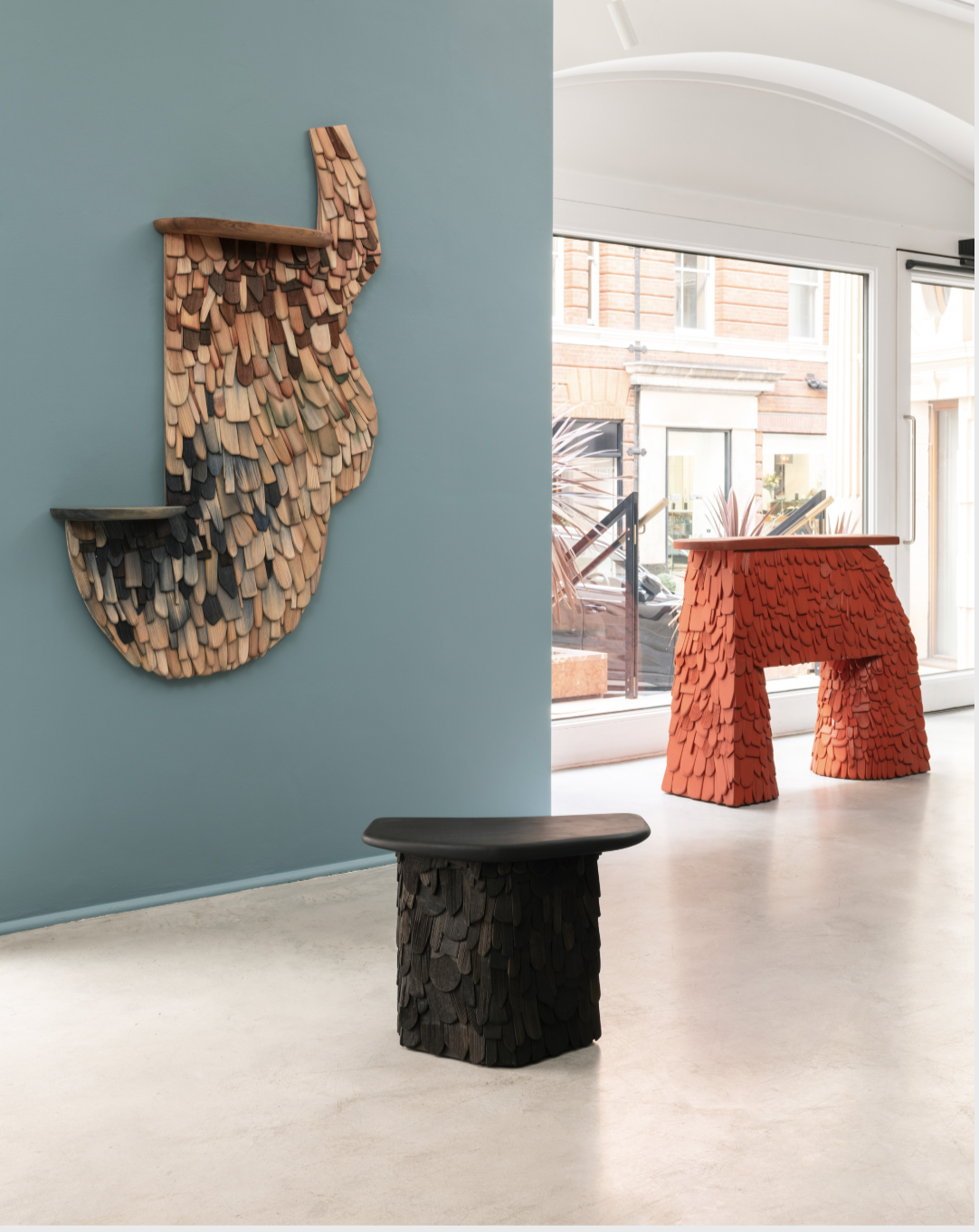
Curated by Christina Stefani for House of Stefani
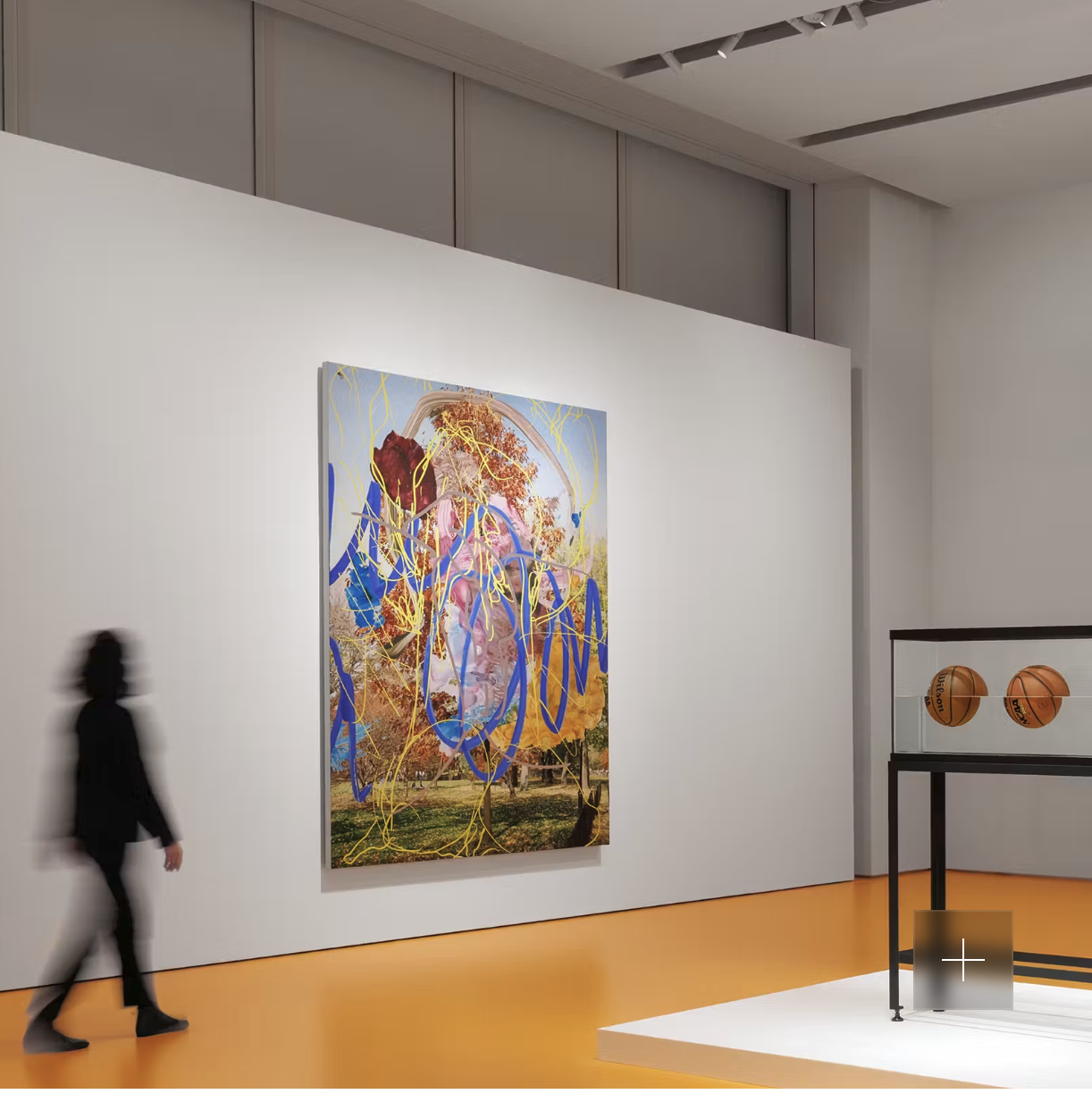
Louis Vuitton has revealed its Arts & Culture Program for 2026. Spanning cities and disciplines worldwide, the Maison presents renowned artists and major exhibitions, inviting audiences to engage in a dialogue shaped by creativity and exchange. Courtesy Louis Vuitton.
The market is not simply rebounding; it is becoming more selective, more experiential, and more provenance-conscious.
The theme is warm authority: art and design intelligence for people who want beauty, context, and cultural confidence.
There are weeks when culture feels noisy, and there are weeks when it feels instructive. This was one of the instructive ones.
Across art, design, fashion, and travel, the clearest signal was not spectacle for its own sake. It was discernment. Collectors are still gathering. Museums are still expanding the conversation. Luxury houses are still investing in culture. But the mood feels more selective now, more careful, more interested in depth.
At Art Basel, the scale alone was impressive: 90,000 visitors, 290 galleries, and museum and foundation representatives from around the world. But the more meaningful point is that the fair remains a place where relationships, institutional attention, and connoisseurship meet. Art is not only bought in rooms like these; it is contextualized there. (artbasel.com)
At auction, the strongest results continued to gather around works with history, rarity, and clear cultural weight. Christie’s extraordinary May season and Classic Week records remind us that the market still responds to beauty, yes, but also to provenance, narrative, and confidence. (christies.com) (press.christies.com)
Museums offered the week’s most poetic counterpoint. Tate Modern’s Ana Mendieta exhibition invites us back into a practice shaped by body, land, ritual, and impermanence. It is a reminder that some of the most powerful art does not ask to be possessed first. It asks to be understood. (wallpaper.com)
In design, Milan and London are both asking timely questions. What does craft mean in an age of acceleration? How do heritage and technology speak to one another? What does it mean for interiors, objects, buildings, and clothing to carry memory? (wallpaper.com)
These are the questions I find most interesting. Not what is merely trending, but what is worth carrying with us. The beautiful room, the meaningful object, the museum encountered while traveling, the artist whose work makes us feel more awake to the world.
This week’s takeaway is simple: culture is becoming more experiential, more global, and more thoughtful. The true luxury is not access alone. It is attention.
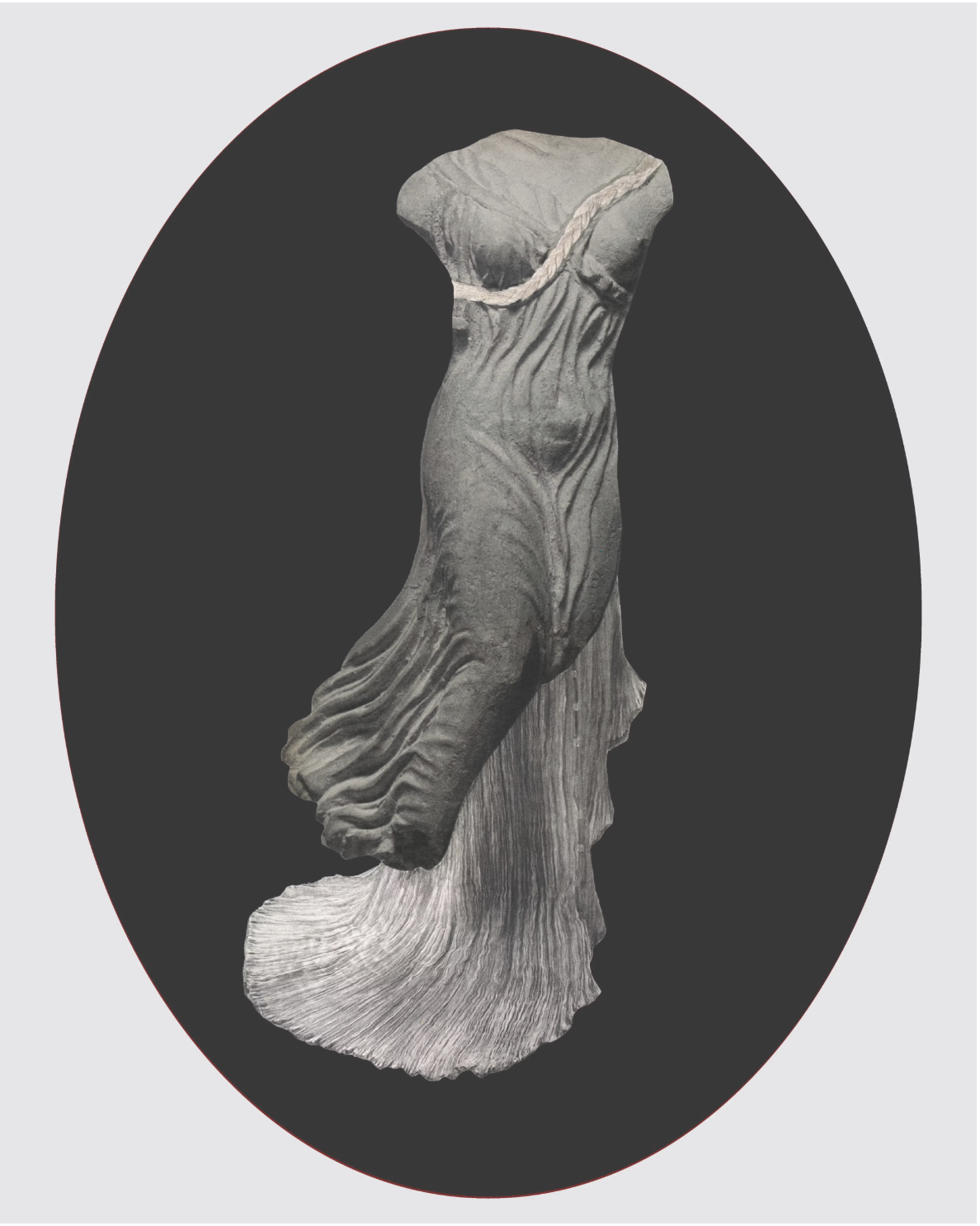
“Costume Art” continues to make the case for fashion as an embodied art form, opening new galleries dedicated to this intersection. Pictured: Collage by Julie Wolfe: “Delphos” gown, Fortuny (Italian), Adèle Henriette Elisabeth Nigrin Fortuny and Mariano Fortuny y Madrazo, 1920s. The Metropolitan Museum of Art, New York, Gift of Frances J. Kiernan, 2005 (2005.328); Terracotta statuette of Nike, the personification of victory, late 5th century BCE. The Metropolitan Museum of Art, New York, Rogers Fund, 1907 (07.286.23). Courtesy Metropolitan Museum of Art. (metmuseum.org)
Top Developments I'm Watching This Week
The art market is recovering, but selectively. Art Basel’s 2026 Basel edition reported 90,000 visitors, 290 galleries from 43 countries, and strong sales across established, mid-market, and emerging sectors. The real signal is not simply “the market is back,” but that live convening, institutional attendance, and quality-led collecting remain powerful. Art Basel also noted more than 270 museum and foundation representatives in attendance. (artbasel.com)
Auction confidence is concentrated around pedigree and legacy. Christie’s May New York sales reached $1.45 billion, its highest-ever May season, led by major single-owner collections and blue-chip works including Pollock, Brancusi, Miró, Rothko, Richter, and Goodman-related material. (christies.com) Christie’s Classic Week also produced seven artist auction records, underscoring renewed appetite for historically validated categories. (press.christies.com)
Museums are becoming the summer’s cultural anchors. Tate Modern opened its first major Ana Mendieta exhibition on July 15, bringing more than 120 works into focus and reframing her legacy through ecology, body, ritual, and documentation rather than biography alone. (wallpaper.com) The Met’s “Costume Art,” on view through January 10, 2027, continues the fashion-as-art conversation while inaugurating nearly 12,000 square feet of new Costume Institute galleries. (metmuseum.org)
Design is leaning into heritage plus technology. London Design Festival’s September 2026 program is already positioning craft, identity, AI, and cultural memory as central design questions. (wallpaper.com) In Milan, the Triennale’s incoming leadership is emphasizing Italian craft, education, curatorial studies, architecture, fashion, and design under a newly announced four-year direction. (wallpaper.com)
Luxury houses continue to treat culture as infrastructure, not decoration. Louis Vuitton’s 2026 Arts & Culture Program spans global exhibitions and artist/architect projects, including Frank Gehry at Art Basel Hong Kong and Fondation Louis Vuitton programming abroad. (lvmh.com) This is a durable luxury signal: cultural credibility is becoming part of brand architecture.
Provenance and cultural-property scrutiny are now operating realities. The EU’s cultural goods import rules, effective June 28, 2025, continue to raise compliance expectations for non-EU cultural goods entering the EU. (mishcon.com) Separately, recent reporting on Manhattan’s Antiquities Trafficking Unit highlights the scale of restitution enforcement, with roughly 6,350 objects returned to more than 30 countries. (ft.com)
Emerging Themes
Experience is outperforming object-only luxury. Art Basel’s 2026 trend outlook points to high-end collectors spending on travel, live fairs, and cultural access, with art viewing increasingly folded into global hospitality and destination culture. (artbasel.com)
The gallery model is not collapsing; it is bifurcating. Art Basel’s report notes that among 205 publicly tracked gallery business changes in 2025, 42% were new ventures or branches, while 25% were closures. The middle segment remains pressured, but nimble galleries and well-positioned international programs are still expanding. (artbasel.com)
Collectible design is becoming more intimate and destination-led. Design Miami’s 2026 program includes Aspen, Seoul, Paris, and Miami, while Aspen Art Fair returns July 29-August 1 with a boutique, hotel-based fair model aimed at collectors, curators, artists, and cultural travelers. (designmiami.com) (themiamiartscene.com)
Overhyped vs. Important
Overhyped: Treating every auction record as broad market health. The strongest signals are clustered around exceptional works, provenance, estate material, and category-defining names.
Actually important: The convergence of art, travel, interiors, fashion, and cultural programming. At House of Stefani, we are focusing on editorial taste: helping collectors and design-minded readers understand what is culturally meaningful, not merely visible.
Founder Takeaway
The market is not simply rebounding; it is becoming more selective, more experiential, and more provenance-conscious. At House of Stefani, we remain committed to warm authority: art and design intelligence for people who want beauty, context, and cultural confidence.
See you next week.
Warmly,
–Christina Stefani | House of Stefani Journal
About the Author: Christina Stefani is an artist, collector, and founder of Stefani Art Gallery and House of Stefani. Her work explores transformation, beauty, love, and the emotional language of abstraction.