AI, Art and Transparency: Why Knowing How an Image Was Made Matters More Than Ever
Inside the Art World
Practical conversations about galleries, collecting, artists, and the people who bring art into our lives.
By Christina Stefani
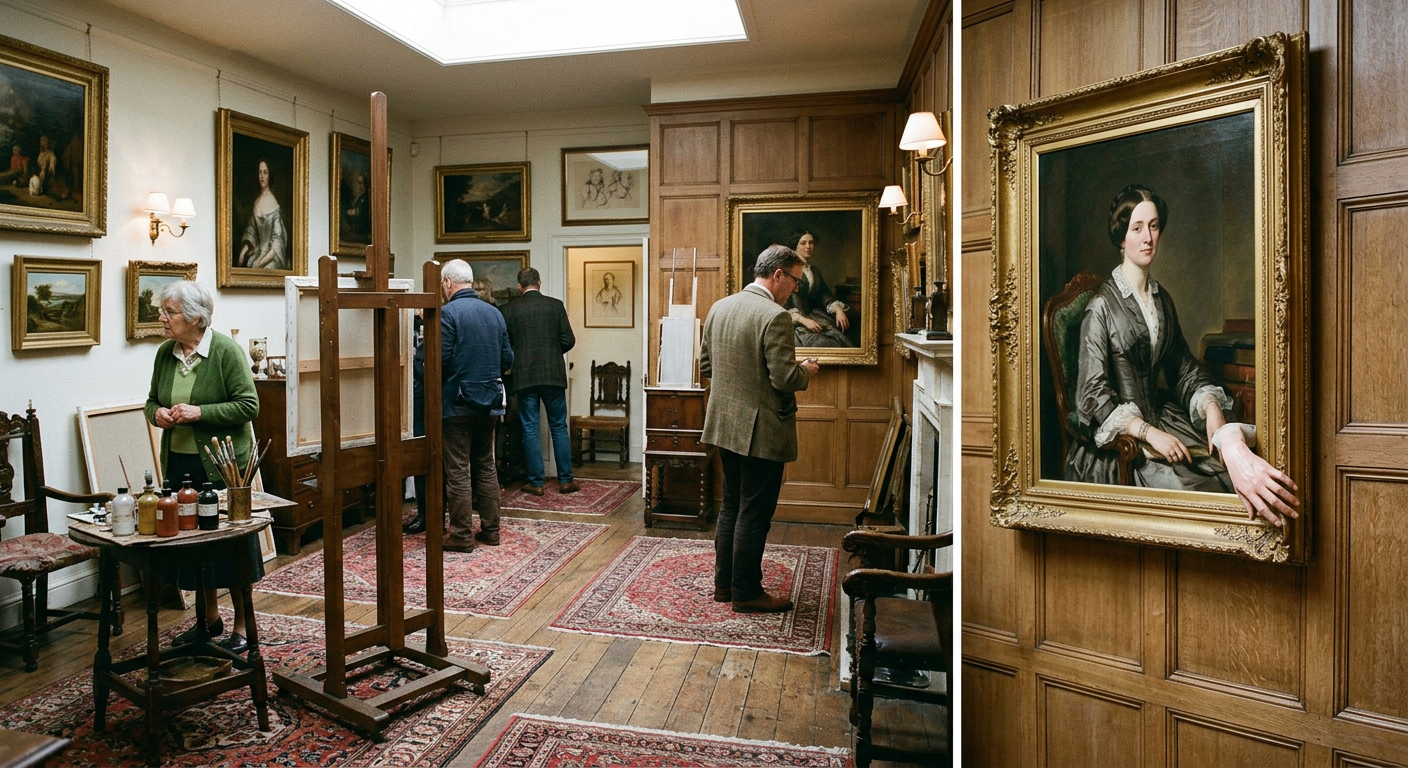
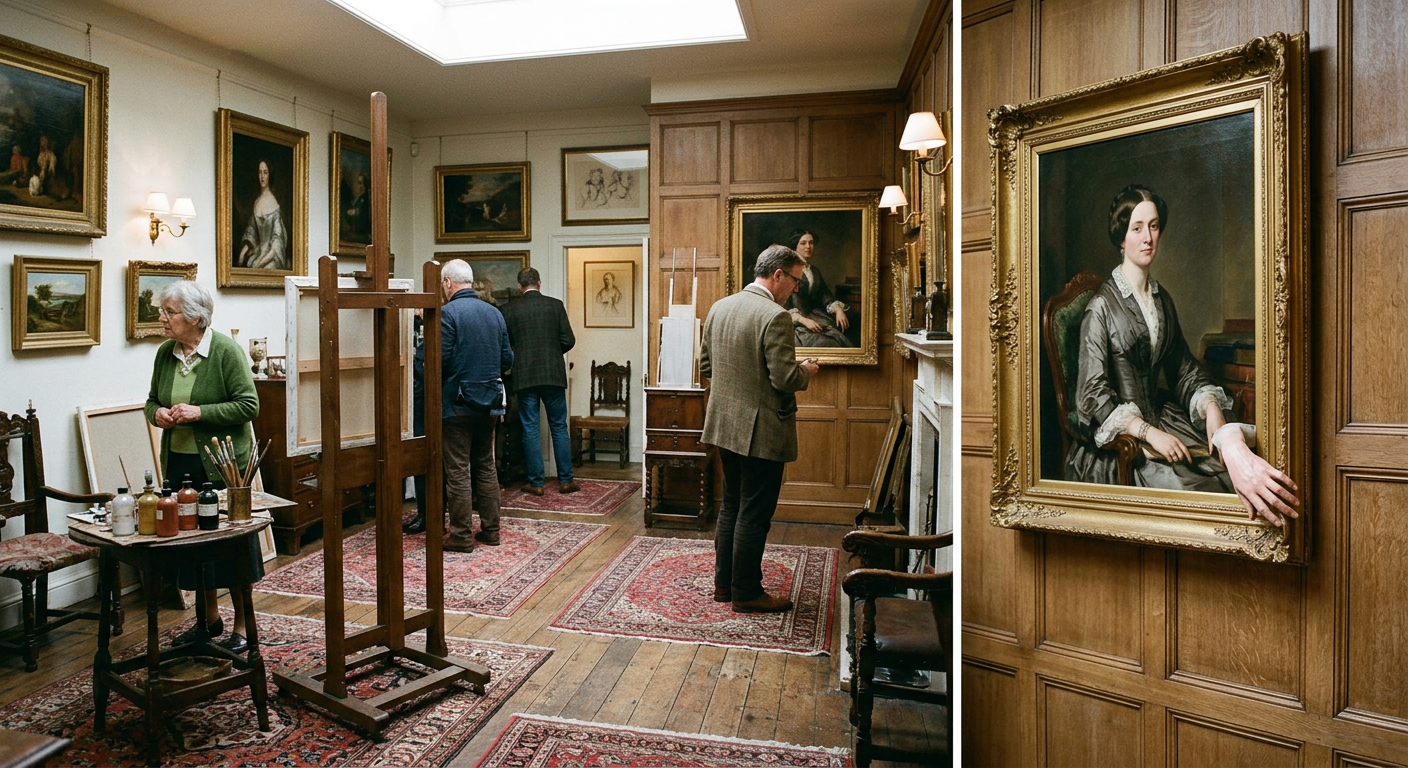
Image: AI-generated using Adobe Firefly for the House of Stefani Journal. Look closely.
Something important changed in Europe this month.
On August 2, new transparency provisions of the European Union's AI Act began applying, including requirements surrounding certain AI-generated and manipulated content.
For those of us working in art, design, publishing, galleries, and other creative fields, this deserves attention.
Not because Europe has decided that artificial intelligence and creativity are incompatible.
It hasn't.
In fact, the European framework specifically recognizes artistic and creative work and acknowledges that disclosure should be handled appropriately without interfering with the experience or enjoyment of the work.
I think that distinction matters.
This is not simply a conversation about technology.
It is increasingly a conversation about authorship, provenance, and trust.
And those are subjects the art world understands very well.
AI is Already Part of the Creative World
Whether we welcome every application of it or not, artificial intelligence is already part of contemporary creative practice.
Artists are experimenting with generative tools.
Designers are incorporating AI into visualization and concept development.
Galleries use technology in marketing and communications.
Publishers create and manipulate imagery digitally.
Architects and interior designers increasingly use sophisticated visualization tools to imagine spaces before they exist.
The interesting question, then, is no longer whether AI will enter the creative world.
It already has.
The better question is how we use it responsibly while preserving something the cultural world has always depended upon: confidence in what we are looking at.
What Exactly Are We Looking At?
The image accompanying this article was generated using artificial intelligence. At first glance, it appears to depict a traditional gallery or artist's studio. Look again, particularly at the portrait on the right.
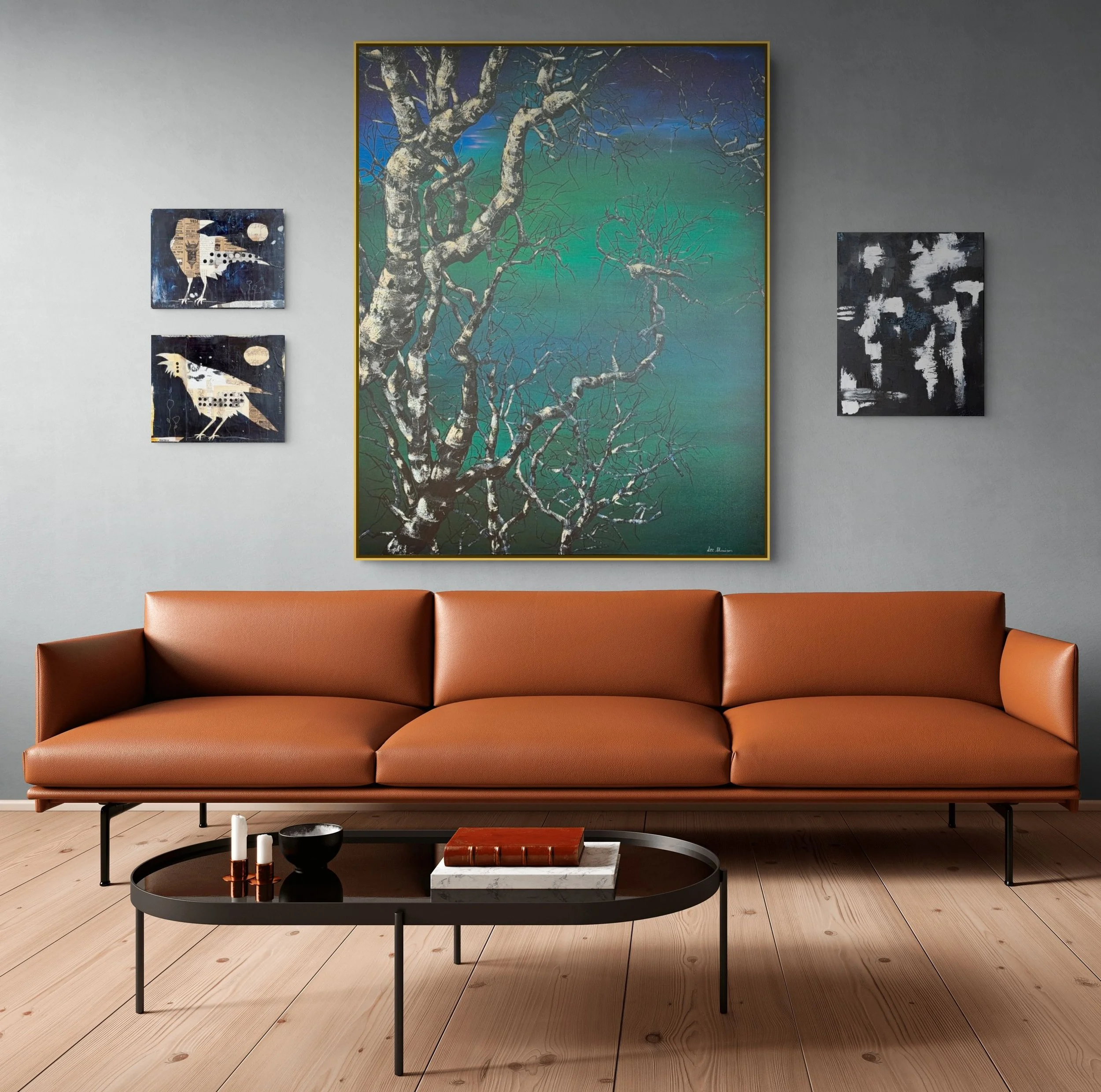
Imagine encountering a striking image online.
It appears to show an extraordinary interior containing an enormous contemporary painting.
Is the room real?
Is the painting real?
Was the artwork photographed and digitally placed into the room?
Was the entire environment generated?
Was an existing photograph substantially altered?
Was AI simply one tool within a much larger human creative process?
Those distinctions may not always change our appreciation of an image.
But increasingly, they matter.
Context matters.
The history of an object matters.
The way something came into existence matters.
In the art world, we already have a word for much of this: provenance.
Provenance is About More Than Ownership
Traditionally, provenance refers to the documented history of an artwork.
Who created it?
Where has it been?
Who owned it?
Where was it exhibited?
Is it authentic?
These questions help establish confidence in an artwork and its history.
As creative technology evolves, I believe our understanding of provenance will expand.
We may increasingly ask:
How was this image created?
Was artificial intelligence involved?
What did the artist make?
What did the technology generate?
What decisions remained entirely human?
These aren't accusations.
They're reasonable questions about process.
And thoughtful artists should not necessarily fear them.
Transparency Doesn't Diminish Creativity
There is sometimes an assumption that acknowledging technological assistance somehow diminishes creative achievement.
I'm not convinced that it does.
Artists have always adopted new tools.
Photography changed painting.
Film changed storytelling.
Digital editing changed photography.
Computer-aided design transformed architecture.
None eliminated human creativity.
They changed the tools through which creativity could be expressed.
AI may ultimately prove to be another significant chapter in that history.
But every new tool introduces new questions.
The challenge with generative AI is that the line between documentation, alteration, collaboration, and fabrication can sometimes become difficult for an audience to see.
That is precisely where transparency becomes valuable.
Collectors Should Feel Comfortable Asking Questions
For collectors, I think the approach can be surprisingly simple.
Ask.
Not suspiciously.
Not accusingly.
Curiously.
If AI was involved in creating or presenting an artwork, ask the artist or gallery how it was used.
Was the artwork itself AI-generated?
Was AI used during concept development?
Was a photograph of a physical artwork altered?
Was the artwork digitally placed into an interior for visualization?
Was AI used only for promotional imagery?
Those are very different situations.
A thoughtful answer gives the collector something valuable: context.
And context usually deepens our appreciation of art rather than diminishing it.
Galleries Have a Responsibility, Too
This conversation isn't only about artists.
Galleries, publishers, designers, cultural organizations, and platforms also have responsibilities.
We increasingly create imagery around artworks.
We photograph them.
We place them into simulated interiors.
We create exhibition graphics.
We produce videos and social media content.
We use digital tools to communicate ideas.
As those tools become more sophisticated, I believe cultural organizations should develop clear internal standards about how materially AI-generated or manipulated imagery is presented.
Not because every adjustment requires a warning label.
It doesn't.
But because audiences should not be intentionally misled about what they are seeing.
That is both an ethical question and, increasingly in some jurisdictions, a regulatory one.
The European Approach is Worth Watching
The European Union's new transparency framework is significant because it attempts to preserve two principles simultaneously.
People should be able to understand when certain content has been artificially generated or manipulated.
And artistic expression should not be unnecessarily disrupted in the process.
That balance is important.
The goal should not be to cover artworks with disclaimers.
Nor should it be to treat artists using new technology with suspicion.
The goal should be appropriate context.
Enough information for audiences to understand what they are encountering without interfering with the experience of encountering it.
That feels remarkably compatible with the traditions of the art world.
Trust May Become More Valuable, Not Less
There is a larger cultural question here.
We are entering an era in which creating convincing images is becoming extraordinarily easy.
As that happens, knowing where something came from may become increasingly valuable.
Knowing the artist.
Knowing the gallery.
Knowing the process.
Knowing the history.
Knowing that someone is willing to stand behind what is being presented.
In other words, the rise of artificial intelligence may actually make some of the oldest relationships in the art world more important.
Artists.
Collectors.
Curators.
Dealers.
Galleries.
Institutions.
These relationships have always depended upon trust.
Technology doesn't eliminate that need.
It may increase it.
A New Chapter in an Old Conversation
I don't believe the most interesting conversation about AI and art is whether artists should use artificial intelligence.
Artists will make that decision for themselves, just as artists have always chosen their own tools.
The more important conversation is what happens afterward.
How do we talk about the work honestly?
How do we document its creation?
How do galleries represent it?
How do collectors understand what they are acquiring?
And how do we preserve the extraordinary possibilities of new creative technology without sacrificing trust?
Europe's new transparency rules won't answer every one of those questions.
But they are a sign that the conversation has entered a new phase.
For the art world, that may ultimately be a healthy development.
Because transparency doesn't make art less mysterious.
It simply allows us to understand where the mystery came from.
A Conversation Worth Continuing.
The art world works best when artists, galleries, collectors, and designers understand one another. If there's a topic you've always wondered about, we'd love to hear from you. Future articles in the Inside the Art World series are inspired by real conversations from our community.
This article discusses cultural and professional implications of recent European developments and is not intended as legal advice.