This Week in Art, Design, and Culture: Craft, Culture, and the Objects We Remember
Curated by Christina Stefani for House of Stefani

Buzzco Productions/Buzzco Associates. MTV cel setup: Astronauts. c. 1983. Marker and pencil on celluloid and photo paper, 11 7/8 × 14″ (30.2 × 35.6 cm). Courtesy MOMA: Buzzco/Perpetual Motion Collection, Gift of Buzzco Associates, Inc., 2013.
The Quiet Power of Objects With a Story
There are weeks when the cultural world seems determined to compete for our attention. Then there are quieter weeks like this one, when the most interesting developments invite us to look more closely.
The V&A’s forthcoming exhibition devoted to the Burberry trench coat is a lovely example. A familiar garment becomes a lens through which to consider history, utility, British identity, craftsmanship, and reinvention. Its importance does not come from rarity alone. It comes from the life accumulated around it.
I see the same quality in Secret 7”, the annual project pairing music with one-of-a-kind artist-designed record sleeves. The identities of the artists remain hidden until each work is purchased. For a moment, taste is separated from reputation. We are asked to choose through curiosity and feeling.
This idea matters in collecting. The market may be recovering, but headline prices never tell the entire story. Exceptional works can lift an auction season while other areas remain cautious. A thoughtful collector does not need to follow every surge of attention. The better question is whether an object has integrity: in its making, its history, its condition, and its relationship to the person who will live with it.
Museums are expanding that conversation. Animation drawings at MoMA, contemporary jewelry at the Walters, student fashion at MoMu Antwerp, and community art at the Delaware Art Museum all suggest a more generous understanding of cultural value. Art is not becoming less serious. Our definition of what deserves serious attention is becoming richer.
At House of Stefani, this is close to the heart of what we believe. A home becomes meaningful through layers: a painting discovered while traveling, a sculptural chair whose maker transformed a material, or a small object that quietly changes the atmosphere of a room.
The most memorable pieces do more than decorate our surroundings. They connect us to another imagination, another place, or another time. They give us something to live with and something to continue discovering.
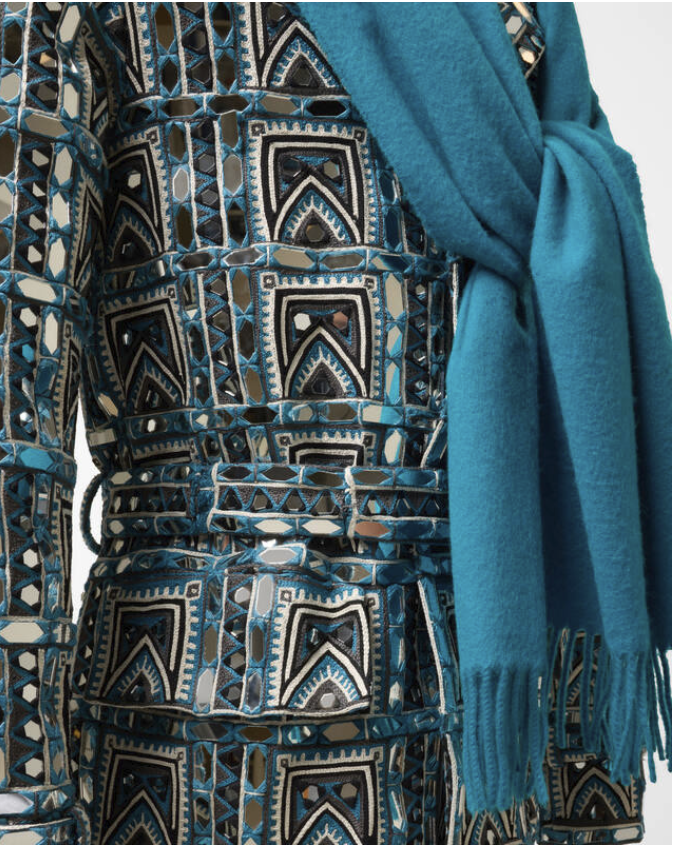
Detail of Burberry men’s mirror-embroidered trench coat, Autumn/Winter 2015. Courtesy V&A South Kensington.
Top Developments Aug 1-8
The art-market recovery is real, but selective. Christie’s reported first-half auction sales of $3.5 billion, up 71%, while Sotheby’s reached $3.4 billion, up 59%. Trophy collections, guarantees, disciplined estimates, private sales, and luxury categories contributed heavily. Korea offers a useful warning against reading headline totals too broadly: auction value nearly doubled there, but two works accounted for 23% of the total and the number of lots offered declined. Christie’s results · The Art Newspaper analysis · Korean market analysis
Fashion heritage is becoming cultural infrastructure. The V&A has unveiled The Burberry Trench: Crafting an Icon, a free display opening September 21 that follows the trench coat from military outerwear to global design symbol. The emphasis is on archives, craftsmanship, and cultural memory rather than a conventional product launch. V&A
Accessible collecting can still carry mystery and meaning. War Child’s Secret 7” returns with 700 unique artist-designed record sleeves. Their creators remain anonymous until purchase, allowing established and emerging names to compete on instinct rather than status. The works will be exhibited at London’s 180 Studios from August 18–30 before an online charity auction; earlier editions have raised more than £900,000. Wallpaper
Cultural institutions are widening the definition of serious collecting. MoMA opened It’s Alive! A Century of Animation on August 1, bringing together more than 200 pieces of production art and film from 1908–2020. Meanwhile, the Delaware Art Museum opens its community-driven People’s Gallery to the public today, with works by as many as 600 regional artists available for purchase. MoMA · Delaware Art Museum
Art, hospitality, and connoisseurship continue to merge. Chicago’s NoMI Gallery opened an exhibition of Dwight Hwang’s gyotaku works this week. It will lead into a limited Park Hyatt experience combining live printmaking, omakase, and Japanese spirits. In London, Christie’s is hosting a free, non-selling exhibition from New Delhi’s Kiran Nadar Museum, supported by Harrods, through August 21. NoMI · Christie’s
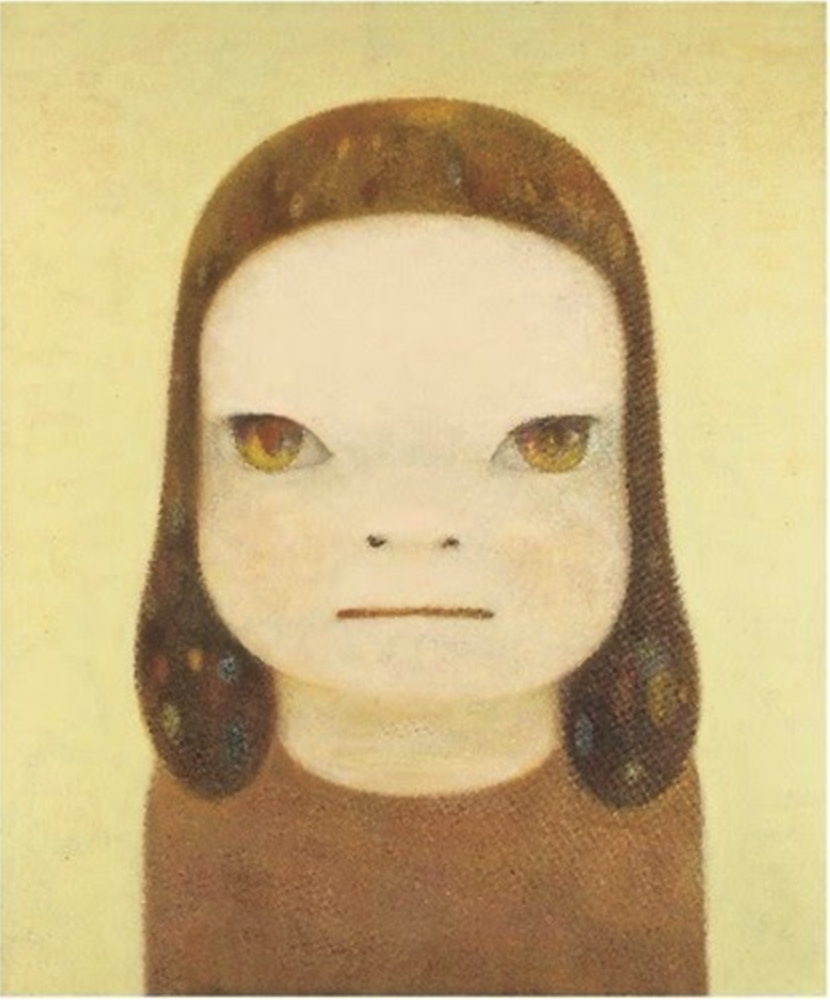
Yoshitomo Nara’s “Nothing about it” sold for 15 billion KRW (10,654,241.46 US dollars), setting a new record for the highest price ever at a Korean art auction. Courtesy Asia Business Daily.
Emerging Themes
Craft, archives, and provenance are becoming stronger luxury signals than novelty alone.
Museums and auction houses increasingly operate as cultural publishers, educators, and gathering places.
Collectors are crossing categories more freely: fine art, design, fashion, memorabilia, animation, and objects of craft now occupy the same conversation.
The most persuasive cultural partnerships provide access, scholarship, or human experience. A logo beside an artwork is no longer enough.
Overhyped vs. Important
Overhyped: Claims that the entire art market has returned to strength. The recovery remains heavily influenced by exceptional estates, blue-chip material, guarantees, and a relatively small number of high-value works.
Actually important: Buyers are active but price-conscious. Christie’s reports stronger participation in the $20,000–$100,000 range, while design results from Milan show continued interest in well-documented pieces by Ico Parisi, George Nakashima, and other established makers. Il Ponte
Overhyped: Every art-fashion or art-hospitality collaboration as evidence of cultural importance.
Actually important: Collaborations that reveal process, connect objects to history, and invite participation. Burberry at the V&A, Secret 7”, and NoMI’s gyotaku program each offer a distinct reason to engage.
See you next week.
Warmly,
–Christina Stefani | House of Stefani Journal
About the Author: Christina Stefani is an artist, collector, and founder of Stefani Art Gallery and House of Stefani. Her work explores transformation, beauty, love, and the emotional language of abstraction.