What Is Shin-hanga?
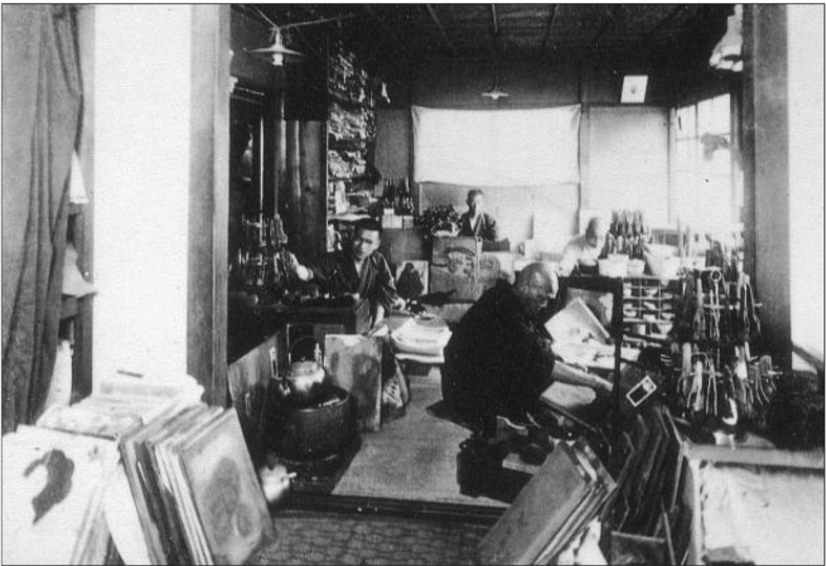
Watanabe Shozaburo Print Studio c. 1935
Learning to See
Essays on Beauty, Craftsmanship, and the Experience of Art
II. What Is Shin-hanga?
When Tradition Learns to Breathe Again
"Every generation inherits a choice. Preserve the past exactly as it was, or discover how its wisdom can live again."
Art history often tells the story of movements.
Impressionism.
Modernism.
Abstract Expressionism.
Minimalism.
Each is described by dates, names, techniques, and theories.
Those details matter.
But they rarely explain why a movement continues to speak to us generations later.
The story of shin-hanga, meaning "new prints," begins with a different question.
How do we preserve a tradition without turning it into a museum piece?
At the beginning of the twentieth century, Japan stood at a crossroads.
The country was changing rapidly. Cities expanded. Industry grew. Photography became increasingly common. Western painting gained popularity, and many centuries-old artistic traditions seemed destined to fade into history.
Among them was the Japanese woodblock print.
For generations, ukiyo-e had flourished as one of Japan's great artistic achievements. Artists such as Hokusai and Hiroshige transformed carved blocks of cherry wood into images that traveled throughout Japan and, eventually, around the world. Their work influenced generations of European painters, including Monet, Van Gogh, and Whistler.
Yet by the early 1900s, many believed the great age of Japanese printmaking had passed.
One publisher disagreed.
His name was Watanabe Shōzaburō.
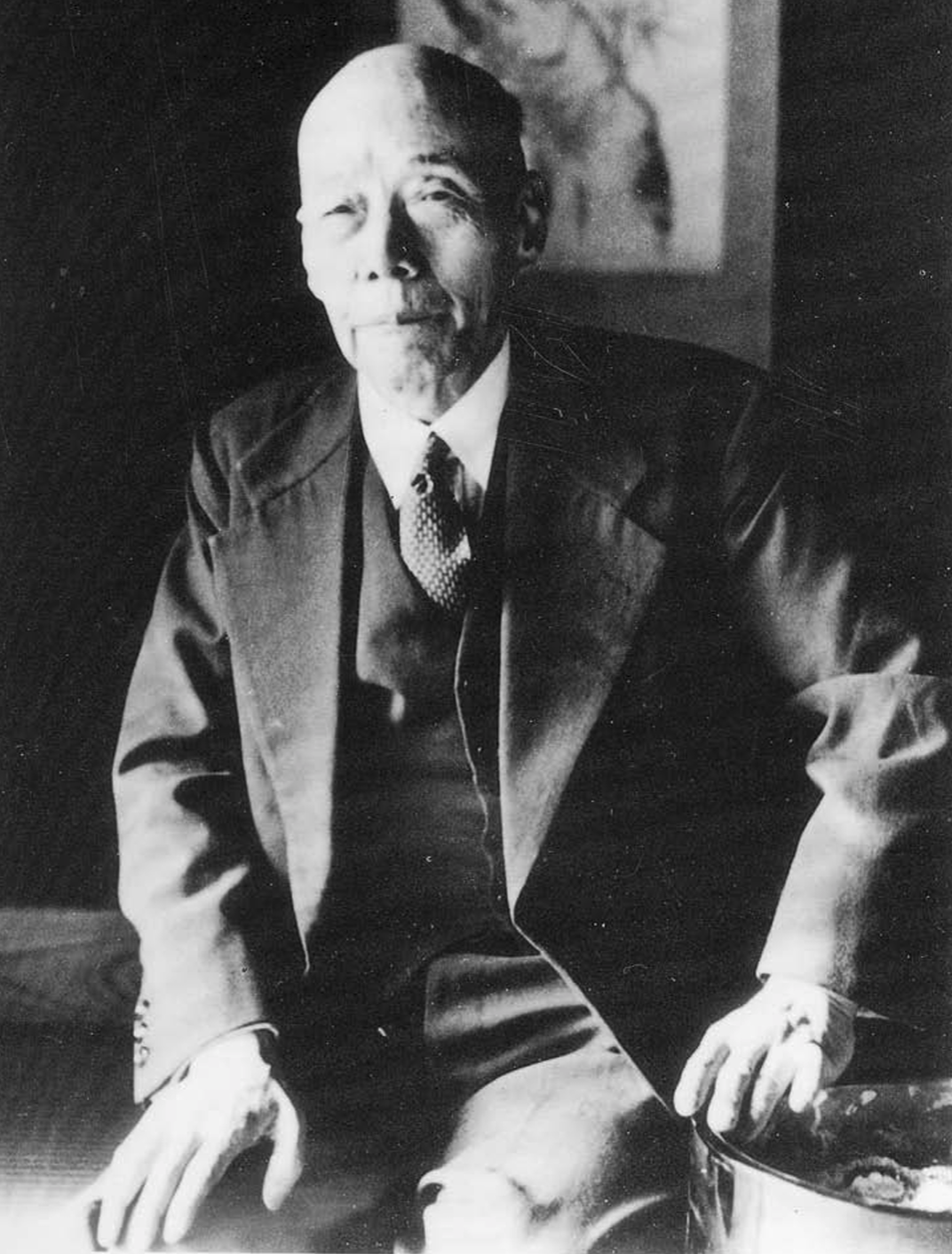
Watanabe Shōzaburō 1959. Courtesy Watanabe Tadasu
Rather than abandoning the tradition, Watanabe imagined something remarkably ambitious.
What if Japanese woodblock printing could remain faithful to centuries of craftsmanship while speaking to a modern world?
His answer became known as shin-hanga.
The movement honored the traditional collaborative process that had defined Japanese printmaking for generations.
An artist designed the image.
A master carver translated that design into wood.
A master printer brought the blocks to life through layer upon layer of carefully applied pigments.
The publisher oversaw every stage, ensuring exceptional quality from beginning to end.
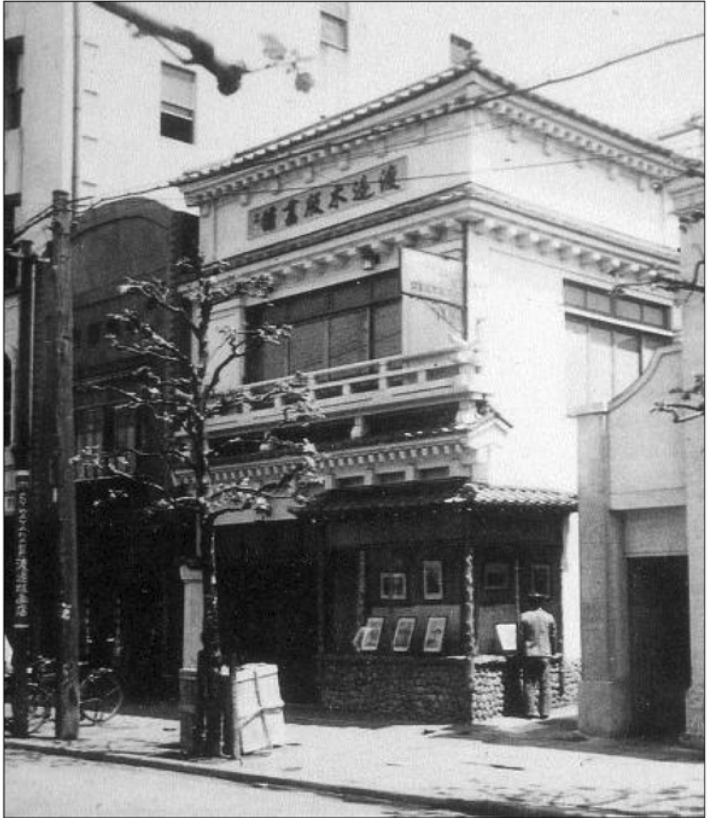
Watanabe Shozaburo Print Shop in Kyobashi (present-day Chuo Ward, Ginza,Tokyo), 1940
Unlike many forms of modern art, no single individual claimed complete authorship.
Each print represented the combined mastery of several highly skilled craftspeople, each contributing years, often decades, of specialized knowledge.
There is something quietly beautiful about that idea.
It reminds us that excellence is often collaborative.
We tend to celebrate the visible artist.
Less often do we remember the printer who perfectly judged the moisture of handmade paper, or the carver whose steady hand transformed brushstrokes into wood.
Yet without them, the image could never exist.
That spirit of shared craftsmanship feels surprisingly relevant today.
In an age that prizes speed and individual recognition, shin-hanga reminds us that enduring work often emerges through patience, discipline, and trust between people devoted to a common purpose.
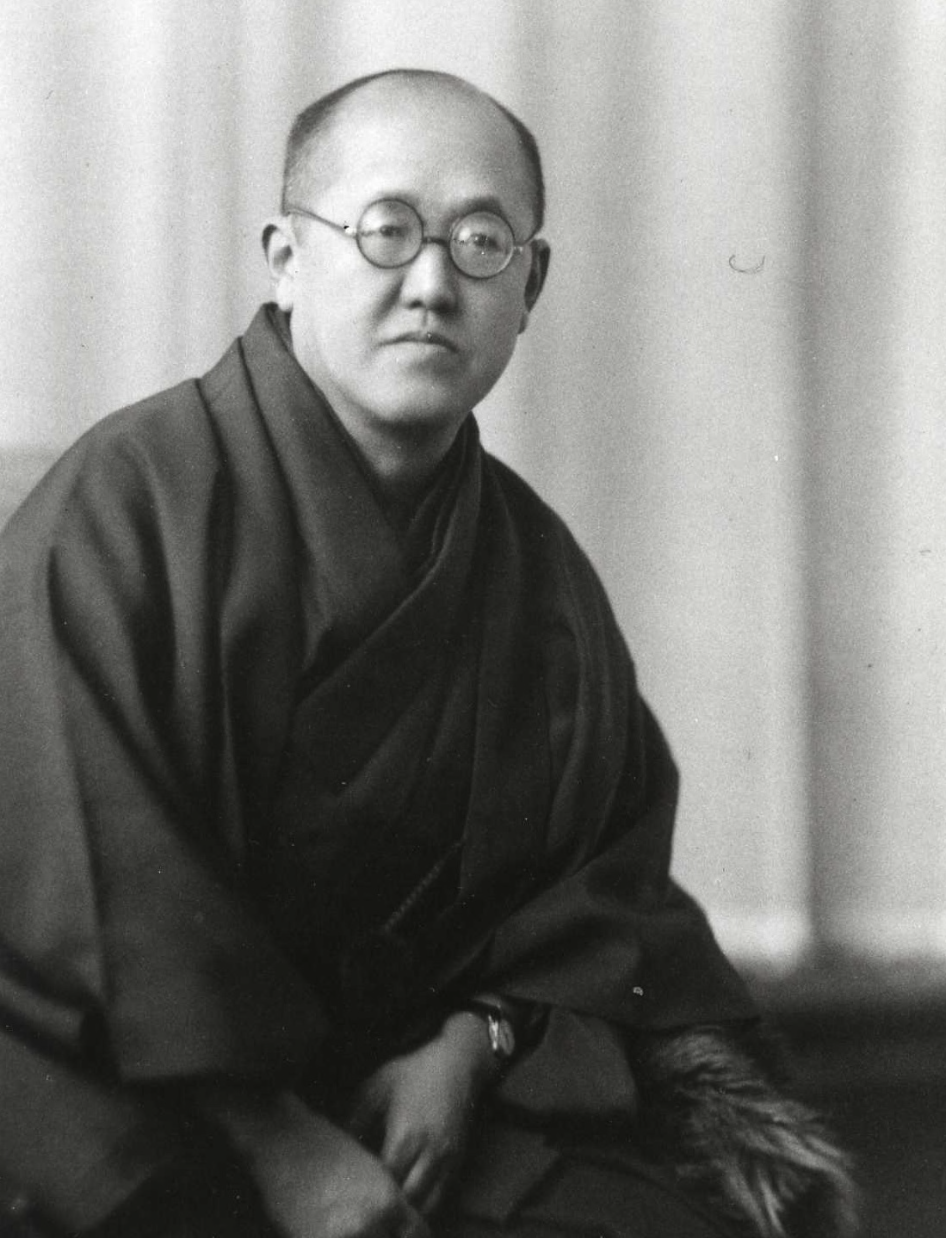
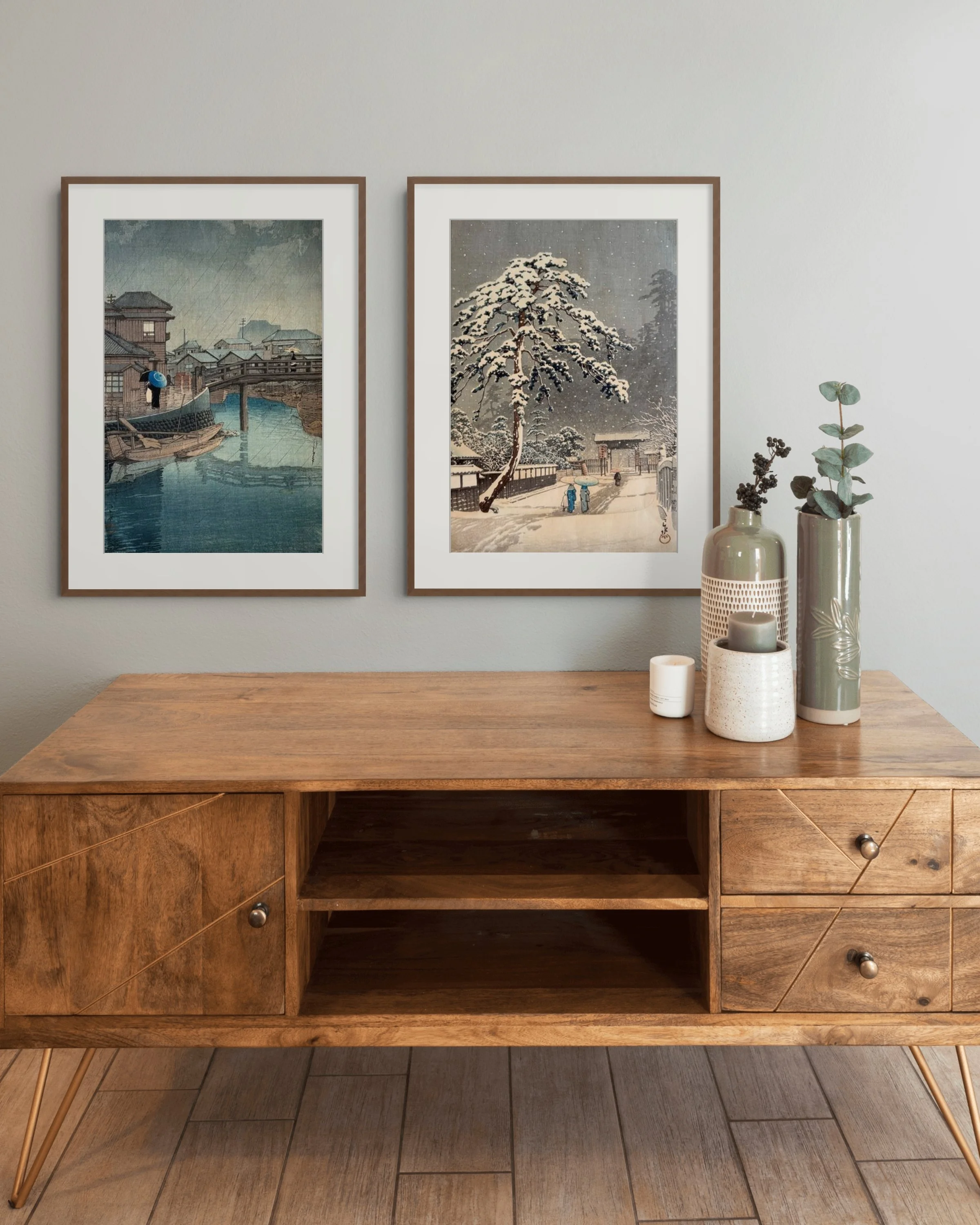
Among the artists who embraced this movement, none explored atmosphere more poetically than Kawase Hasui.
His landscapes rarely depicted famous historical events or dramatic narratives.
Instead, they invited viewers into ordinary moments transformed by season, weather, and light.
A village after snowfall.
A quiet harbor beneath falling rain.
Evening settling over a temple.
These scenes may appear simple.
They are anything but.
Every subtle gradation of color, every reflection in still water, every shadow cast across fresh snow required extraordinary technical precision from everyone involved in the printing process.
The result feels effortless only because the craftsmanship is so accomplished.
Perhaps that explains why shin-hanga continues to resonate with collectors around the world.
Its beauty is not loud.
It does not compete for attention.
Instead, it rewards careful looking.
The longer we spend with these prints, the more they reveal.
That, too, is part of their philosophy.
They teach us that beauty is not always something we discover all at once.
Sometimes it unfolds slowly, one quiet observation at a time.
A Reflection
When we speak about preserving tradition, we sometimes imagine protecting the past from change.
Shin-hanga suggests something more hopeful.
Traditions remain alive not because they resist change, but because each generation finds new reasons to cherish them.
That may be true of art.
It may also be true of the lives we hope to build.
Looking Ahead
In our next essay, we'll slow down before a single work of art: Rain at Shinagawa.
Rather than asking What does this print depict?, we'll ask a different question.
What does rain allow us to see?