This Week in Art, Design, and Culture
Curated by Christina Stefani for House of Stefani
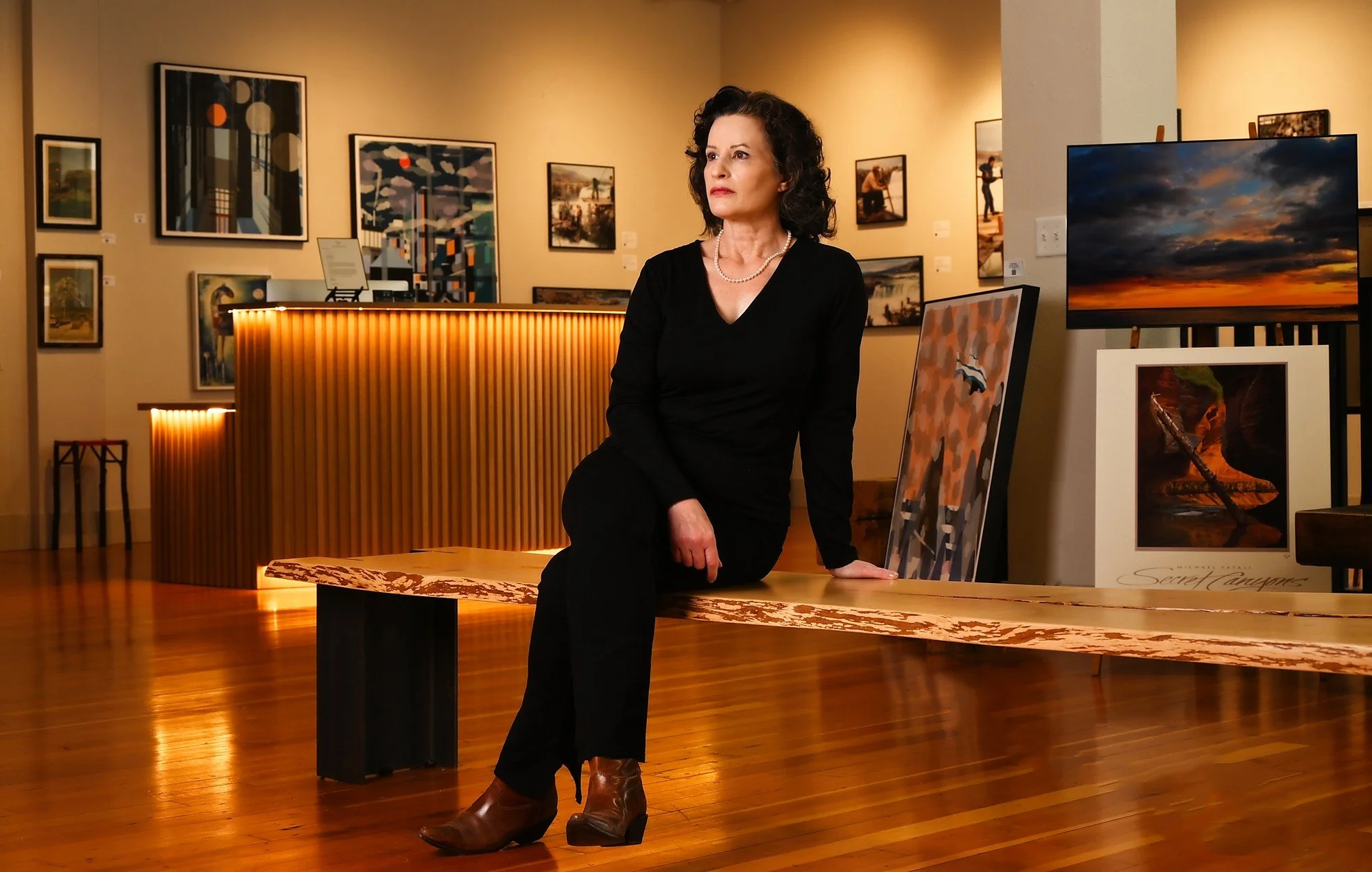
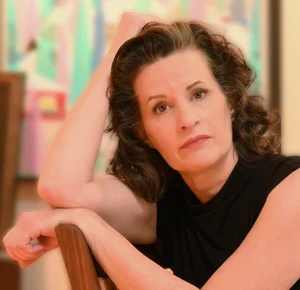
Christina Stefani at Stefani Art Gallery, Salem, Oregon. Photograph by Lola Porter.
On gratitude, artistic legacy, the knowledge we inherit, and the beauty of giving something meaningful in return.
Lately, I've been thinking about gratitude.
Not simply the things we're grateful for, although that list can become wonderfully long. I've been thinking about the people, experiences, and opportunities that shape our lives, often in ways we don't fully appreciate until much later.
Some of the greatest gifts I've received weren't things I recognized as gifts at the time. An unexpected opportunity. Someone who believed in me. A difficult experience that eventually taught me something valuable. Or a kindness I still remember years later.
And then there are the things we sometimes take for granted. The ability to create. The freedom to pursue an idea. The privilege of doing meaningful work and sharing it with others.
I've become increasingly aware of how much I've been given, and how much pleasure there is in contributing something meaningful in return.
Last week, we explored inspiration and the unexpected places we find it. This week, I'd like to consider something closely related: what we receive from the world around us, what we choose to preserve, and what we have the opportunity to give.
As it happens, several beautiful cultural discoveries have brought those ideas to mind.
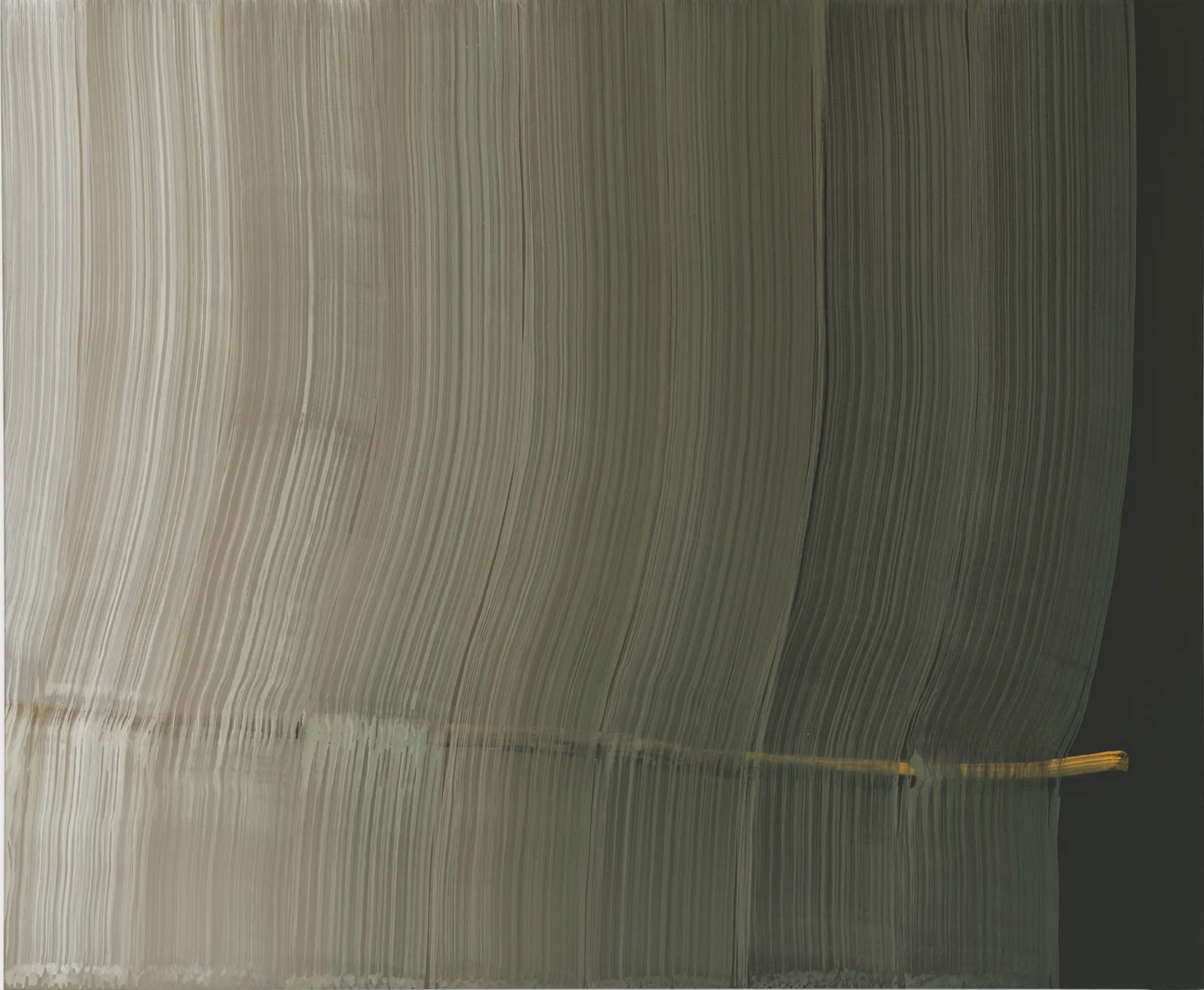
Hyun-Sook Song, 8 Brushstrokes over 1 Brushstroke, 2026. Tempera on canvas, 55 1/2 × 67 inches. Courtesy Sprüth Magers
Hyun-Sook Song: A Lifetime in a Brushstroke
At Sprüth Magers in London, a 2026 exhibition brought the extraordinary work of Korean-born artist Hyun-Sook Song to British audiences.
Song's paintings are deceptively simple. Working with egg tempera, she creates spare compositions in which a few carefully placed brushstrokes suggest fabric, bamboo, architectural forms, and fragments of remembered landscapes.
Her artistic practice emerged in part from the experience of leaving rural South Korea and beginning a new life in Germany.
What interests me is how much experience she can communicate through so little.
A single brushstroke may appear effortless, yet it carries years of observation, experimentation, and physical understanding of the material.
As a painter, I find that fascinating. Restraint requires a particular kind of confidence. Every mark matters, and there is nowhere for an uncertain decision to hide.
Song's work reminds us that our experiences, even those that seem far removed from our creative lives, often become part of what we eventually make.
Sometimes the most meaningful things we carry forward are not objects, but the ways we've learned to see.
Explore Hyun-Sook Song at Sprüth Magers
A New Cultural Home in Western Sydney
In November 2026, Powerhouse Parramatta opened in Western Sydney, Australia, bringing an ambitious new museum of art, design, science, and technology to a community that has long advocated for greater cultural investment.
The striking building, designed by Moreau Kusunoki with Genton, houses expansive exhibition spaces and a program intended to bring people of different ages and interests together.
Its opening exhibitions range from explorations of space and technology to First Nations relationships with water, contemporary design, and large-scale artistic installations.
I particularly appreciate the museum's emphasis on participation.
A wonderful cultural institution offers more than objects to admire. It creates opportunities for people to encounter new ideas, discover artists, ask questions, and share experiences.
I've always believed that art and culture enrich our lives in ways that cannot be measured entirely by attendance figures or economic returns.
Sometimes the value begins with a child seeing something extraordinary for the first time. Or an adult encountering an idea that changes how they understand the world.
These experiences can stay with us for a lifetime.
And making them accessible is a generous contribution to a community.
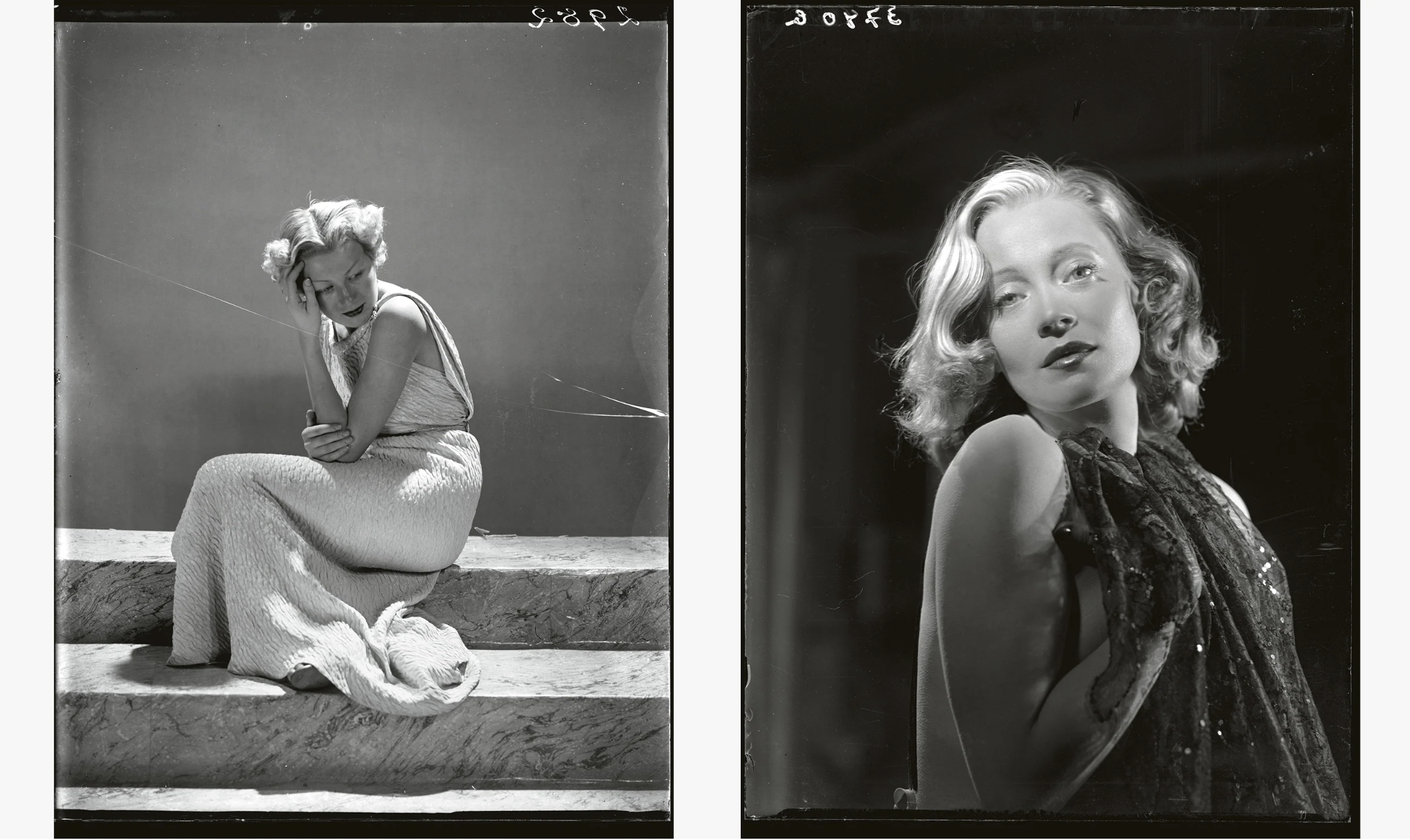
Left: Philippe Halsman, Model. Right: Philippe Halsman, Mademoiselle Anne Laurent. © Philippe Halsman Estate
Philippe Halsman: What an Archive Can Give Back
One of the most remarkable photographic discoveries in recent years began with a wooden crate tucked away in a family archive.
While organizing the photographic estate of his grandparents, Oliver Halsman Rosenberg discovered hundreds of glass-plate negatives made by his grandfather, Philippe Halsman, during his early years in 1930s Paris.
Halsman would become one of the twentieth century's most celebrated portrait photographers, known for his remarkable images of figures including Albert Einstein, Marilyn Monroe, and Salvador Dalí.
But these earlier photographs had been believed lost during World War II.
What emerged was more than a collection of forgotten images. It was an opportunity to see the artist in his formative years, experimenting with light, composition, and the techniques that would eventually define his remarkable career.
The rediscovered photographs are the subject of a new book, Philippe Halsman: The French Crate (2026).
This story is particularly meaningful to me.
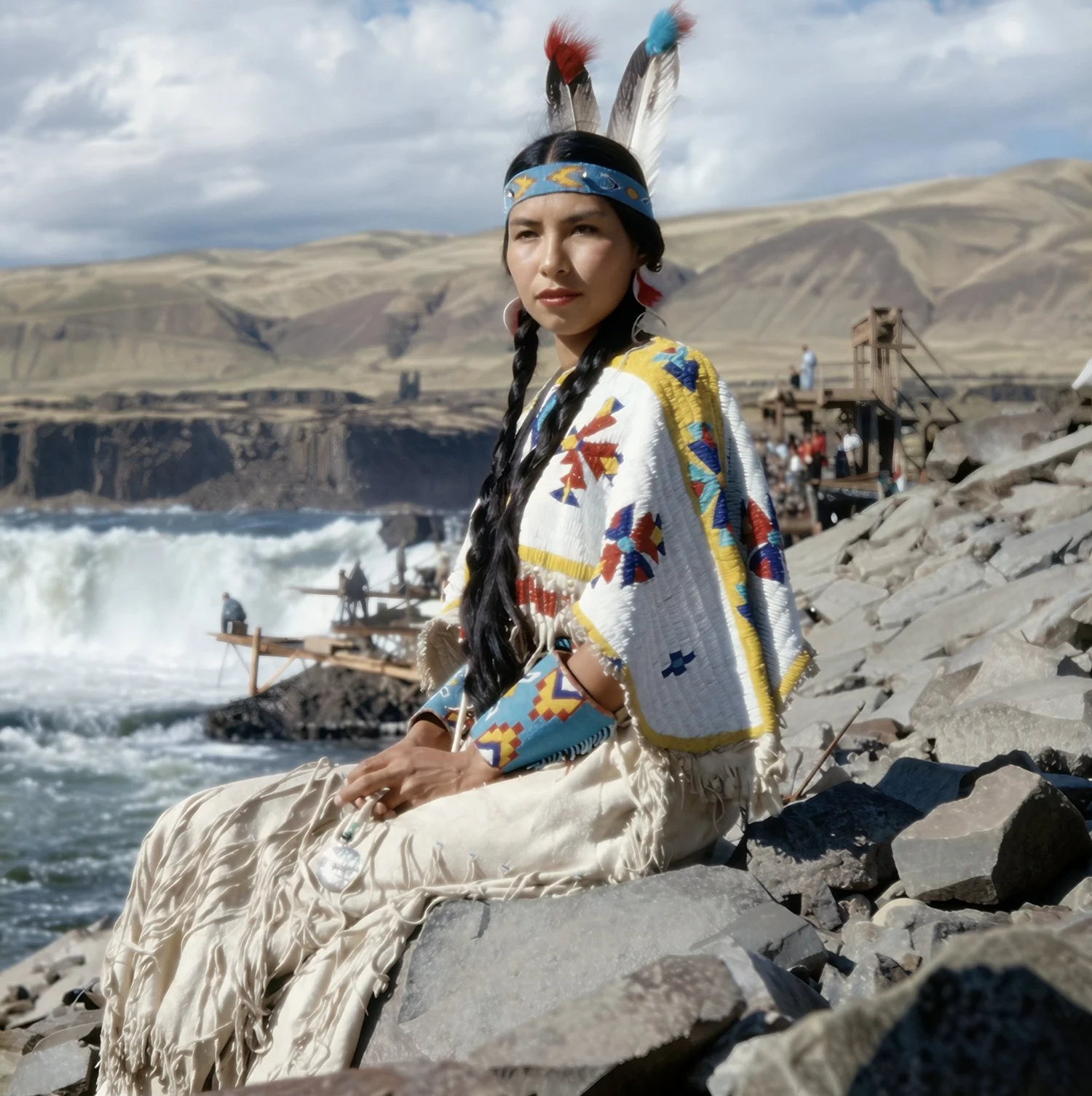
Young Woman at Celilo Falls, Richard-Stefani, 1956. ©Richard Stefani Estate
I've been working with the photographic archive of my late husband, Richard Stefani. His extraordinary color photographs of Celilo Falls, made in 1956, have become the subject of our exhibition Before the Water Rose: Celilo Falls, 1956.
Recently, I wrote about one portrait in particular, Young Woman at Celilo Falls.
What moves me about the image is not only Richard's remarkable understanding of color and composition at twenty-three, but the quiet presence of the young woman who looks directly toward his camera.
We don't yet know her name. And I believe it's important to acknowledge what we don't know rather than invent a story to fill the silence.
Preserving photographs carries responsibilities to the artist, the people represented, and those who will encounter the work in the future.
It also brings extraordinary rewards.
There is something deeply satisfying about helping a remarkable image find its way into the world again, where others can discover and appreciate it.
Read about the rediscovery of Philippe Halsman's photographs
Read The Beauty of Presence: A Portrait from Celilo Falls, 1956
Worth Noting: The Knowledge We Share
I've also been thinking about another kind of inheritance: the knowledge we accumulate through years of experience.
I recently wrote about the experiences that led me to create The Professional Artist Handbook, forthcoming from House of Stefani Press.
After decades of working as an artist, creative director, curator, and gallery owner, I've learned a great deal about both the pleasures and the practical challenges of building a creative career.
Some of those lessons were wonderful. Others were considerably more expensive than I would have preferred.
It occurred to me that sharing what I've learned might help other artists approach their professional lives with greater confidence and fewer unnecessary difficulties.
The book grew from that conviction.
We cannot spare one another every mistake, but we can share knowledge, offer encouragement, and make the path a little easier for those who follow.
And that seems like a worthwhile contribution.
Read Why I Wrote The Professional Artist Handbook
What We Are Given: Gratitude
I've been feeling particularly grateful lately.
For the people who have enriched my life. For the opportunity to paint, write, and build something meaningful. For friendships, good conversations, and the pleasure of discovering something beautiful when I least expect it.
And for the growing community of readers who have been so generous with their encouragement of these Saturday letters.
There is a great deal to appreciate in this world, even when life is complicated.
Perhaps gratitude is partly about recognizing how much we've received, and partly about deciding what we can contribute in return.
A little knowledge. A little kindness. Something beautiful. A reason for someone else to feel hopeful.
And perhaps, occasionally, a very good dinner.
–Christina Stefani | House of Stefani Journal
About the Author: Christina Stefani is an artist, gallerist, writer, and founder of House of Stefani, exploring art, design, and culture.