This Week in Art, Design, and Culture: June 27, 2026
Curated by Christina Stefani for House of Stefani
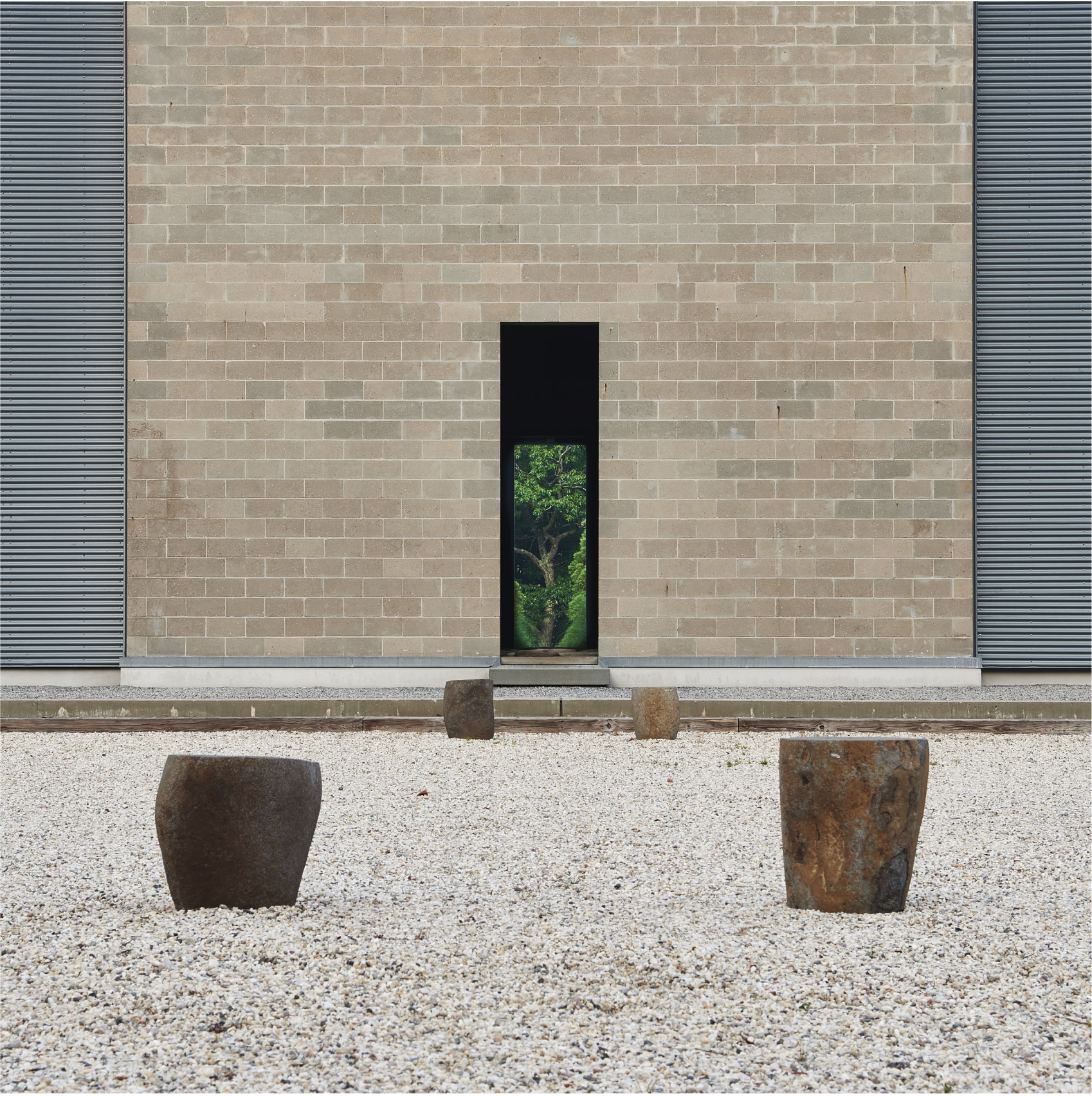
NOMAD opened its first U.S. edition at The Watermill Center in the Hamptons, bringing collectible design and contemporary art into a setting shaped by architecture, landscape, and creative experimentation.
A More Discerning Kind of Momentum
This week in the art world felt less like a grand declaration and more like a meaningful shift in temperature.
After seasons of uncertainty, collectors are still very much looking, traveling, asking, and acquiring. But the mood is more discerning now. The strongest signals are not coming from hype or noise. They are coming from quality, provenance, cultural depth, and the kind of work that feels able to hold a room, a memory, and a conversation over time.
At Art Basel, the international art world gathered again with remarkable force. The fair brought together 290 galleries from 43 countries and welcomed 90,000 visitors, including collectors, curators, museum leaders, and cultural travelers from across the world. Reported sales ranged from major blue-chip works to emerging positions, with standout activity around Picasso, Richter, Bourgeois, and other artists whose work carries both visual authority and historical weight.
What interested me most was not simply the scale of the numbers. It was the selectivity behind them. Collectors are still moving, but they are not moving casually. They are looking for work that feels grounded, rare, and emotionally or intellectually durable.
London’s auctions told a similar story. Sotheby’s Lewis Collection became one of the week’s defining market moments, achieving £296.3 million and helping create a record-setting European auction evening. Yet even there, the tone was not reckless. Reports described a careful, deliberate pace, with buyers responding to exceptional material rather than bidding indiscriminately.
Christie’s Zabludowicz sale was more measured, which may be just as revealing. Contemporary art remains deeply compelling, but the market is asking sharper questions now: Why this artist? Why this work? Why now? That kind of discipline is healthy. It rewards deeper collecting and a more thoughtful relationship with art.
Beyond the market, museums offered some of the week’s most beautiful signals. The Box in Plymouth was named Art Fund Museum of the Year, a reminder that cultural institutions do not need to be enormous to matter profoundly. Museums that tell layered stories, preserve local memory, and invite communities in are shaping the future of cultural life.
In Venice, the Biennale’s In Minor Keys continues through November, carrying forward Koyo Kouoh’s expansive vision across geographies, histories, and artistic voices. And in Melbourne, the National Gallery of Victoria opened Ragnar Kjartansson’s Mercy, an exhibition of music, repetition, humor, melancholy, and deeply human feeling.
I am always drawn to moments like this, when the art world reminds us that beauty is not separate from thought. The best work does not only decorate a life. It deepens it.
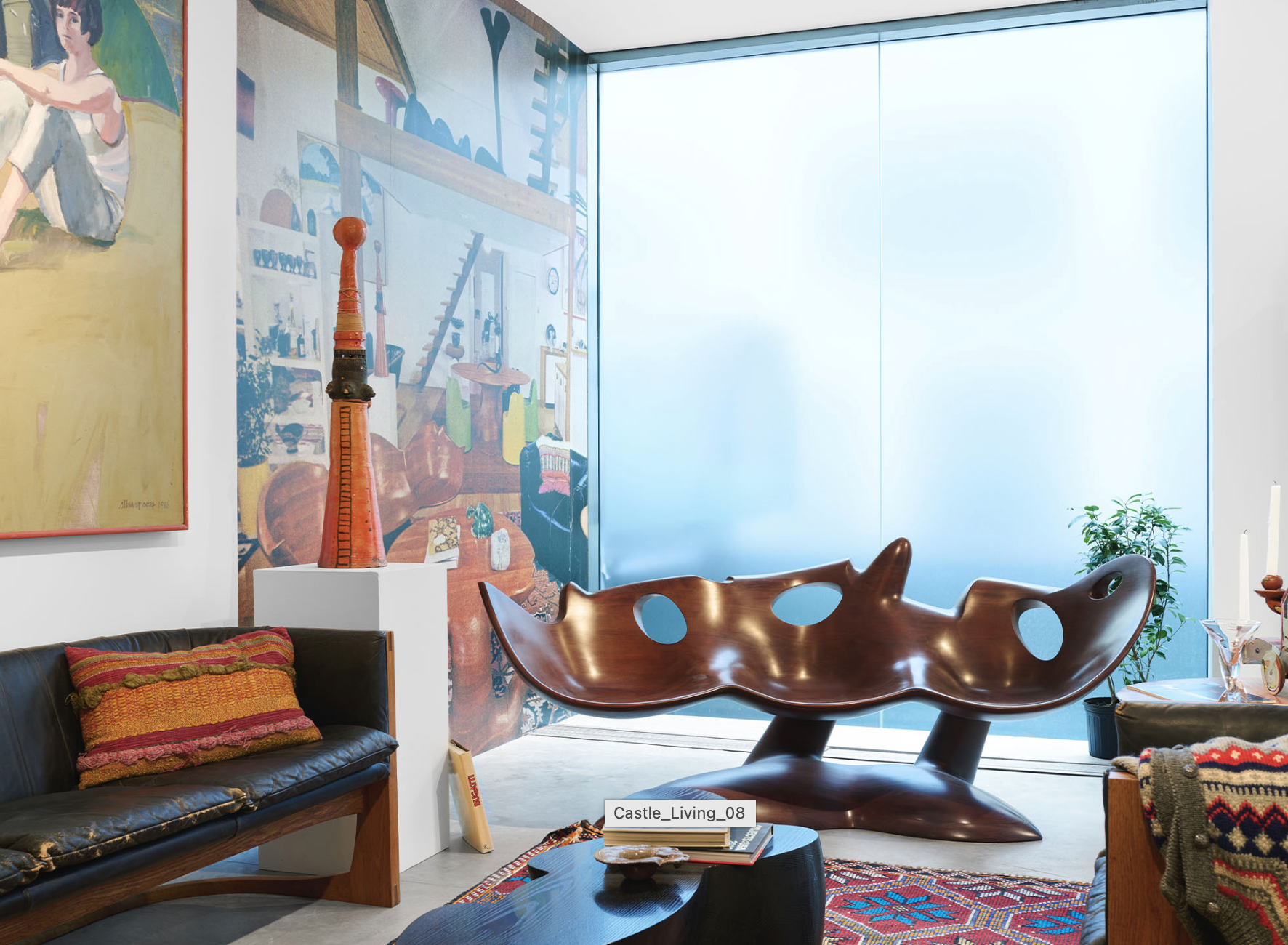
Another important current this week came from the intersection of art, design, travel, and luxury culture. NOMAD opened its first U.S. edition at The Watermill Center in the Hamptons, bringing collectible design and contemporary art into a setting shaped by architecture, landscape, and creative experimentation. This is a space I find especially compelling. Increasingly, collectors are not thinking only in terms of single objects. They are thinking about rooms, rituals, journeys, homes, and the emotional atmosphere of a life well lived.
That is where art becomes intimate. It becomes part of how we host, remember, travel, dream, and return home.
There is also a quieter but important shift around trust. Across the international art market, provenance, documentation, payment transparency, and regulatory awareness are becoming part of the language of serious collecting. This is not the glamorous side of the art world, but it is essential. A beautiful acquisition should also be a thoughtful one.
So what does this week tell us?
It tells us that the art world is not asleep. It is becoming more selective. More globally aware. More sensitive to quality. More interested in context. And perhaps, in the best cases, more human.
For collectors, this is an invitation to slow down and look more closely. To ask better questions. To collect not from pressure, but from recognition. The right work has a way of meeting you before you can fully explain why.
At House of Stefani, that is the kind of collecting I believe in: elegant, informed, emotionally alive, and grounded in a sense of place and permanence.
See you next week. Warmly,
–Christina Stefani | House of Stefani Journal
About the Author: Christina Stefani is an artist, collector, and founder of Stefani Art Gallery and House of Stefani. Her work explores transformation, beauty, love, and the emotional language of abstraction.
Sources Referenced
Art Basel, Artsy, Sotheby’s, Observer, The Art Newspaper, Art Fund, La Biennale di Venezia, National Gallery of Victoria, NOMAD, GOV.UK.