Why Living With Original Art Is Different Than Looking At It
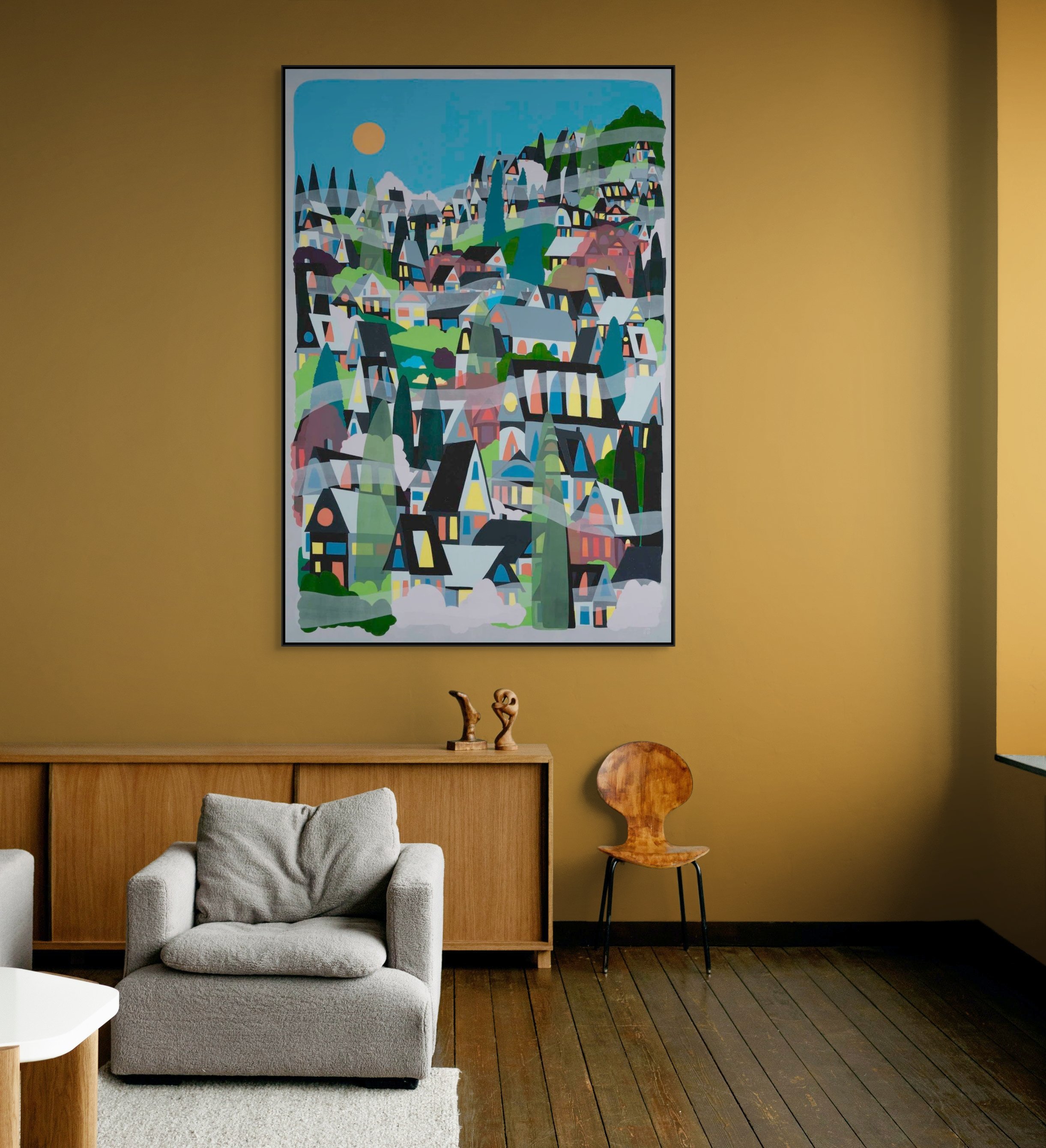
Misty Hill Moon by Jude Morales, courtesy Stefani Art Gallery
Most people encounter art in passing.
They see it while scrolling online, walking through a gallery, or visiting a museum. They stop for a moment, form an impression, and move on.
But living with art is something entirely different.
Over the years, both as a collector and as an artist, I've noticed that the relationship we have with a piece of art changes dramatically once it becomes part of our daily lives. A painting that initially catches our attention for one reason often reveals itself in unexpected ways over time.
In fact, some of the works I value most today are not necessarily the pieces that made the strongest first impression. They are the pieces that continued to hold my attention long after I brought them home.
That distinction may explain why experienced collectors often speak about art differently than casual observers. They aren't simply talking about what they see. They're talking about what they live with.
Art Changes With the Light
One of the first things collectors discover is that a painting is never quite the same from one hour to the next.
Morning light reveals details that disappear in the evening. Shadows shift. Colors become warmer or cooler. Texture becomes more pronounced. Reflections emerge and fade.
This is especially true with original paintings, where the physical surface plays an important role in the viewing experience.
A digital image presents a fixed version of a work. An original painting continues to change throughout the day.
The artwork remains the same, yet our experience of it evolves.
You Begin to Notice What You Missed
There is a tendency to think that we understand a painting after spending a few minutes with it.
Most of the time, we don't.
Living with a work creates opportunities for repeated discovery. A gesture that initially seemed insignificant begins to feel intentional. A color relationship becomes more apparent. A section of the composition that once felt secondary starts to emerge as one of the most interesting parts of the piece.
Great art rewards attention.
The longer we spend with it, the more it gives back.
This is one reason many collectors are drawn to abstract art. Because abstraction doesn't present a single fixed narrative, it leaves room for ongoing interpretation. The work can continue to reveal new meanings years after it enters a collection.
Art Becomes Part of Your Life
At some point, a painting stops being an object on the wall and becomes part of the environment in which life unfolds.
You pass it on your way to work. You see it while having coffee in the morning. Friends notice it during conversations. Family members develop their own opinions about it.
The artwork quietly becomes woven into daily routines and memories.
When collectors describe a piece as meaningful, they are often describing this accumulated experience rather than the artwork alone.
The painting becomes connected to a period of life, a place, or a personal journey.
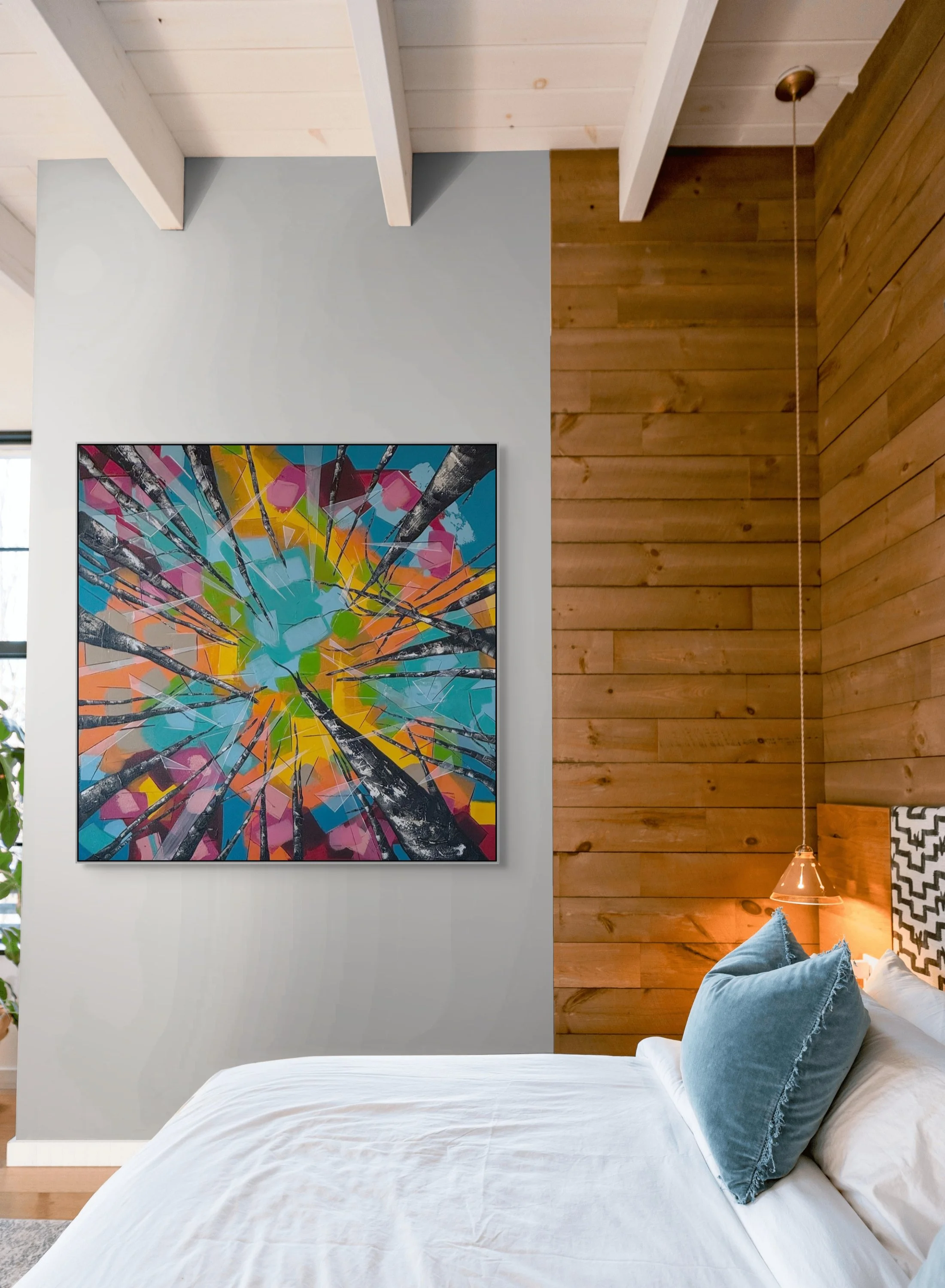
Sister B by Lee Morrison, courtesy Stefani Art Gallery
The Difference Between Originals and Reproductions
There is nothing wrong with prints, books, or digital images. They allow us to experience and appreciate art that would otherwise be inaccessible.
Yet originals possess a physical presence that is difficult to replicate.
Standing in front of an original painting, we see the evidence of decisions. Brushstrokes overlap. Layers reveal themselves. Textures catch the light. The surface records the history of its creation.
As an artist, I am always aware that every painting carries traces of the choices, revisions, and discoveries that occurred during the creative process.
Those qualities are often impossible to fully appreciate through a screen.
An original work possesses a unique presence because it is the actual object that emerged from that process.
Why Collectors Return to Original Art
The longer I spend around collectors, the more I hear the same sentiment expressed in different ways.
People rarely regret buying a piece of art they truly connect with.
What they remember is how the artwork made them feel. They remember where it hung. They remember the conversations it sparked. They remember how their relationship with the piece evolved over time.
Art becomes valuable not simply because it exists, but because it participates in our lives.
That may be the greatest difference between looking at art and living with it.
Looking is momentary.
Living with art is a relationship.
And like any meaningful relationship, it deepens with time.
At Stefani Art Gallery, I often encourage collectors to imagine not just how a painting looks today, but how it might feel to encounter that work every day for the next five or ten years. The answer to that question is often more revealing than any description, price, or artist statement.
Because the best artworks do not simply decorate our spaces.
They become part of our stories.
–Christina Stefani | House of Stefani Journal
About the Author: Christina Stefani is an artist, collector, and founder of Stefani Art Gallery and House of Stefani. Her work explores transformation, beauty, love, and the emotional language of abstraction.