
The Magazine
Reflections on art, design, lifestyles, and cultural stewardship.
Explore
Learning to See:
Essays on art, beauty, observation, and the practice of paying attention.
Collecting & Living With Art:
Guidance for discovering, choosing, caring for, and building a meaningful collection.
Inside the Art World:
Practical conversations about galleries, collecting, artists, and the people who bring art into our lives.
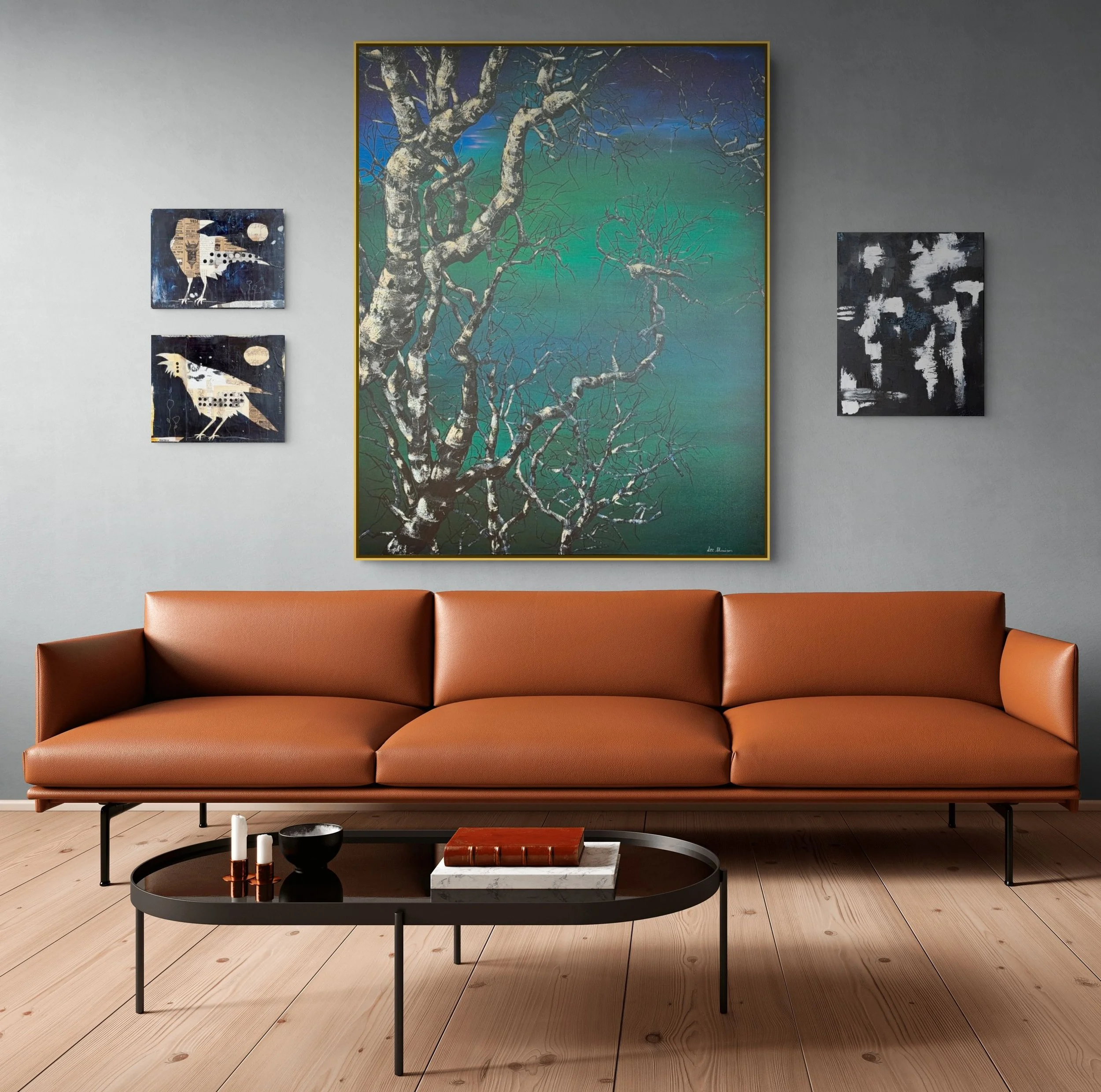
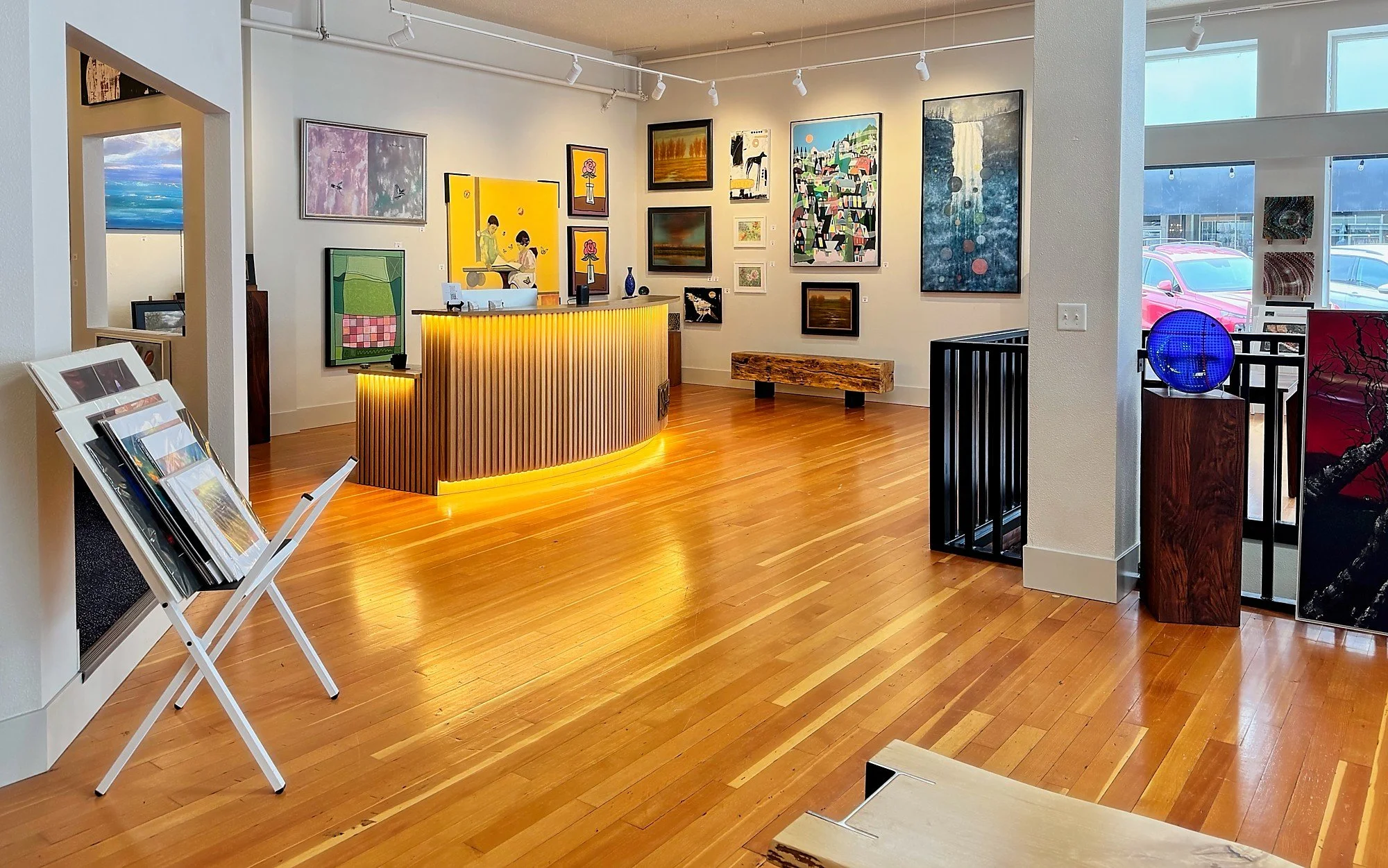
This Week in Art, Design & Culture:
Christina Stefani's weekly perspective on the ideas, exhibitions, objects, places, and cultural developments worth noticing.


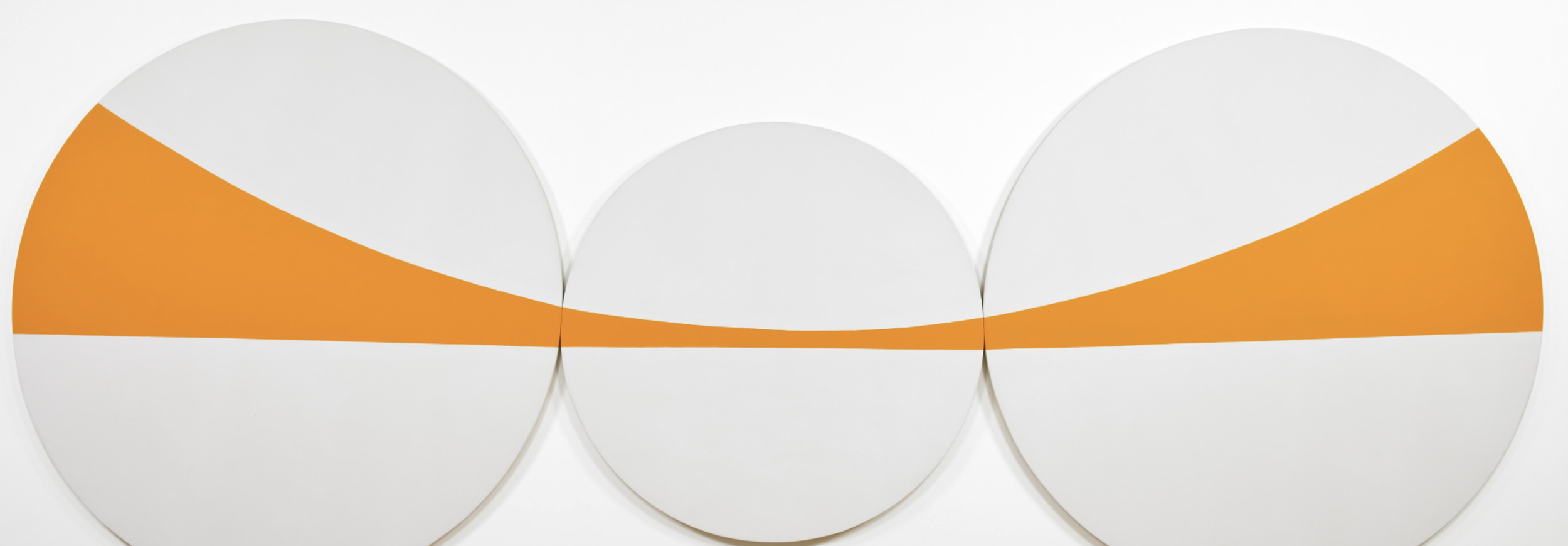

Latest from the Magazine
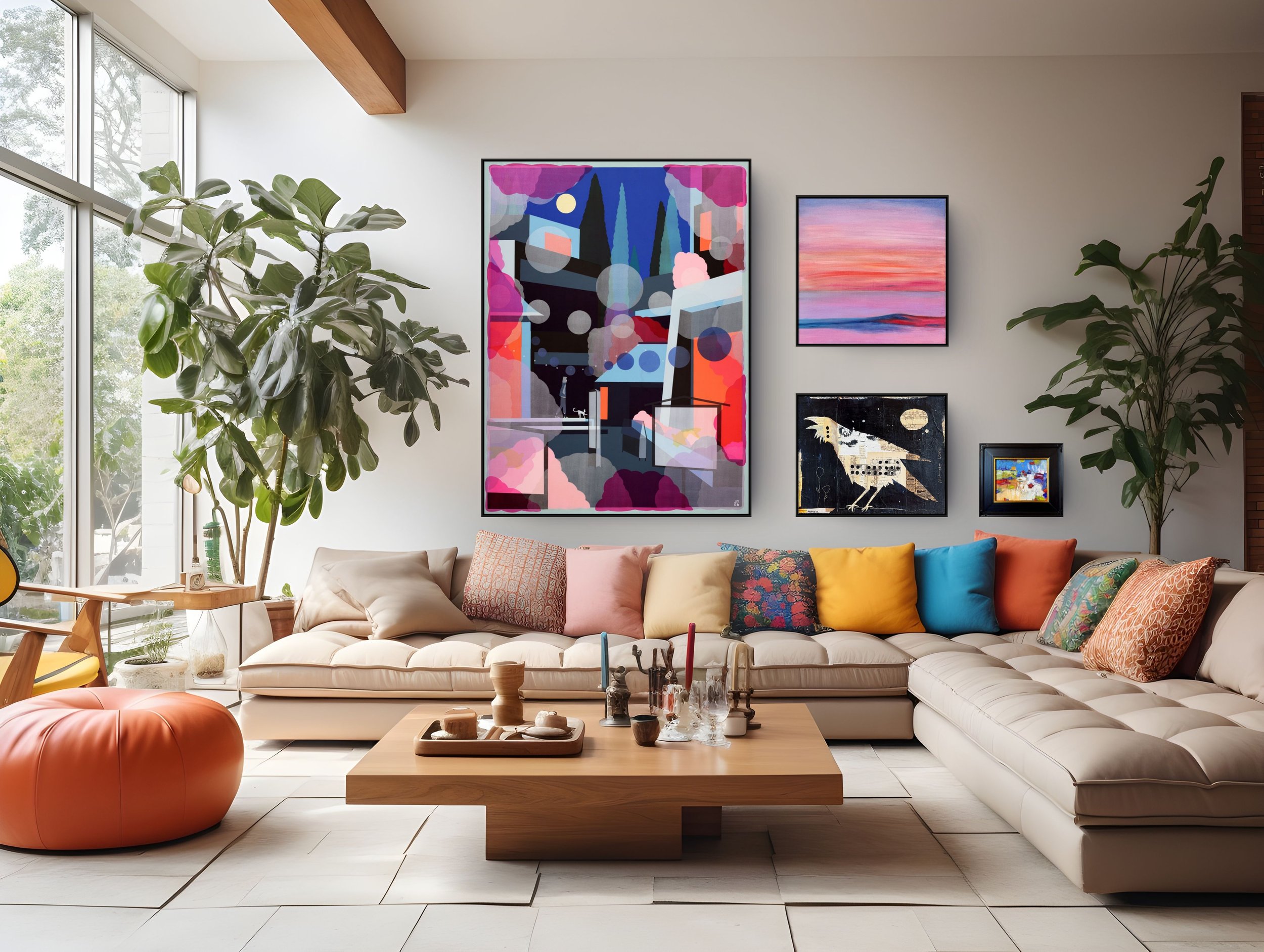
The Difference Between Decorative Art and Collectible Art
What makes something collectible art rather than decorative art?
It's a good question, partly because the distinction is not as obvious as it sounds.
After all, art is decorative.
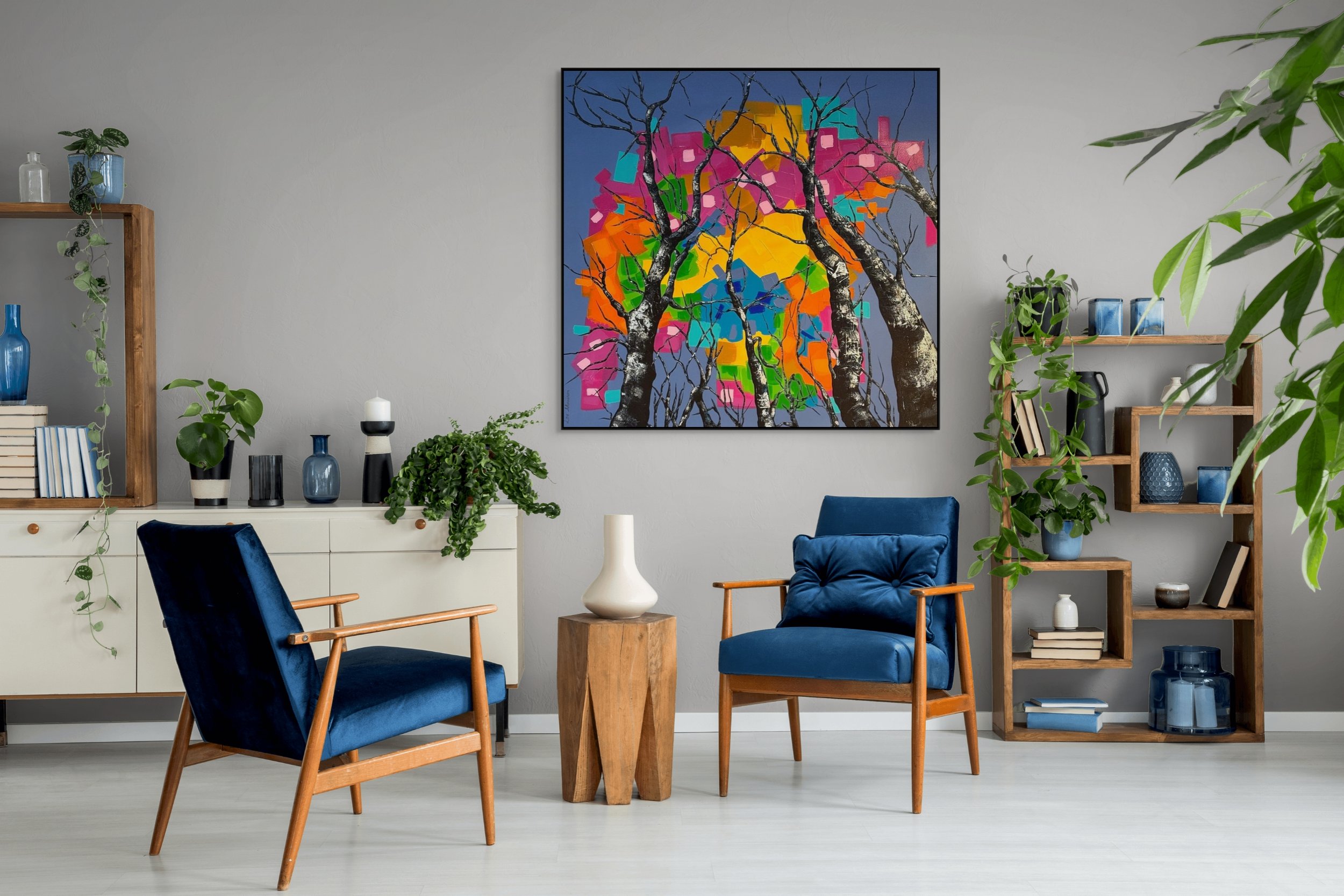
How to Start Collecting Original Art Without Spending a Fortune
There is a persistent idea that collecting original art is something you do after you become wealthy. Perhaps this comes from the way the art market is usually portrayed. We hear about paintings selling for $20 million or $100 million. We see photographs from major auction houses and international art fairs. It can make collecting seem like a world reserved for people with extraordinary resources and years of specialized knowledge.
But that isn't how most collections begin.
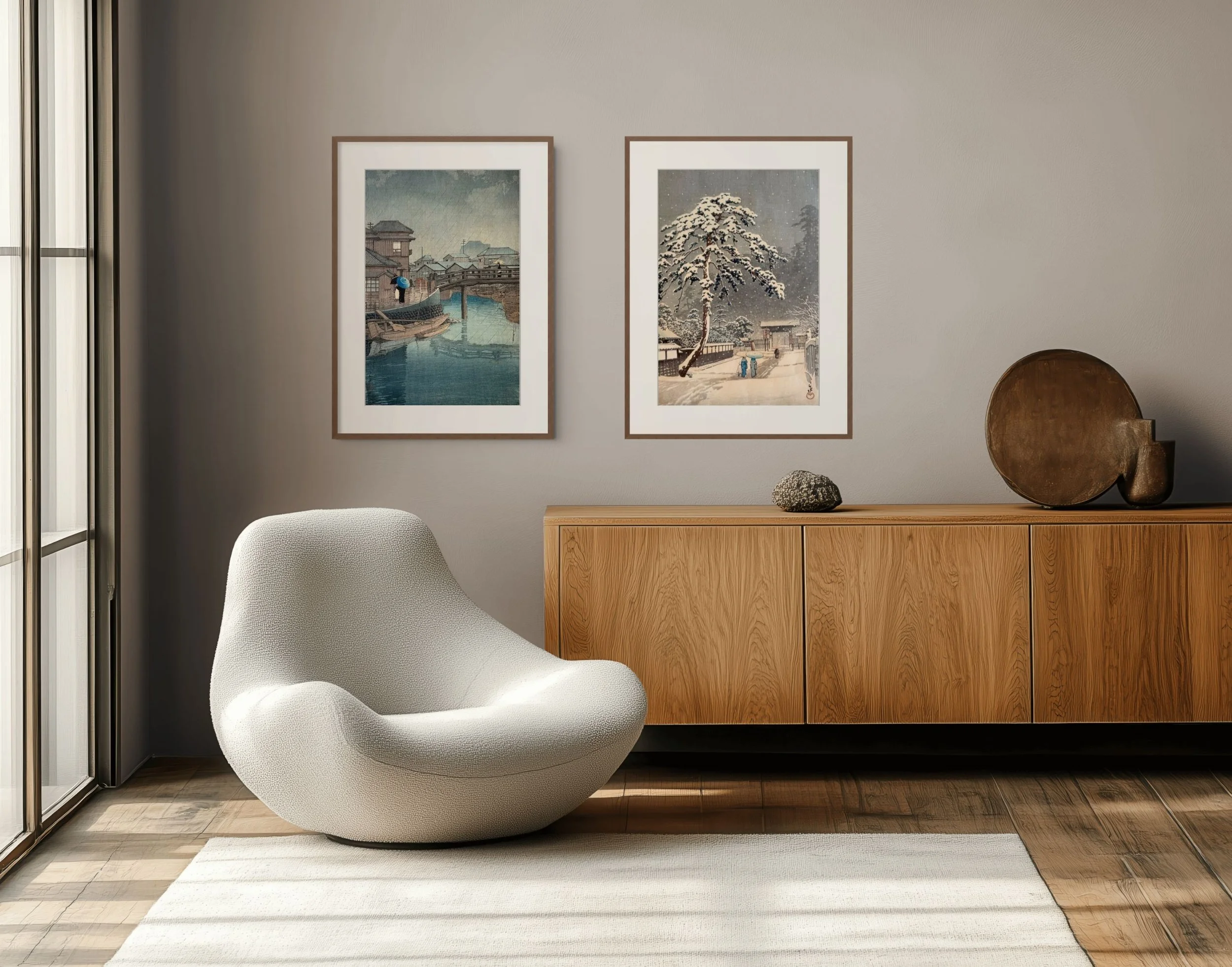
How Learning to See Becomes Learning to Collect
People often ask how to begin collecting art. They expect practical advice. What should I buy? Which artists are a good investment? How do I know if something is authentic? Those are worthwhile questions. But they are not the first questions.
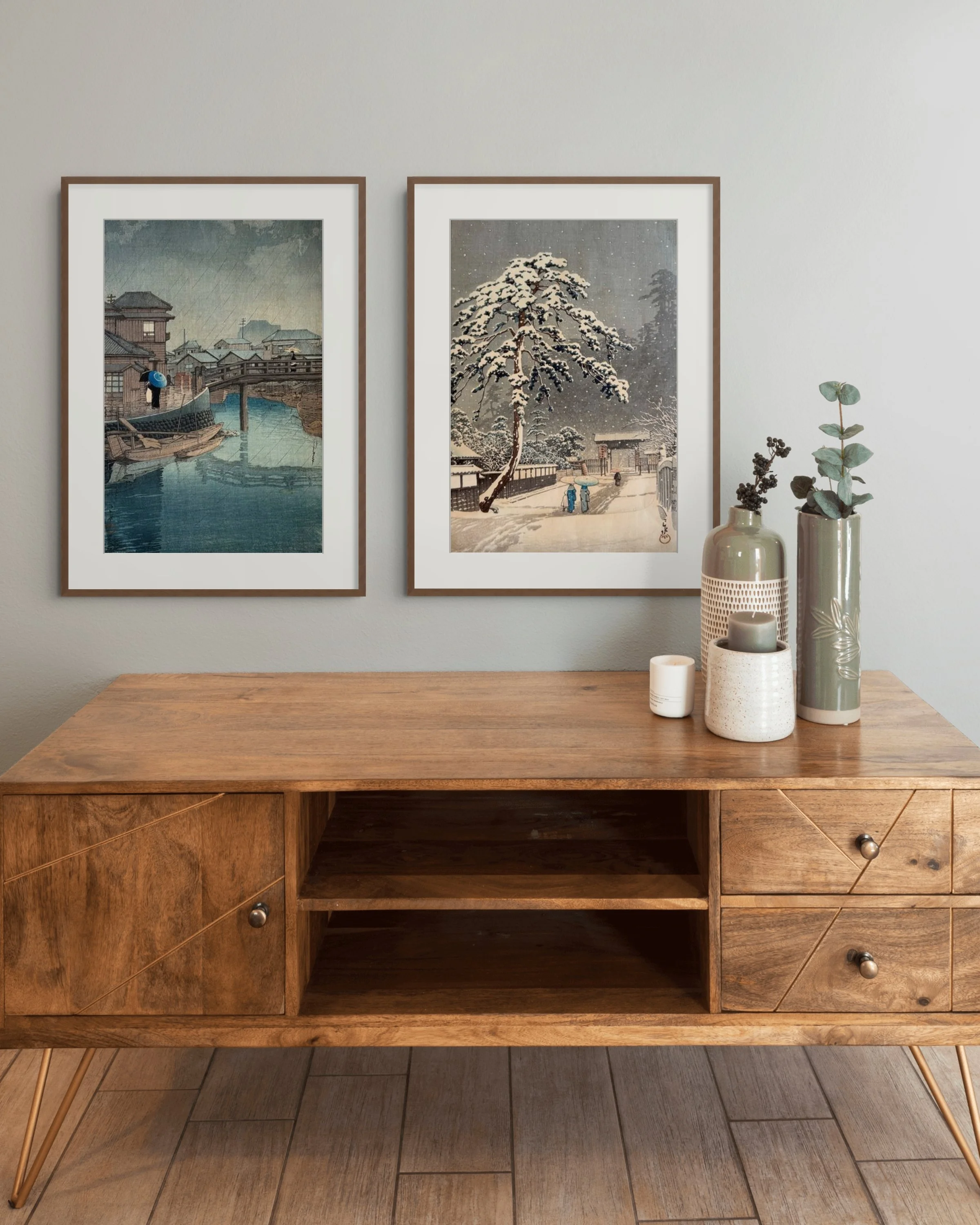
Why Do Some Works of Art Stay With Us for a Lifetime?
Learning to appreciate art is much like learning to appreciate music or literature. The more carefully we observe, the more we begin to notice relationships that were always present but easily overlooked. Light reflected in still water. The rhythm of repeating forms. The quiet balance between color and space. The subtle emotional effect of a single figure walking beneath an umbrella.…
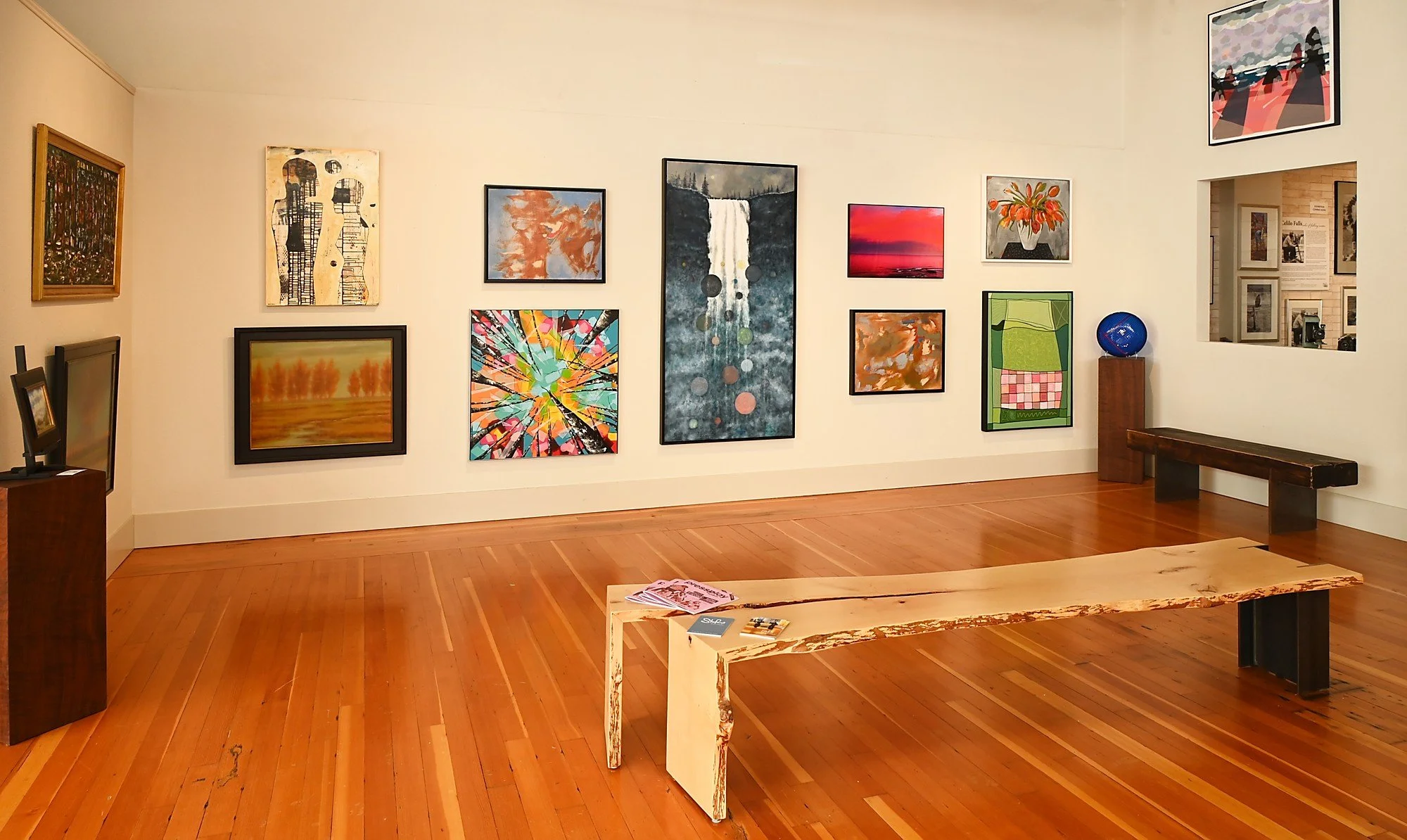
Why Art Galleries Still Matter in the Digital Age
Technology has transformed the art market in remarkable ways. Artists can share their work with global audiences instantly. Collectors can discover new artists from anywhere in the world. Entire collections can be viewed from a phone or laptop. These changes have created exciting opportunities for artists and collectors alike. Despite all this innovation, galleries continue to play an important role in the art ecosystem. In some ways, their role has become more important than ever.
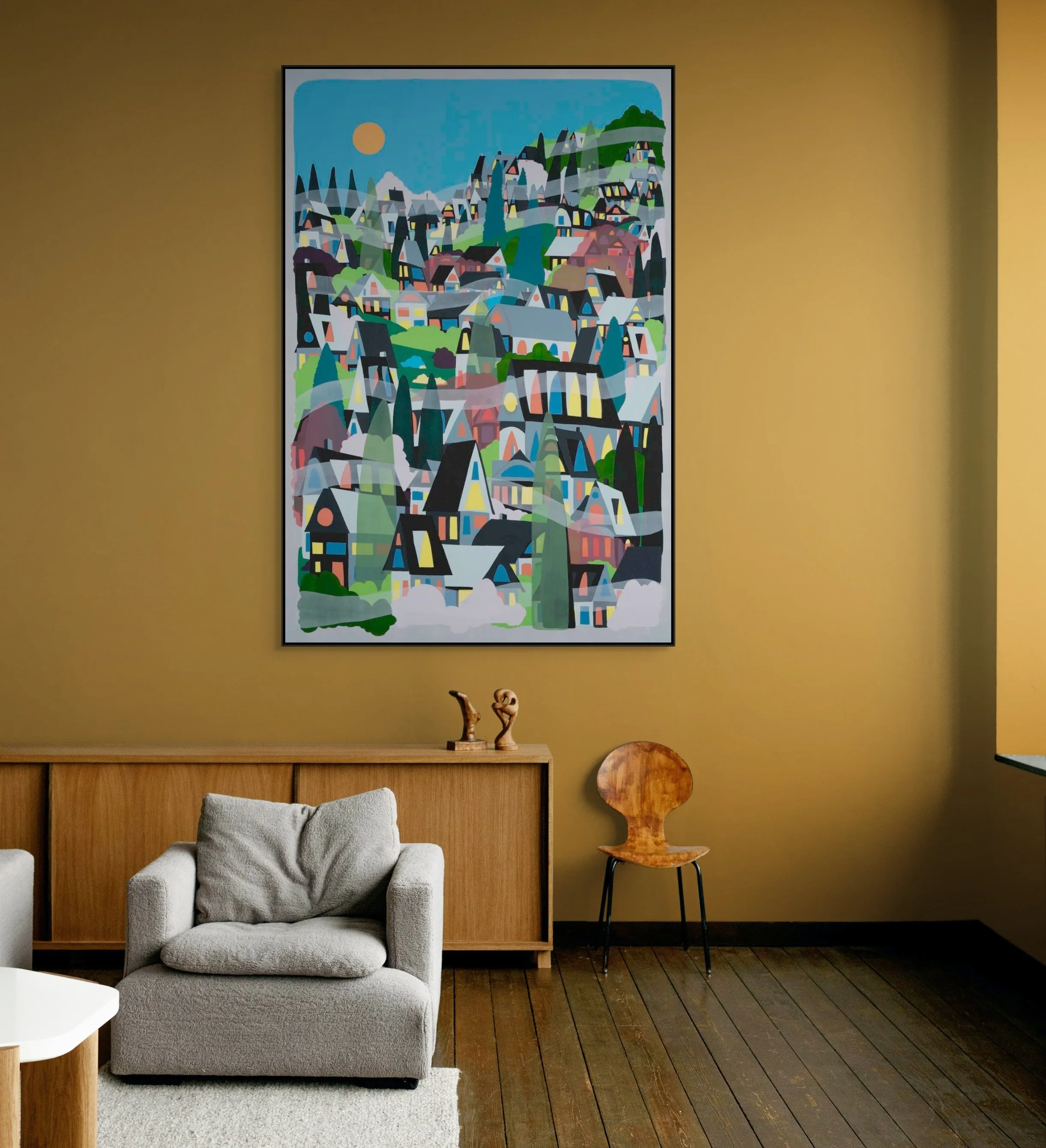
Why Living With Original Art Is Different Than Looking At It
People rarely regret buying a piece of art they truly connect with. What they remember is how the artwork made them feel. They remember where it hung. They remember the conversations it sparked. They remember how their relationship with the piece evolved over time.
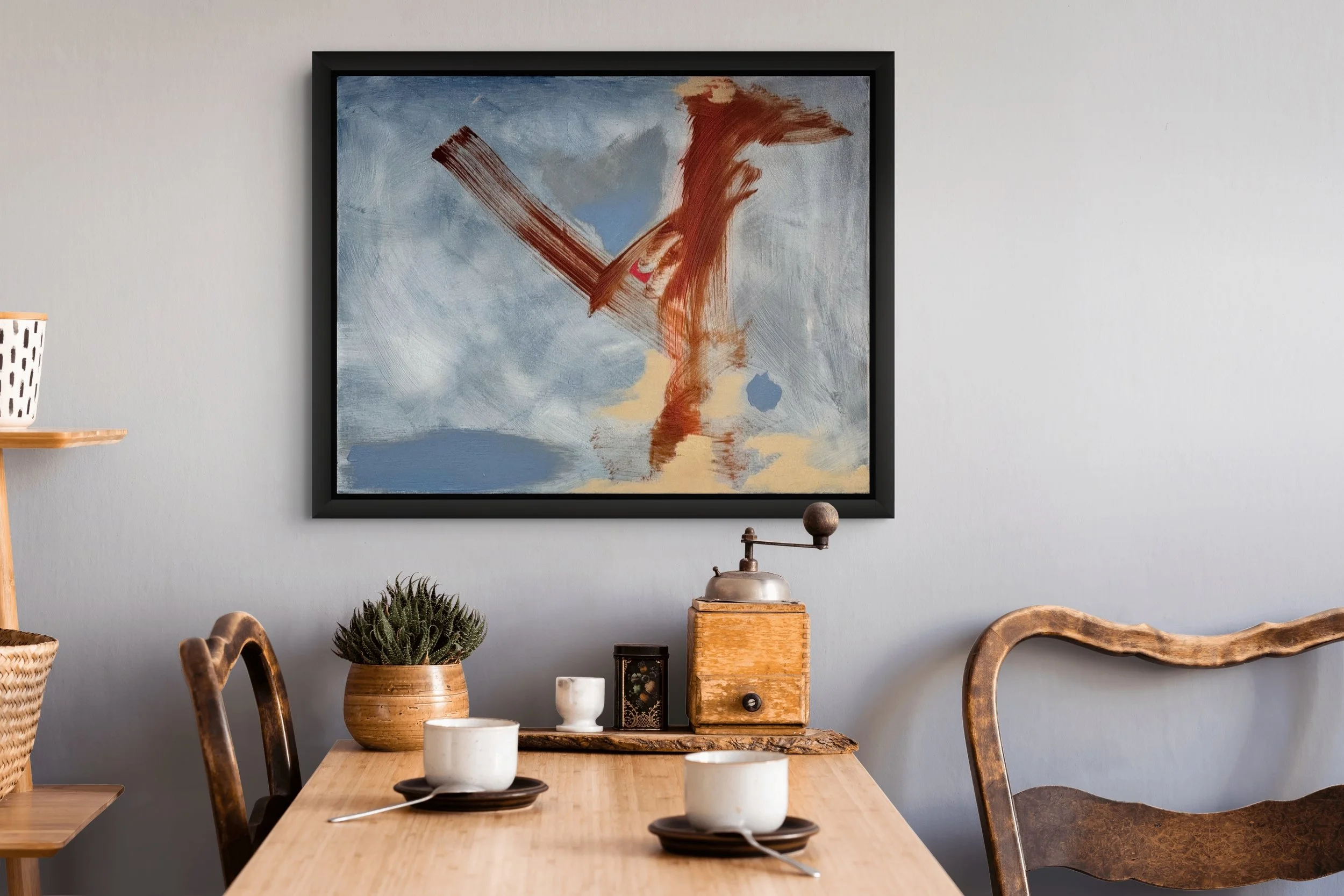
The Enduring Power of Abstract Expressionism and the Art of Transformation
Every few years, the art world seems to rediscover Abstract Expressionism. Collectors start talking about it again. Major auction results make headlines. A Franz Kline painting appears at auction, drawing renewed attention. Yet for many, the movement remains a bit mysterious. What exactly makes a canvas full of gestures, color, texture, and movement so compelling?
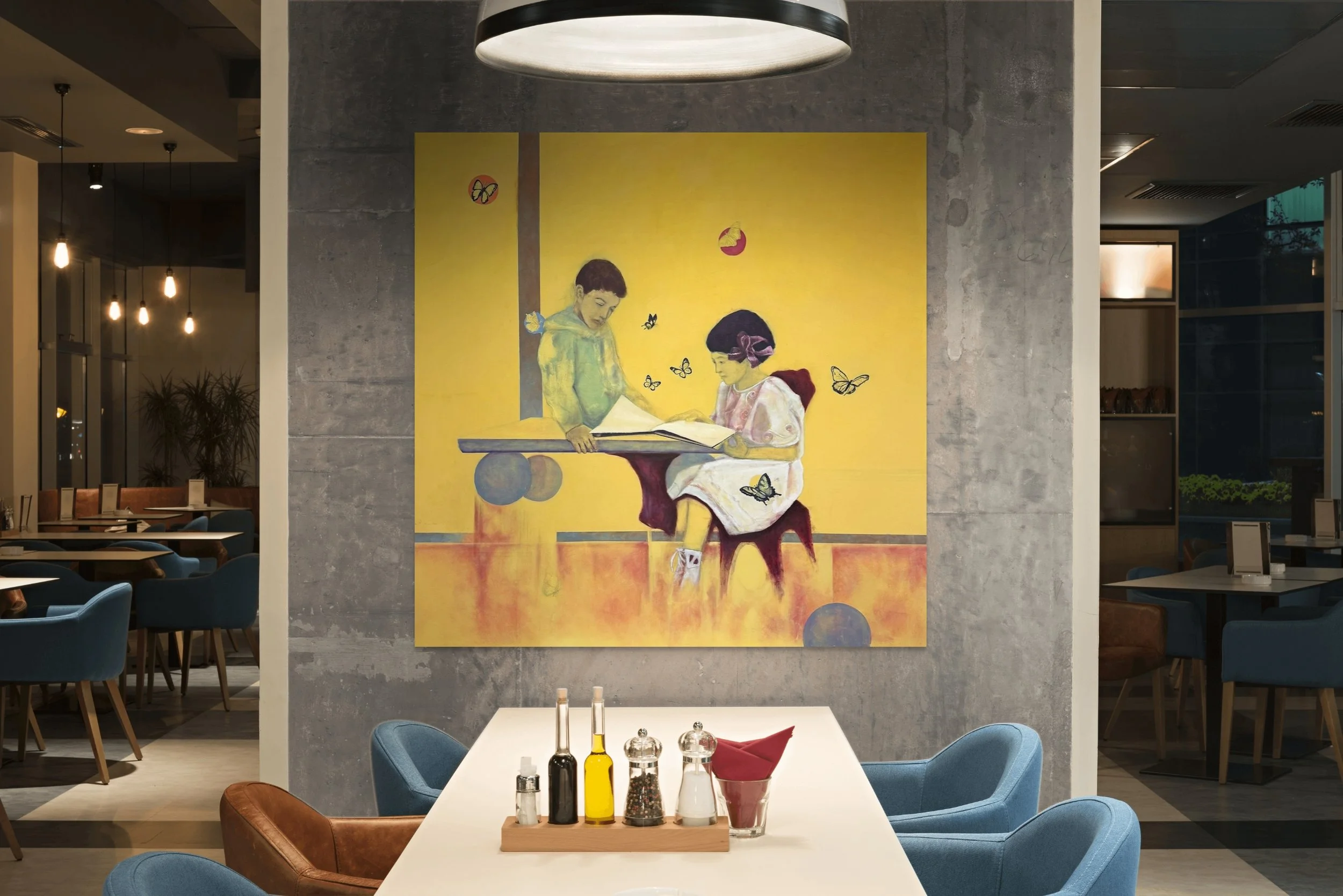
The Art of Collecting: How Taste Becomes a Point of View
What we collect reflects not only what we admire, but what we choose to stand behind. Each decision carries weight. Over time, these decisions accumulate into something more than preference. They become a point of view.
At House of Stefani, we see collecting as an active, evolving practice. It is not about accumulation for its own sake, nor about chasing consensus. It is about alignment: between the work, the collector, and the life that surrounds it.
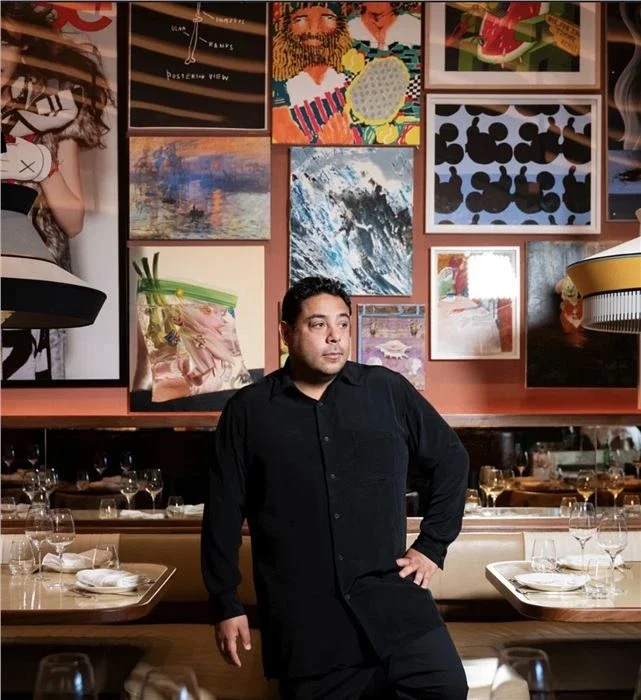
Collecting Against the Current: How Global Shifts Are Reshaping the Art Market for 2026
Art dealer and curator Daria Borisova gathers industry experts to analyze art market dynamics for 2026, examining shifts toward regional hubs and strategic reinvestment in established artists