
The Magazine
Reflections on art, design, lifestyles, and cultural stewardship.
Explore
Learning to See:
Essays on art, beauty, observation, and the practice of paying attention.

We move through the world surrounded by familiar objects. Bodies. Trees. Buildings. Clouds. Chairs. Faces. We become so proficient at identifying them that identification can replace observation.
We know what a body looks like. Until an artist makes us look again.
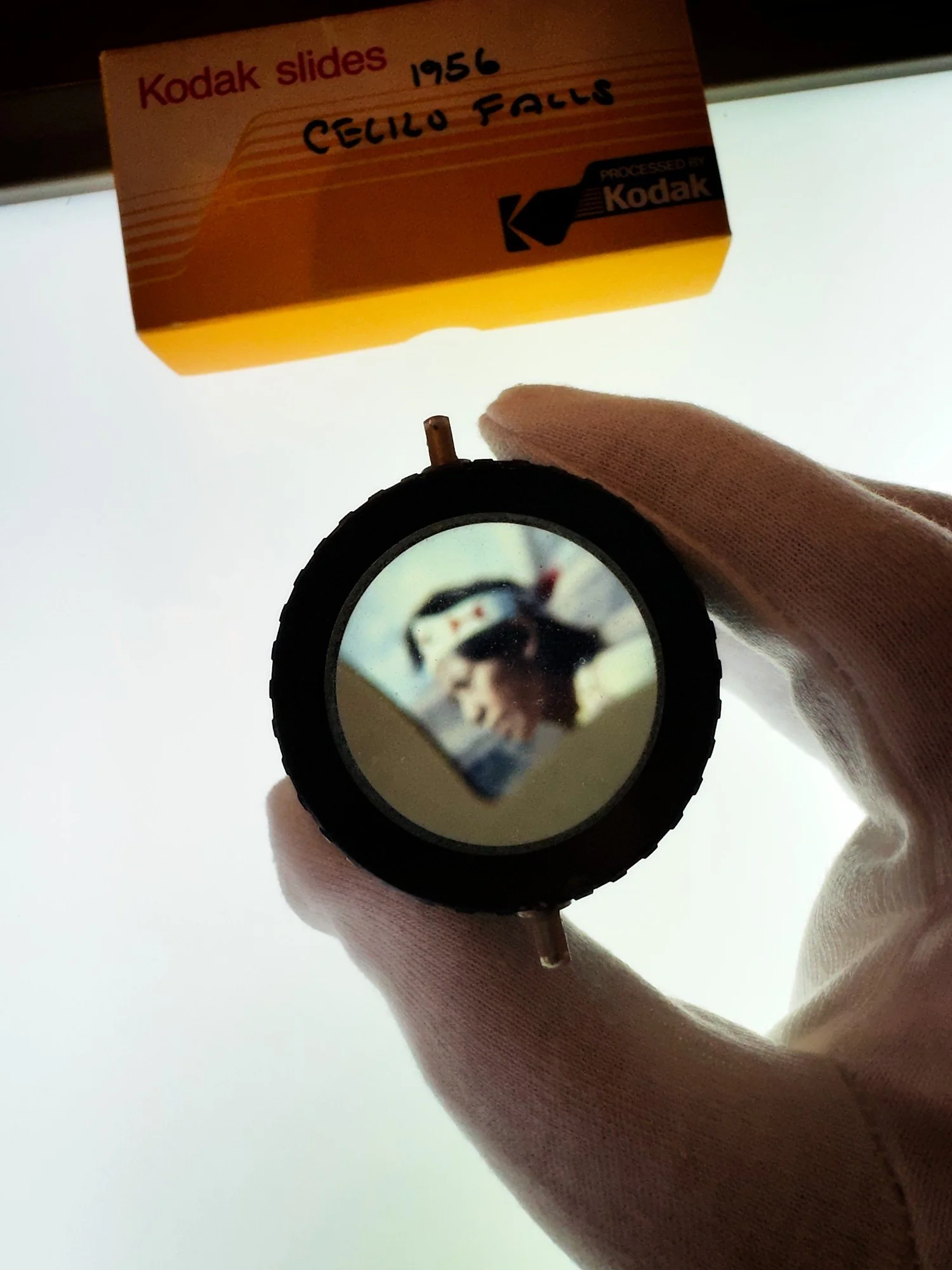
When Richard arrived at Celilo in the fall of 1956, he was twenty-three years old. He carried two cameras and two rolls of color film.
That limitation matters. Every time Richard released the shutter, he used one of a finite number of exposures.
There was no screen on which to review what he had made. No nearly limitless supply of digital frames. No opportunity to photograph everything and decide what mattered later.
He had to choose.
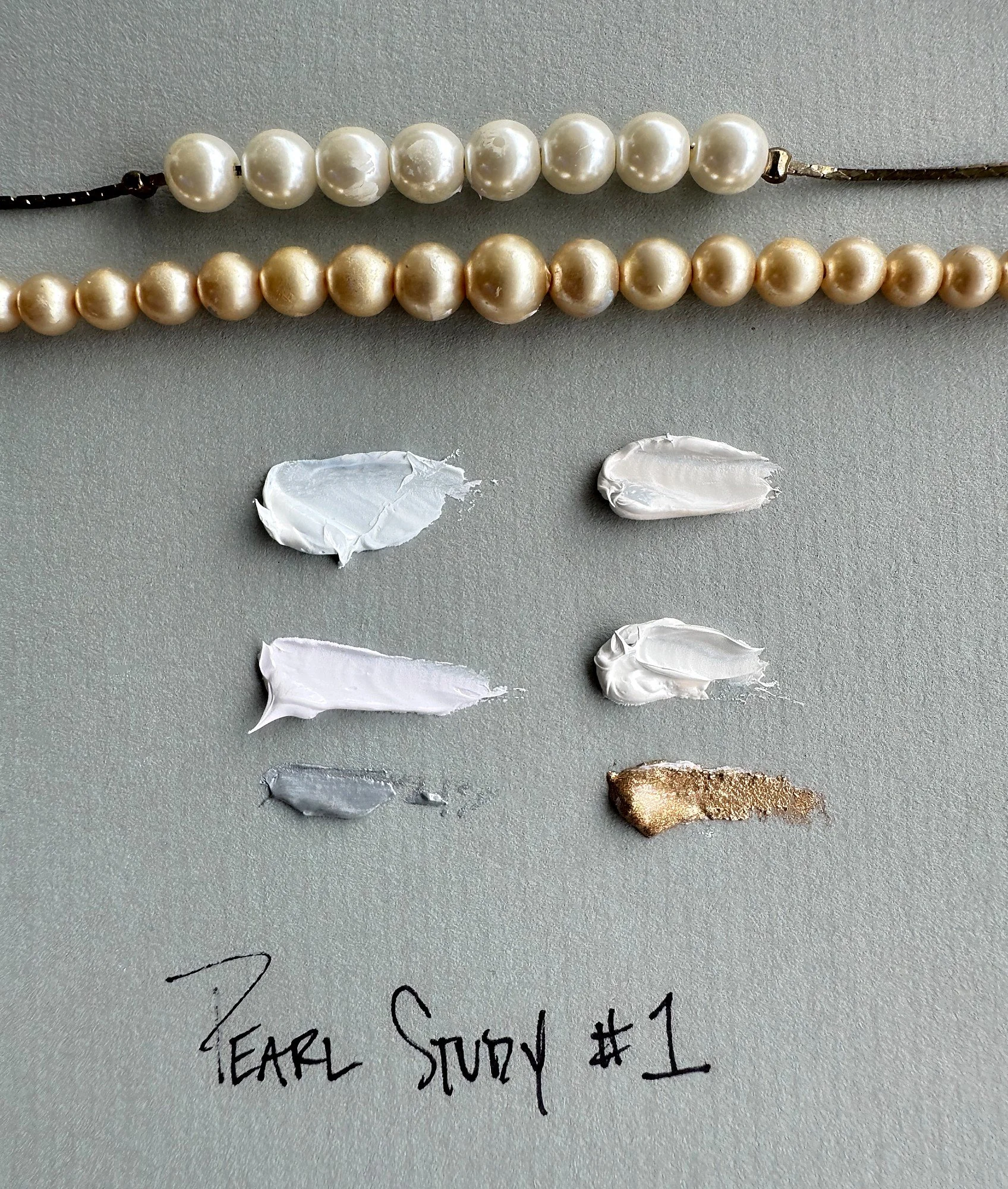
I have worn pearls for years. They are almost the only jewelry I wear. Perhaps that is why I notice their colors so carefully when I paint.
We tend to call pearls white. But the longer I paint, the less I believe in white.
We live in a visual culture that often rewards immediate impact. Strong contrast. Saturated color. Something recognizable in an instant. Pearls ask for something different. Their beauty can be quiet. You have to come closer. You have to notice.
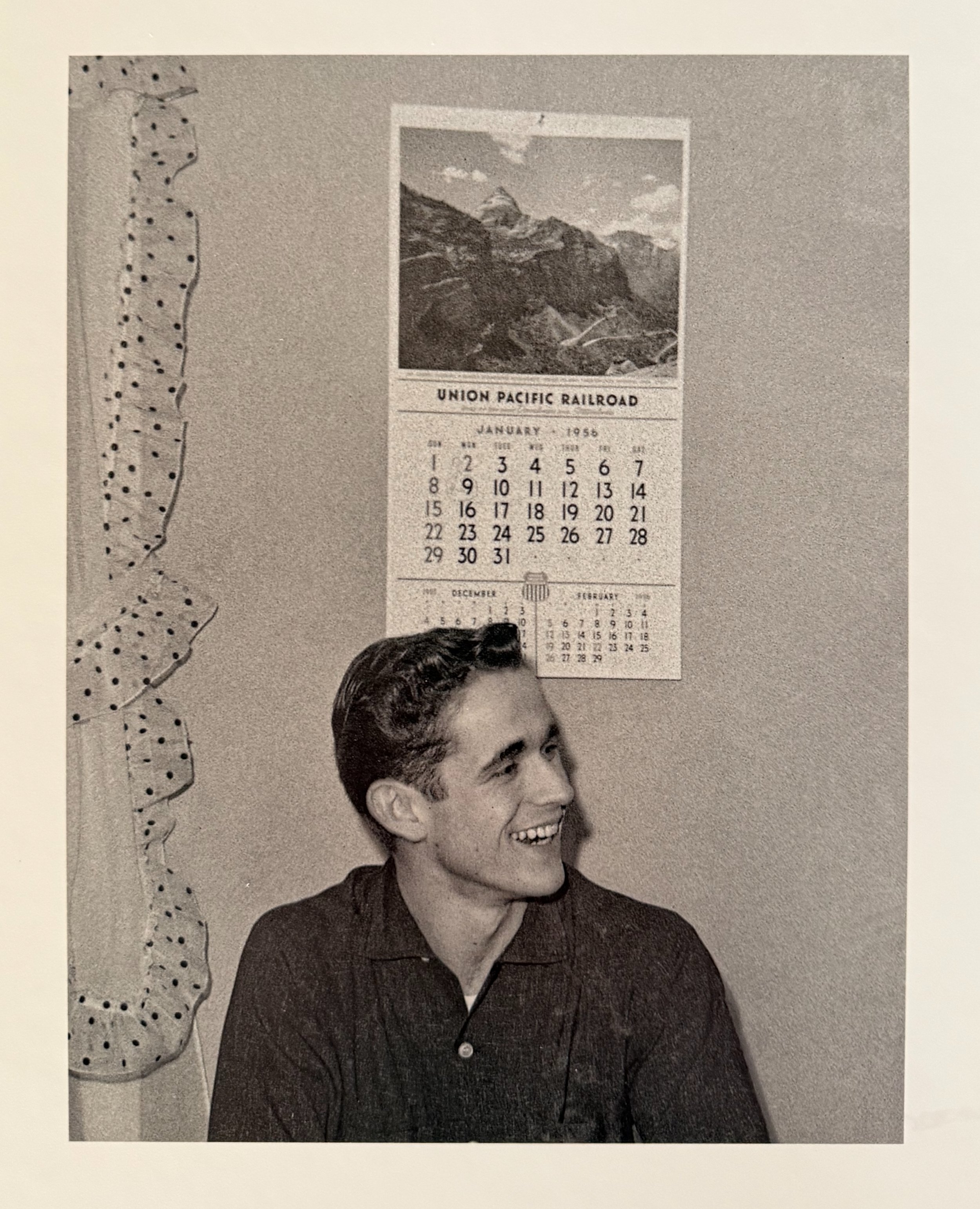
Before the studio, before the awards, before anyone knew his name, there was a young man learning to see. There is a photograph of Richard Stefani taken in January 1956. He is twenty-two years old, soon to turn twenty-three. He is sitting beneath a Union Pacific Railroad calendar, turned toward someone outside the frame. He is laughing.
There is nothing particularly historic about the moment. And that may be precisely why the photograph matters.
Collecting & Living With Art:
Guidance for discovering, choosing, caring for, and building a meaningful collection.
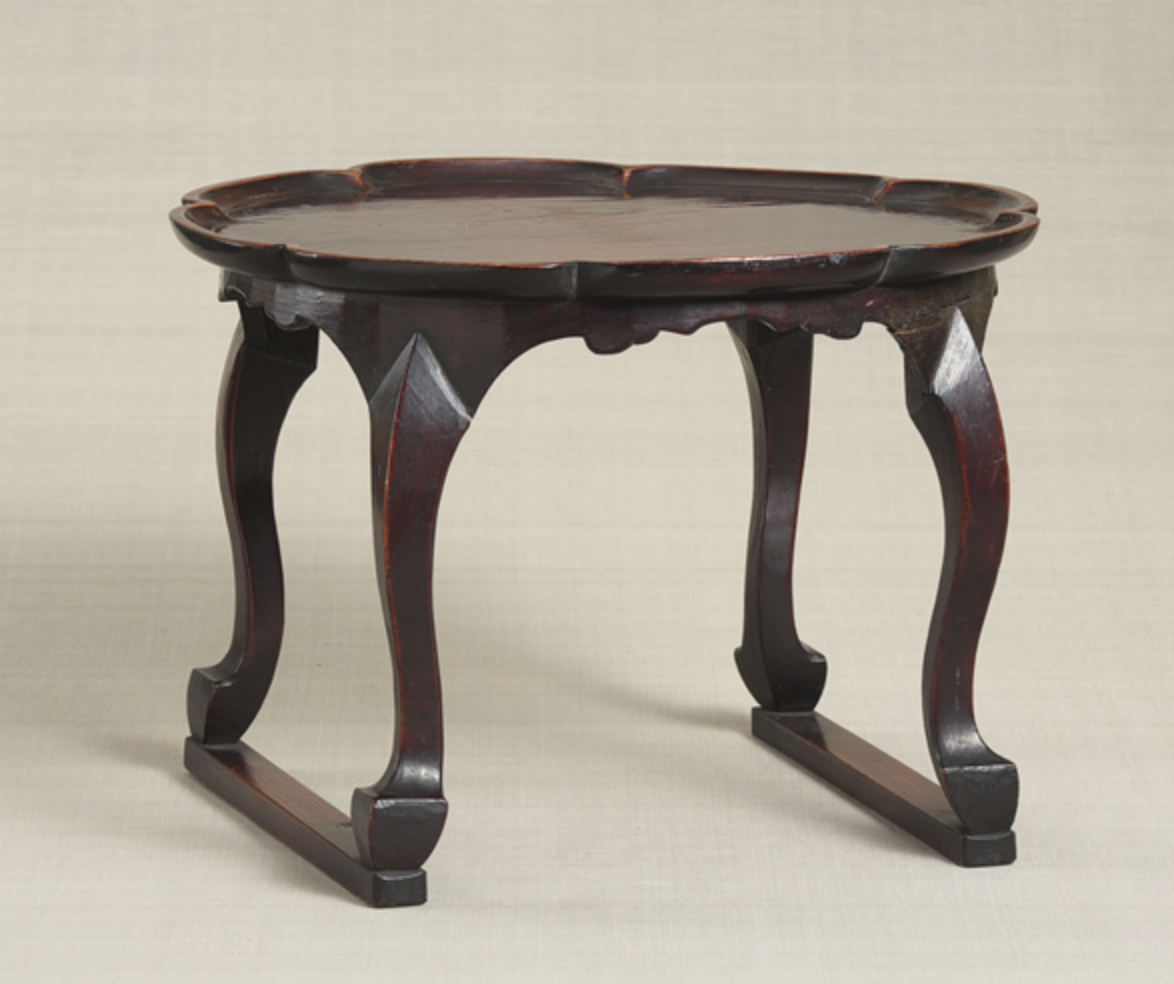
There are objects we admire, and there are objects we come to know.
A bowl used every morning. A knife that fits the hand. A linen cloth softened by years of washing. A wooden table marked by meals, conversations, work, and ordinary life.
Their beauty does not depend on remaining untouched.
It deepens through use.
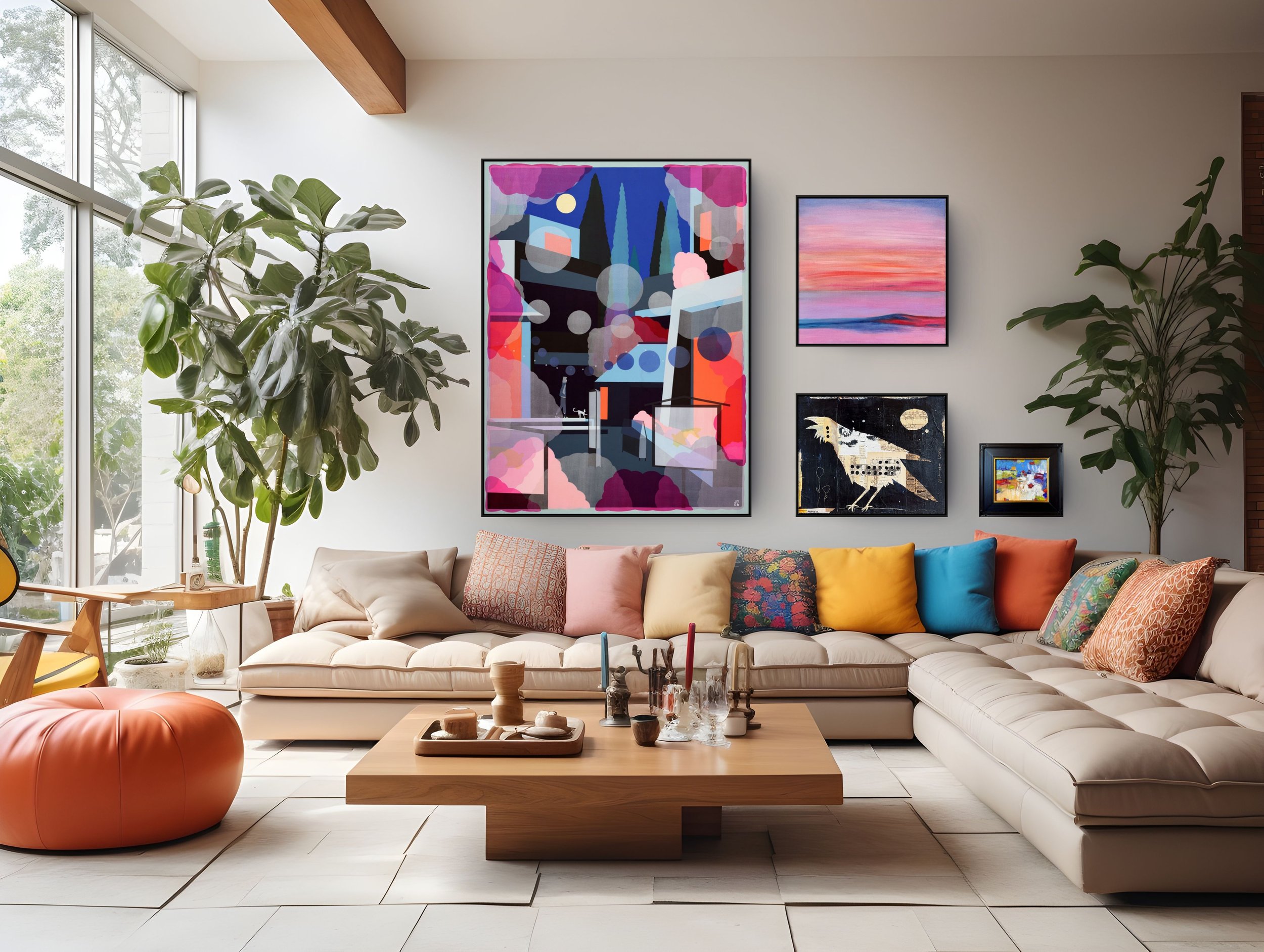
What makes something collectible art rather than decorative art?
It's a good question, partly because the distinction is not as obvious as it sounds.
After all, art is decorative.
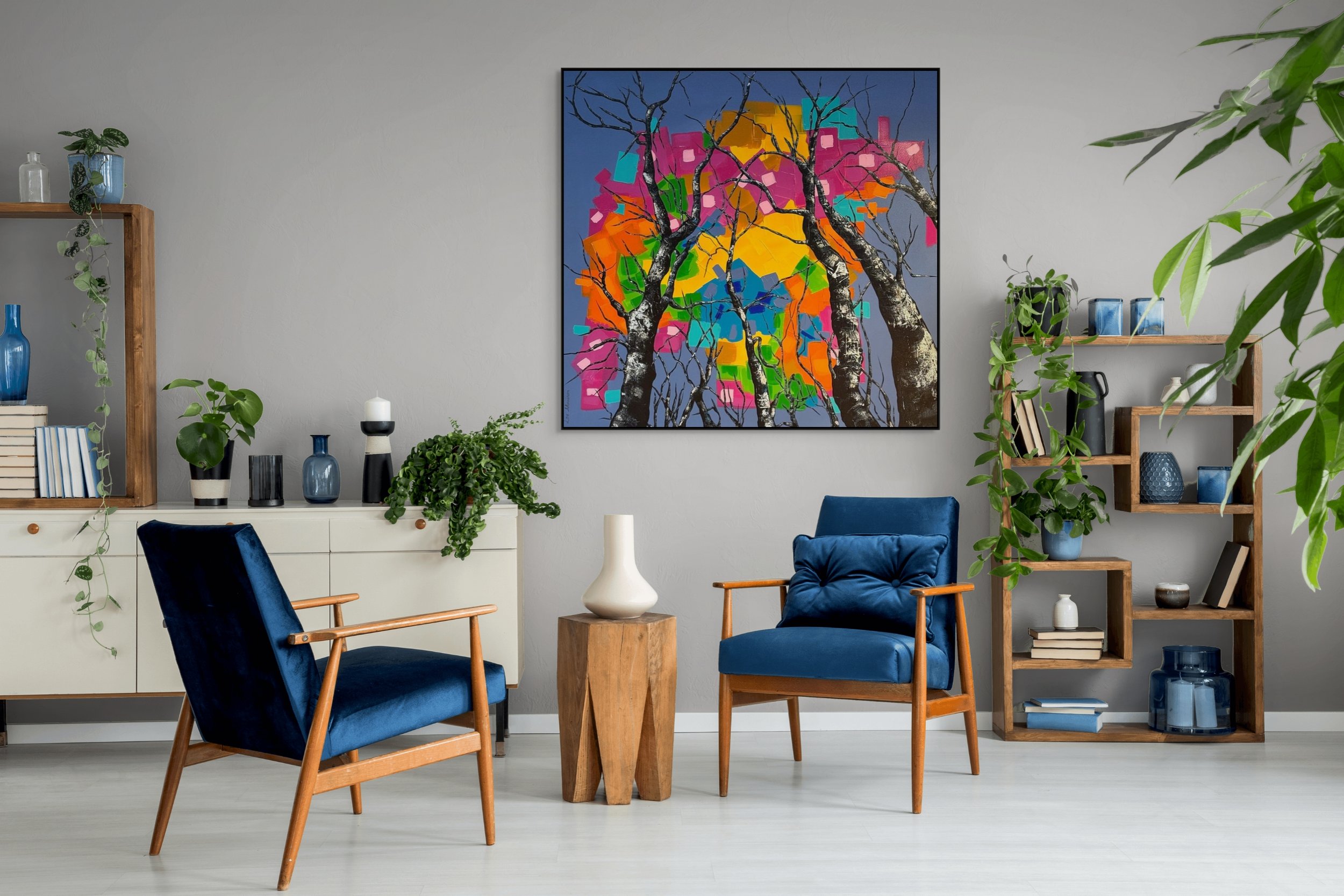
There is a persistent idea that collecting original art is something you do after you become wealthy. Perhaps this comes from the way the art market is usually portrayed. We hear about paintings selling for $20 million or $100 million. We see photographs from major auction houses and international art fairs. It can make collecting seem like a world reserved for people with extraordinary resources and years of specialized knowledge.
But that isn't how most collections begin.
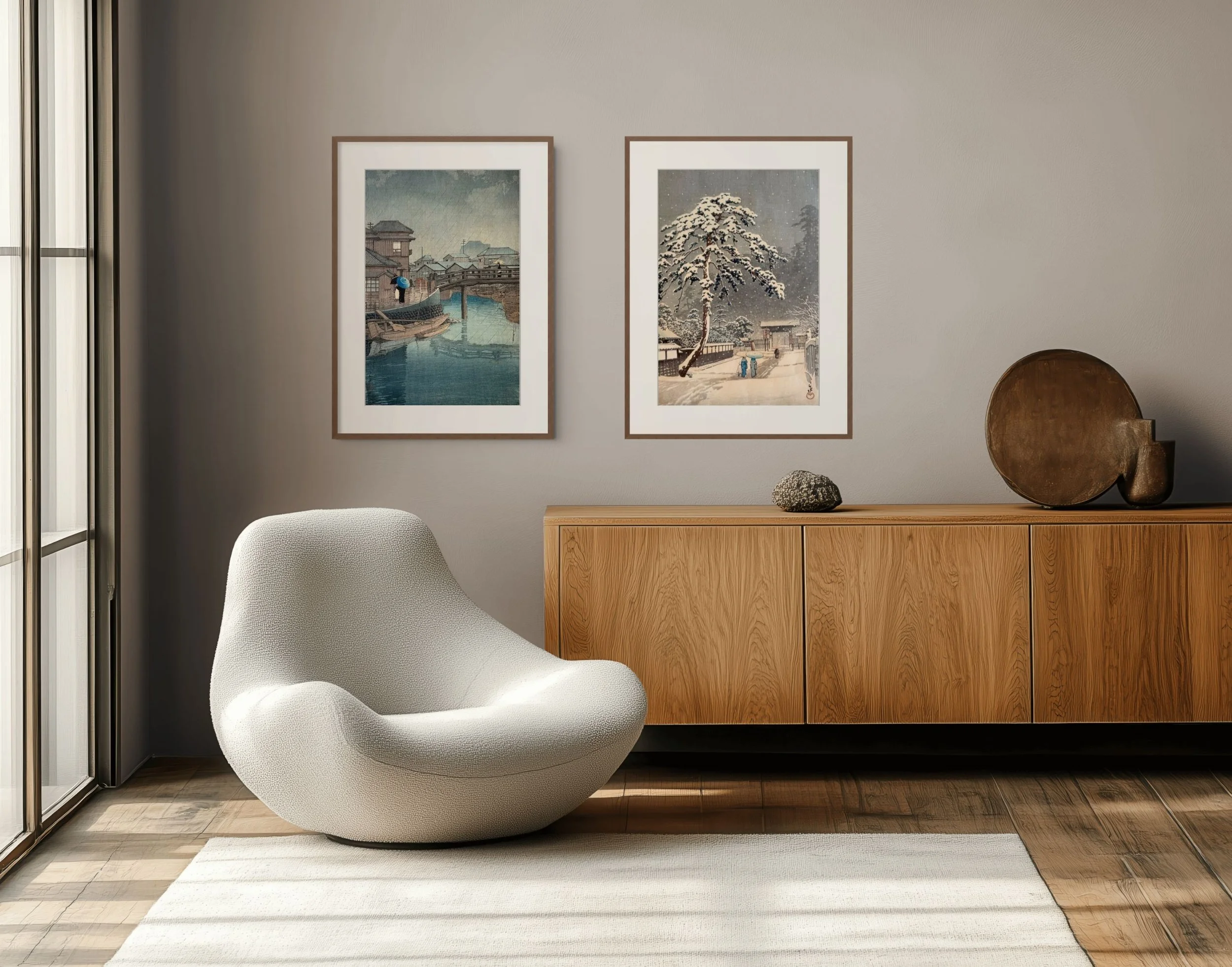
People often ask how to begin collecting art. They expect practical advice. What should I buy? Which artists are a good investment? How do I know if something is authentic? Those are worthwhile questions. But they are not the first questions.
Inside the Art World:
Practical conversations about galleries, collecting, artists, and the people who bring art into our lives.
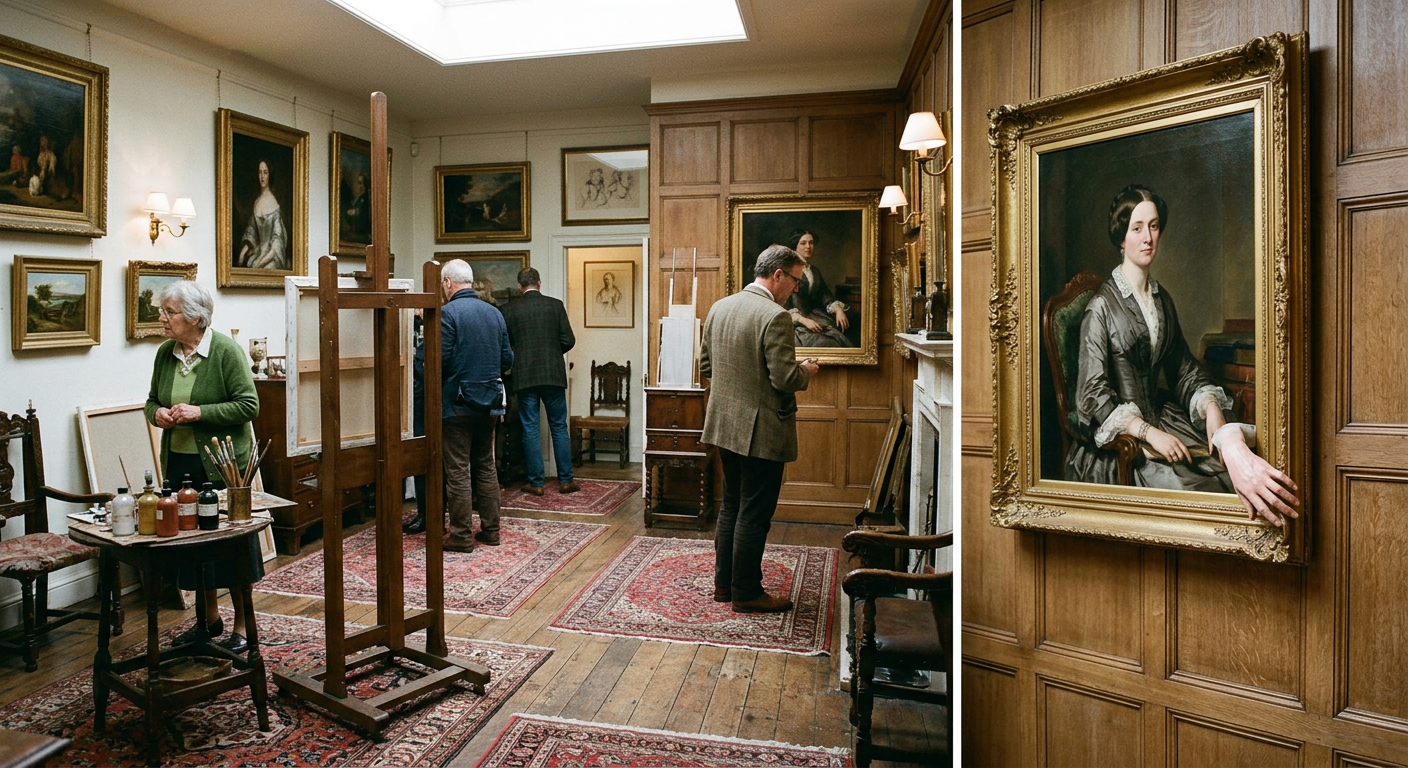
Something important changed in Europe this month. On August 2, new transparency provisions of the European Union's AI Act began applying, including requirements surrounding certain AI-generated and manipulated content. For those of us working in art, design, publishing, galleries, and other creative fields, this deserves attention.
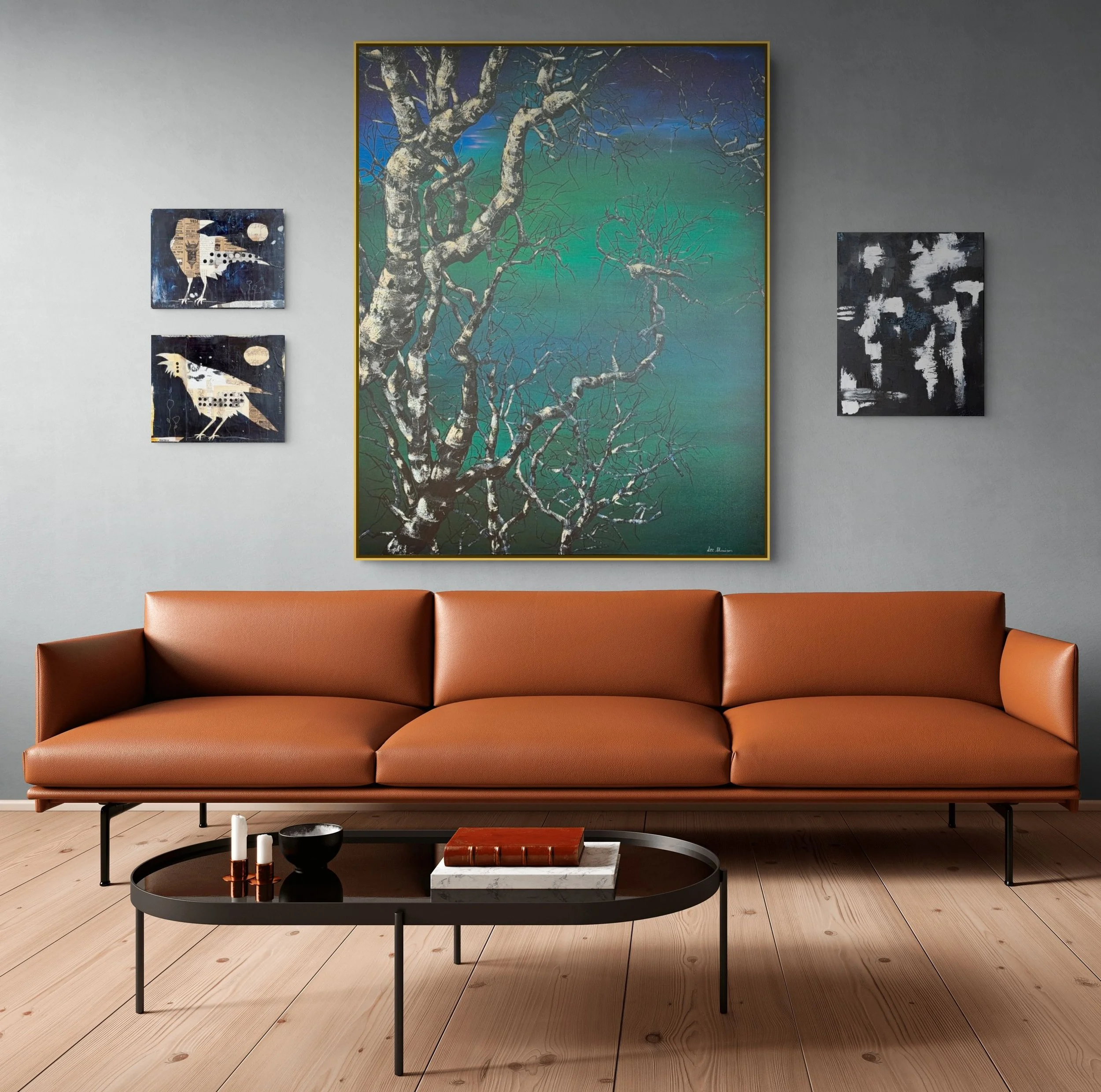
One of the first questions many artists ask when reviewing a gallery agreement is: "Why do you require exclusivity?" It's a fair question. After all, artists want opportunities. They want to exhibit their work, build relationships, and reach as many collectors as possible. At first glance, limiting where artwork can be shown may seem counterintuitive or even restrictive. Like many aspects of the art world, the answer is more nuanced than it first appears.
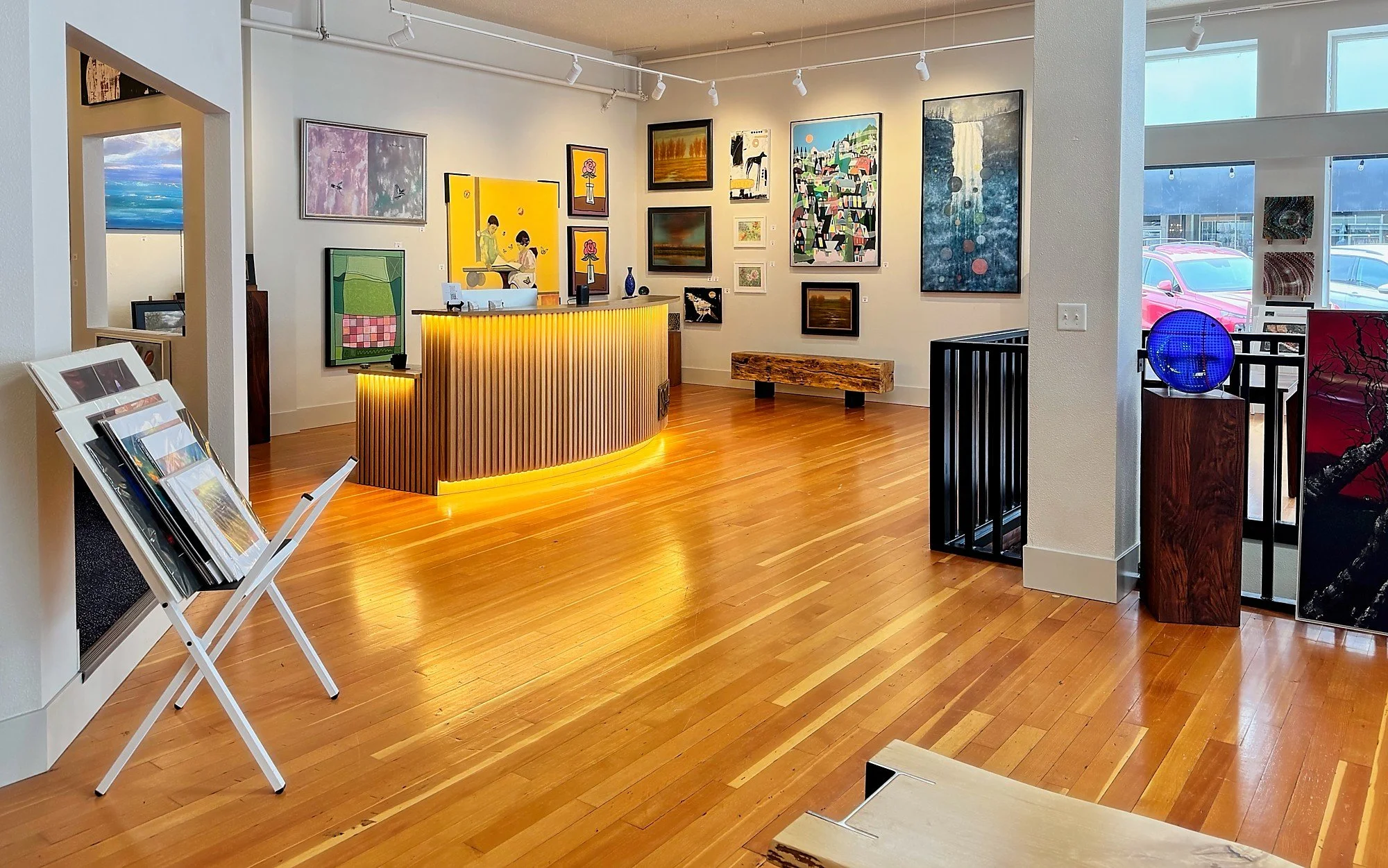
Artists sometimes wonder why galleries take a percentage of a sale. Collectors occasionally assume galleries simply provide wall space. People outside the art world may imagine that a gallery's role begins and ends with hanging artwork and waiting for buyers to walk through the door. The reality is far more complex.
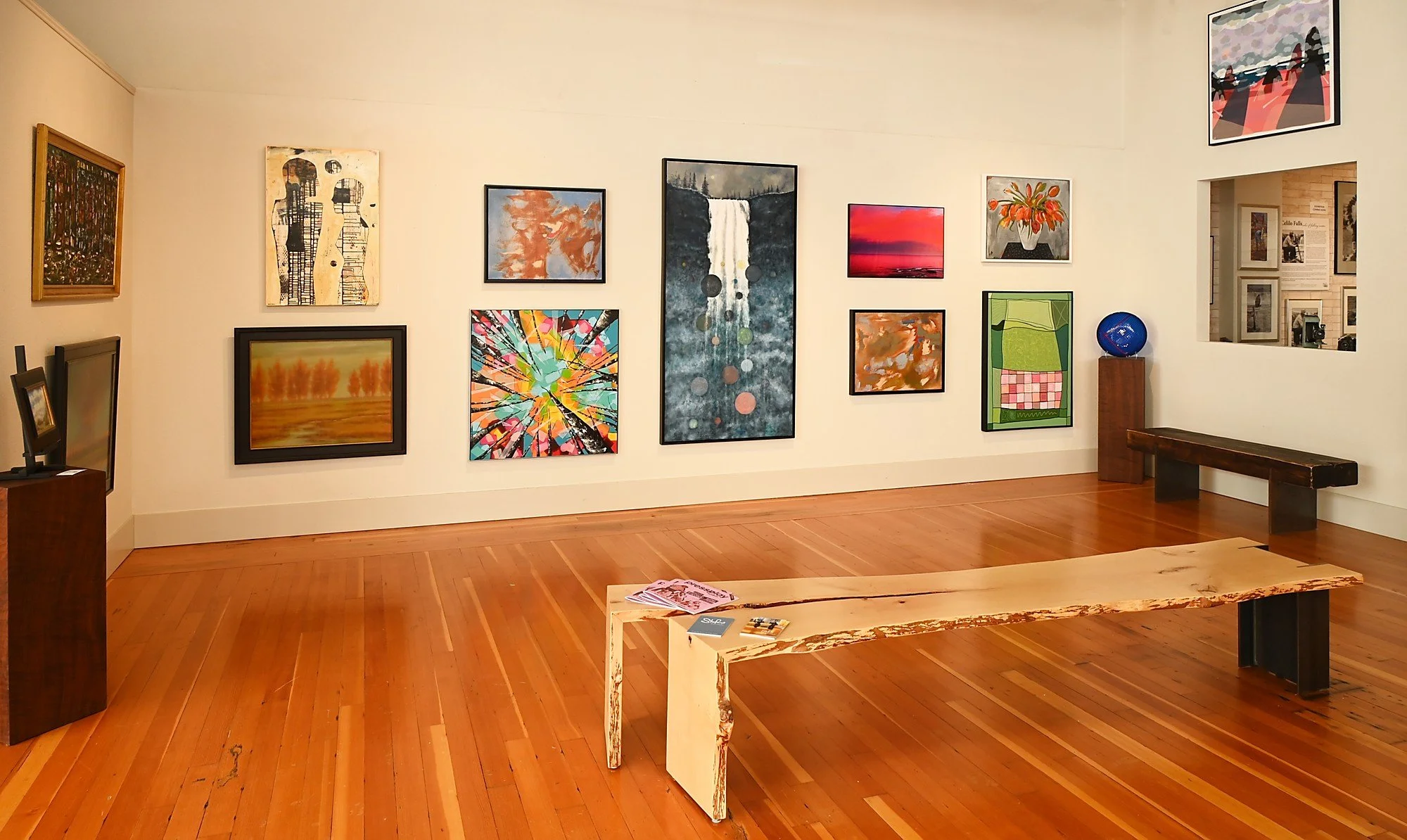
Technology has transformed the art market in remarkable ways. Artists can share their work with global audiences instantly. Collectors can discover new artists from anywhere in the world. Entire collections can be viewed from a phone or laptop. These changes have created exciting opportunities for artists and collectors alike. Despite all this innovation, galleries continue to play an important role in the art ecosystem. In some ways, their role has become more important than ever.
This Week in Art, Design & Culture:
Christina Stefani's weekly perspective on the ideas, exhibitions, objects, places, and cultural developments worth noticing.

Art. Knowledge. Memory. Craft. Relationships. The things others entrust to us. This week we move from the enduring intelligence of Shaker design to contemporary work inspired by Bourdelle, the extraordinary cultural history contained in something as ordinary as salt, and closer to home, photographs made by Richard Stefani nearly seventy years ago finally returning to public view.
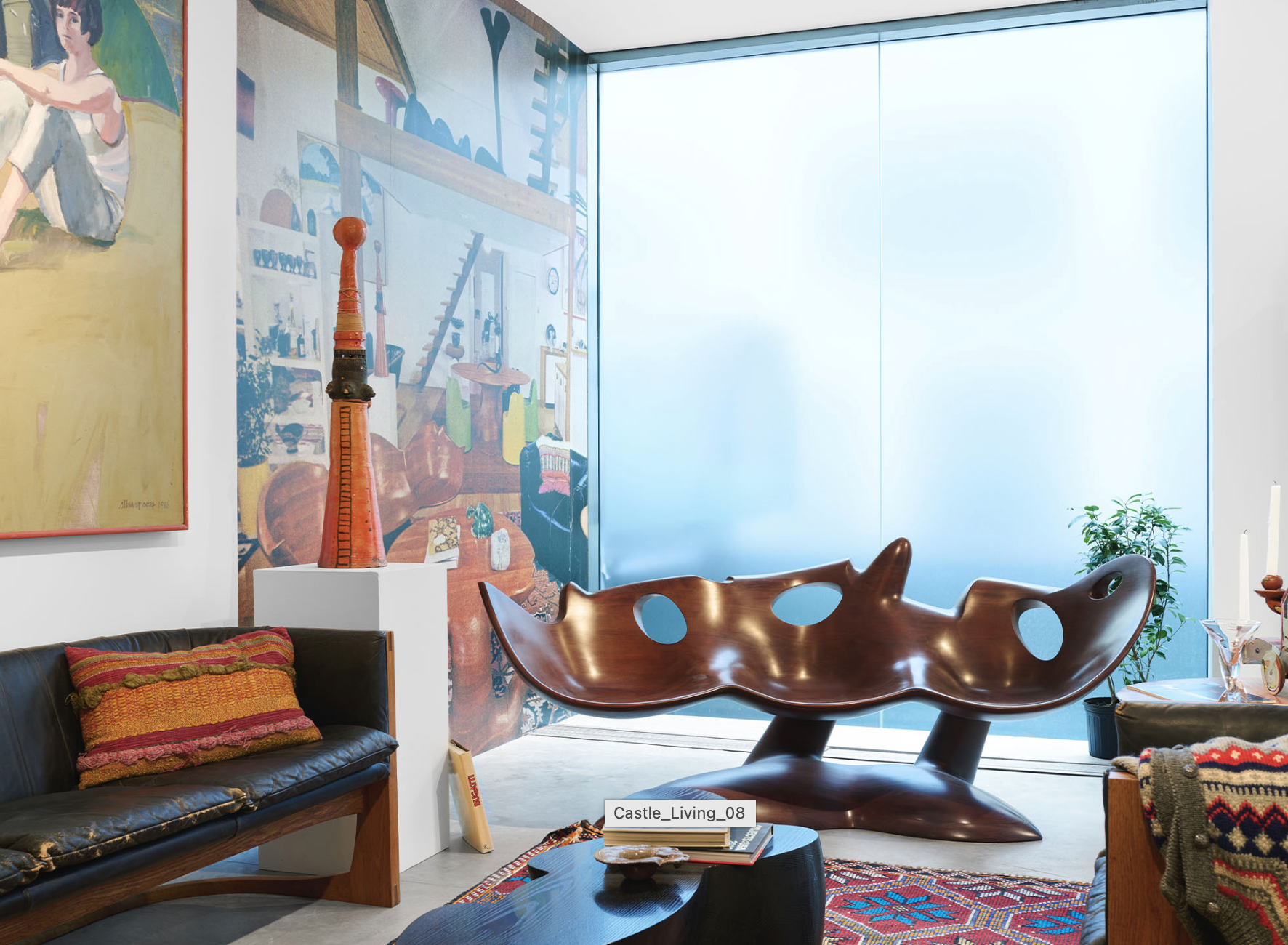
Some things cannot be hurried without becoming less than they might have been. I have been thinking about patience: with paintings, with friendship, with the passage of life, and perhaps most importantly, with myself.
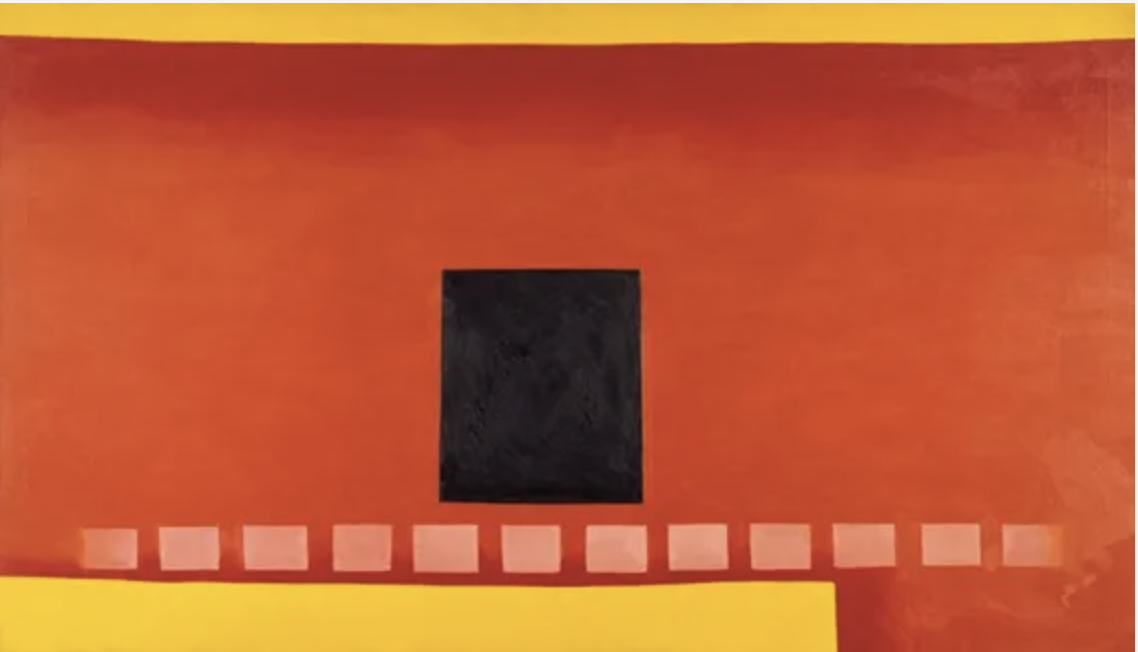
Perhaps peace is what happens when we understand where we are, what matters, and what is ours to care for.
I have felt that while preparing Before the Water Rose: Celilo Falls, 1956, the exhibition of Richard Stefani’s photographs opening later this month.
The work has required research, restoration, writing, editing, and many decisions about how the photographs should be seen and understood.
But beneath all of that is something quieter.
Stewardship.

Here in Oregon, the first rain after summer has a particular feeling. The light shifts. Greens seem deeper. Greys return to the sky. The landscape begins moving toward another season before the calendar has quite caught up.
Perhaps that is one reason I return to water so often. It is never really one color, never completely still, never exactly the same thing twice.
Latest from the Magazine
This Week in Art, Design, and Culture: What We Carry Forward
Art. Knowledge. Memory. Craft. Relationships. The things others entrust to us. This week we move from the enduring intelligence of Shaker design to contemporary work inspired by Bourdelle, the extraordinary cultural history contained in something as ordinary as salt, and closer to home, photographs made by Richard Stefani nearly seventy years ago finally returning to public view.
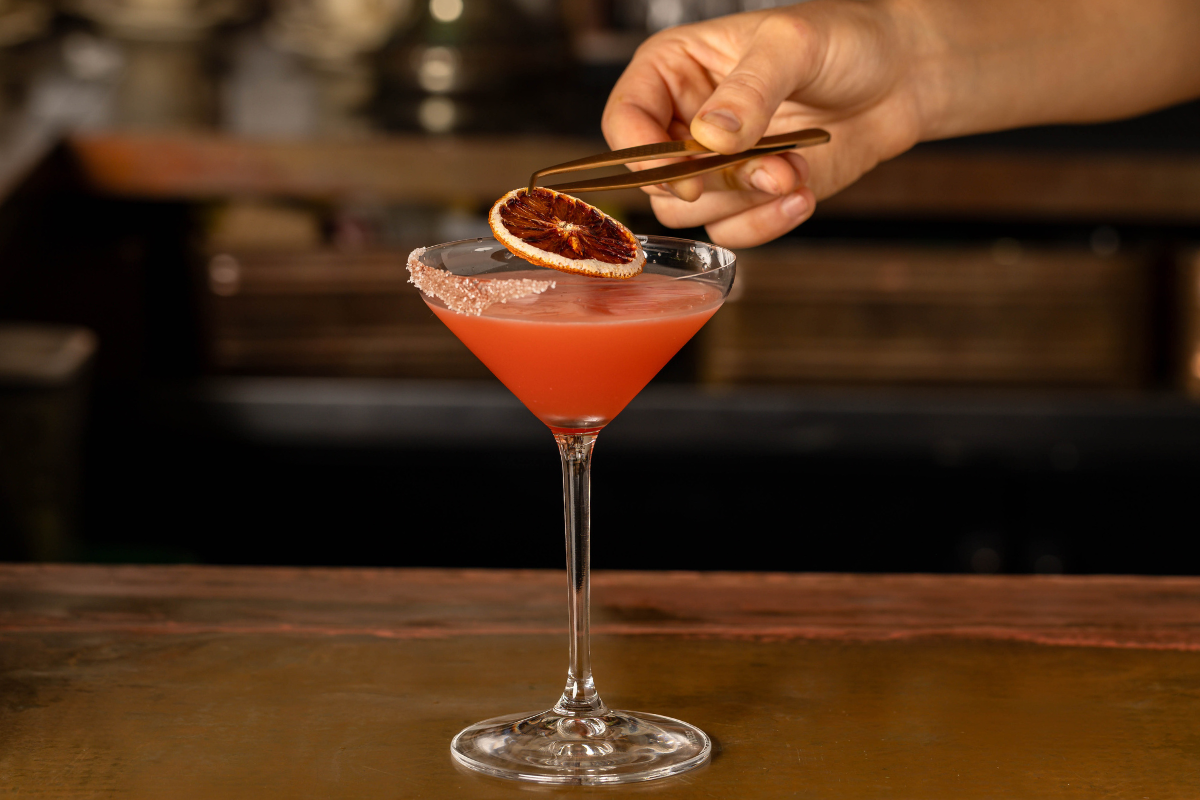
Soli’s Orange Blossom: A Mediterranean Cocktail, Shared From Honolulu
At House of Stefani, we believe artistry lives not only on walls or in studios, but in daily rituals, the things we return to, refine, and pass on. A well-made drink is one of them.
This cocktail comes from one of our favorite restaurants in Honolulu, and a place Christina returns to often: Istanbul Hawaiʻi. Led by mother-daughter duo Ahu Hettema and Nili Yildirim, Istanbul Hawaiʻi is a rare thing: deeply personal, historically grounded, and quietly transportive.