This Week in Art, Design, and Culture
Curated by Christina Stefani for House of Stefani

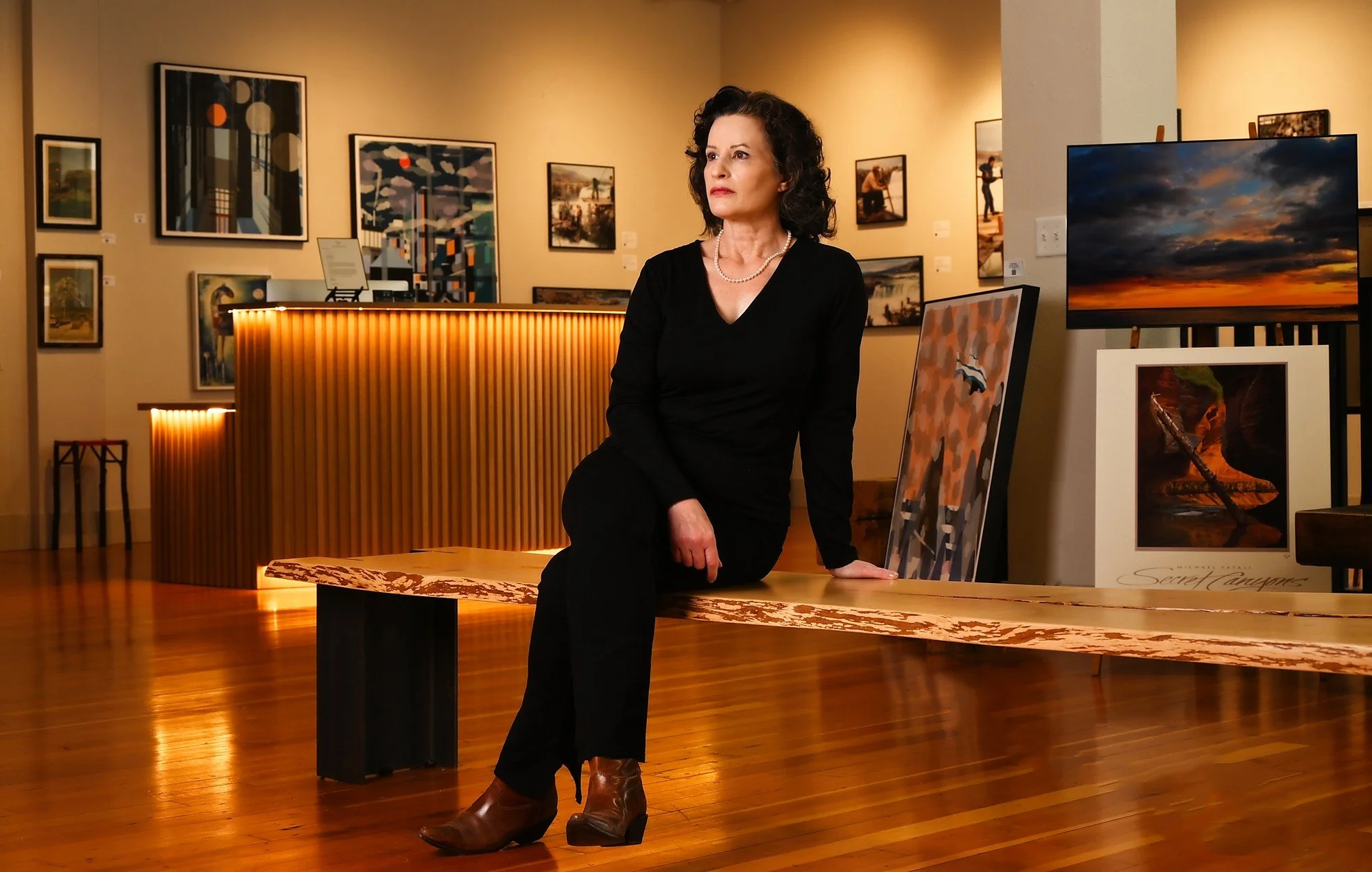
The Glory Within, Christina Stefani. Fine art photography. Courtesy Stefani Art Gallery
On art, curiosity, extraordinary craftsmanship, and the pleasure of discovering something unexpected.
I've been thinking about wonder lately.
The older I get, the more I appreciate how much there is still to discover. This is rather encouraging, considering how many years I've already spent asking questions, reading books, making art, and occasionally being quite certain I knew the answer. I've been wrong often enough to know better.
As an artist, I encounter things that surprise me all the time. A color behaves differently than expected. A painting develops in a direction I hadn't planned. Something I've looked at a hundred times suddenly reveals something new.
I love those moments.
I've spent much of my life studying art, making art, and helping other people discover it. You might imagine that by now I'd have developed some immunity to being surprised.
Fortunately, that hasn't happened.
I think one of the great pleasures of experience is discovering that knowledge doesn't have to diminish our capacity for wonder. Quite the opposite. Understanding something more deeply can make it even more extraordinary.
This week, several discoveries in art and architecture reminded me just how much there is to marvel at.
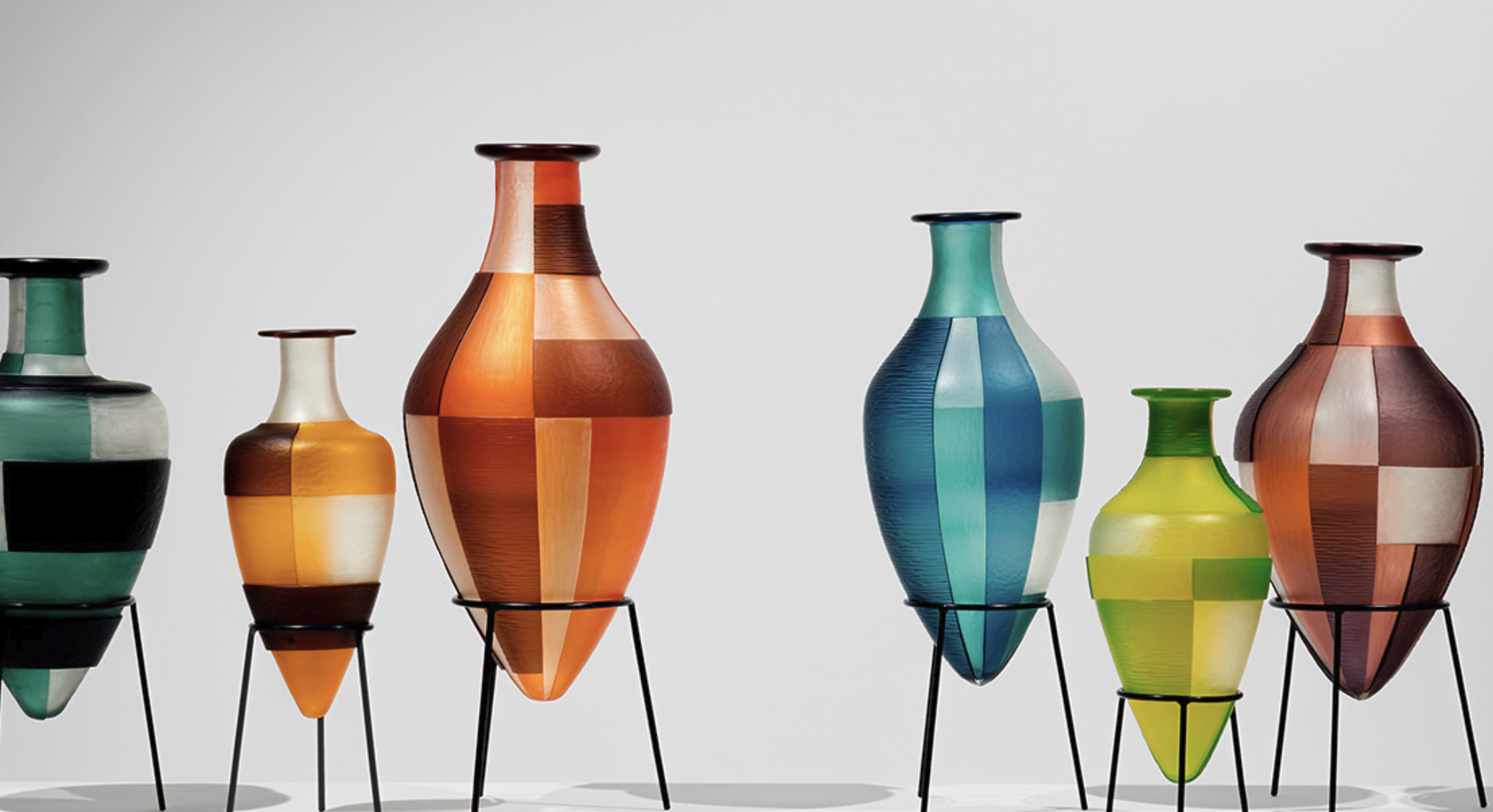
Philip Baldwin and Monica Guggisberg's Aristotle's Amphorae, 2022, free-blown glass, under and double overlay, cut, and metal stands, 25.5 x 78.75 x 19.75 in. Photo © Christoph Lehmann
Precession Through Glass: The Beauty of What We Don't Know
In November 2026, Sarasota Art Museum in Florida opened Precession Through Glass, a remarkable exhibition by artists Monica Guggisberg and Philip Baldwin.
Working together for more than four decades, the artists have developed an extraordinary command of glass as a sculptural medium. The exhibition explores some of humanity's most fascinating questions, from the structure of DNA to the mysteries of the universe and human consciousness.
Among the works presented are sculptural explorations of the double helix, transforming one of life's fundamental structures into an extraordinary expression of glass and light.
I find the relationship between the material and the subject particularly compelling.
Glass can be transparent or opaque, delicate in appearance yet surprisingly substantial. It captures light, changes with its surroundings, and can reveal or conceal what lies beyond it.
What a wonderful material for exploring the relationship between what we know and what remains mysterious.
There's something else I appreciate about this exhibition. Guggisberg and Baldwin have spent decades mastering an extraordinarily demanding medium, yet their work continues to ask questions rather than simply demonstrate technical accomplishment.
Perhaps that is one of the most rewarding things about mastery. The more we learn, the more possibilities we recognize.
And some of the most interesting questions remain unanswered.
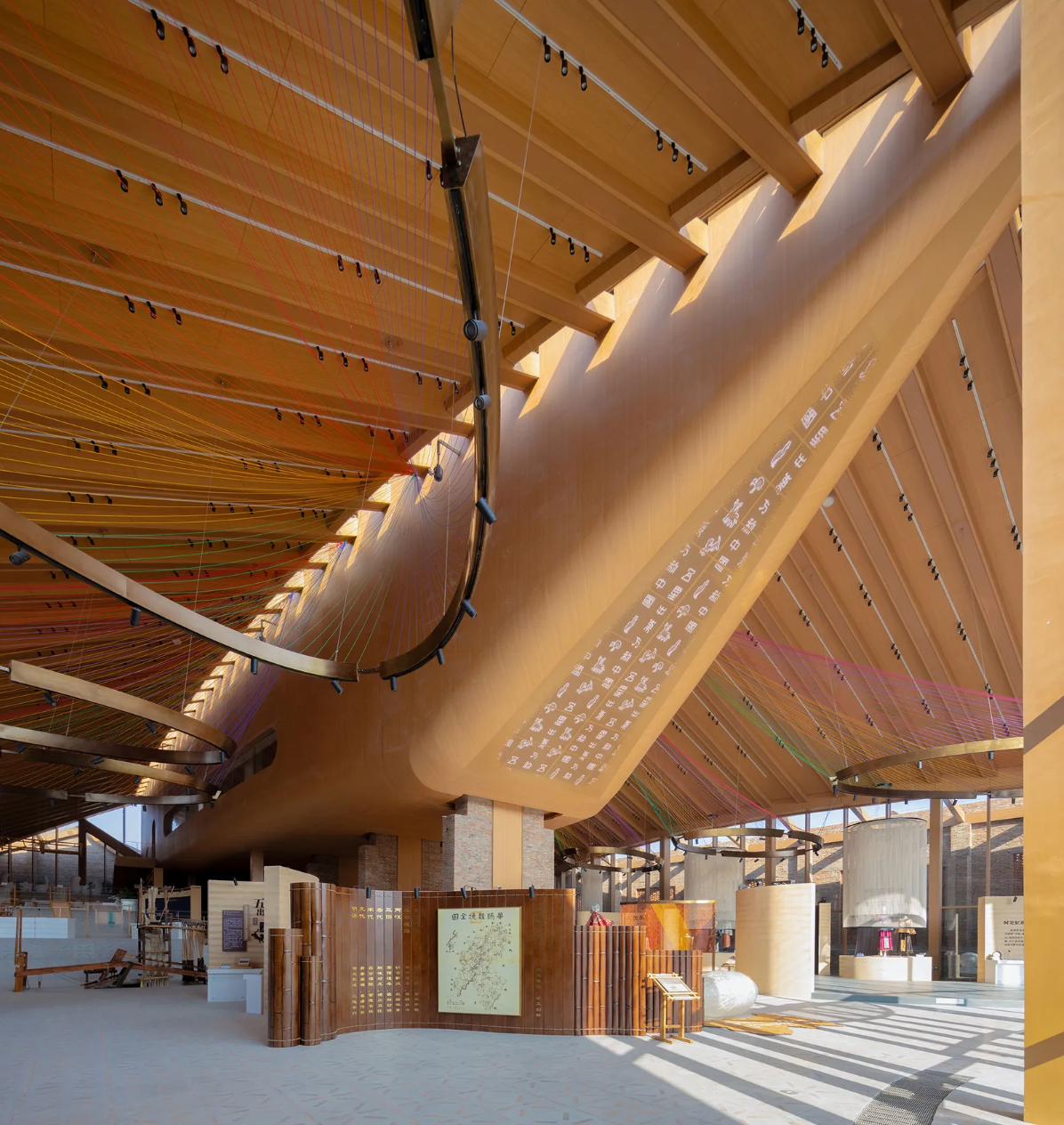
Interior view of the Shu Brocade Culture Museum in Chengdu, China. Photo © ARCHSTUDIO
The Shu Brocade Culture Museum: When a Building Becomes Part of the Story
In Chengdu, China, a remarkable architectural project is bringing new attention to one of the region's oldest artistic traditions.
The Shu Brocade Culture Museum, designed by ARCHSTUDIO, occupies a former agricultural machinery factory that has been transformed into a center for the preservation and appreciation of traditional silk weaving.
Chengdu has been associated with elaborate brocade textiles for centuries. Rather than creating a building that merely houses examples of this craftsmanship, the architects have incorporated the language of weaving into the architecture itself.
Intersecting structural elements recall the geometry of traditional looms. Undulating surfaces suggest folds of fabric. Gardens include plants historically used to produce textile dyes.
Even the building's earlier industrial life remains part of its character.
What I find especially wonderful is the imagination behind this approach.
A museum devoted to craftsmanship has become an expression of craftsmanship.
The architects didn't simply preserve an old building or create an attractive new one. They found a way for architecture, history, materials, and human skill to speak to one another.
It's a reminder that beauty often emerges from relationships we might not initially recognize.
And that some of the most extraordinary creative ideas begin with looking at familiar things in an entirely different way.

Lee Morrison, Vintage Alice, 2026. Acrylic on canvas. Available through Stefani Art Gallery.
From the Gallery: The Pleasure of Looking Again
One of the things I enjoy most about contemporary painting is the opportunity to encounter something that doesn't immediately explain itself.
We are remarkably quick to identify what we see. Sometimes a work of art asks us to do something more interesting: remain curious.
This week, I've selected Vintage Alice, an original painting by Lee Morrison, from the collection at Stefani Art Gallery.
Bold vertical bands of color create a striking contrast with richly textured, organic forms that seem to twist, rise, and move across the canvas. There is both order and unpredictability in the composition, and a wonderful sense that something new might reveal itself each time we look.
I particularly appreciate works that continue to reward our attention. A painting may capture our interest immediately, but its lasting pleasure often comes from the relationships, details, and discoveries we notice over time.
Perhaps that's one of the most wonderful things about collecting original art.
The discovery doesn't end when we bring a painting home.
Explore Vintage Alice by Lee Morrison at Stefani Art Gallery
Worth Noting: The Art of a Thoughtful Introduction
In an article for House of Stefani, How to Approach an Art Gallery Professionally, I explore what artists should consider before approaching a gallery.
After years of receiving portfolios, meeting artists, and building professional relationships, I've learned that some of the most important decisions happen before an exhibition or representation agreement is ever discussed.
A thoughtful introduction begins with good work, careful preparation, curiosity, and mutual respect.
And occasionally, with the realization that sending thirty photographs when a gallery requests ten may not be the best way to make a memorable first impression.
The article explores these ideas and introduces several subjects addressed in my forthcoming Professional Artist Handbook.
Read How to Approach an Art Gallery Professionally
Closer to Home: Hallie Ford Museum of Art
Here in Salem, Oregon, the Hallie Ford Museum of Art presented Drawn from the Collection in 2026, an exhibition exploring the many ways artists use drawing, from carefully observed subjects to expressive abstraction.
It's a lovely reminder that extraordinary creativity can begin with something as simple as a mark on paper.
And that there's always something worthwhile to discover close to home.
Explore the Hallie Ford Museum of Art
A Sense of Wonder
I've been thinking about how easy it is to become accustomed to things that once astonished us.
We learn how something works. We become familiar with a place. We develop expertise. And occasionally, we begin to assume we've seen everything worth seeing.
What a dreadful thought.
Fortunately, the world has a remarkable way of proving otherwise.
A painting surprises us. Someone introduces us to an unfamiliar idea. A remarkable building reveals the ingenuity behind an ancient craft. An artist transforms something as familiar as glass into an exploration of the universe.
And suddenly, we're looking again.
I don't believe wonder belongs exclusively to childhood. Nor do I think it requires us to be naïve.
Perhaps it simply asks that we remain curious, receptive, and willing to discover something we hadn't anticipated.
After all these years, I still find tremendous pleasure in being surprised.
I hope I always will.
Until next Saturday,
–Christina Stefani | House of Stefani Journal
About the Author: Christina Stefani is an artist, gallerist, writer, and founder of House of Stefani, exploring art, design, and culture.